Color shifts the whole read of braids, from honey blonde that catches light to burgundy that holds its richness for weeks without fading.
Knotless braids reduce tension at the roots, goddess braids add curls for volume, and a heart-shaped part turns the scalp itself into design.
1. Honey Blonde Braids
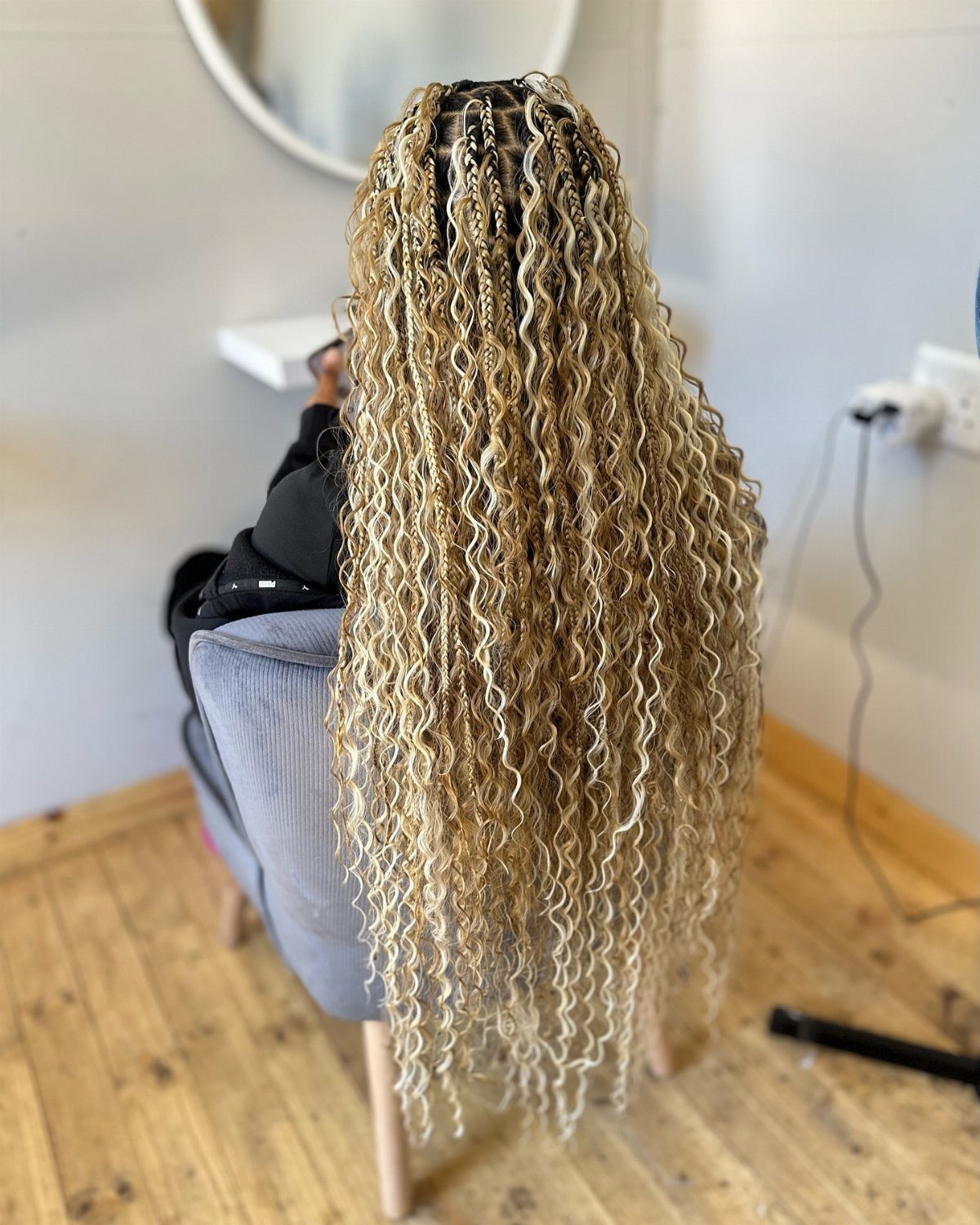
Honey blonde brings warmth and light without bleach. The golden tone sits somewhere between yellow and amber, bright enough to catch attention but soft enough to pair with most skin tones.
For shine, this color shows it off. The blonde reflects more light than darker shades, so even synthetic braiding hair looks glossy.
The best match is a honey shade that leans slightly golden rather than cool platinum. Ask your stylist for 27 or 30 if you’re using numbered extensions.
2. Burgundy Braids
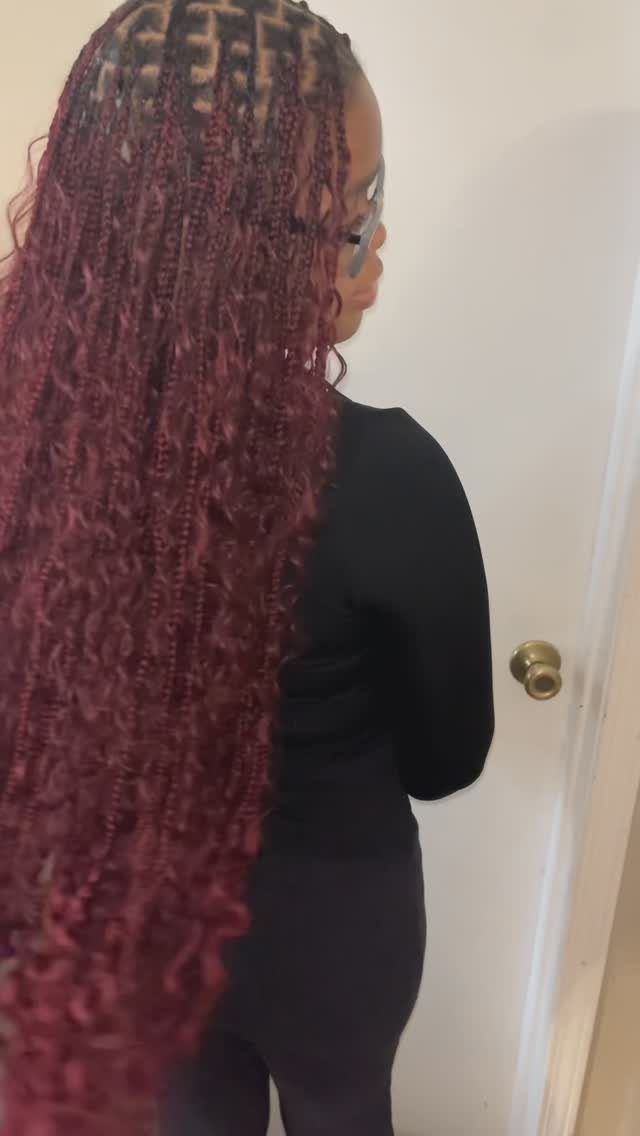
Burgundy sits between red and purple, deep enough to read as sophisticated but bold enough to feel intentional. The wine-toned shade reads rich and dimensional against deeper skin tones.
This color holds longer than brighter reds because the pigment is richer and less prone to fading in sunlight. You get a few extra weeks before the color starts looking washed out.
For extensions, look for shades labeled burgundy or plum rather than bright cherry. The deeper tone reads as intentional, not costume.
3. Brown Braids
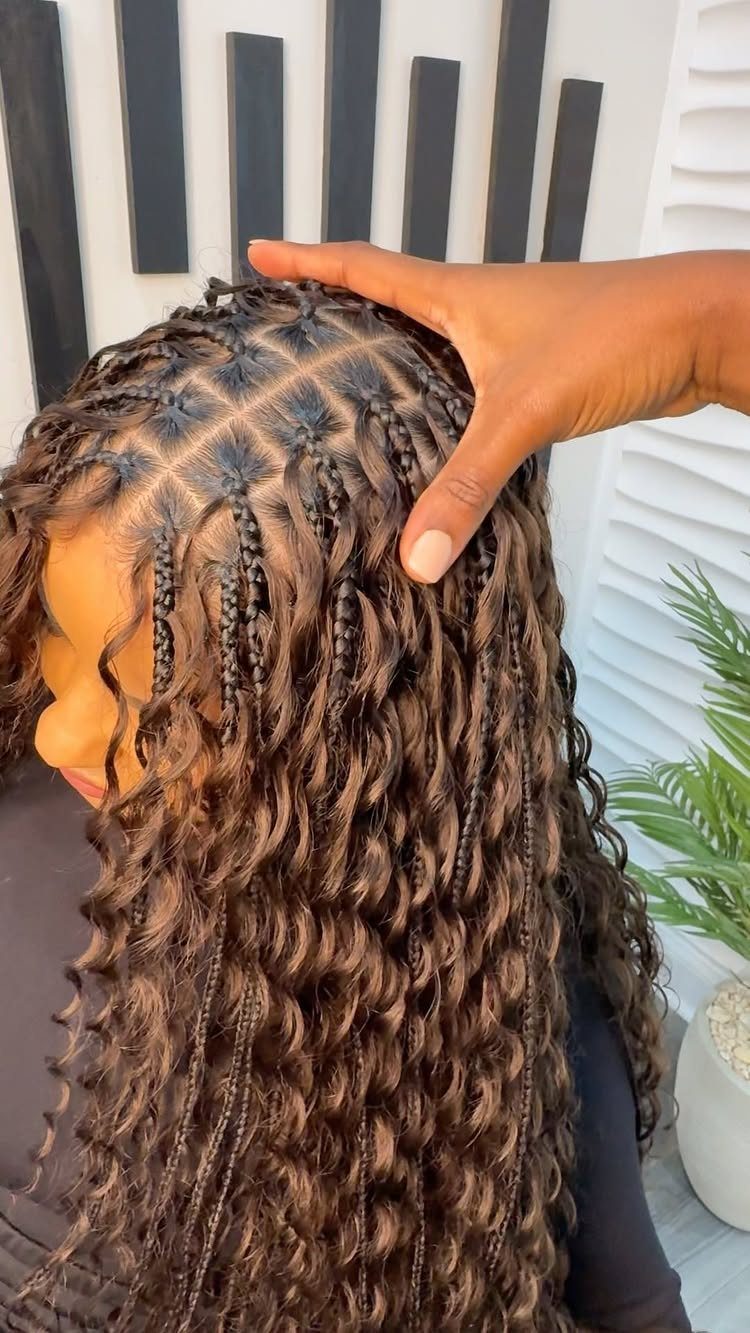
Brown is the easiest color to wear for texture and length without a major color shift. The shade blends with most natural hair tones, so regrowth is less obvious and touch-ups are simpler.
Medium to dark brown works on nearly every skin tone. Lighter browns add dimension, deeper browns give more contrast.
This is also the lowest-maintenance option.
Brown doesn’t fade the way reds and blondes do, so the braids look fresh longer. If you’re trying braids for the first time, brown gives you room to focus on the style itself.
4. Red Braids
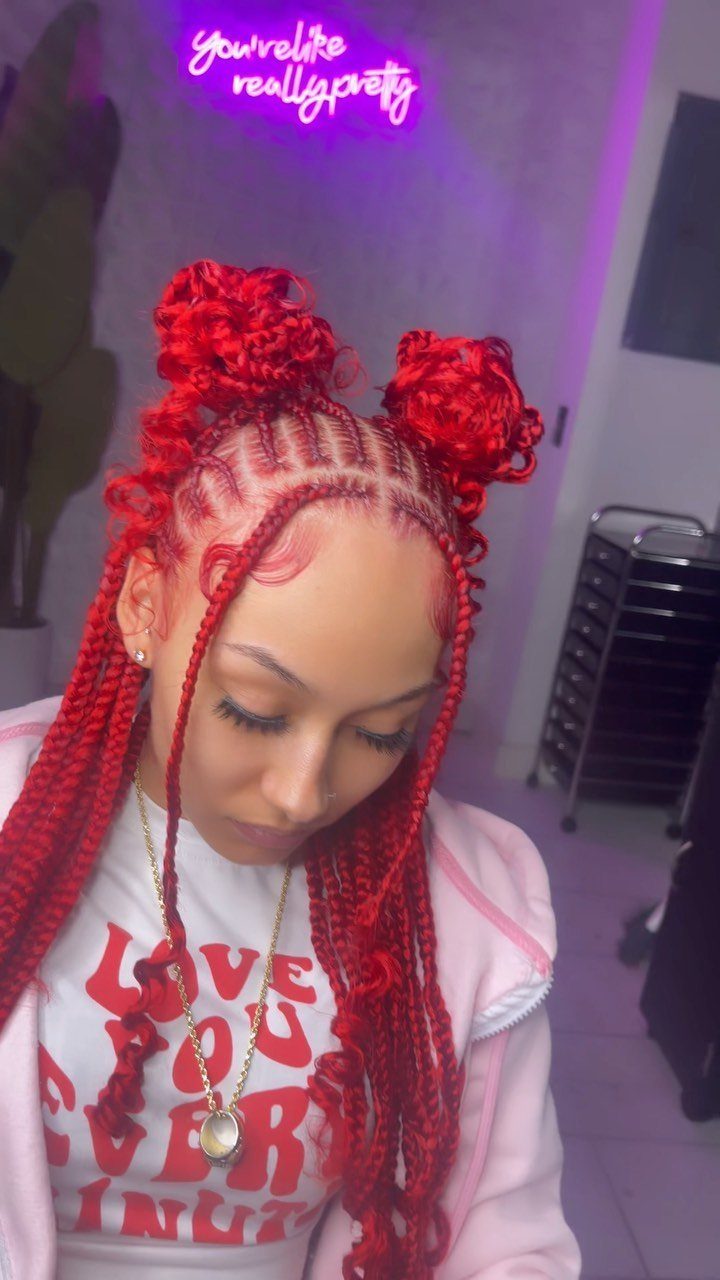
Red is louder than burgundy and softer than orange. The shade ranges from fire-engine bright to deeper rust, and each one changes how the style reads.
Brighter reds need more upkeep. The color fades faster than darker shades, so plan to refresh or take them down a week or two earlier.
If your skin has warm or golden undertones, red complements it without clashing. Cooler undertones can pull off red too, just aim for a shade with more blue in it, closer to cherry than orange.
5. Caramel Brown Braids
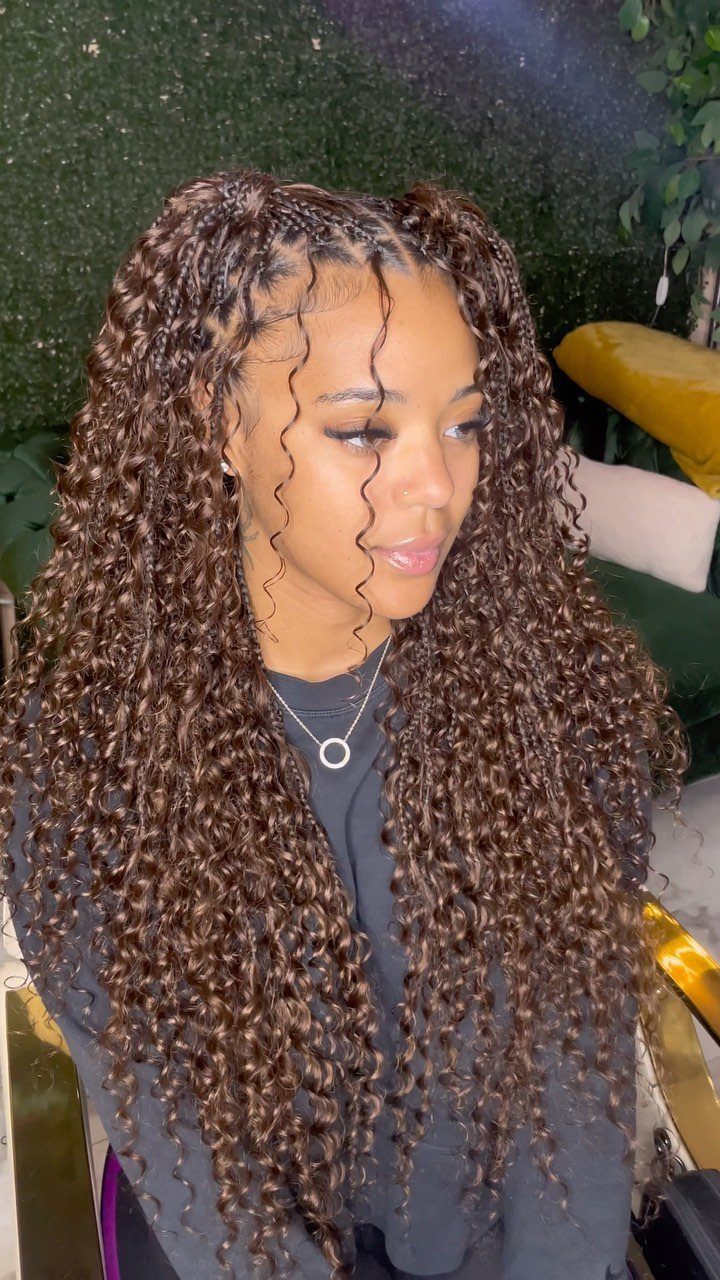
Caramel sits between brown and blonde, warm and golden without looking too bright. The color gives braids a sun-kissed feel that works well on medium to deep skin tones.
This shade is flattering because it adds light without the starkness of blonde. The warmth mirrors natural highlights, so the color feels lived-in rather than artificial.
Look for extensions labeled caramel, honey brown, or light auburn.
Some brands number them as 27 or 30. You’re after a toasted, buttery brown that catches light without reading as blonde.
6. Chestnut Copper Braids
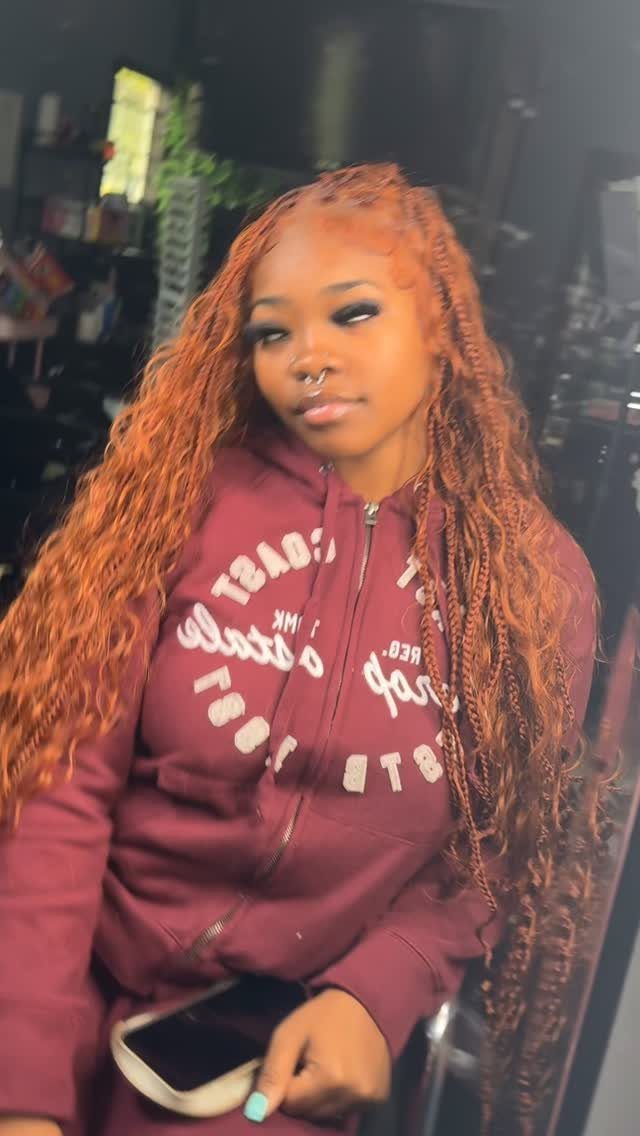
Chestnut and copper together give you two warm tones instead of one flat color. The chestnut is a rich brown with red undertones, and the copper adds a brighter, shinier accent.
The combination works best when the copper is woven in rather than blocked into sections. That way the color shifts as you move, catching light in different places.
This pairing suits warm and neutral skin tones.
If you’re choosing extensions, pick a medium brown for the base and a bright copper for the accent. The 2 colors sit close enough on the warm spectrum that they blend naturally.
7. Red Gypsy Braids
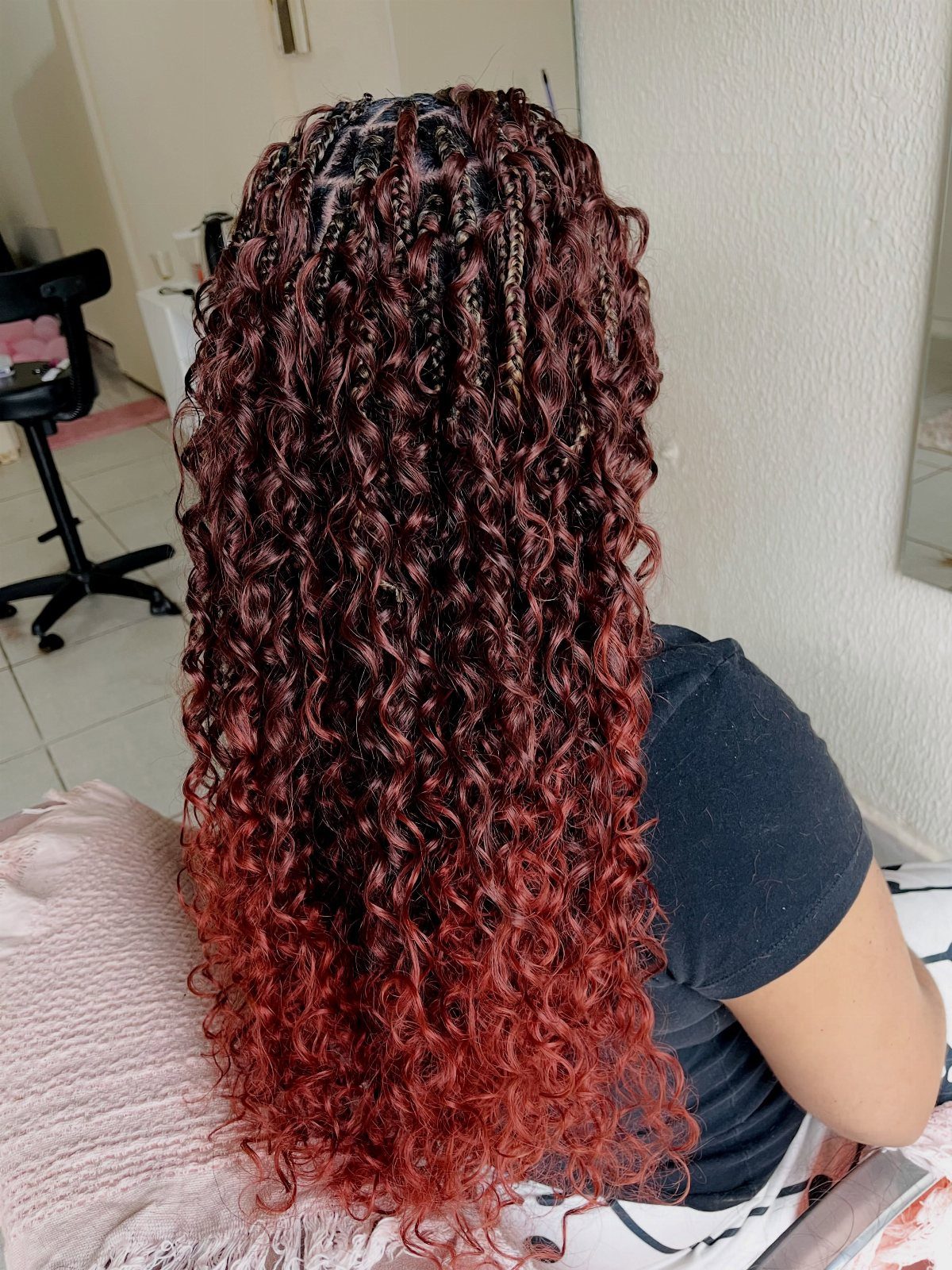
The red and burgundy mix gives depth that one flat color can’t. Instead of uniform braids, you get pieces that shift between darker wine tones and brighter red, so the color reads as lived-in rather than dyed all at once.
The curls soften the intensity of the red. Straight red braids can look stark, but the texture breaks up the color and adds movement.
Splitting burgundy and brighter red tones down the intensity while keeping all the warmth, especially when solid fire-engine feels too strong.
8. Ombre Braids
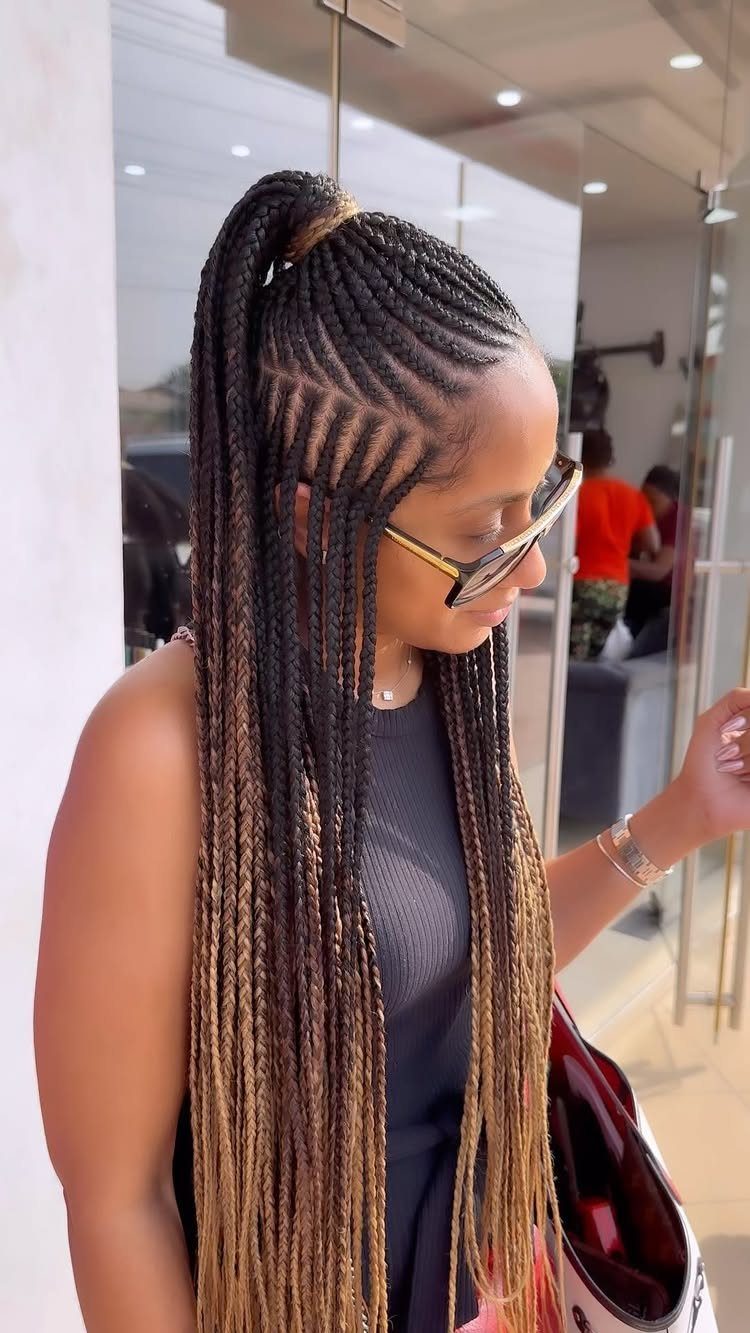
The color fades from dark at the roots to lighter at the ends, usually moving from black or dark brown into caramel, blonde, or auburn. The gradient gives dimension without needing multiple colors woven through.
Ombre is forgiving with regrowth. Since the roots stay dark, new growth blends in, and you can go longer between installs.
The transition can be sharp or gradual depending on the extensions you choose.
For a softer look, pick shades that sit close together on the color spectrum. A high contrast, like black to platinum, reads bolder but fades faster.
9. Boho Braids
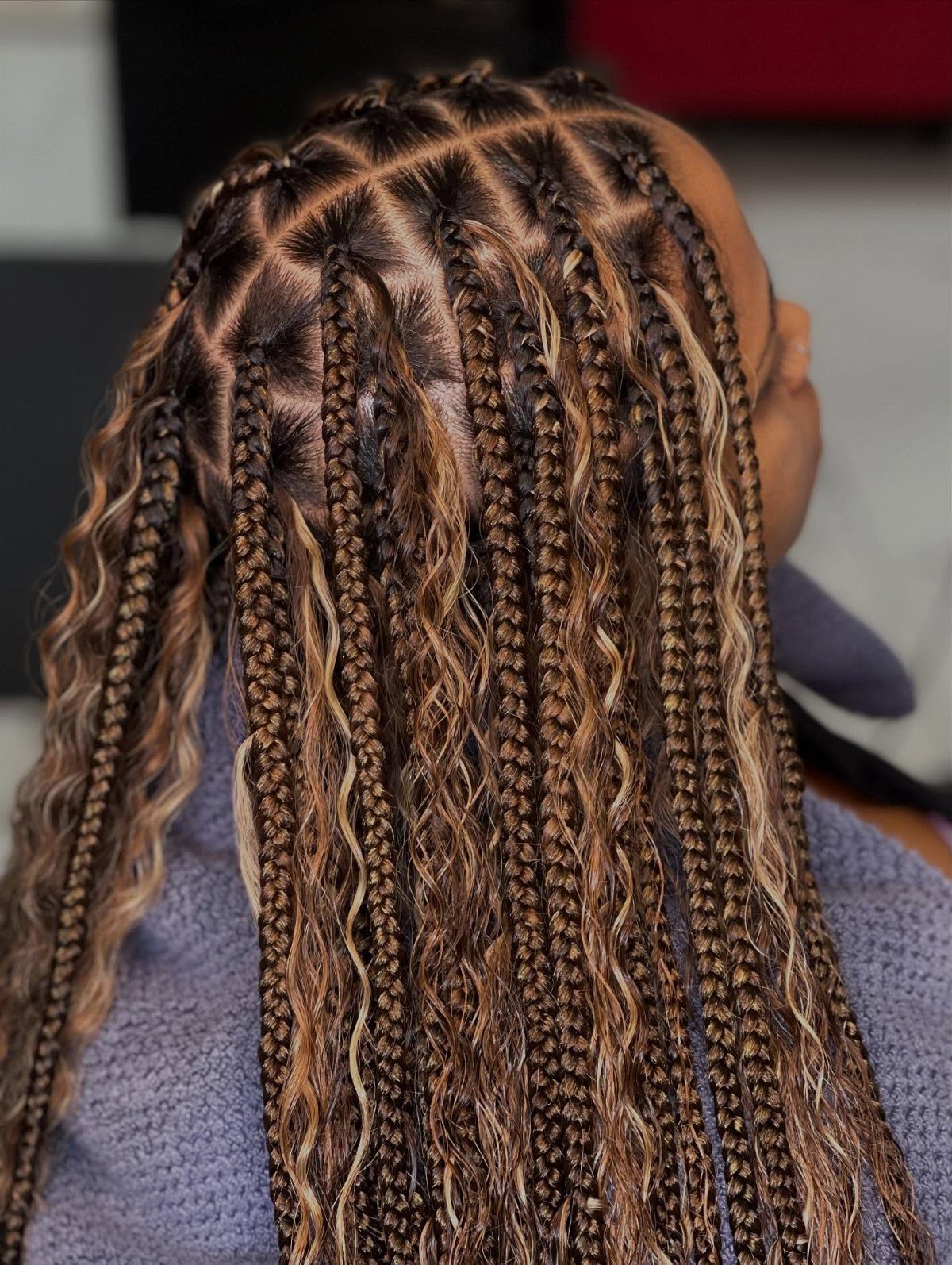
The loose curls or waves mixed into braids give texture that box braids alone don’t have. The wavy pieces soften the structure, so the style looks less uniform and more relaxed.
This works well if you want the neatness of braids but prefer a fuller, less sleek finish. The curls add volume and movement, especially at the temples and ends.
You can add the wavy hair during installation or leave out pieces of natural hair to curl afterward. Either way, the mix of tight braids and loose texture is what makes it boho.
10. Zoe Kravitz’s Curled Goddess Braids
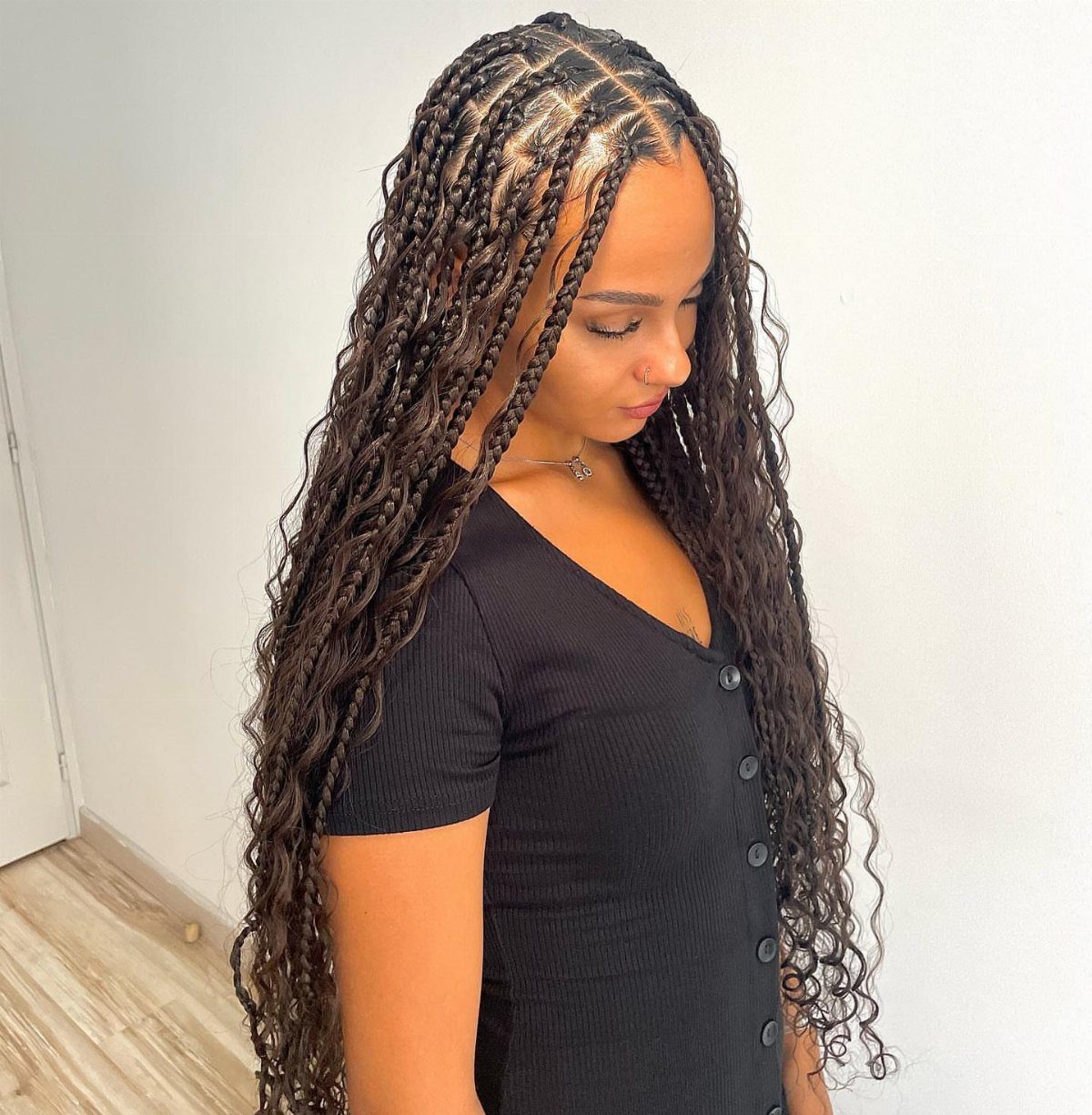
Zoe Kravitz has worn these regularly, and the style has gained traction as boho braids keep trending. The goddess braids are thicker than box braids, and the curls are added throughout rather than just at the ends.
The curls give the braids volume and movement without looking messy. The waves sit loose but defined, so the style reads as polished but not stiff.
If you like the boho look but want something a little more structured, this version gives you both. The braids stay neat, the curls add texture.
11. Knotless Braids
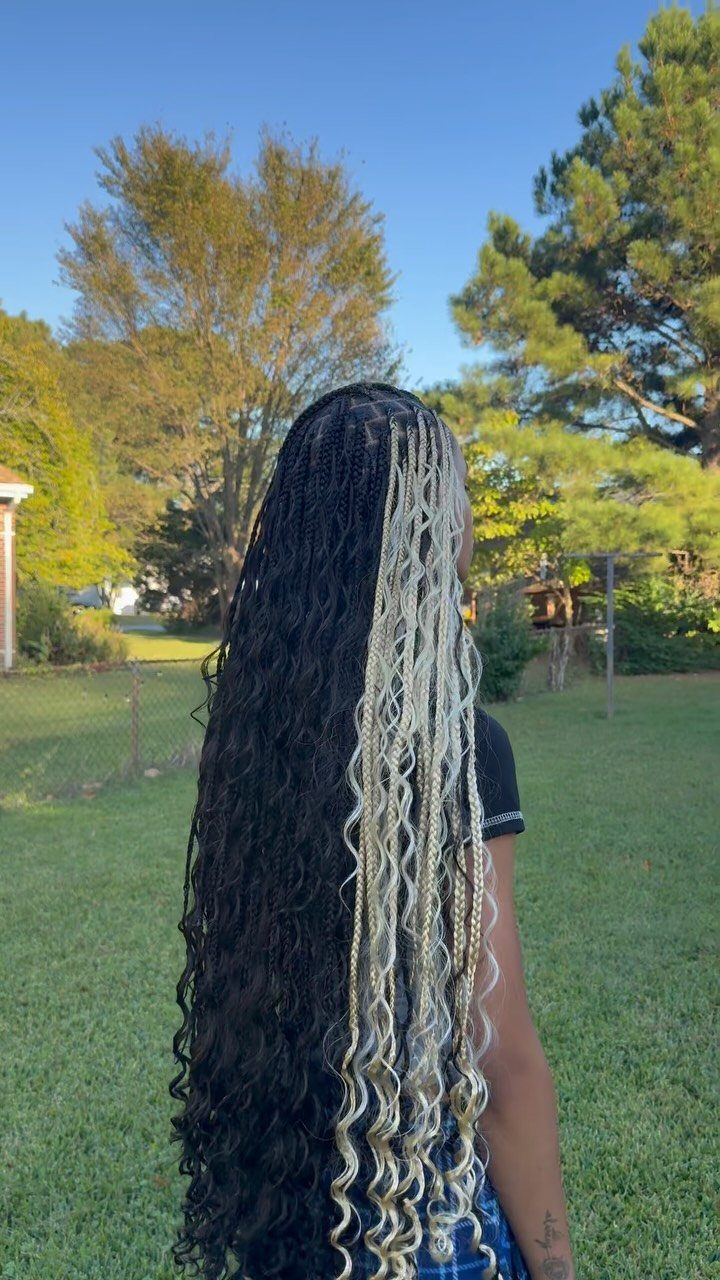
The braid starts without a knot at the base, so there’s no bulky bump where the extension meets your scalp.
The braiding hair is fed in gradually as the stylist works down, which makes the root sit flat and feel lighter.
This method reduces tension on your hairline.
Traditional box braids start with a knot, which can pull and cause breakage over time. Knotless braids distribute the weight more evenly.
Installation takes longer because the stylist is feeding in hair piece by piece, but the result is worth it if you’ve had scalp soreness or thinning edges before.
12. Goddess Braids
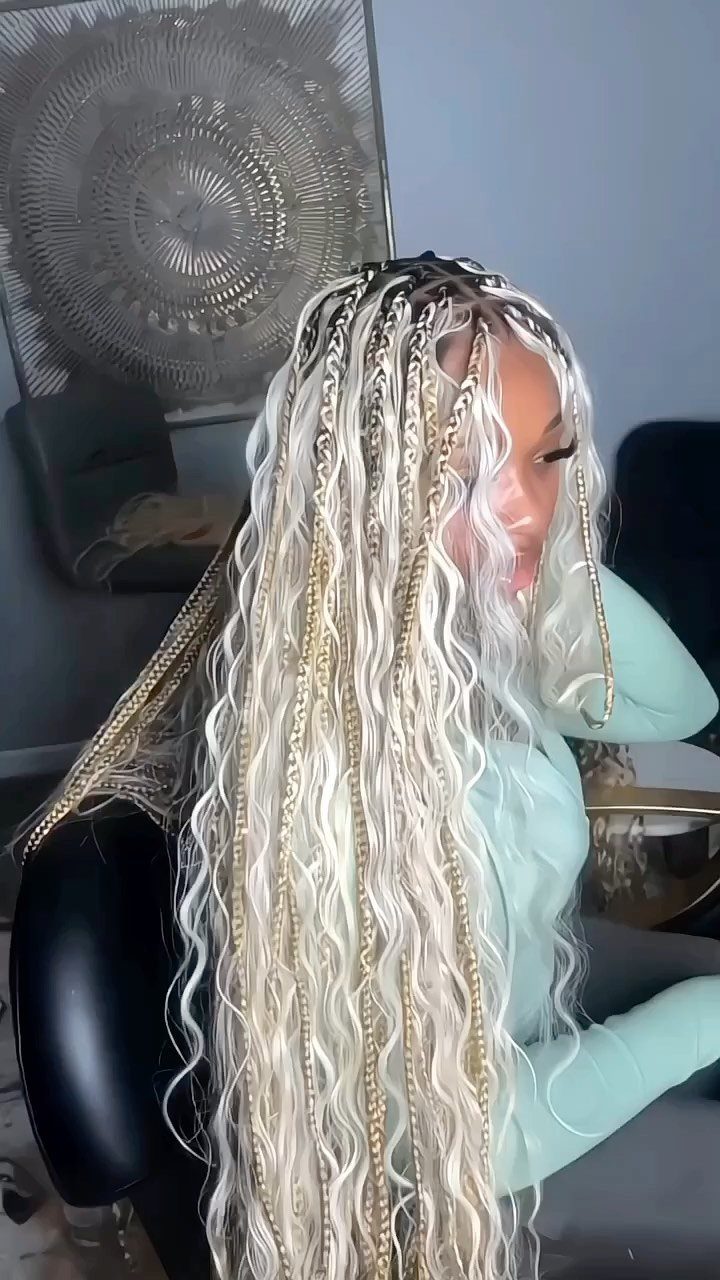
The wavy or curly hair is woven in or added toward the ends, giving the braids a softer, fuller finish.
The curls contrast with the tight structure of the braid itself, so you get neatness at the root and texture everywhere else.
This style sits somewhere between box braids and a curly install. The braids keep your hair protected, and the curls give you the volume and movement of loose hair.
If you want length and texture without committing to a full sew-in or wig, goddess braids give you both in one install. The curls can be left as-is or brushed out for a wavier look.
13. Two-Tone Braids
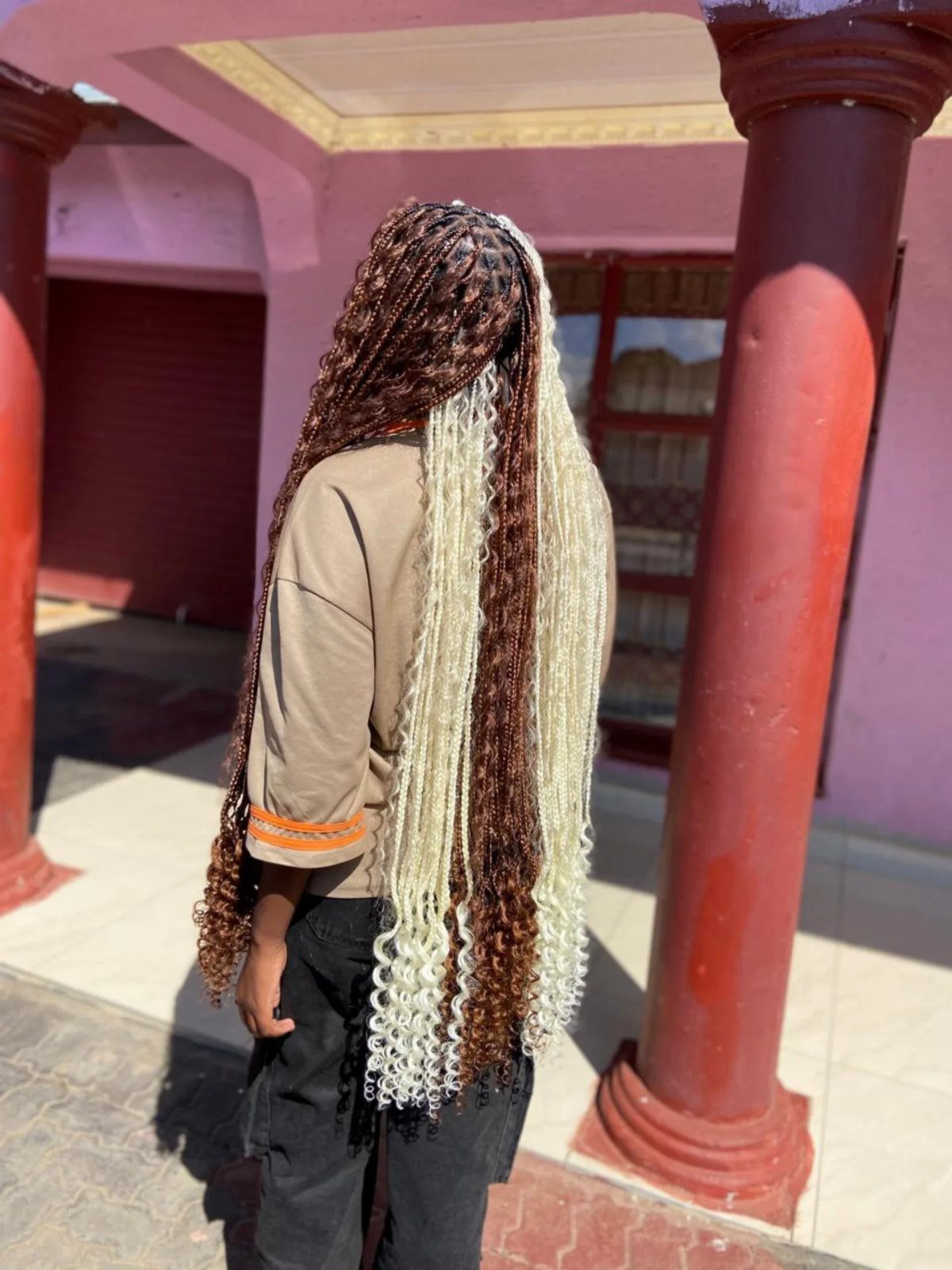
2 distinct colors split the braids instead of blending. The contrast is sharp, usually pairing a dark base with blonde or caramel lengths.
The effect is graphic. Each braid reads as 2 tones rather than a gradient, so the color shift is immediate and visible from any angle.
Choose colors that sit far apart if you want the contrast to hold.
Dark brown or black against honey blonde or platinum gives the clearest division. Closer shades, like caramel and medium brown, soften the look but lose some of the impact.
14. Braids with Highlights
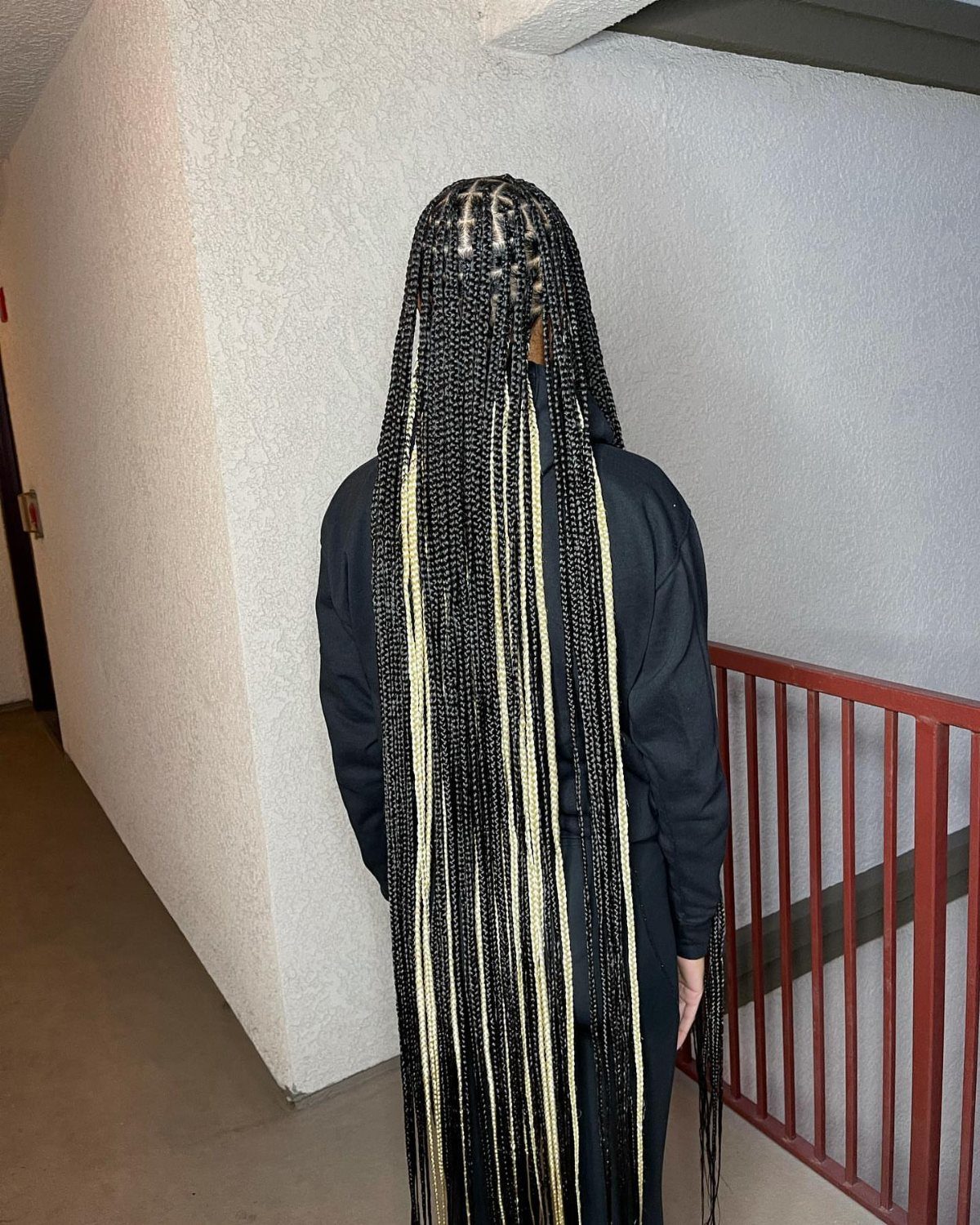
The lighter pieces sit against a darker base color, lifting the overall tone without a full dye job. The blonde pieces add dimension without taking over the whole style.
Placement matters. Scattered highlights give an all-over lift, while a few face-framing pieces brighten around your temples and jawline.
This is less bold than full blonde but more noticeable than ombre.
The contrast stays visible as long as the braids are in, and you can adjust how much blonde you add based on how much attention you want the color to draw.
15. Colorful Box Braids
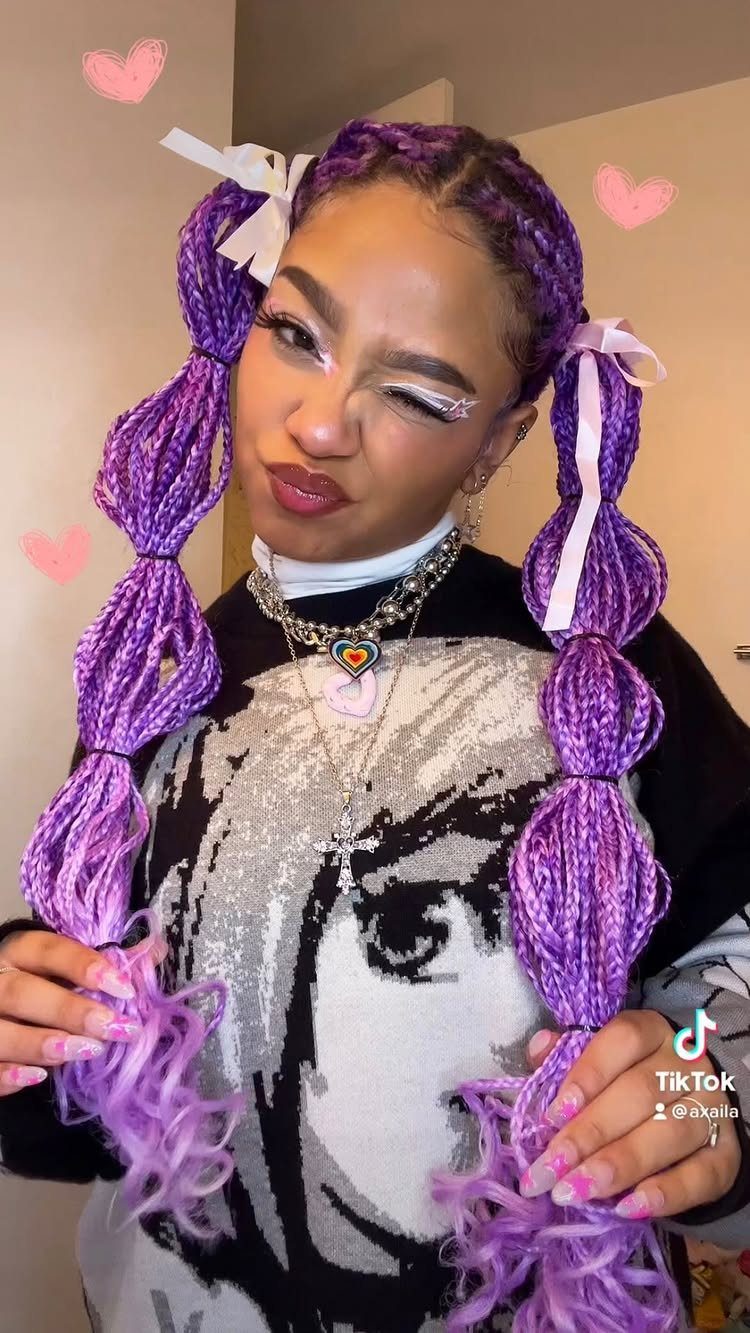
Bright colors turn the braids into the statement. Purple, pink, green, blue, orange, anything that reads as intentional rather than natural.
The color you choose sets the tone.
Softer pastels feel playful, saturated jewel tones read bolder. Either way, the braids are doing the work, so the rest of the look can stay simple.
Bright colors fade faster than neutrals.
Plan for the vibrancy to soften after a few weeks, especially if you’re in the sun often. If you want the color to stay sharp, take them down earlier or refresh with new extensions.
16. Auburn Brown
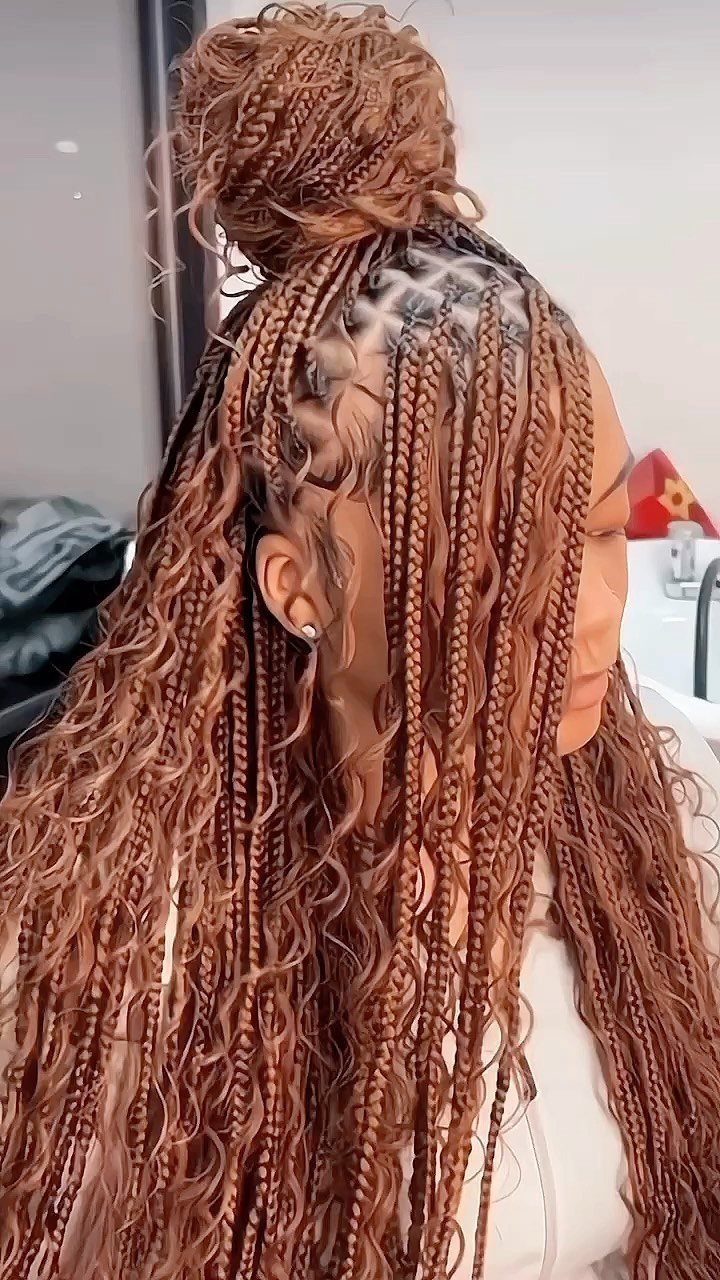
Auburn leans red without committing to full fire-engine or burgundy. The shade is warm and rich, sitting between chestnut and copper.
This works well if you want color that still feels grounded. Auburn catches light the way blonde does, but the warmth suits a wider range of skin tones without looking stark.
The red tones hold longer than brighter shades, so the color looks fresh for most of the install.
17. Braids with Beads
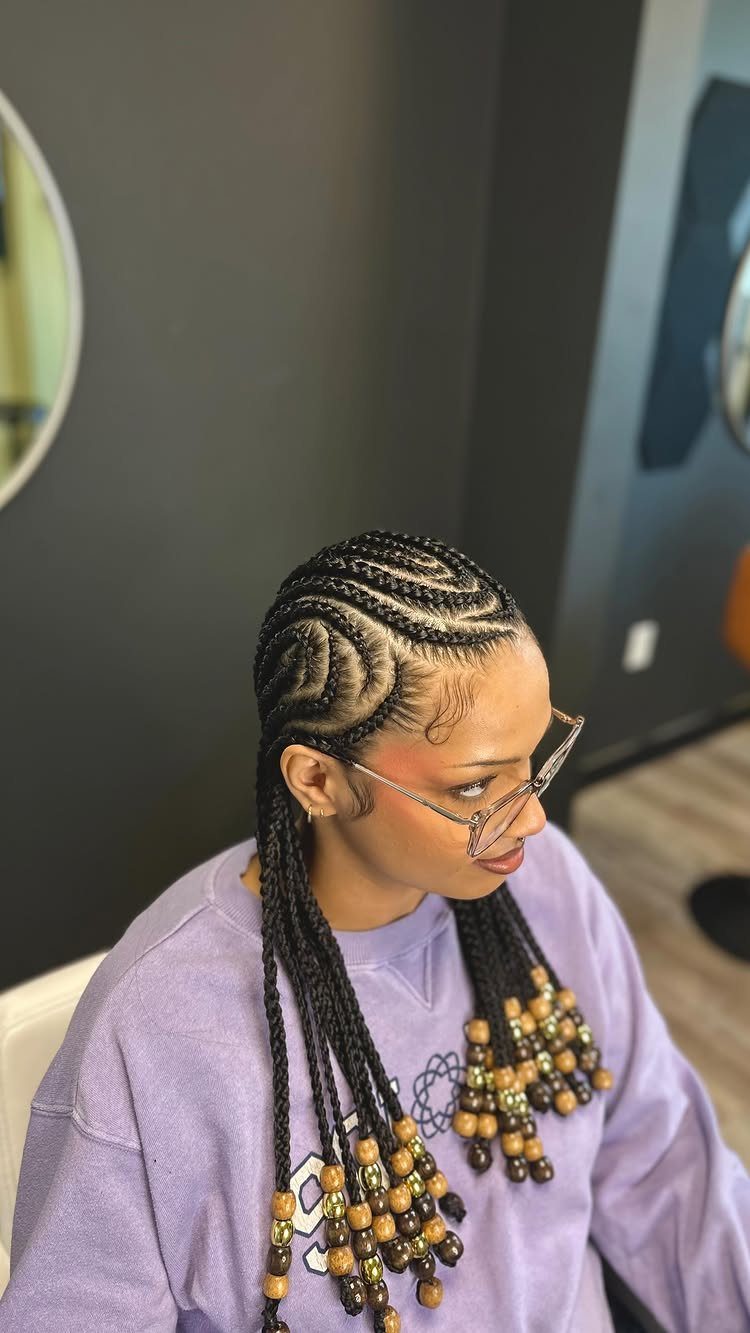
Beads slide onto the ends or are threaded through sections, adding weight and sound. Wood, metal, plastic, and glass all work, each giving a different look.
The beads keep the ends from unraveling and add a finished detail. Wooden beads feel natural, metallic ones catch light, and colorful plastic adds a playful accent.
Thread them on before sealing the ends, or clip them onto finished braids. The weight pulls the braids straighter, so if you want more swing, beads help.
18. Rainbow Braids
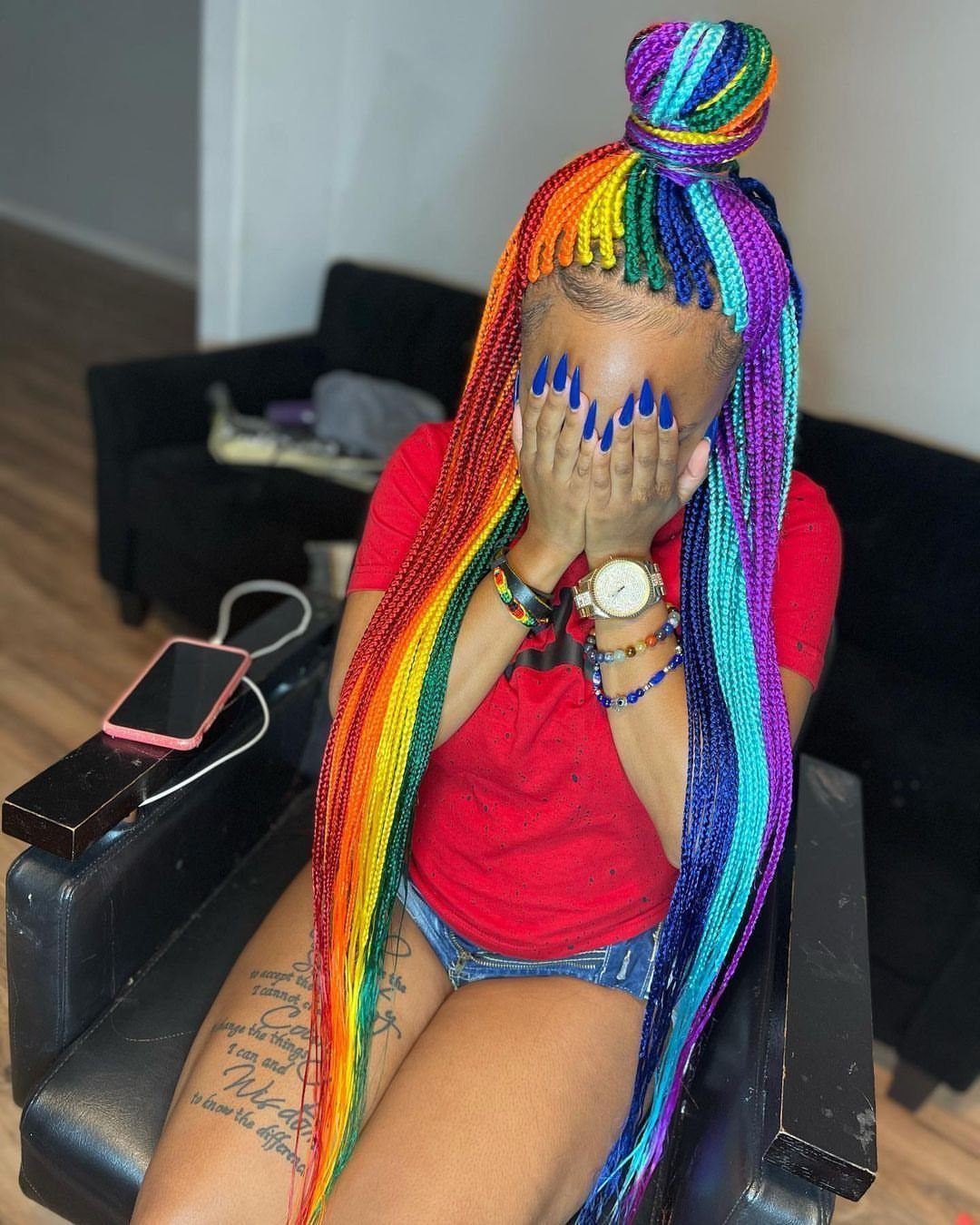
Multiple bright colors are mixed into one install, each braid taking a different shade. The result is full spectrum rather than one or two accent tones.
Gathering the braids into a high bun keeps the color visible from the front and sides. Loose, the rainbow reads more scattered; up, it shows all at once.
This is high-maintenance.
Each color fades at its own rate, and the overall look can start to feel washed out before individual braids do. Vivid color fades faster, so expect to take these down sooner if you care about keeping the tones bright.
19. Green Knotless Braids
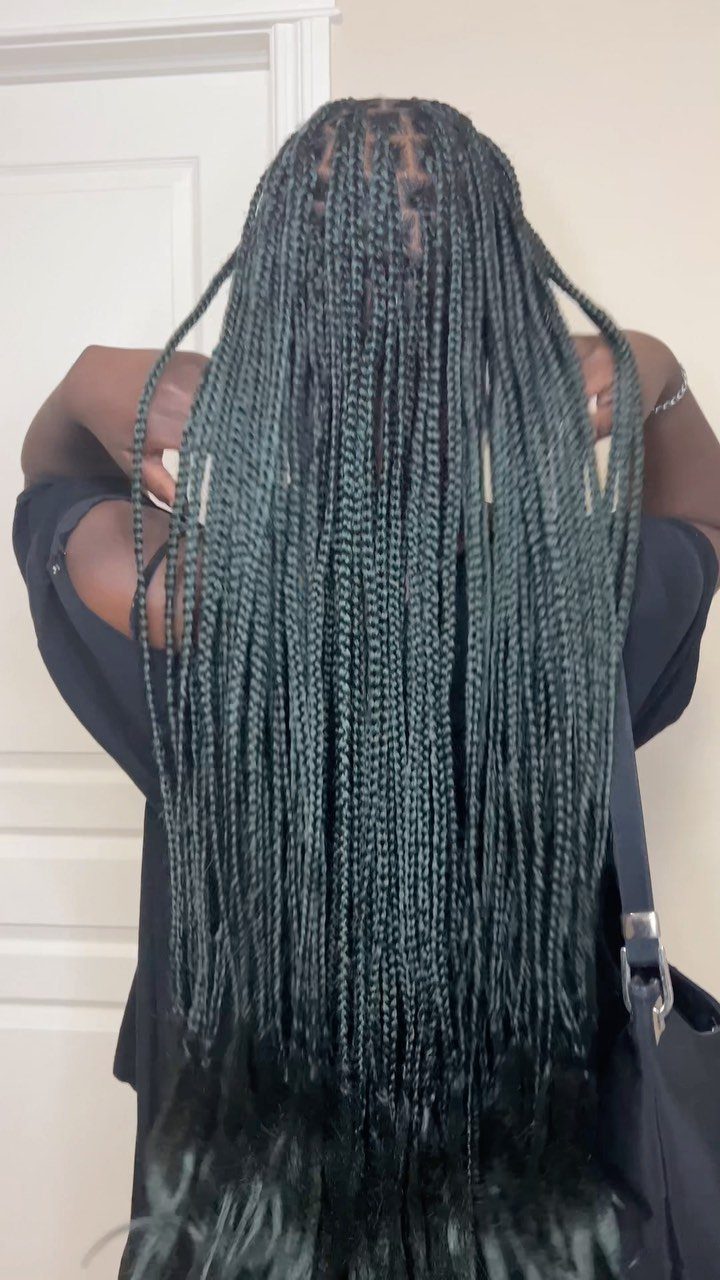
The green is muted rather than neon, so the color adds depth without overwhelming the style. Dark forest or sage tones work better than lime if you want something that feels intentional but not loud.
Thin braids let more of the green show through. Thicker sections would dilute the color, but keeping them narrow keeps the green visible along the full length.
Knotless installation keeps the scalp flat and reduces tension at the roots. The green sits softer when the braid starts smooth rather than with a bulky knot.
20. Mermaid Braids
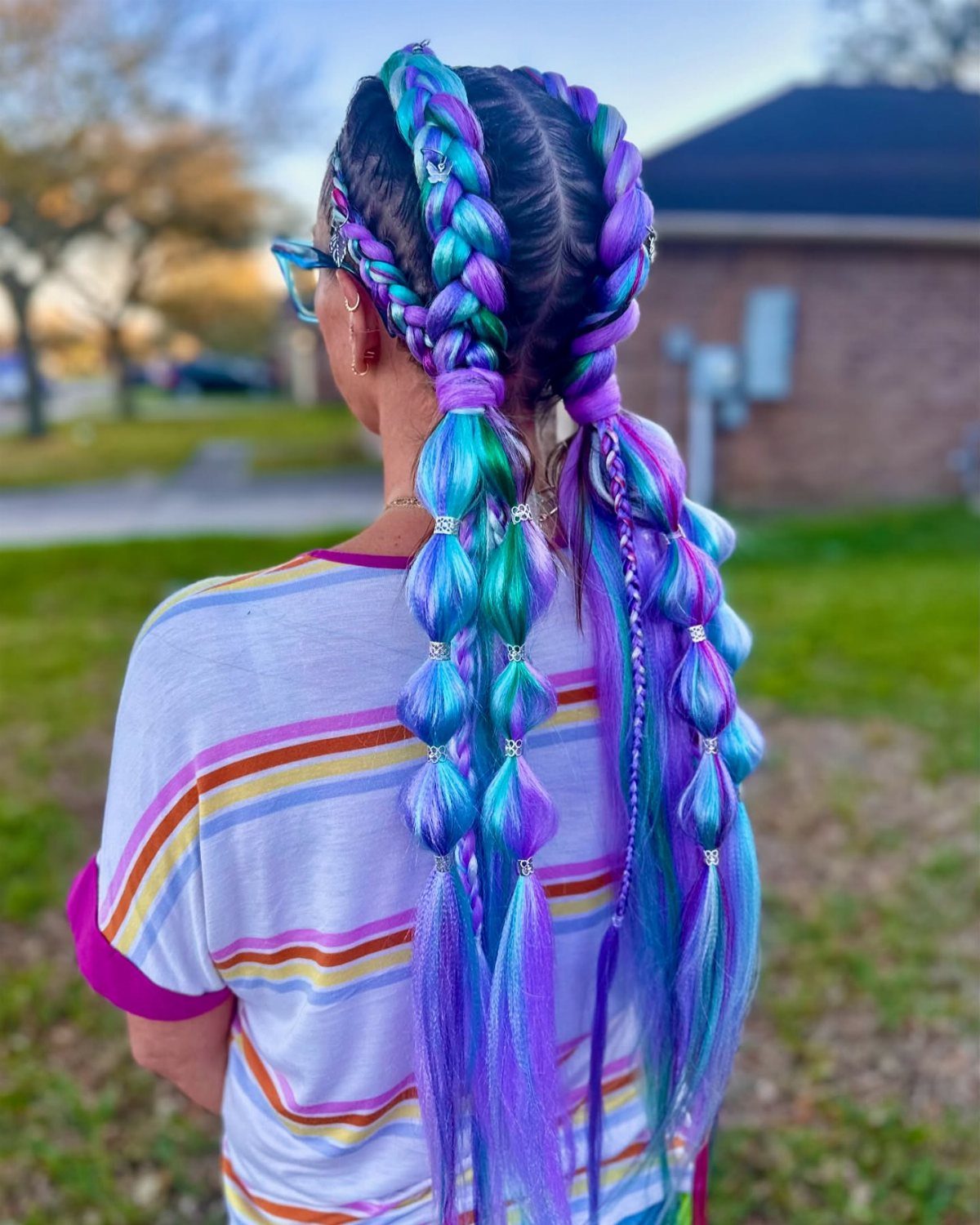
The braids stop partway down, and the rest of the hair flows loose.
This works if you want the hold of braids around your face but don’t want the full weight of extensions all the way down.
The loose hair can be your natural texture or added curls, depending on what you’re starting with.
The turquoise, blue, and purple mix gives the ocean-inspired name its color story. The shades shift as you move, and the loose hair lets the color catch light.
21. Waist-Length Box Braids
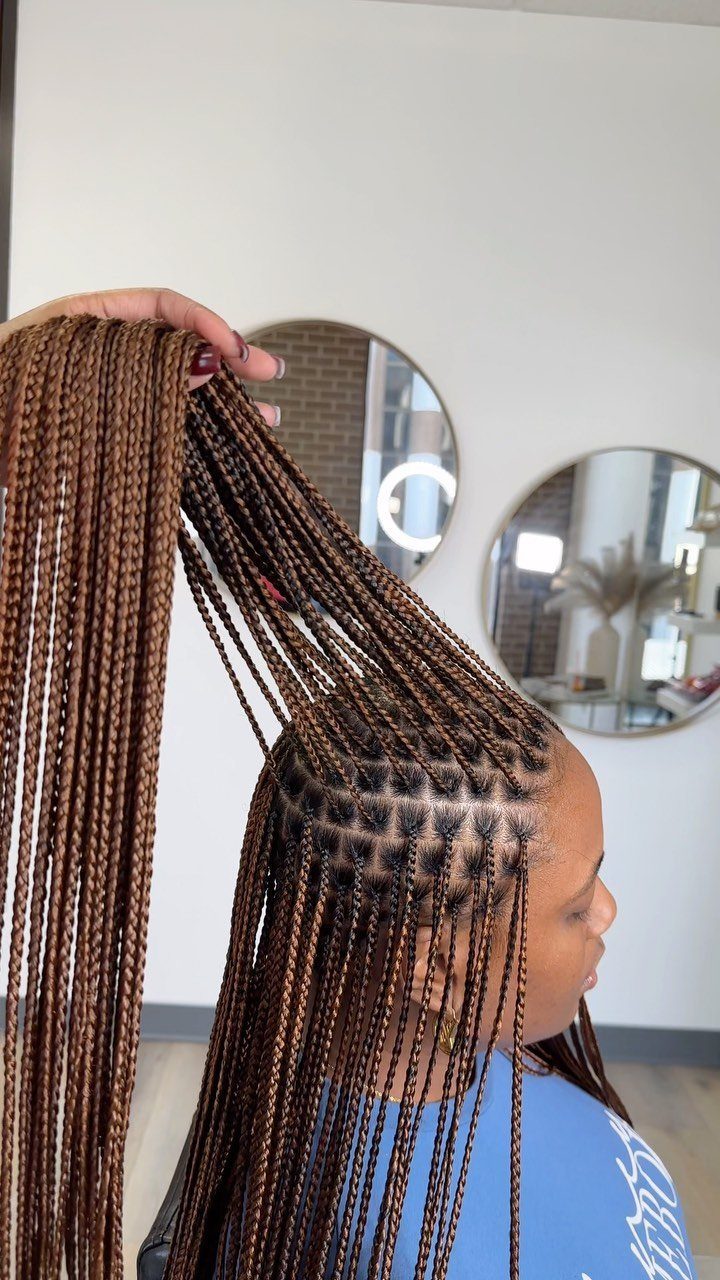
Length past your waist gives full drama. The braids hang long enough to move when you walk, and the weight keeps them from lifting or frizzing as easily as shorter styles.
Installation time goes up with length. Expect to sit longer, and bring snacks.
Brown tones keep the focus on the length itself rather than competing with color. If this is your first time going this long, a neutral shade lets you adjust to the weight without also adjusting to bold color.
22. Box Braid Ponytail
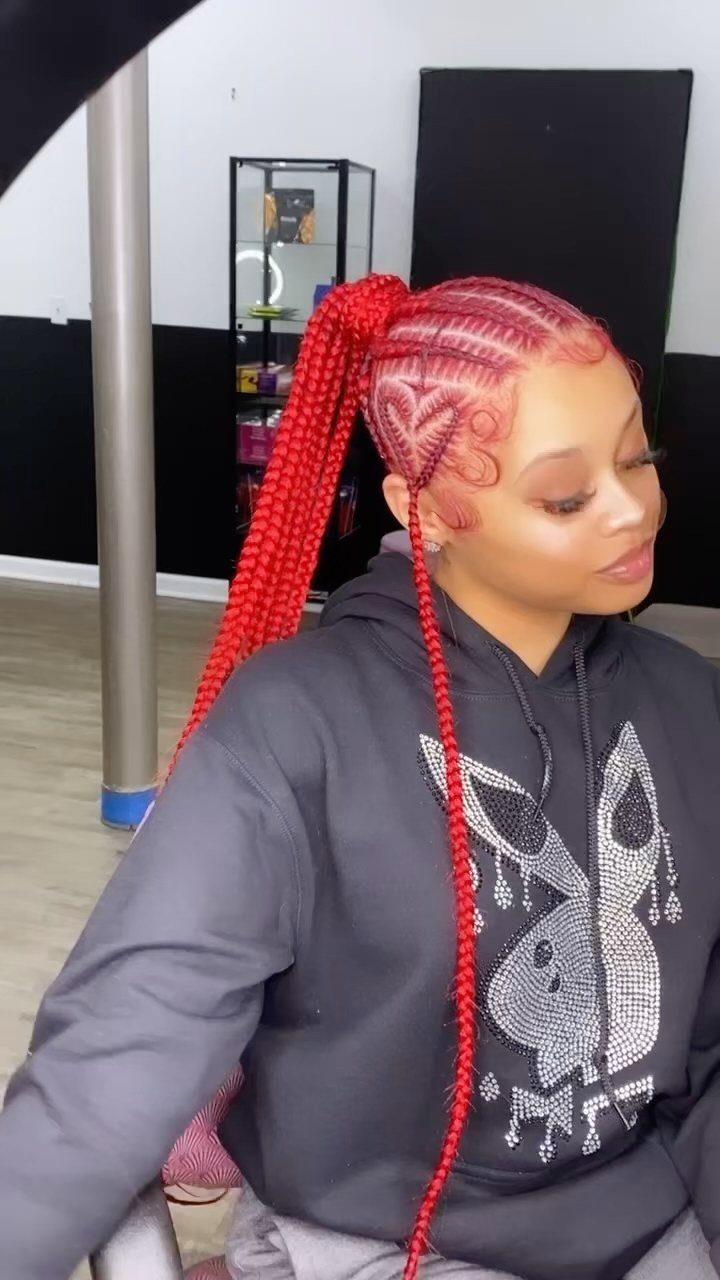
The red makes the style visible from across a room, and the height adds volume at the crown.
This is a good second-day option if your braids are feeling heavy or you want a different shape without redoing anything.
Elastic or a hair tie at the base holds it, and you can adjust how high or loose you want it.
The scalp braids underneath stay visible when the rest is pulled up.
23. Copper Braids
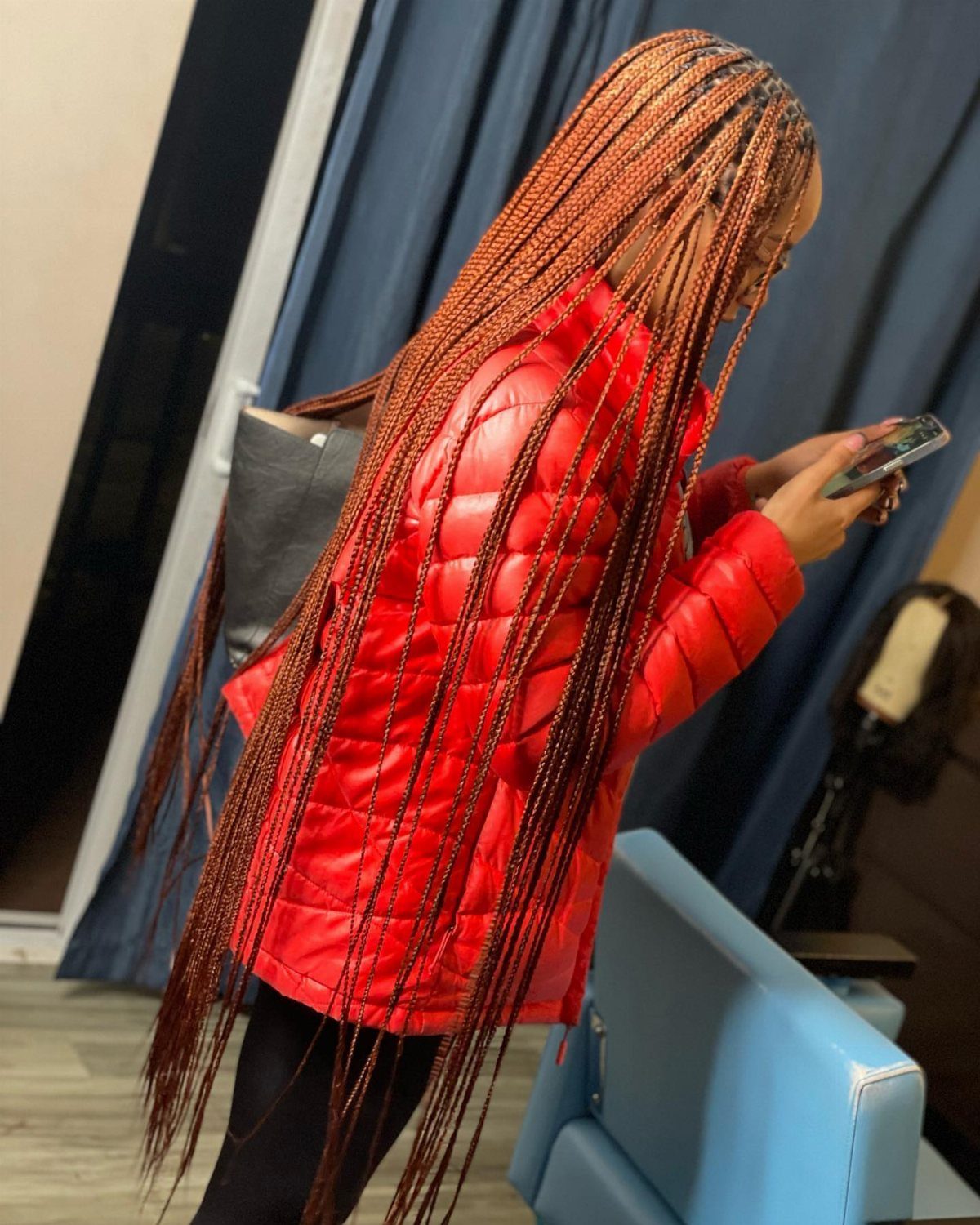
It sits between auburn and true red, pulling orange without going full fire-engine. The tone is metallic and catches light, so the color shifts depending on where you’re standing.
The color holds longer than blonde but fades faster than brown.
Expect the brightness to soften after a few weeks, especially in direct sun. If you want the shine to last, plan to take them down before the color dulls too much.
24. Short Box Braids
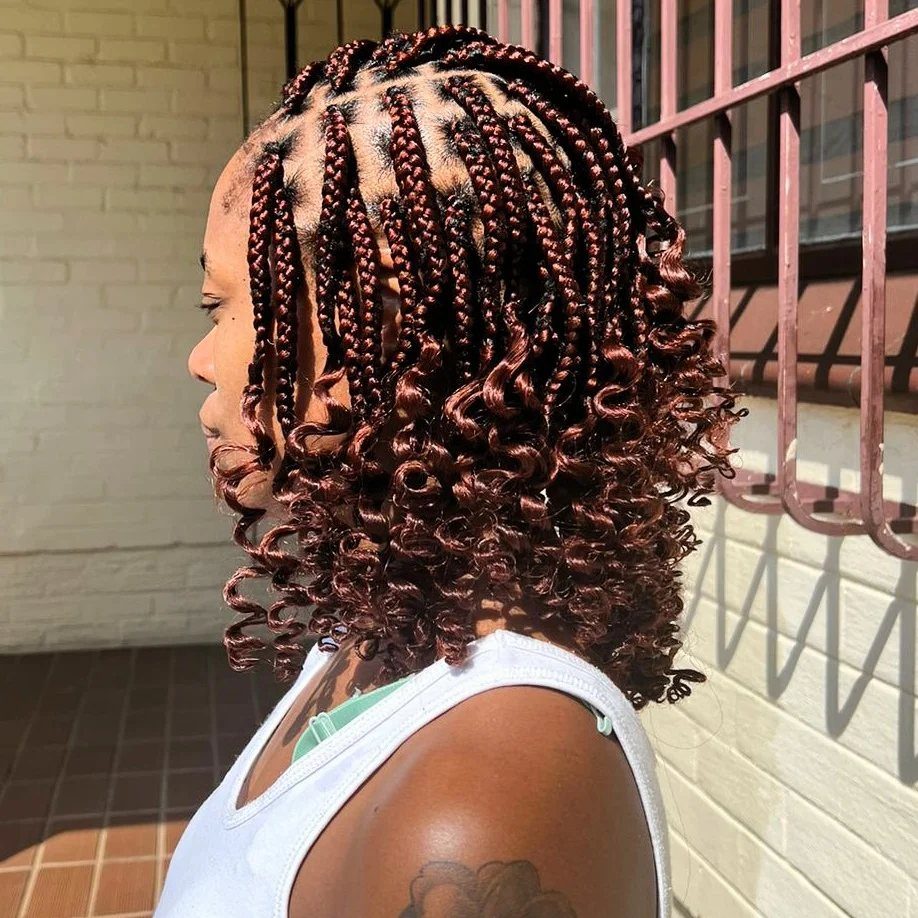
Short braids sit at chin or shoulder length, so you get the structure and protection of braids without the weight of long extensions. The burgundy tone adds warmth, and the curled ends soften the overall shape.
Installation is faster. Fewer inches means less time in the chair, and less hair means lighter tension on your scalp.
This length works if you’re new to braids or prefer styles that sit closer to your head. The curls at the ends add volume and texture, so the shorter length doesn’t feel flat.
25. Thin Box Braids
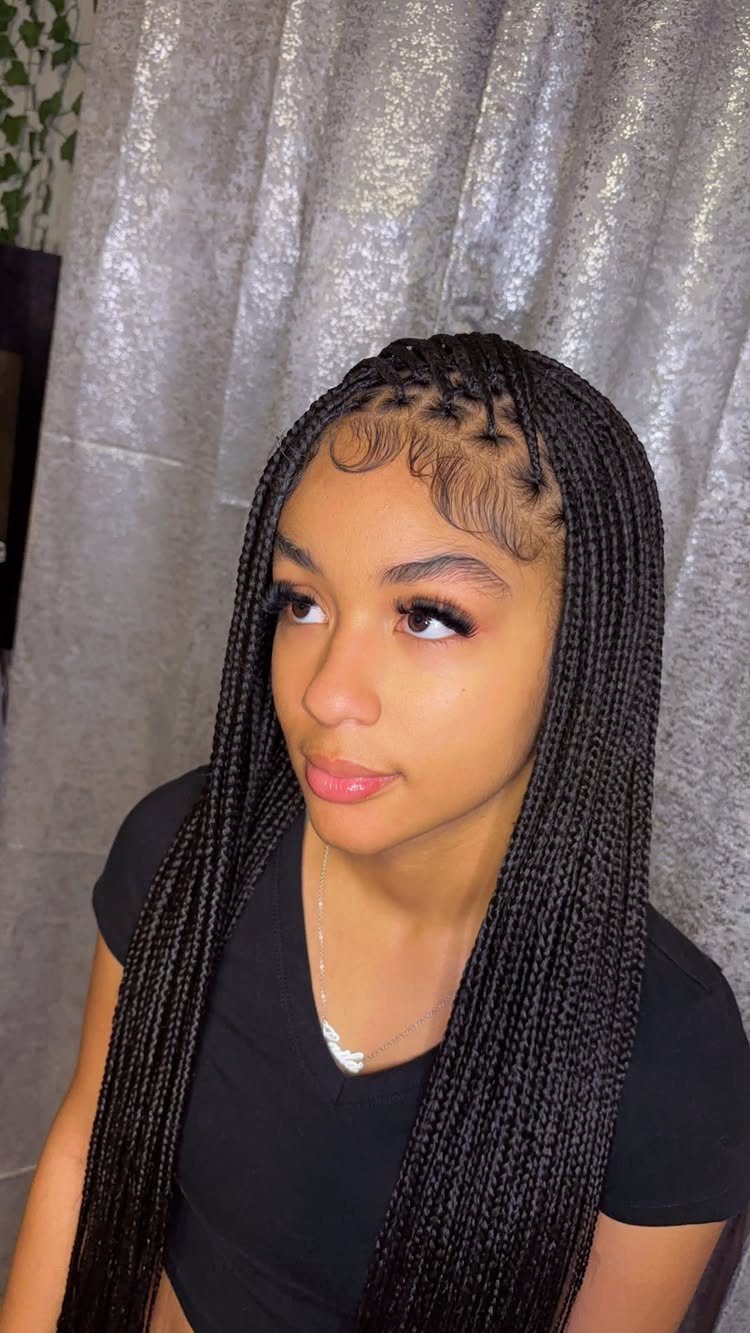
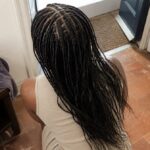
The braids are thin enough that they fall like loose hair rather than sitting as thick, distinct sections. Each one is narrow, so you get more braids overall and a lighter feel at the scalp.
This takes longer to install because you’re sectioning more pieces, but the result is worth it if you want definition without bulk. The thinner the braid, the more natural the movement.
If your edges are fragile, ask your stylist to keep the tension light at the hairline. Thin braids can pull if they’re installed too tight.
26. Gypsy Braids
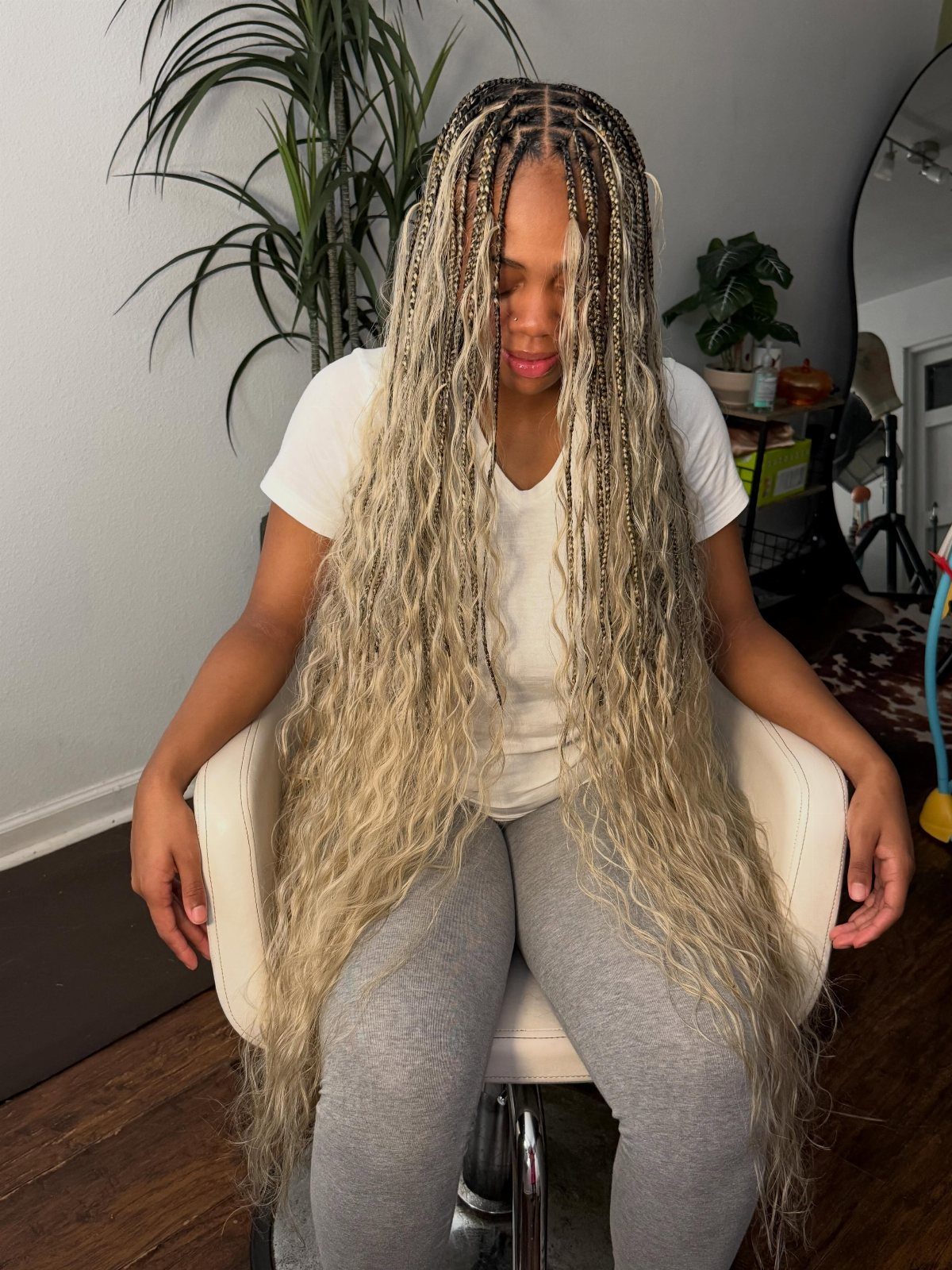
Loose curls are added throughout the length rather than just at the ends, so the braids look fuller and less structured than box braids alone. The curls blend into the braid, giving texture without leaving the braids completely hidden.
The volume is what makes this one work. The curls sit against the tight sections, adding width and movement that standard box braids don’t have.
The curls can be left loose or pulled back, and the braids underneath keep everything secure.
27. Peekaboo Braids
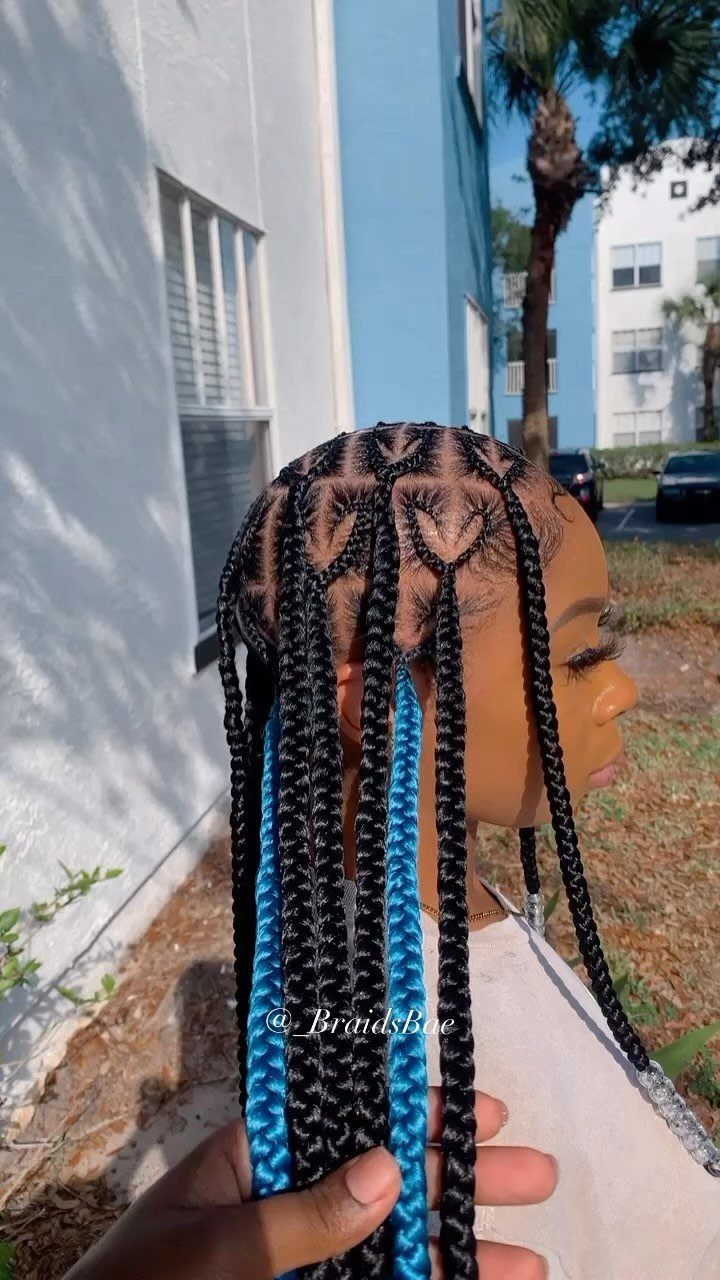
The colored braids sit underneath or scattered through the base color, showing only when the hair moves or gets pulled back. The contrast is there, but it’s not doing all the work.
Blue against black gives sharp contrast without taking over the whole style. The blue reads as an accent rather than the main event.
If you want color but don’t want it front and center all the time, this is the middle ground. The colored braids show when you want them to and stay hidden when you don’t.
28. Small Box Braids
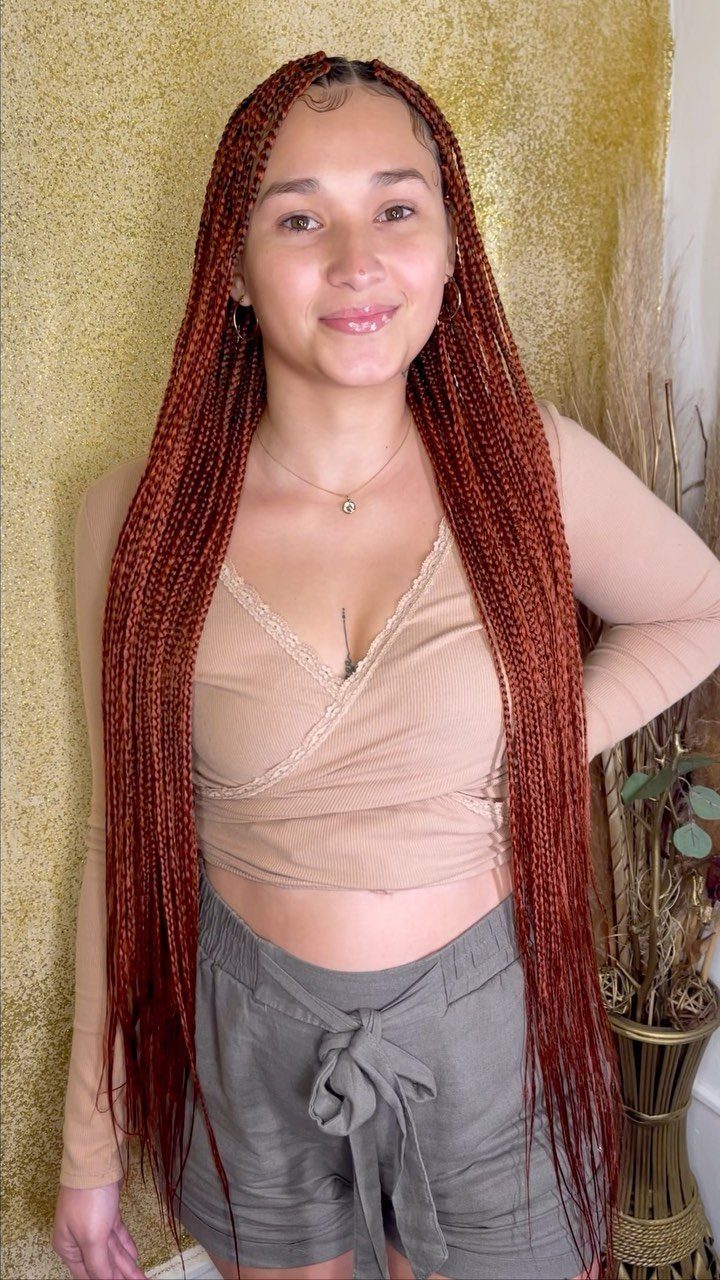
The braids are small enough that the overall style looks intricate rather than chunky. The reddish-brown tone adds warmth without pulling too far into burgundy or copper.
Smaller sections mean more braids, which means longer installation time. You get a detailed finish that holds its shape well and doesn’t feel heavy.
This works if you want braids that feel delicate but still protect your hair. The small size gives you flexibility in styling without losing the structure.
29. Sandy Blonde Braids
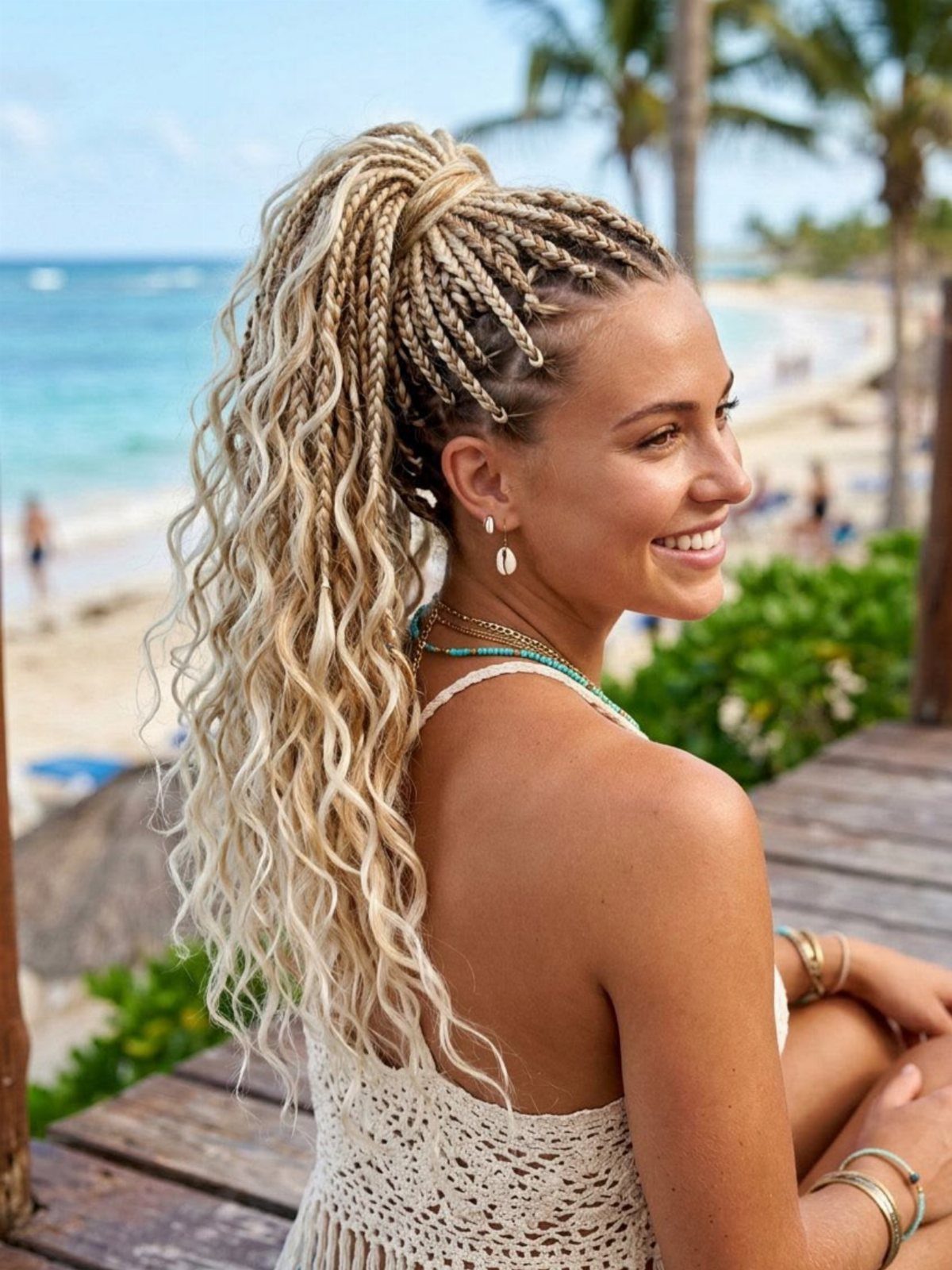
Sandy blonde sits between caramel and true blonde, warm enough to suit deeper skin tones without going too cool or ashy. The shade feels natural rather than starkly light.
This is a good choice if you want blonde without the intensity of platinum or honey. The tone reads soft, and it doesn’t fade as quickly as brighter blondes do.
If you’re trying blonde for the first time, sandy blonde is forgiving. It lifts your overall look without demanding constant upkeep to keep the color fresh.
30. Blonde Streak Braids
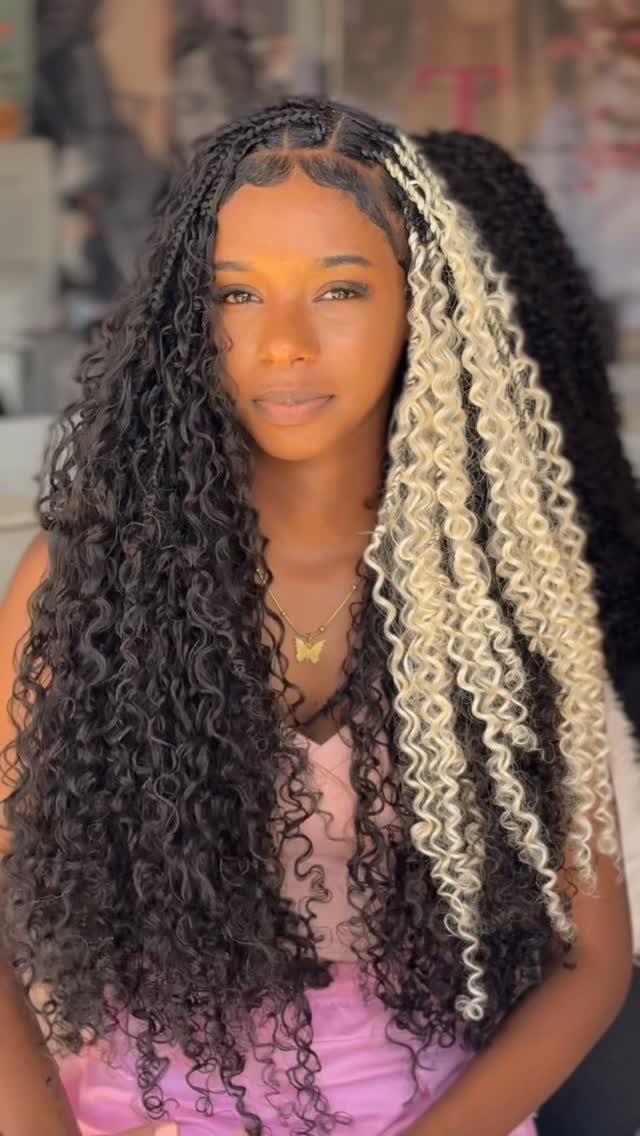
Several blonde braids sit grouped together against the dark base, creating a streak rather than scattered highlights. The blonde section is visible as one intentional block of color.
A streak at the front frames your face and catches light. Further back, it shows when you turn or pull the braids into a ponytail.
This gives you the contrast of highlights without spreading the blonde throughout. The color stays concentrated, so the impact is immediate.
31. Heart Part Braids
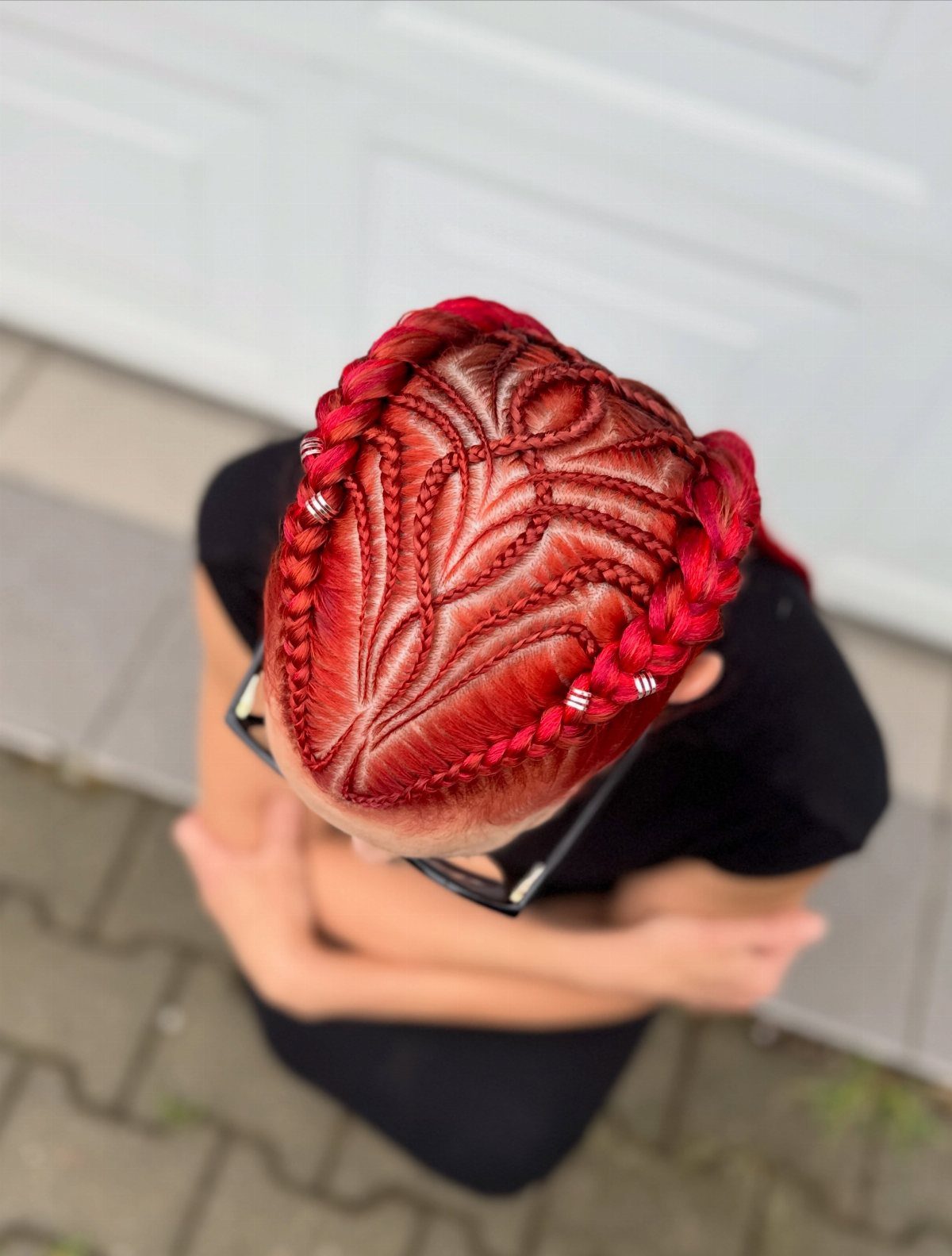
The part is curved into a heart shape before the braids begin, leaving the pattern visible across the scalp. Red braids follow the shape, keeping the heart clear.
This adds detail without changing the braid technique itself. Once the part is mapped, the cornrows are installed as usual, following the curved sections instead of straight lines.
The pattern stays visible as long as the braids are in. If you want the heart to show, keep the braids pulled back or styled up rather than hanging loose over the part.
32. Blonde Money Pieces
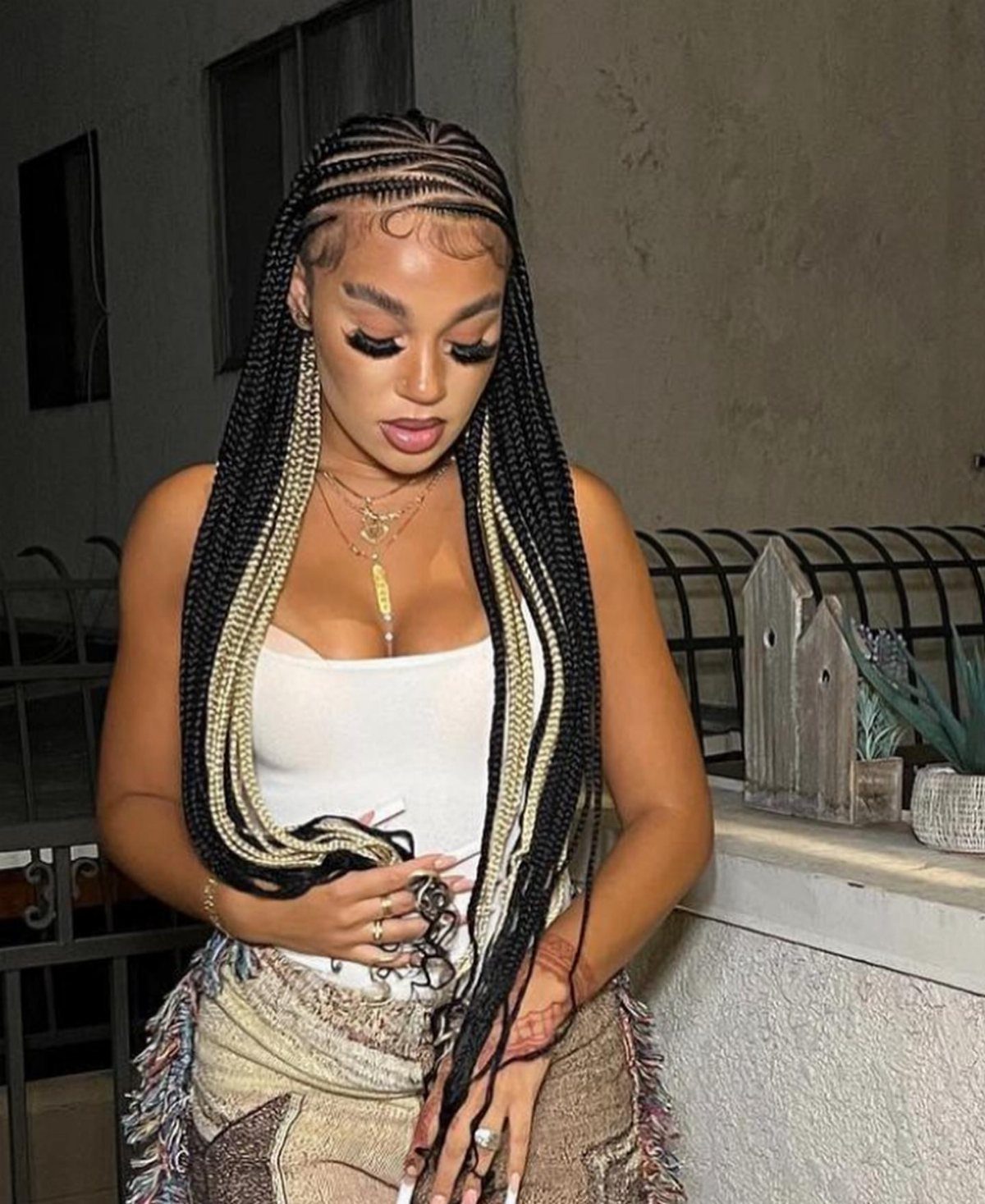
2 blonde sections frame your face while the rest stays dark. The contrast is concentrated at the front, so it lifts your face without spreading blonde throughout the style.
Money pieces work if you want brightness where it matters most but don’t want to commit to full highlights. The blonde sits right at your temples and jawline, catching light every time you turn your head.
This is faster to install than scattered highlights because the color only goes in 2 sections. The dark base keeps the overall look grounded.
33. Blue Ombre Braids
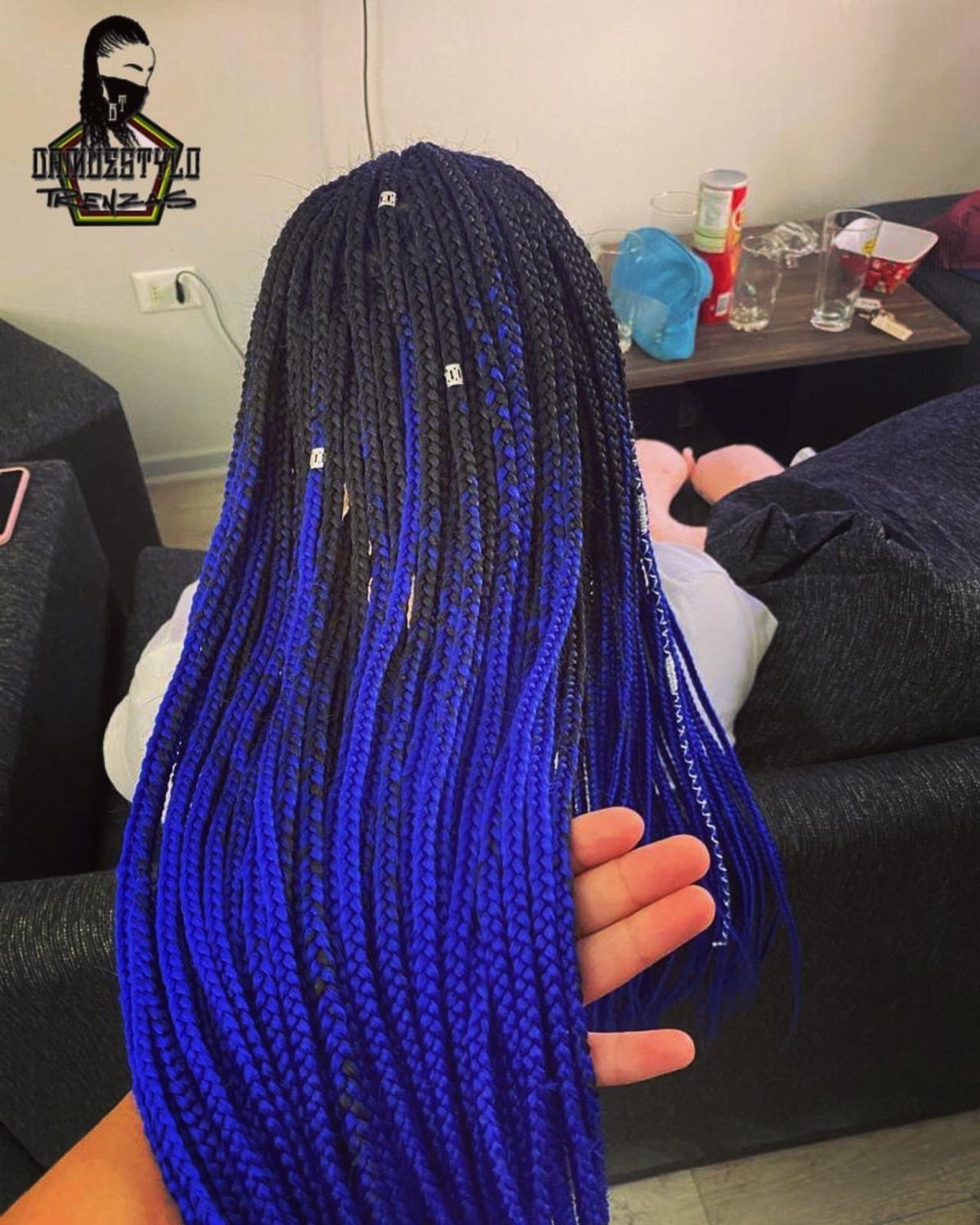
Black braids fade to bright blue at the ends, so the color builds gradually rather than cutting in at one line. The shift starts midway and intensifies as the braid lengthens.
Ombre gives you color without putting it at your roots. The black stays close to your scalp, and the blue takes over where the braid has more swing.
Blue fades faster than neutral tones, so the ends will soften before the black does. Once the color starts looking flat, it’s time to redo them.
Color Fade and Braid Care
Blonde extensions can go brassy or fade dull after a few washes, burgundy drifts copper, and dark brown stays true the longest. UV fades color faster, so a June install will lose brightness sooner than one put in during December.
A neutral tone that mellows gracefully needs almost no upkeep, but a bold contrast shows roots and fading early and you’ll be back in the chair sooner.
Gentle washing slows the fade.
Use diluted shampoo, avoid hot water, and keep heat styling low. For goddess braids, a satin bonnet or pillowcase reduces friction overnight.
Moisturize the scalp lightly between washes. Satin protection and limited sun exposure help preserve the color through the full install.
Choose Color by Undertone
Undertone is what makes a color look right on you instead of just sitting there. Warm undertones suit honey blonde, caramel, copper, and golden brown.
Cool undertones suit burgundy, cool browns, and ash shades. Neutral undertones can wear most shades without clashing.
Quick check: if gold jewelry looks better on you than silver, you’re warm; if silver wins, you’re cool.
A more reliable check is holding a physical swatch near your face in daylight. Photos and screens shift color, so a screen preview alone can mislead.
Auburn, caramel, and honey shades work on warm or golden skin. Deep skin tones handle most colors well, including burgundy and 613 accents, especially when the roots stay dark.
Braiding Size and Installation
One match breaks easily, several resist more pressure. The same applies to hair: less of your own hair per braid means more strain on each follicle.
Use the minimum tension needed to keep thin braids secure.
Jumbo braids take less installation time but can be harder to wash thoroughly.
Long braids, regardless of thickness, can interfere with daily tasks and feel uncomfortable to sleep in. Small box braids sit lighter in updos, ponytails, or worn loose.
Frequently Asked Questions
What is the best color for braids?
Your undertone, the look you’re after, and how often you can touch up roots will point you toward the right shade.
Browns are the easiest to maintain because they don’t fade and blend with regrowth, honey blonde adds warmth without bleach, and burgundy or copper makes a bolder statement that holds longer than bright reds.
How to maintain goddess braids?
Sleep in a silk or satin bonnet and swap your cotton pillowcase for silk to keep frizz down.
Moisturize your scalp lightly 2 to 3 times a week, and cleanse gently with diluted shampoo when needed. After getting wet, detangle the curly ends to keep them from frizzing.
Are goddess braids good for your hair?
Yes, goddess braids are a protective style that keeps your natural hair tucked away from daily manipulation and the elements. They can usually be worn for 4 to 8 weeks, giving your hair a break from heat and styling.