The styles here range from a single Jumbo Crown Braid to full-length Box Braids, with Lemonade Braids, Knotless Braids and cornrows finished in loose curls in between.
How many hours you can spend in the chair and how long you want the style to last settle the choice. Most braids should come out within 6–8 weeks, and anything waist-length or heavy needs to go by 4 weeks.
1. Box Braids
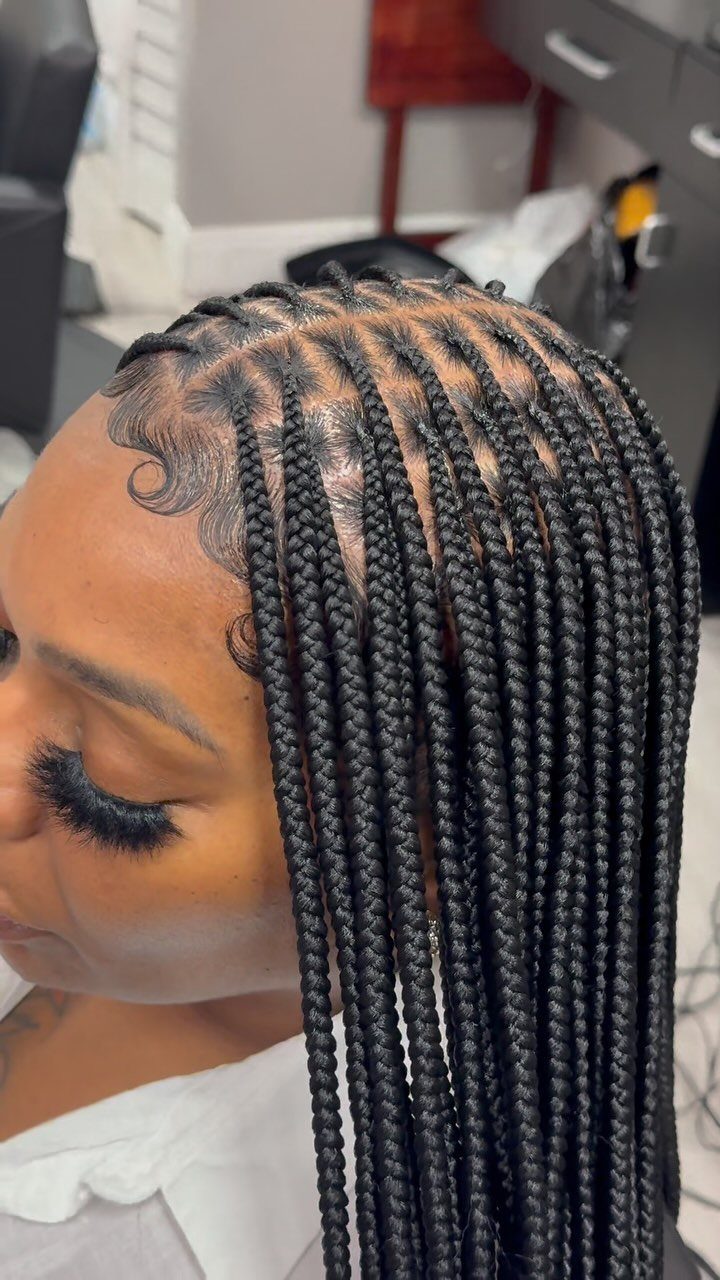
Each braid grows from its own square section of scalp, and that grid is what you ask a stylist for by name. Neat, even parts make the whole style look finished, so check them before the first braid goes in.
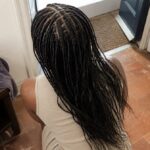
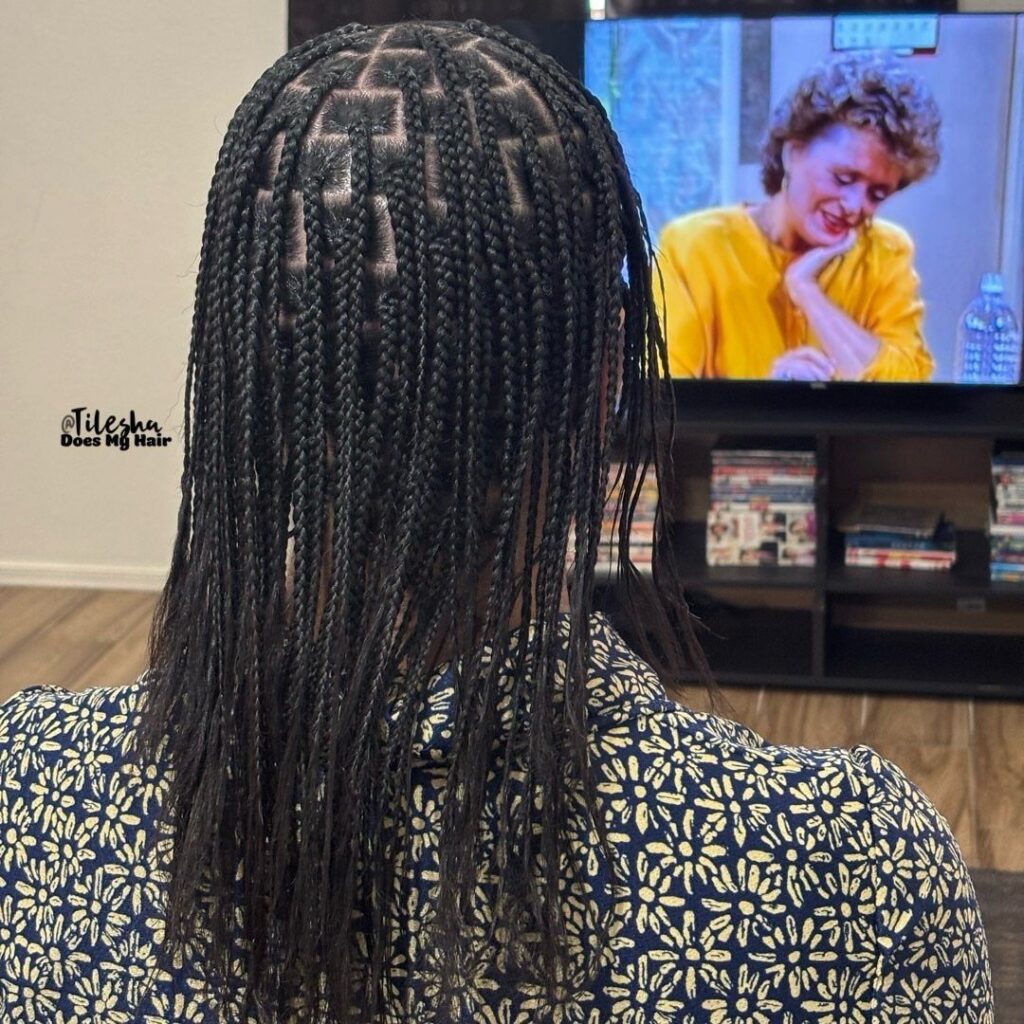
Long box braids like these suit natural hair that you want tucked away in a style with a clear, graphic structure.
I like them with the edges kept smooth and styled, as they are here, since the squares then read as a deliberate pattern.
2. Cornrows
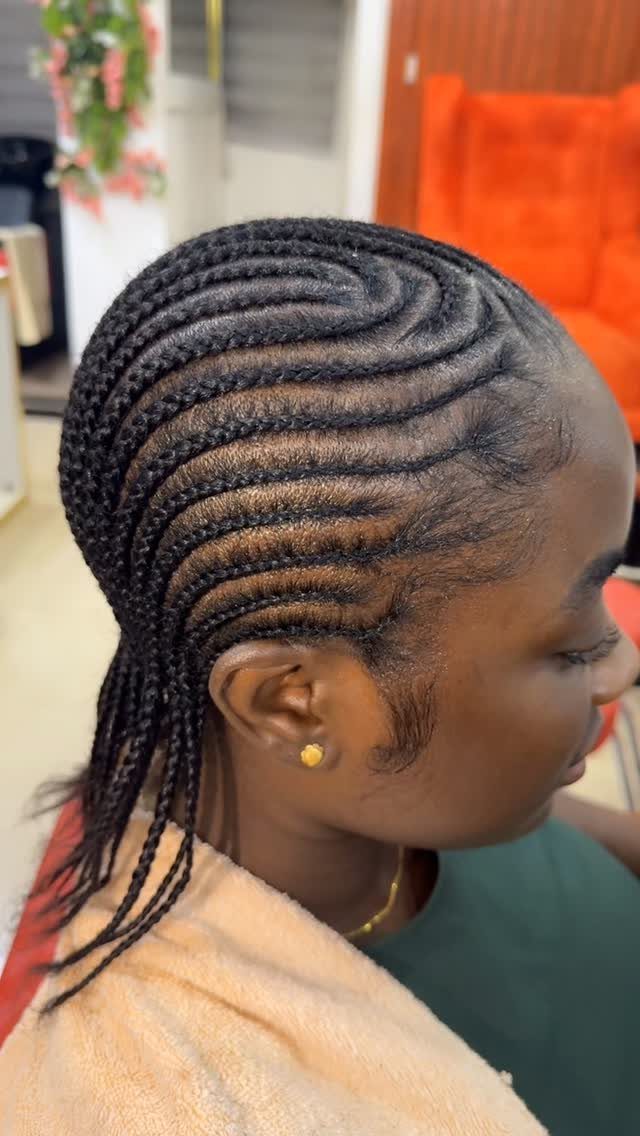
Flat to the scalp and curved in rows, cornrows are the simplest braid to describe and one of the hardest to do evenly on yourself. If you’re a beginner, book a stylist first and learn the pattern by watching.
Curved rows like these take more planning than straight ones, so bring a photo and say which direction you want them to sweep. Natural hair braids best when it’s stretched and moisturized beforehand.
The rows hang freely at the back, which keeps the style light.
3. Jumbo Cornrows
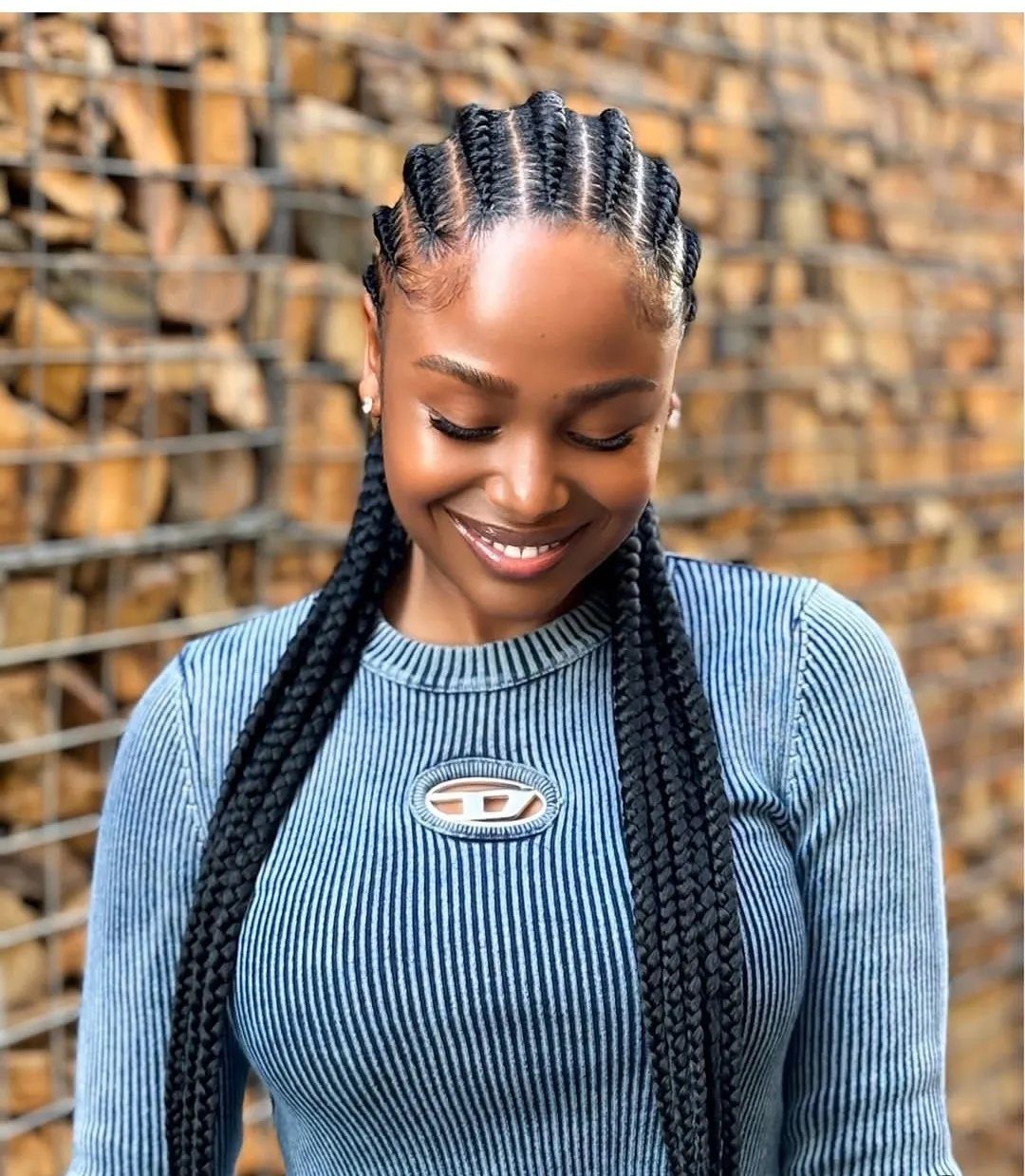
Fewer, larger rows make jumbo cornrows the boldest version of the classic, and the size is the whole statement. Ask for "jumbo" outright, because a stylist may otherwise default to a smaller size.
Because the rows are big, they can be gathered up into an updo when you want a break from the length hanging down.
I’d choose this for a strong look without much fuss, though each braid carries more visual weight, so any unevenness shows more than it would on small rows.
4. Side Cornrows with Curls
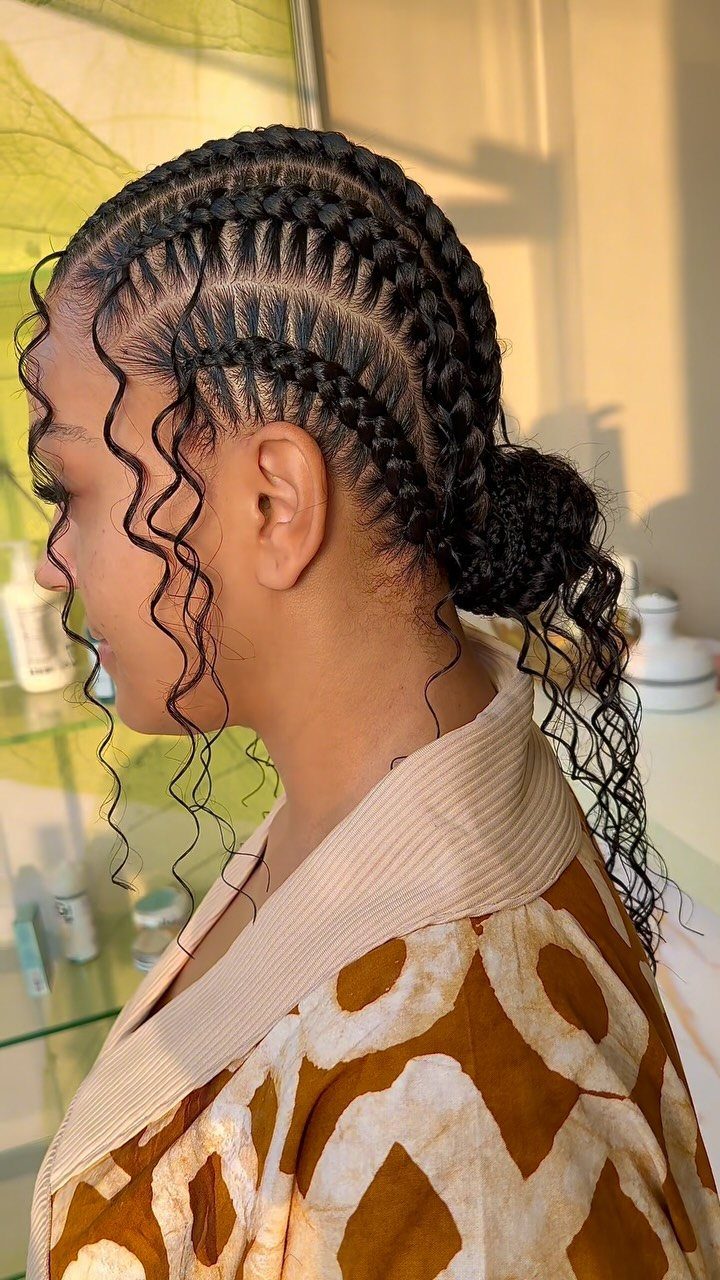
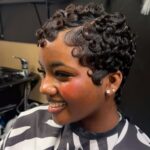
Small cornrows along the sides, with loose curls left to fall around the face and nape, give you a braid style that still looks soft.
If you want protection without covering every strand in a tight pattern, this mix appeals to me most.
Curls are the part that needs daily attention, since they sit outside the braids. Keep the braided sections tidy and let the curls carry the movement.
Show your stylist exactly where the cornrows stop and the curls begin.
5. Jumbo Cornrows with Curls
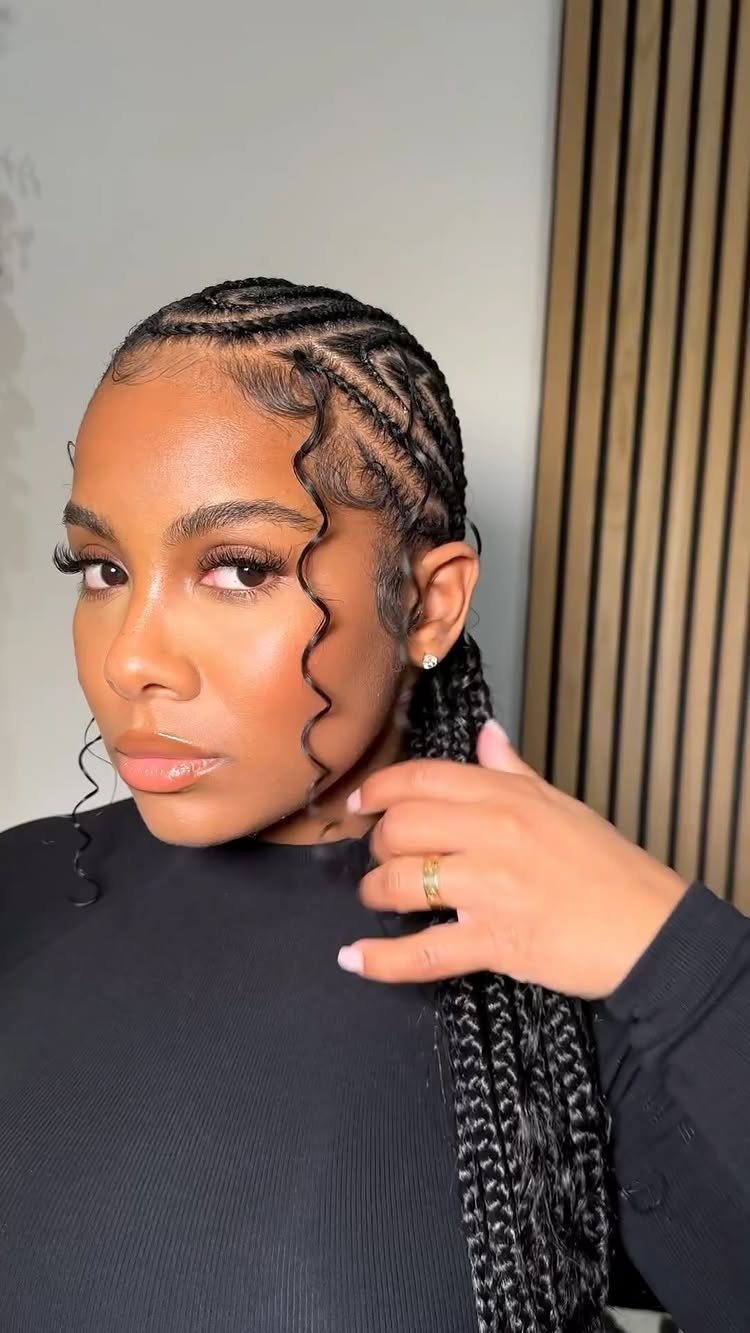
The shine is what I’d point to when asking for this look: say "glossy jumbo cornrows" and describe the curls separately so both get planned.
Long braids carry on from the rows, while the curls add a lighter finish at the ends and around the face.
Curls can be a later add-on if you aren’t sure. Start with the jumbo rows and see how they feel first.
6. Lemonade Braids
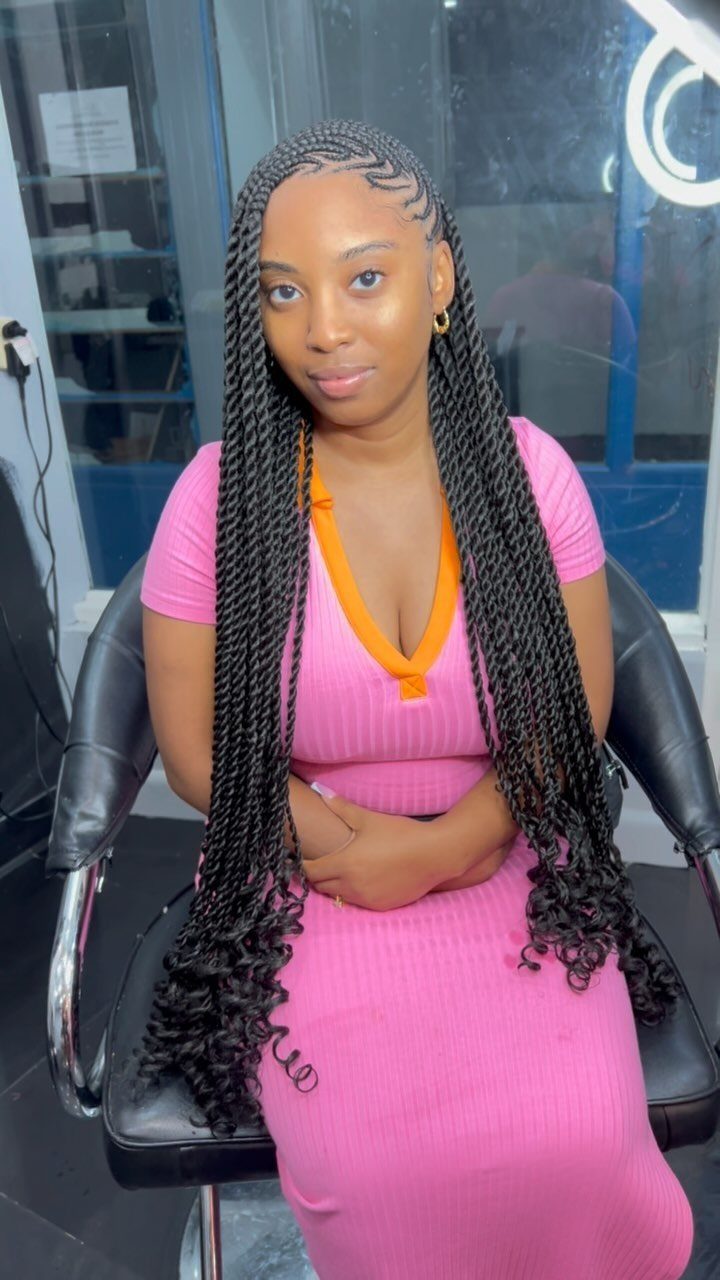
Lemonade braids are cornrows that all sweep toward one side, and the sideways direction is what gives them the drama. When you book, name the style and say which side you want them to fall.
Long braids swept over one shoulder suit anyone wanting a dramatic look that frames the face asymmetrically. The sweep means the part and the rows have to be planned together, so a photo helps far more than a description.
I like them best long, with the flow left uninterrupted.
7. Braided Bun
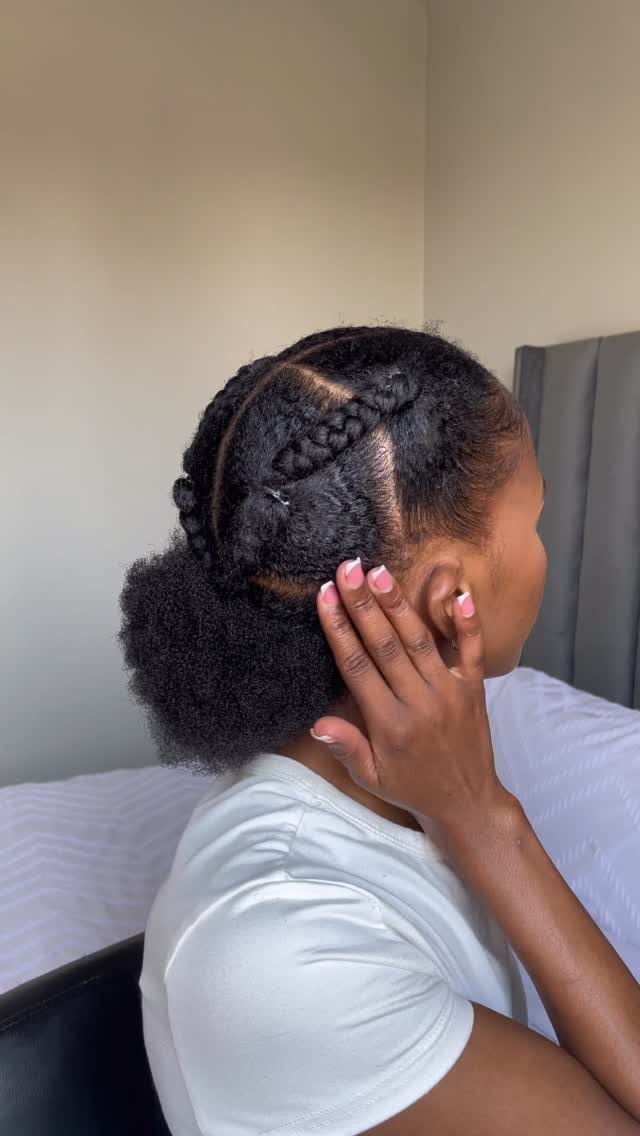
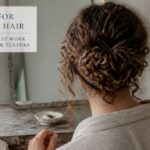
Braids gathered at the back into a bun keep all the length off your neck and show the shape of your head, as this side view does. I like it for days when hanging braids feel like too much.
Bring the photo and say where you want the bun to sit. Placement changes the whole look.
8. Braided Double Buns
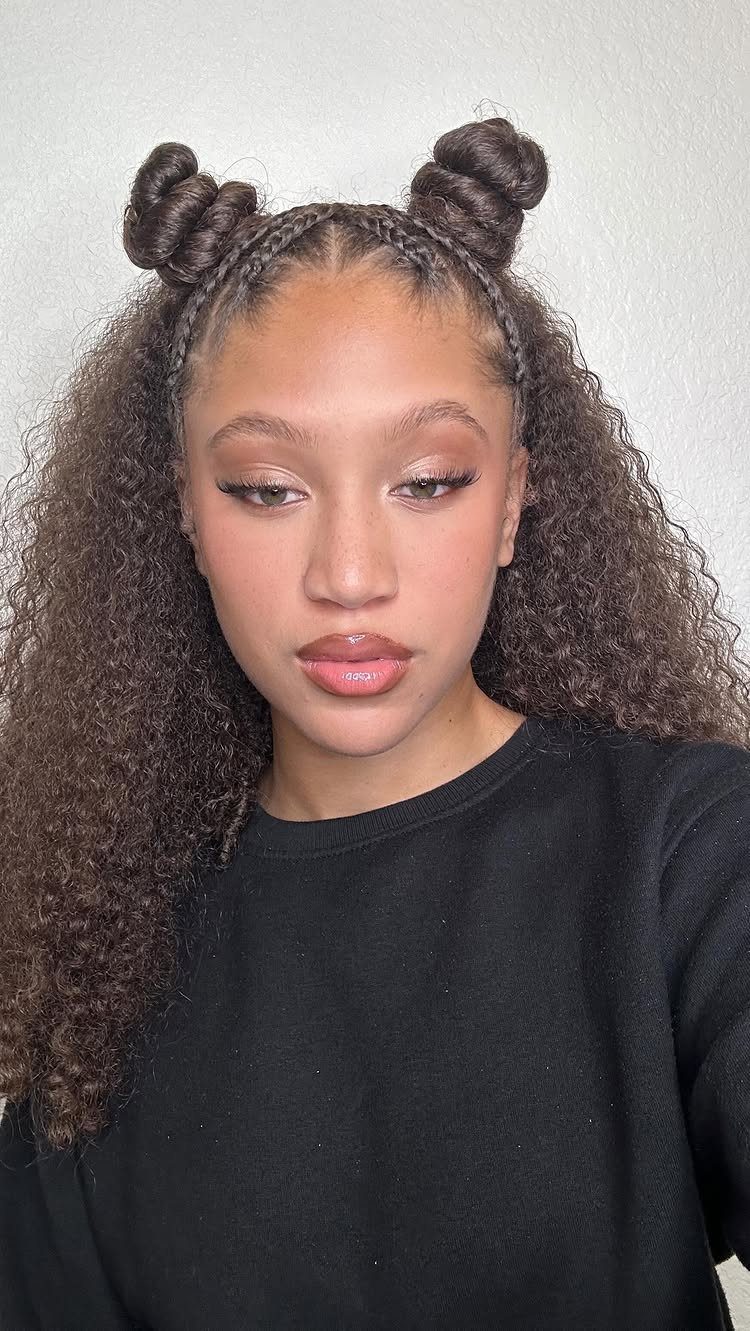
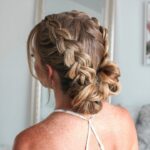
2 buns on top with the curls left loose below split the style into a wrapped part and a free part. I’d ask for the buns to be placed evenly, since symmetry makes a pair look intentional.
Tell your stylist how much hair goes into the buns and how much stays out. That ratio decides whether the style reads as braided or as curly.
9. Knotless Braids
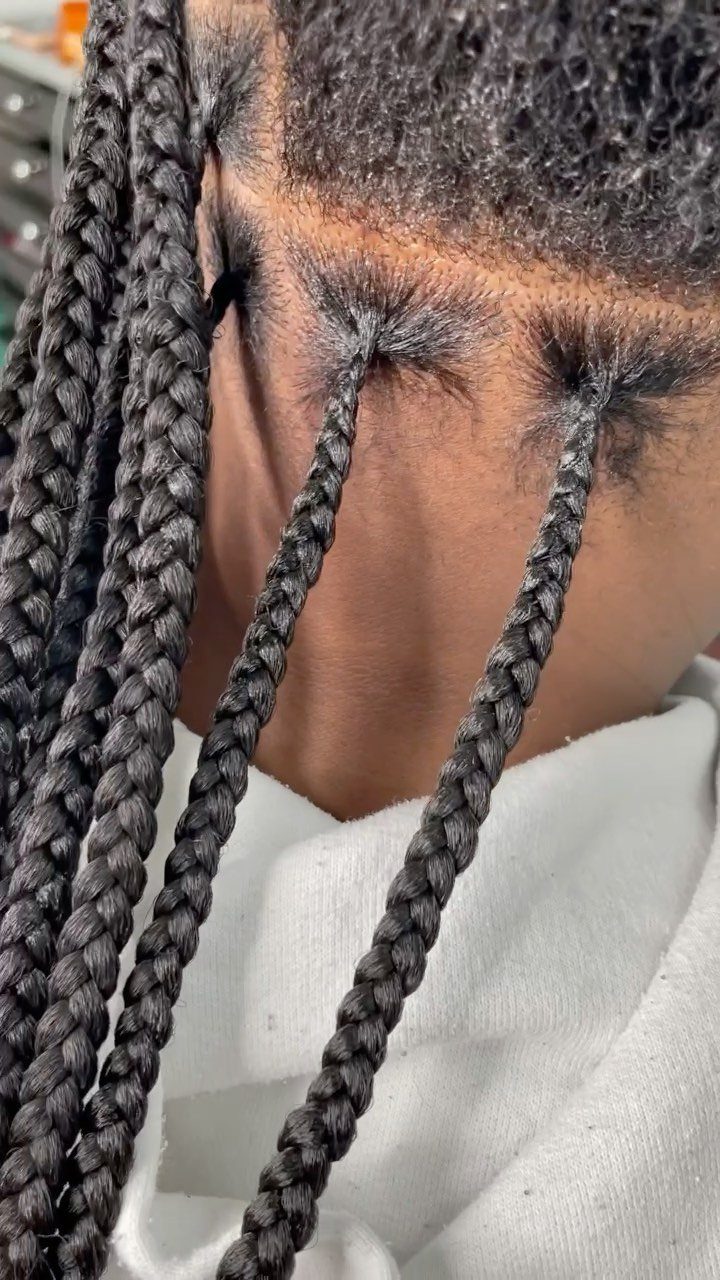
No knot sits at the scalp in knotless braids. Braiding hair is added a little at a time instead, which gives a flatter start and a lighter feel than a knotted one.
Use the name when you book, because it tells a stylist the method as well as the look.
Knotless braids are my pick when a neat, flat line along the hairline matters most, since the extension hair is fed in gradually instead of starting from a knot.
10. Fulani Braids
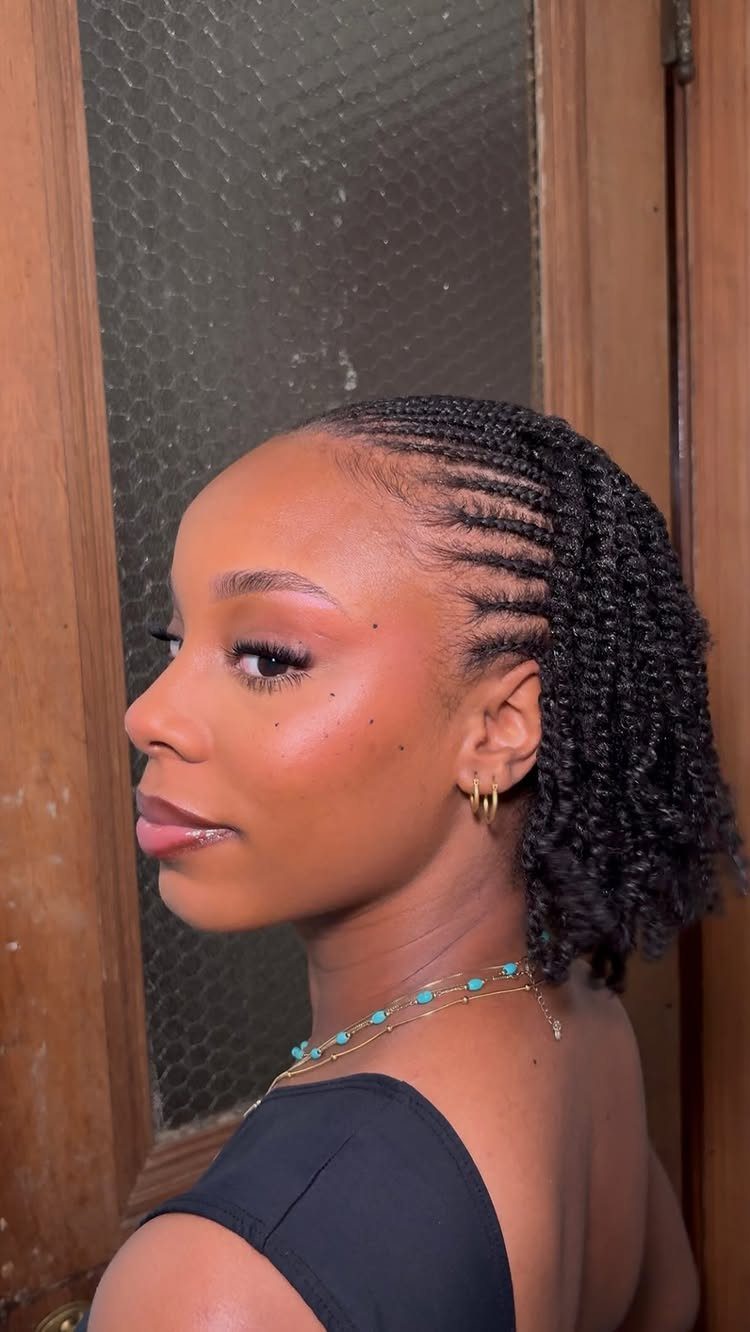
Cornrows up front and loose braids behind: that split is what makes a style Fulani. Point to where the rows end and the loose braids begin.
If chair time is your limit, that’s a real reason to pick it.
11. Feed-in Braids
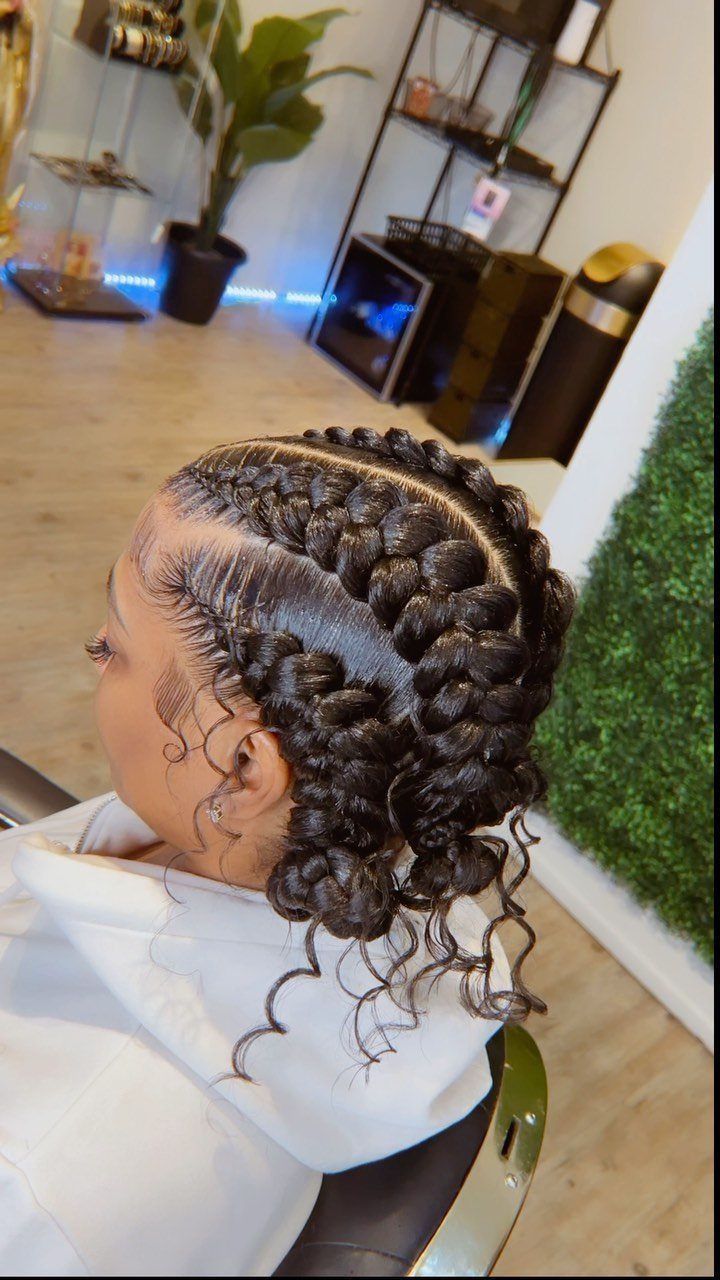
The name describes the method: extension hair is fed in gradually as the braid is made, so the line from your own hair to the added length looks smooth. Ask for "feed-in" outright.
Curled ends soften the finish of feed-in braids, and I like that touch because it takes away the blunt look of a straight tip. Treat them as a separate choice, since the braids work without them.
12. Braided High Puff
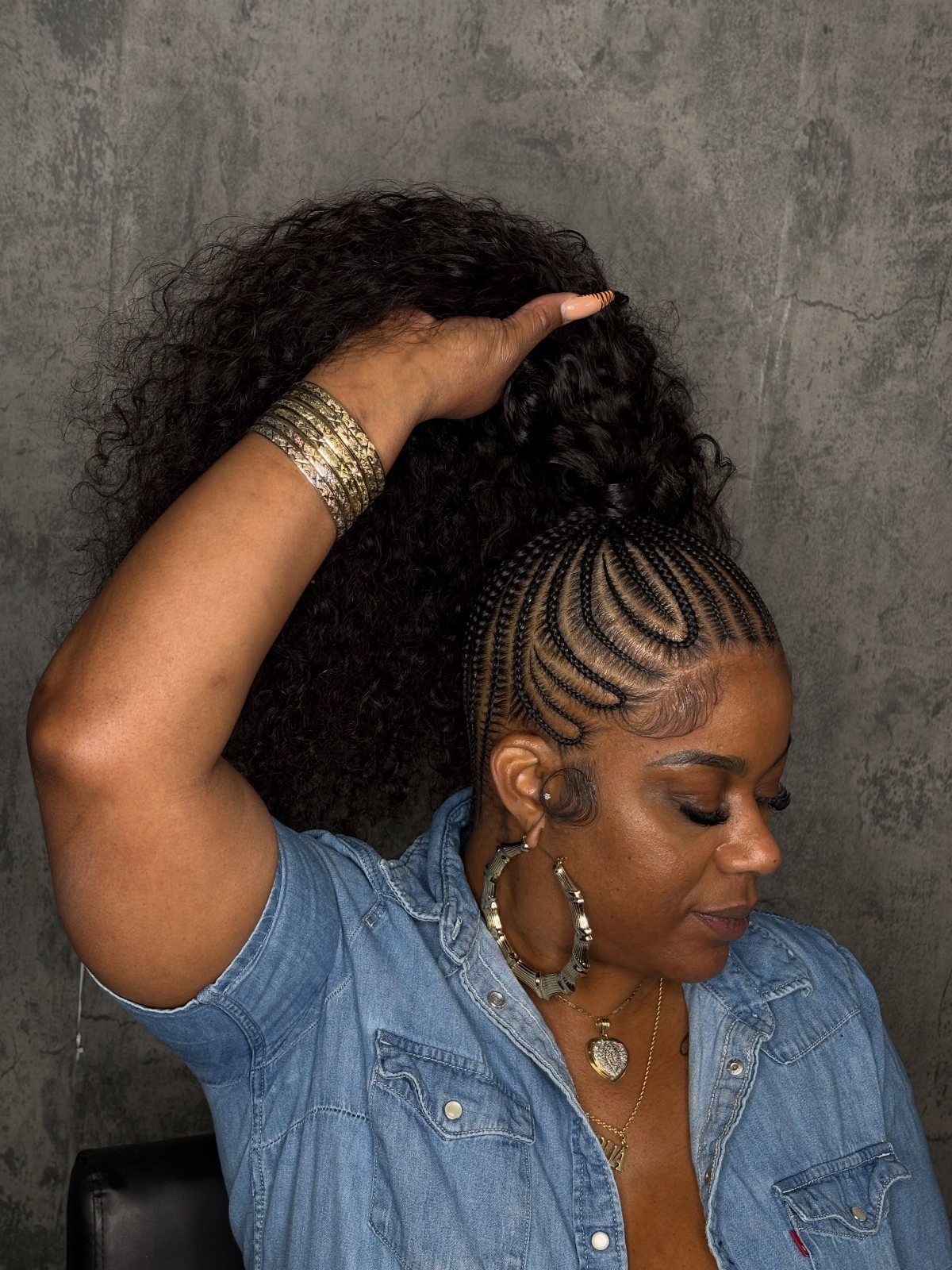
A high puff over braided rows gives you two textures in one style: neat, flat rows below and loose, full curls on top. Small braids at the top join the natural hair in the puff.
Tell your stylist how high the puff should sit and where the braids should lead into it. I’d keep the puff full, because it balances the tight rows below.
13. Pigtail Braids
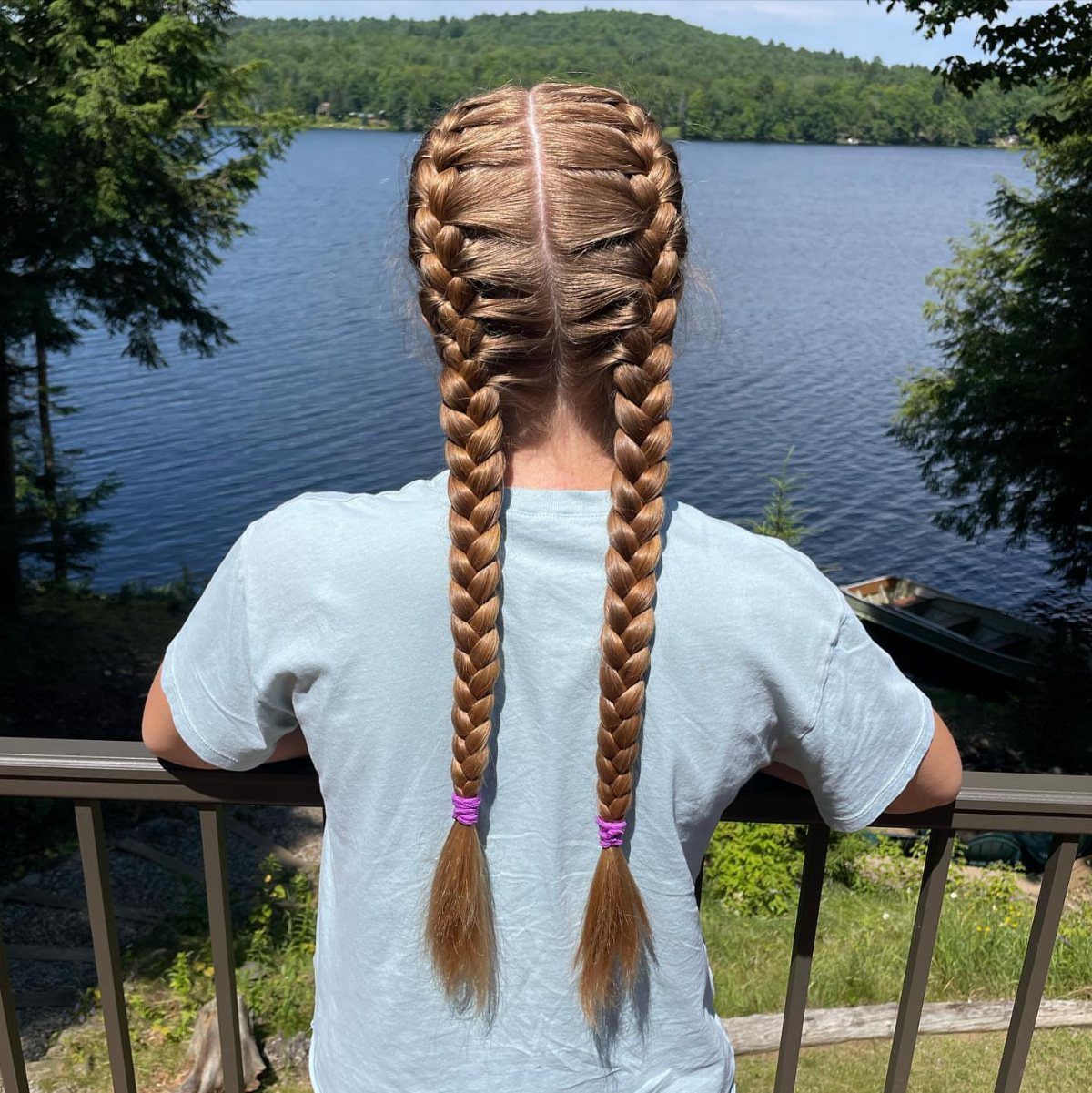
Two braids worn as pigtails, one on each side, make a style anyone can name in a single word. Ask for them parted down the middle, and say whether you want them hanging low or set higher near the ears.
Even length and matching thickness are what make a pair look right, so compare the 2 sides in a mirror before you leave the chair. I’d pick this for a simple, low-effort day.
14. Jumbo Crown Braid
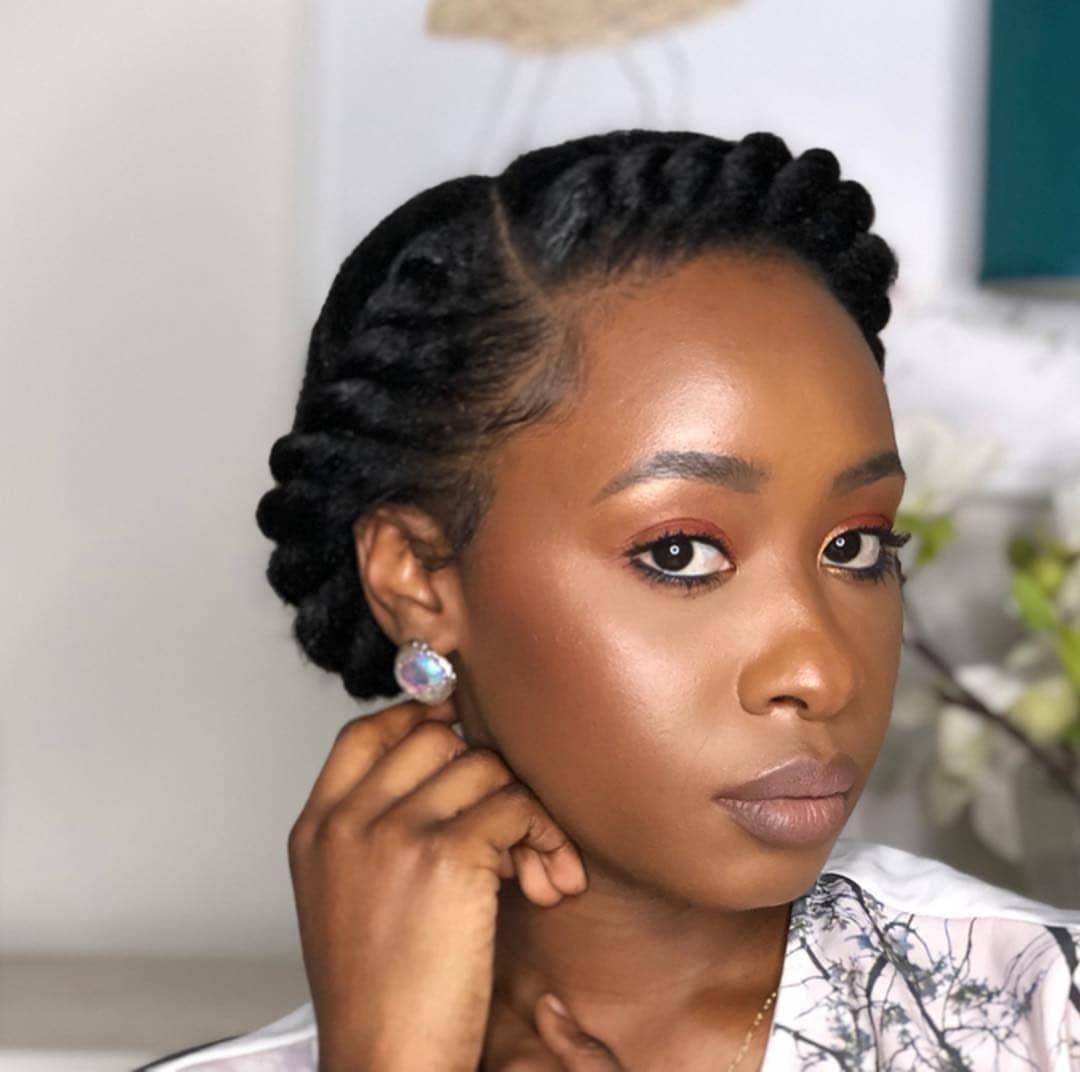
One thick braid circling the head and pinned in place gives you a crown, and the pinning is what keeps it from sliding.
Ask for "jumbo crown braid" so the stylist plans for a single large braid instead of several small ones.
I like it for its clean outline, which frames the face without any loose pieces. Tell your stylist where the braid should sit, higher on the head or closer to the hairline.
Wear earrings, since an uncluttered braid shows them off.
15. Faux Hawk Braid
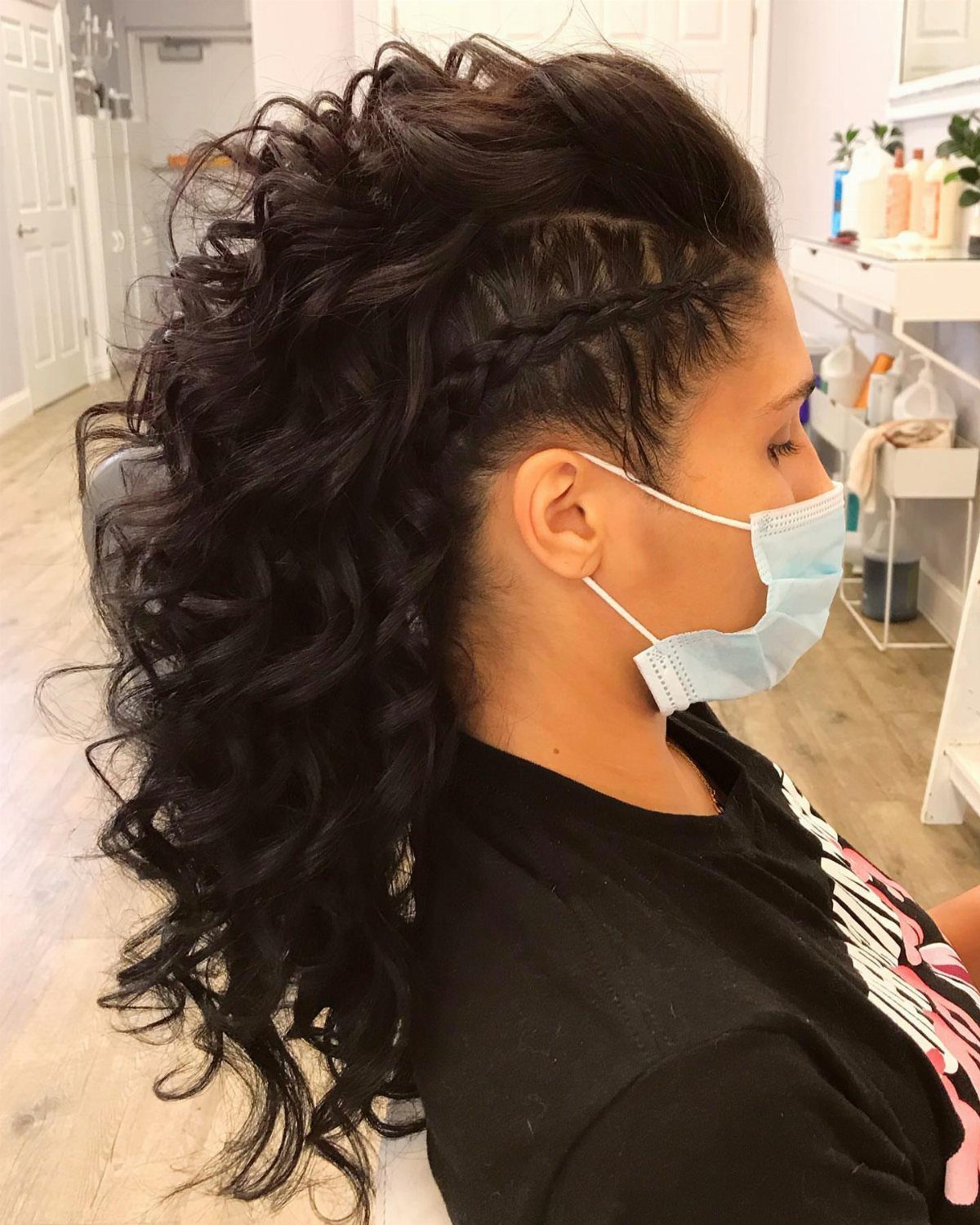
A faux hawk braid raises the center into a ridge while the sides stay flatter, with small braids running along them. The curls on top supply the volume, so tell your stylist you want that fullness kept and not flattened.
Bring a photo and point to where the ridge starts and ends, because the shape depends on that line. I’d choose this for a bolder look that still keeps hair off your face.
If you wear curls, plan to refresh them as the days go on.
16. Side-swept French Braid
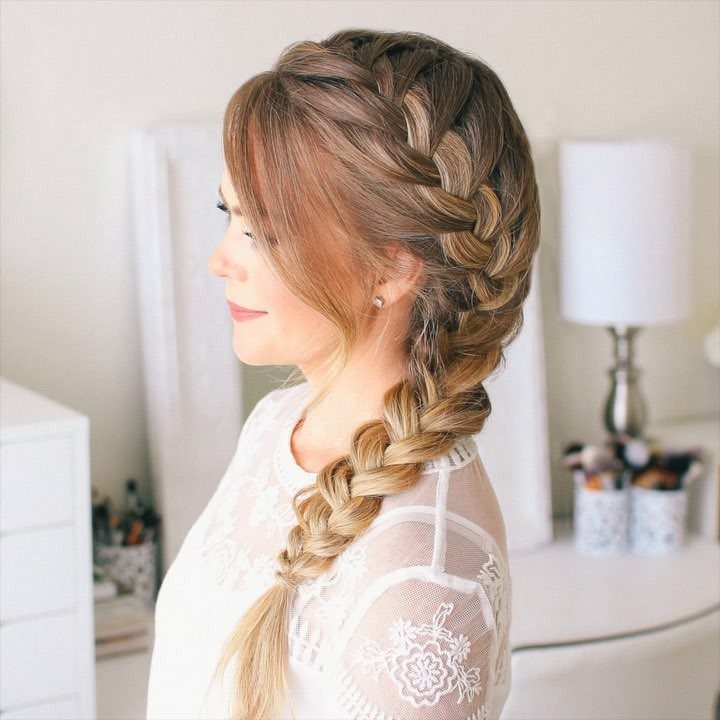
Sweeping a French braid to one side lets it rest over a shoulder, thick and visible from the front. Name both parts when you ask: "French braid" for the method, "side-swept" for where it lands.
Say which shoulder you want it on. I like this one for anyone who wants a single clean braid, with no extra pieces to manage.
17. Mixed-texture Braids
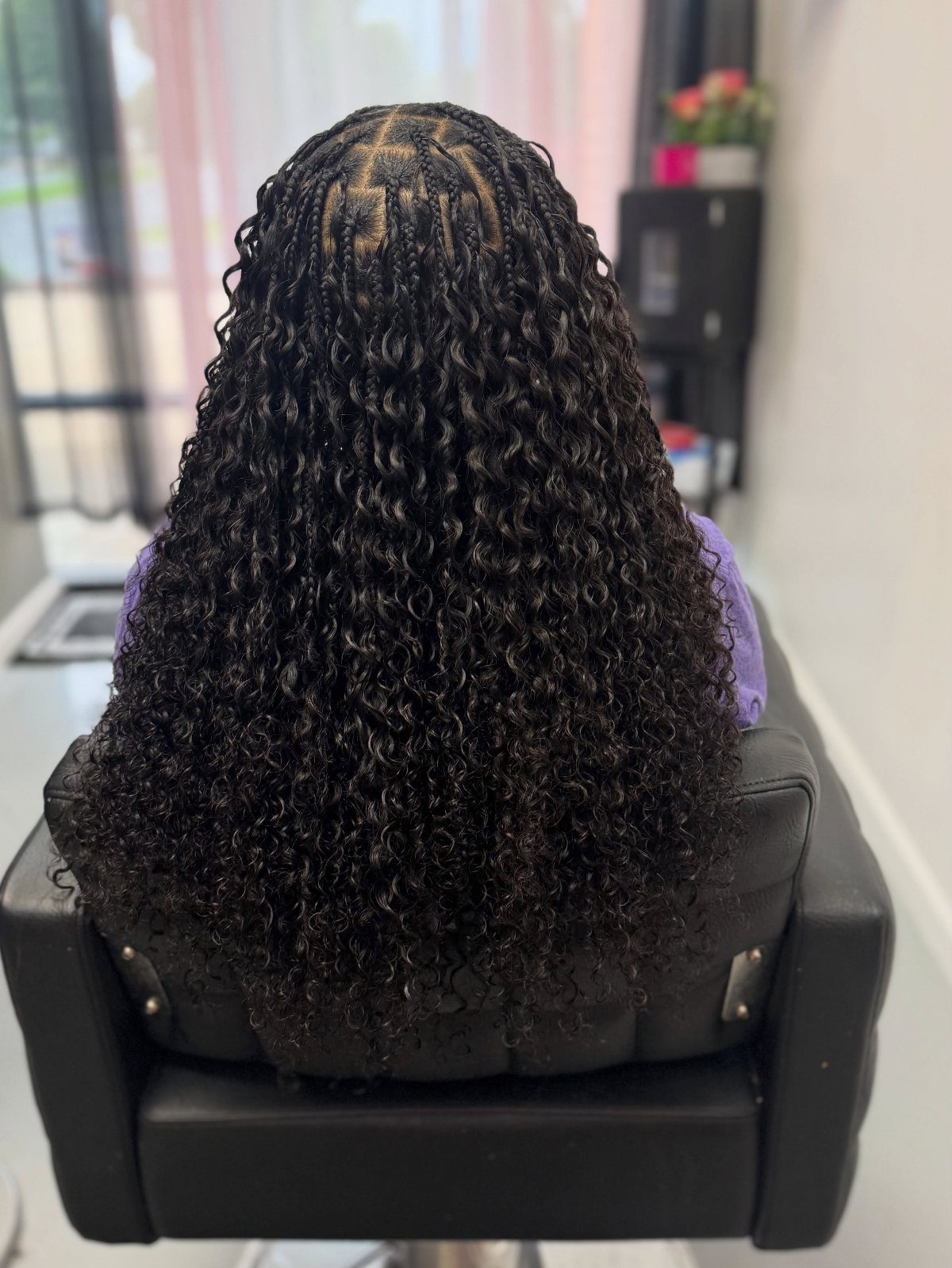
Some braids run full length, others stop partway, and the ends are left as curls. Ask for that combination by describing each part: which braids go all the way, which end early, and how much curl you want below.
Mixed lengths give you movement that a uniform set lacks, and I’d choose it if you want texture variety in a single style. The curly ends need separate care from the braids, so plan for both.
Scalp and Braid Upkeep
Cleanse your scalp weekly.
Every 2–3 weeks, wash the braids with diluted shampoo or a scalp rinse, then follow with leave-in so the hair doesn’t get brittle.
Wrap your hair at night.
Pick a takedown date before the style goes in. Take braids out by 6–8 weeks, and if they’re waist-length or heavier, 4 weeks is the ceiling.
Tension and Protective Styling
Protective styles hide the ends and cut how often you handle your hair, so you keep the length instead of losing it to splits and snapping.
All of that goes away if the braids pull too tight or sit for months.
Damage begins at the root, where tension sits. Braids that are too tight, too skinny, too long or loaded with added hair all put extra pull on your own hair.
If your scalp feels sore, tell your braider while you’re still in the chair. Soreness is a signal to loosen the braids, not something to wait out.
For the first few days, keep very tight new braids out of buns and ponytails. Pulling braids into either style tightly can cause hair loss.
“A lot of hair thrives on braids and protective styling,” says hairstylist and curly hair expert Jasmine “Jazzee” Green, since both the pre-braid prep, along with the actual style itself, can help your hair stay moisturized, detangled, and less prone to damage.
Frequently Asked Questions
How do I choose the right natural braided hairstyle?
Match the style to the chair time and daily effort you can give it. Fulani braids suit a limited appointment, pigtails suit a simple low-effort day, and knotless braids give the neatest, flattest hairline.
Thicker hair carries larger braids like jumbo cornrows well, and they read bold, while knotless braids or two-strand twists feel lighter.
If your schedule is packed, protective styles such as box braids or braided ponytails are a better fit than a formal updo.
Are natural braided hairstyles good for protecting hair?
Yes, as long as they aren’t too tight and don’t stay in too long. Tucked-away ends and less daily handling mean fewer splits and less snapping, so more of your length stays on your head.
A sore scalp is worth mentioning to your braider while you’re still in the chair, since they can loosen the braids on the spot.
How long do natural braids usually last?
Plan to take braids out by 6–8 weeks.
Waist-length or heavy braids should come out by week 4. I’d set the takedown date before the first braid goes in; braids worn past it are the ones that turn brittle.
Can braids help with hair growth?
Braids don’t make hair grow faster, but they help you hold on to the length you already have.
Tucked-away ends and less daily handling mean less breakage, so the length builds up. Only when the roots are free of tension; a tight install works against growth instead of helping it.
Do braids work for all hair lengths?
Medium and long hair shows braids off best, though short hair still has options. Cornrows, feed-in braids and two-strand twists all work on short natural hair, and adding extension hair opens up more styles.
How do I wash my hair and care for my scalp while wearing braids?
Washing is fine with braids in, and a steady routine matters. Buildup and itch usually trace back to heavy creams and butters, and a wrap at night keeps the style neat.
What type of hair is best for braids?
Start with hair that’s clean, detangled and well hydrated, no matter your texture. Wash with a sulfate-free shampoo, follow with conditioner and a deep conditioning treatment, then detangle while the hair is wet and work in sections.
Can you give me a list of natural hairstyles?
Cornrows are easy to picture but hard to get even on your own head, so a first-timer should book a stylist.
Lemonade braids sweep all the cornrows toward one side, Fulani braids put cornrows up front with loose braids behind, and box braids grow from square sections of scalp.
Cornrows into puff buns, beaded braids, geometric patterns and swirling scalp braids are also worth a look.
What are bald braids?
That term has no definition I can stand behind, so I’m not going to guess at one. Bring a photo to your appointment so the look is clear.