You can finish the install in a few hours at a salon or spread it across an afternoon at home, looping each piece through the cornrow base with a latch hook.
Pick based on the texture you want and how long you plan to wear it, from tight curls and pixie cuts to loose waves and micro braids.
1. Curly Crochet Braids
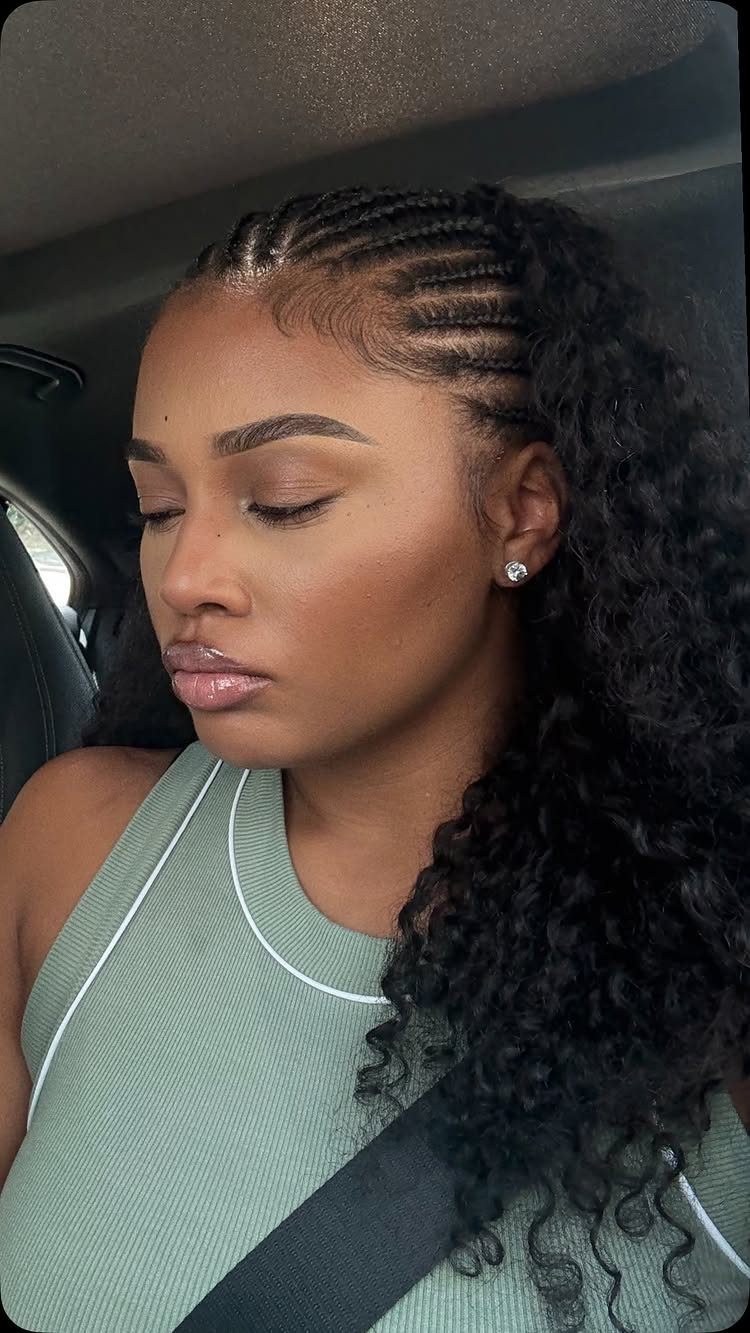
This texture gives you the volume and bounce of a natural curl pattern without the daily upkeep.
The extensions sit on a cornrow base, so installation goes faster than individual twists or box braids, and you can swap textures anytime you redo the base.
Most curly crochet hair comes pre-looped, which speeds up the install.
Tighter, smaller curls sit in the 3B or 3C range. The curls hold their shape with light styling between touch-ups.
2. Senegalese Twists
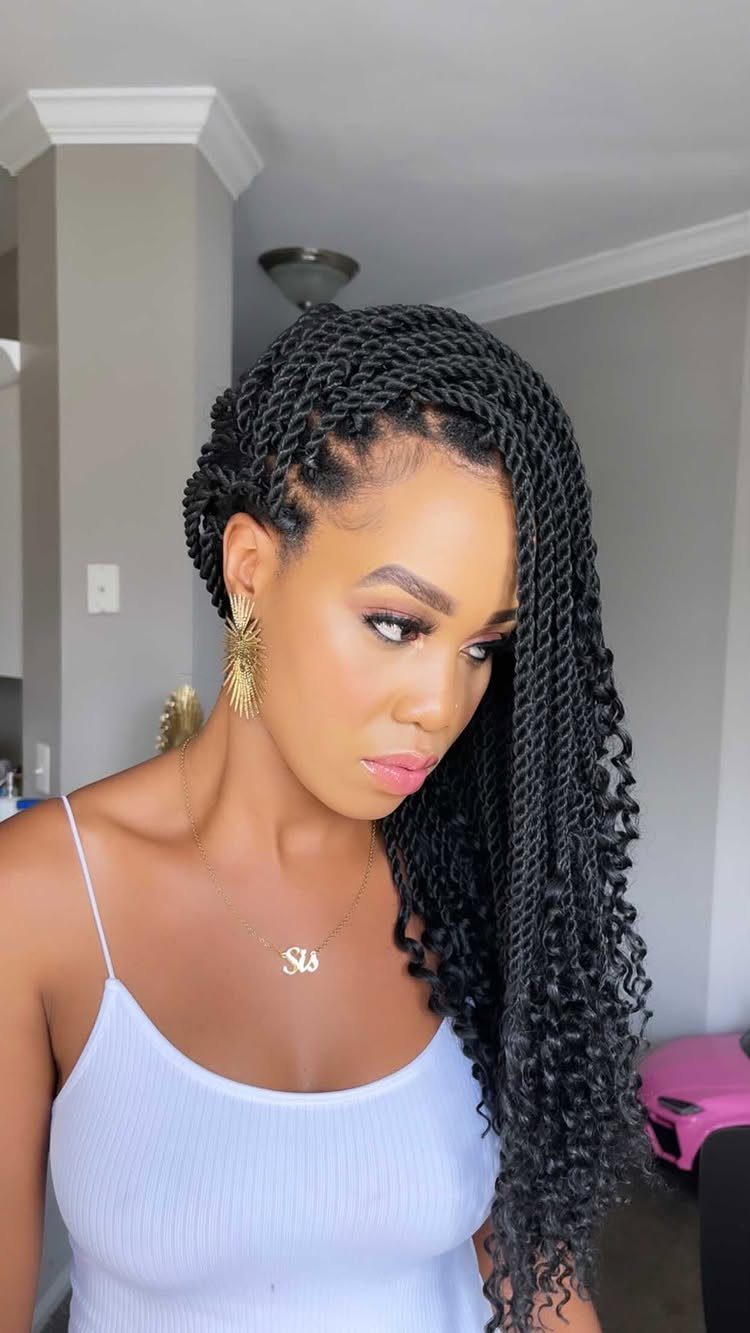
Senegalese twists are smooth, rope-like twists made by wrapping 2 strands of hair in the same direction. When installed via crochet, they skip the hours of hand-twisting and still give you the same sleek finish.
Thin twists look delicate and move freely; chunky ones install faster and carry more weight.
Both versions protect your natural hair between reinstalls. I like the way thin twists catch light along each ridge, but if you’re short on time or budget, jumbo twists get you the same texture in half the install.
3. Wavy Crochet Braids
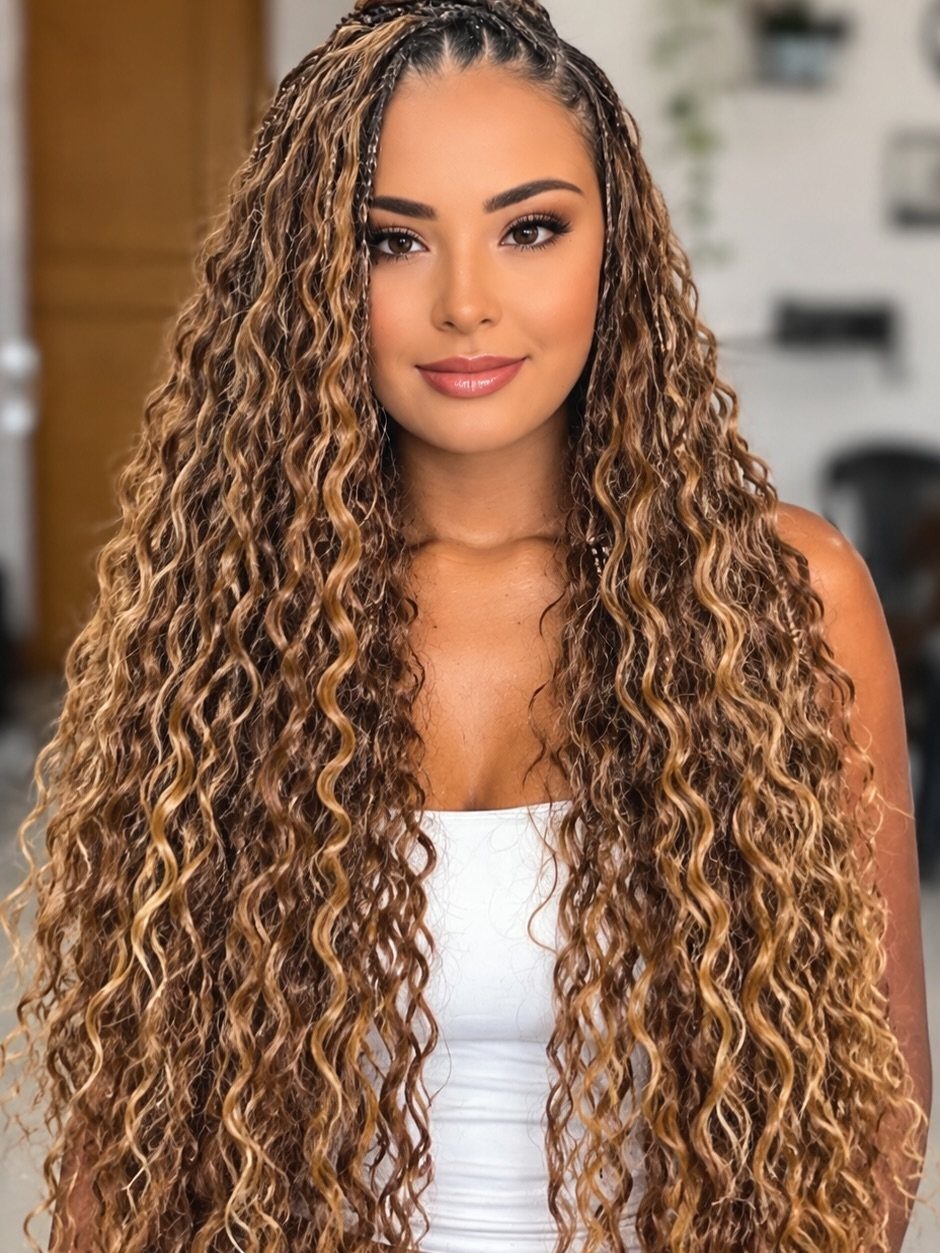
Wavy extensions land between straight and curly, so the finished style feels soft and lived-in from day one. The waves sit looser than curls and hold their shape without daily restyling.
This texture gives length without the weight of straight hair or the upkeep tight curls need.
Most wavy crochet hair is heat-safe, so you can touch up the pattern with a flat iron or wand. You can refresh the waves overnight with a few braids.
4. Crochet Twists
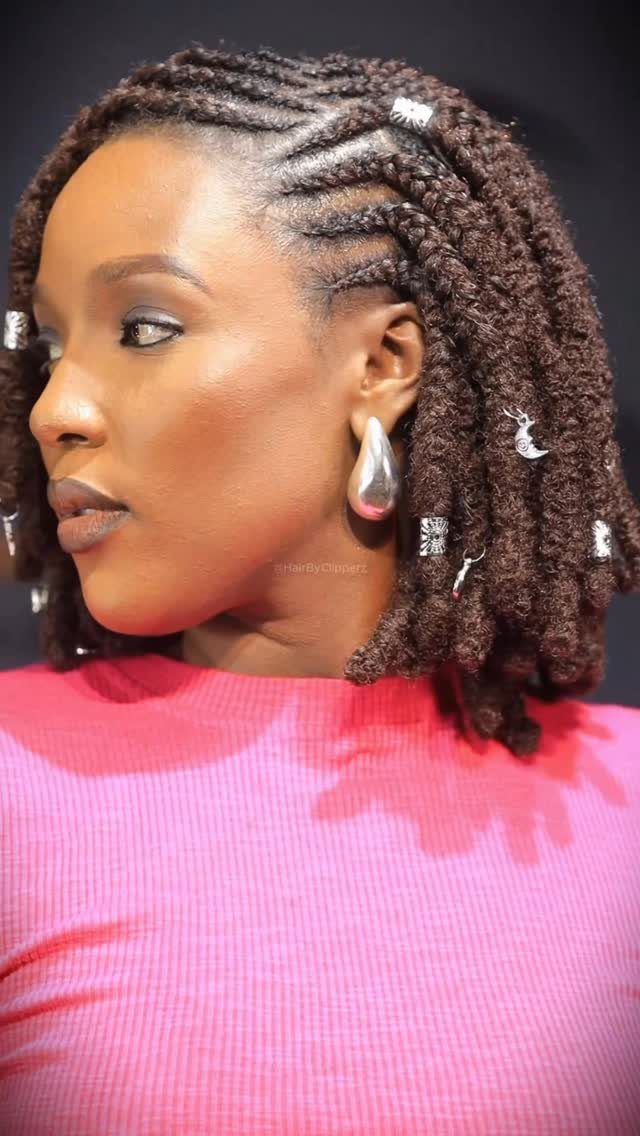
Crochet twists mimic hand-twisted styles but install in a fraction of the time. The twisted texture lies flatter than loose curls, so the style feels lighter and the scalp stays cooler.
You can find pre-twisted hair in smooth Senegalese, fluffy Marley, or kinky Havana textures.
Thin twists take longer to install but move more naturally; chunky twists finish faster and make a bolder statement. If you add beads or cuffs, thread them on before sealing the ends.
5. Style Your Crochet Hair
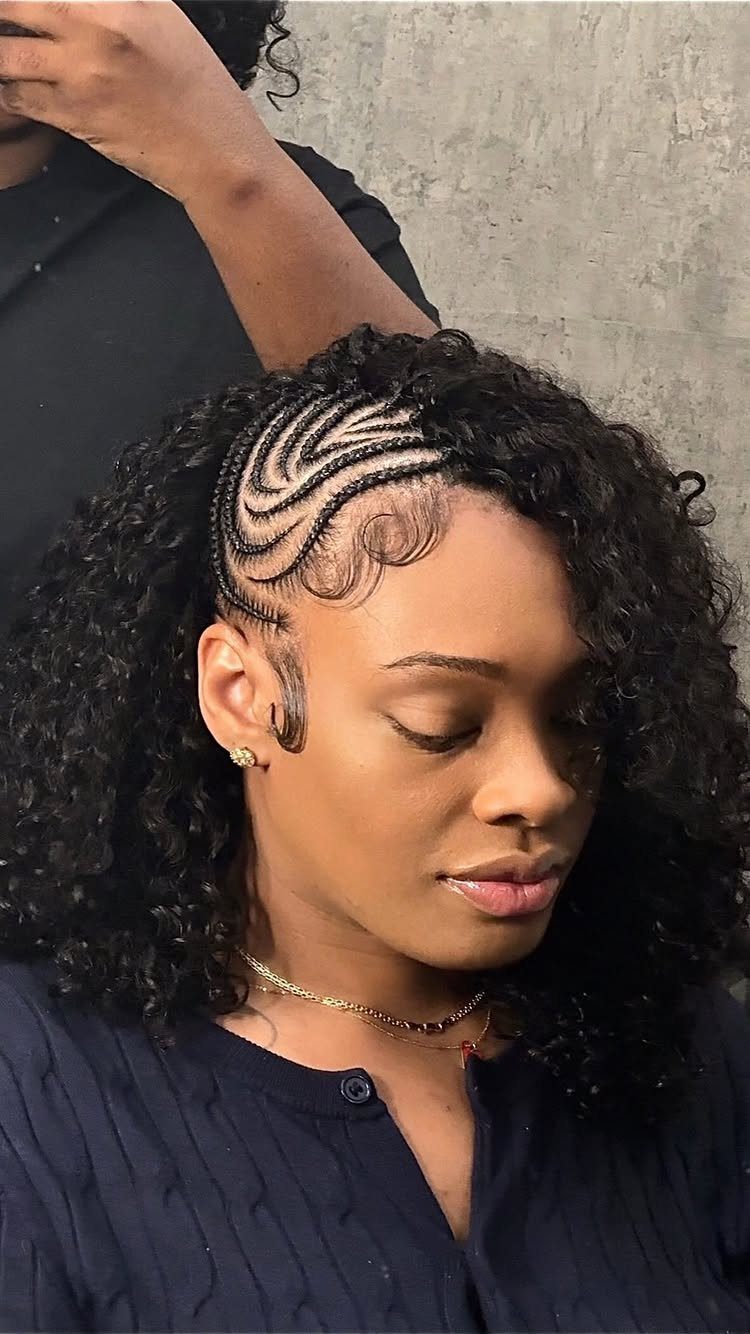
Crochet hair is not just about wearing it down. Once the extensions are in, you can pin, braid, twist or clip them into whatever shape you want that day.
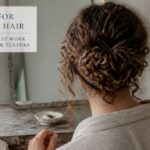
Curved cornrows along the hairline let you pull the rest into a high bun or ponytail without tension on your edges. If the curls are long, try a half-up style or side sweep.
The base stays protective and the styling options multiply. I refresh the curls with a light mist of water and leave-in every few days.
6. Short Crochet Braids
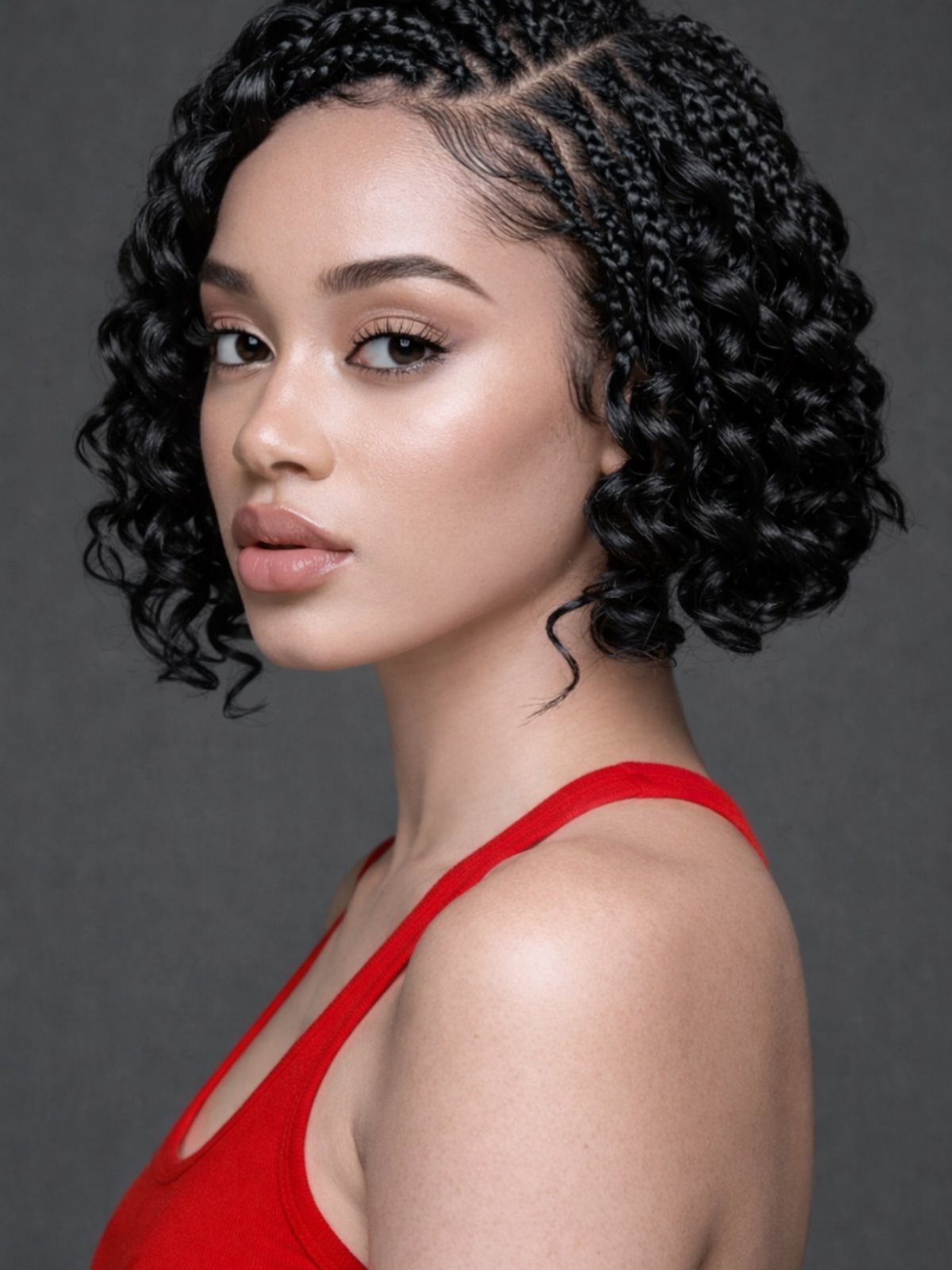
Short crochet braids stop at chin or shoulder length, so the style feels lighter and dries faster than longer versions.
The shorter length also makes styling easier, you can finger-comb curls into place or smooth them back without working through heavy, tangled ends.
This length suits anyone looking for a protective style that does not interfere with workouts, sleep, or daily routines.
Installation takes less time and uses fewer packs of hair, which keeps the cost down. You can switch textures each time you reinstall.
7. Crochet Braids with Bangs
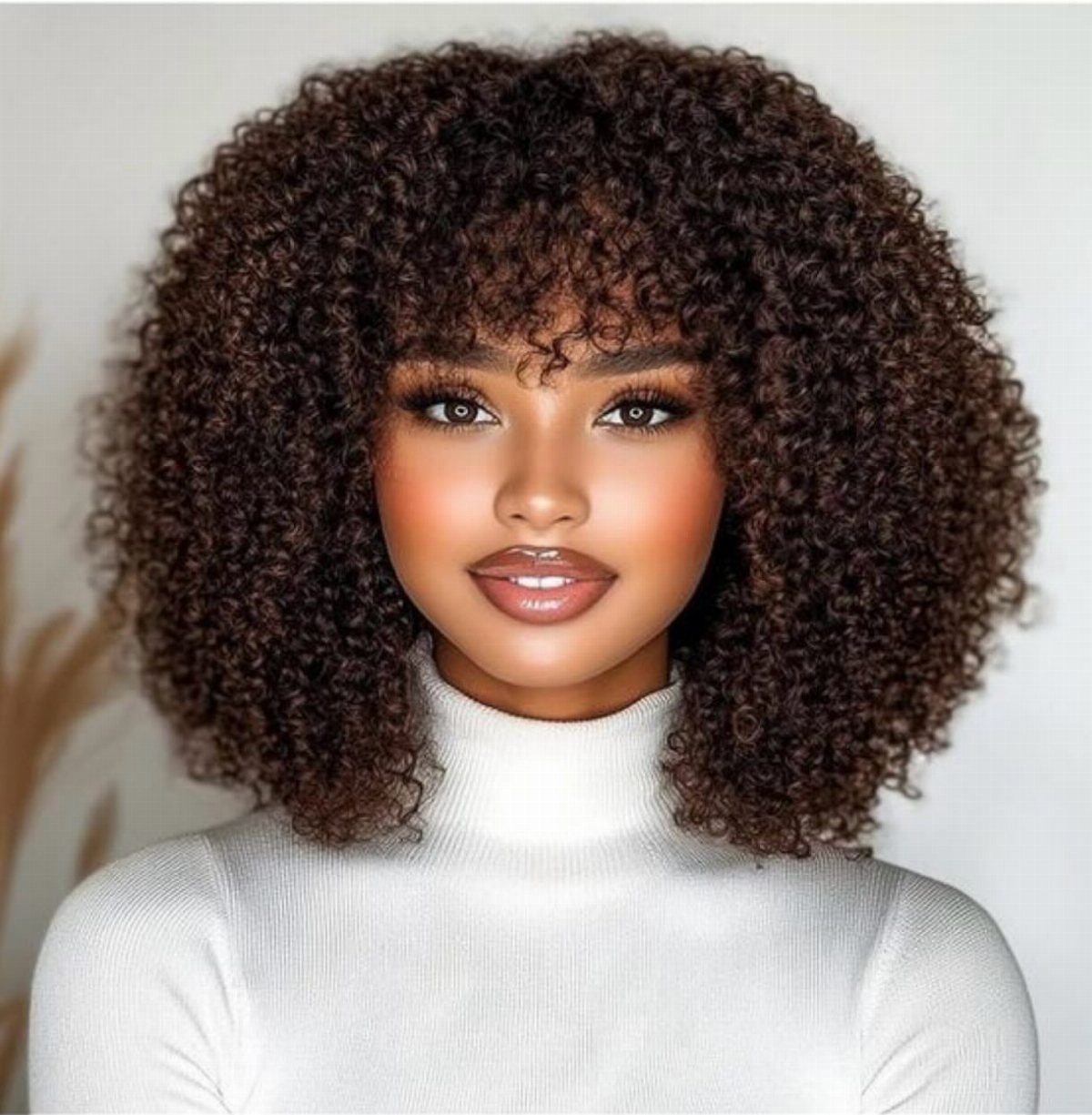
A fringe frames the face and can be worn forward or swept aside. The bangs soften the overall shape and give you another styling option when you want to switch things up without redoing the base.
If the bangs are curly, mist them lightly and scrunch to refresh the curl pattern.
Straight bangs can be trimmed shorter or left longer to blend with your loose hair. Either way, bangs change the silhouette without adding extra install time.
8. Half-cornrow Half-crochet
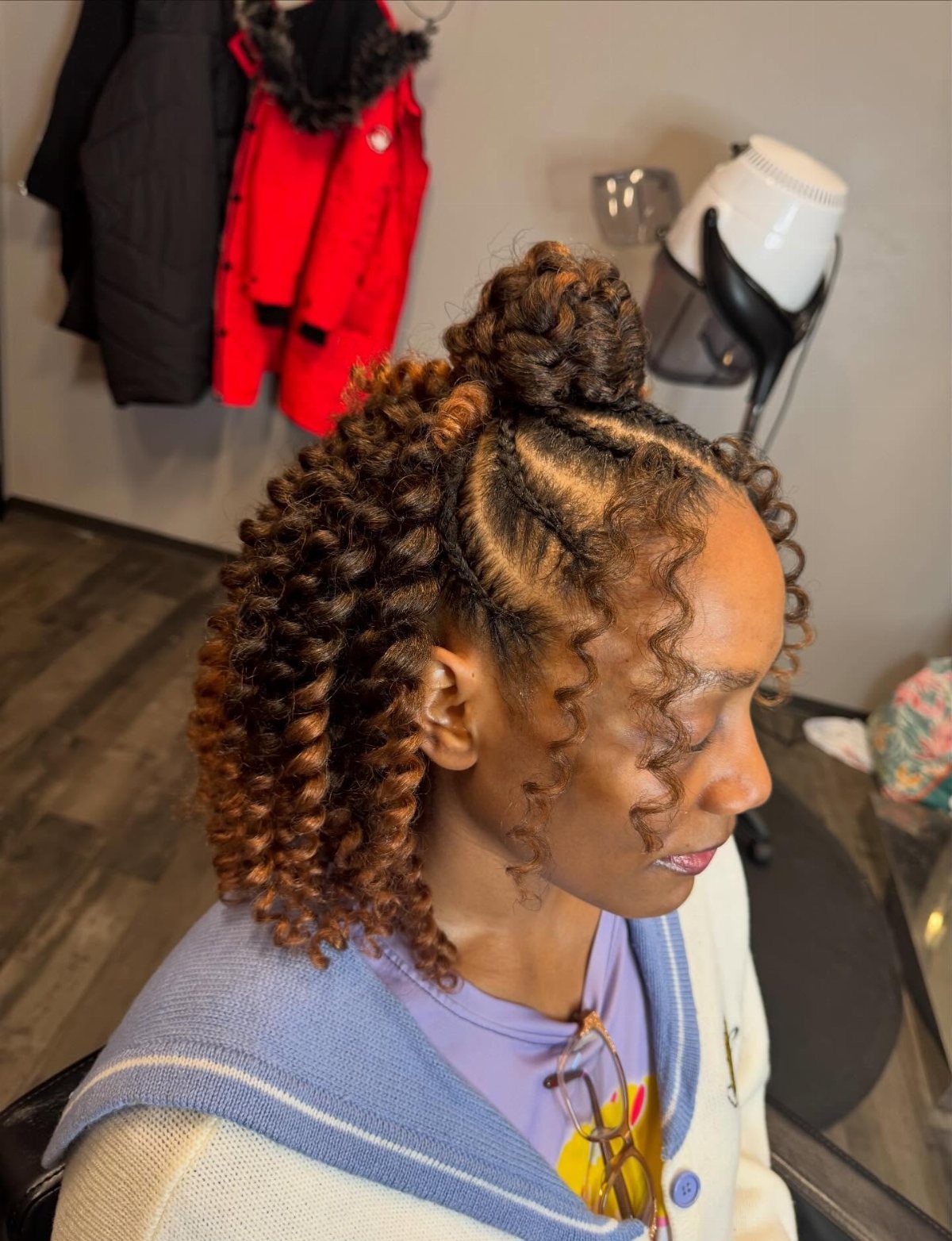
Cornrows on top meet loose crochet texture on the lower section. The cornrows keep the crown flat and close to the scalp, while the loose hair below adds movement and volume at the ends.
This split gives you two textures in one style. The cornrows stay neat longer than loose hair would, and the crochet portion can be styled, pinned or pulled up.
If you want a sleek front with fullness in back, this balance does that without committing to one texture all over.
9. Half-up Crochet Braids
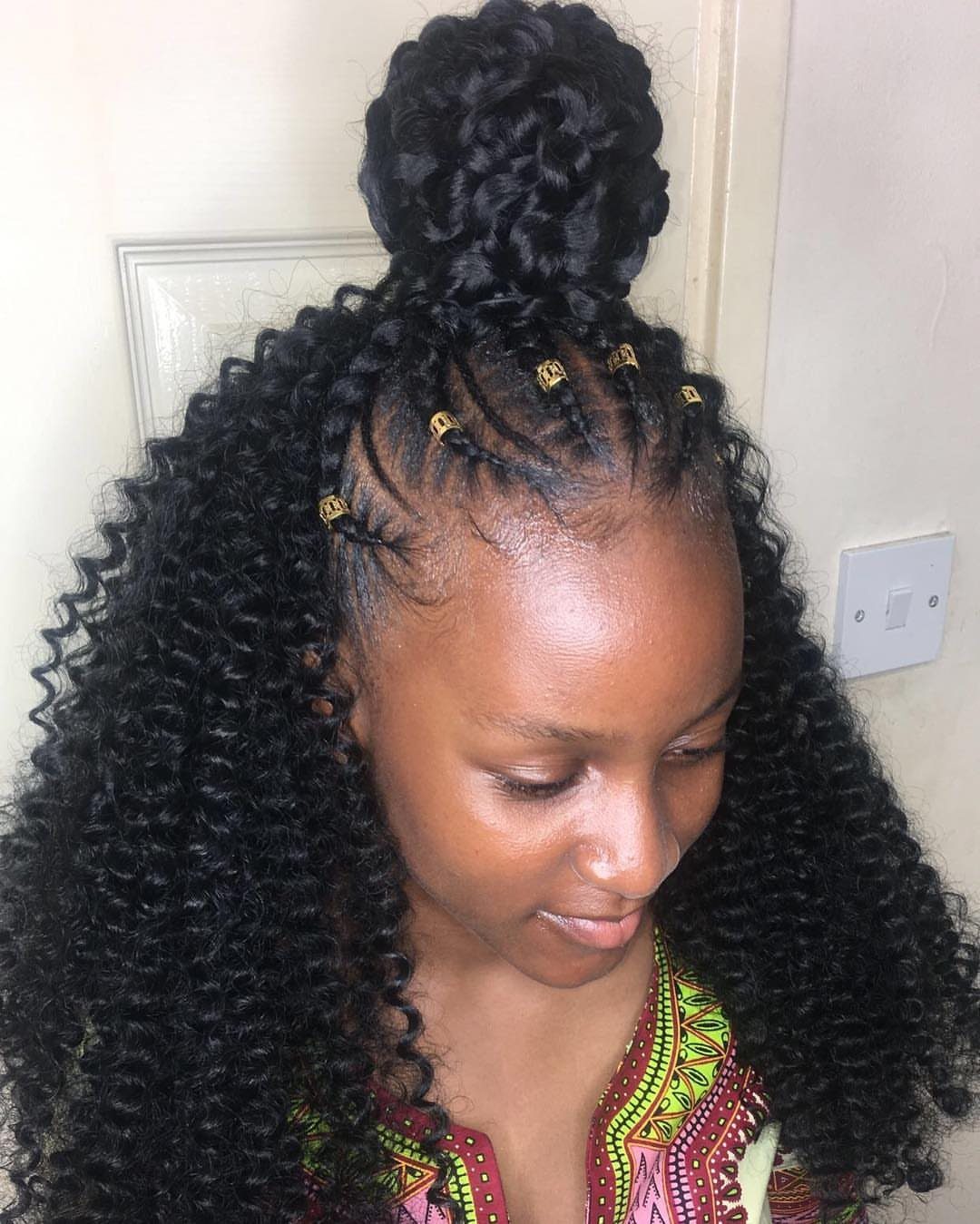
A top knot or half-up style keeps hair away from the face while the rest hangs loose. Gather the front into a bun, ponytail or twist, and the curls below stay free.
This works well if you want the protective benefits of crochet without feeling like all your hair is in your face.
The half-up portion can sit high on the crown or lower at mid-head, depending on where you want the volume. I pull the top section back on hot days and leave it down when I want more coverage.
10. Side-parted Crochet Braids
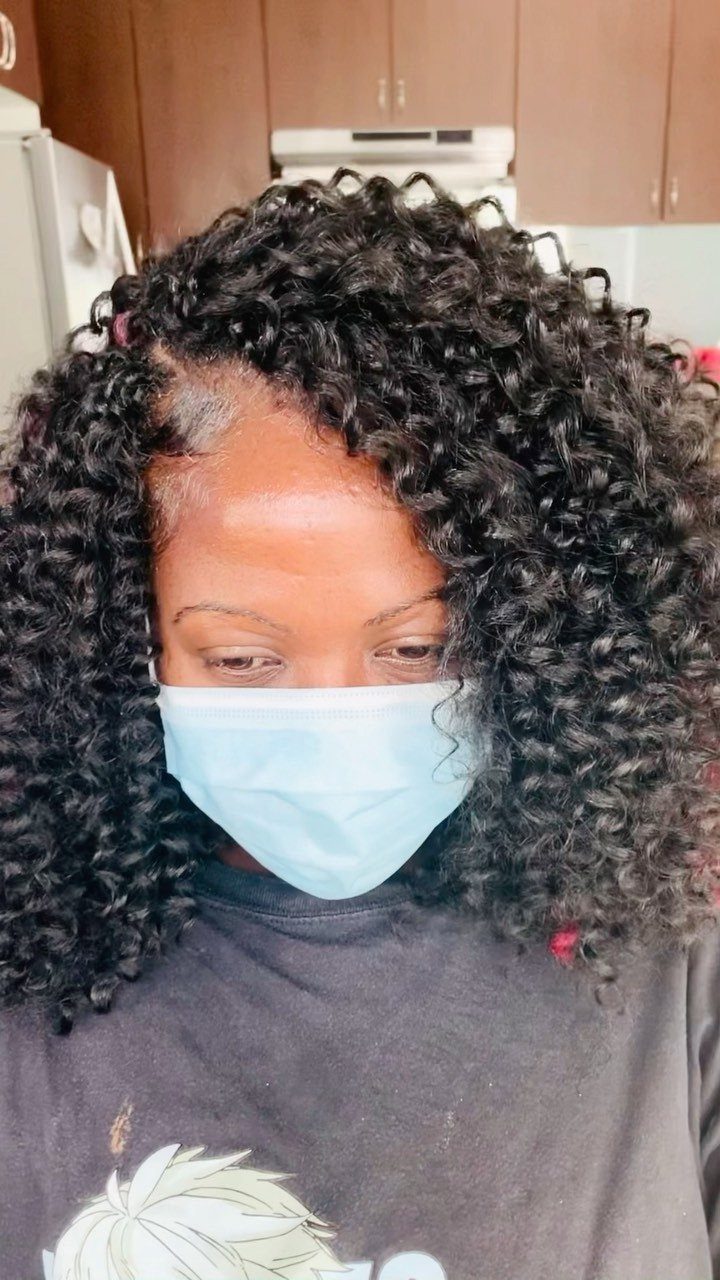
A side part creates an asymmetrical, fuller-looking finish. The hair sweeps to one side, which gives more volume on that side and frames the face from an angle instead of straight down the middle.
This part suits anyone who wants to break up the symmetry of a center part or add more height on one side. The heavier side can be pinned back or left loose.
11. Curly Ends Crochet Braids
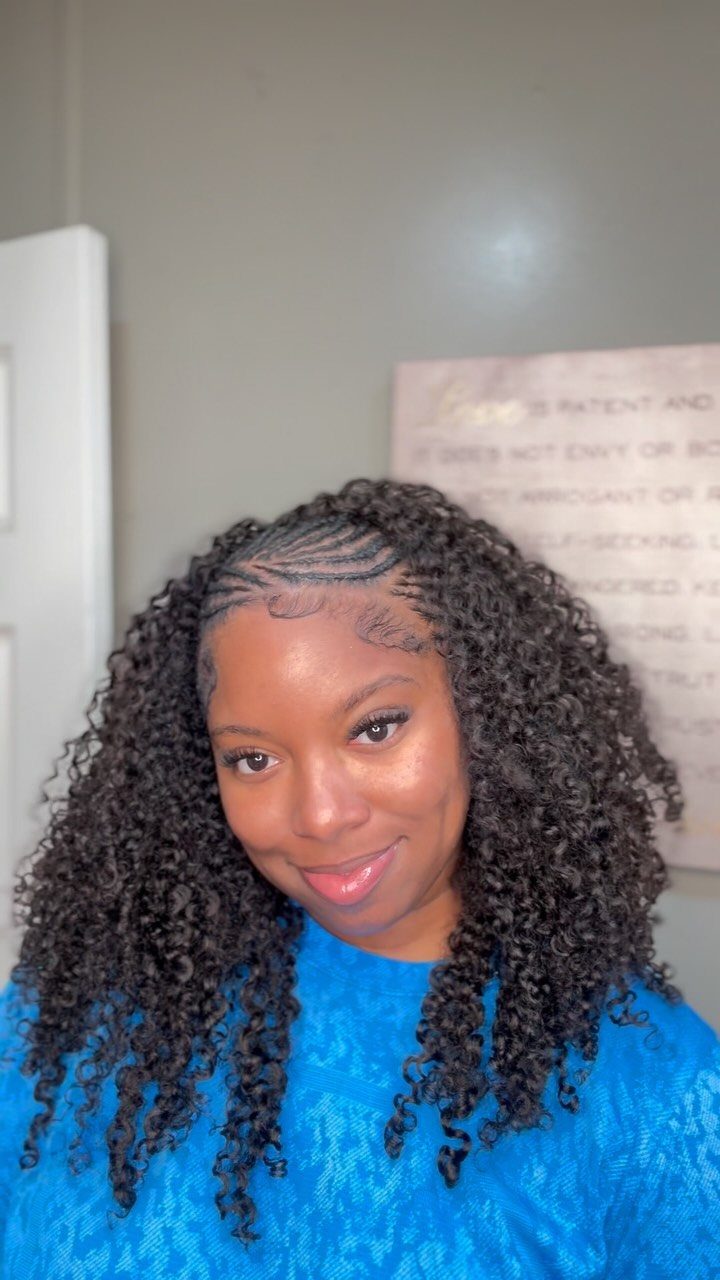
Straight braids finish with curly tips. The top and mid-length stay smooth, and the ends flare out into curls or waves, which keeps the style from feeling too uniform.
The contrast between the straight sections and the curly ends gives you two textures in one install.
If you want the curly portion to hold its shape longer, seal the ends with hot water after installation. You can trim the curls shorter or leave them long, depending on how much movement you want at the ends.
The hashtag #crochetbraids is trending on Instagram with almost 1.9 million beauty lovers sharing everything from the crochet braid pattern to trending hairstyles.
12. Crochet Faux Locs
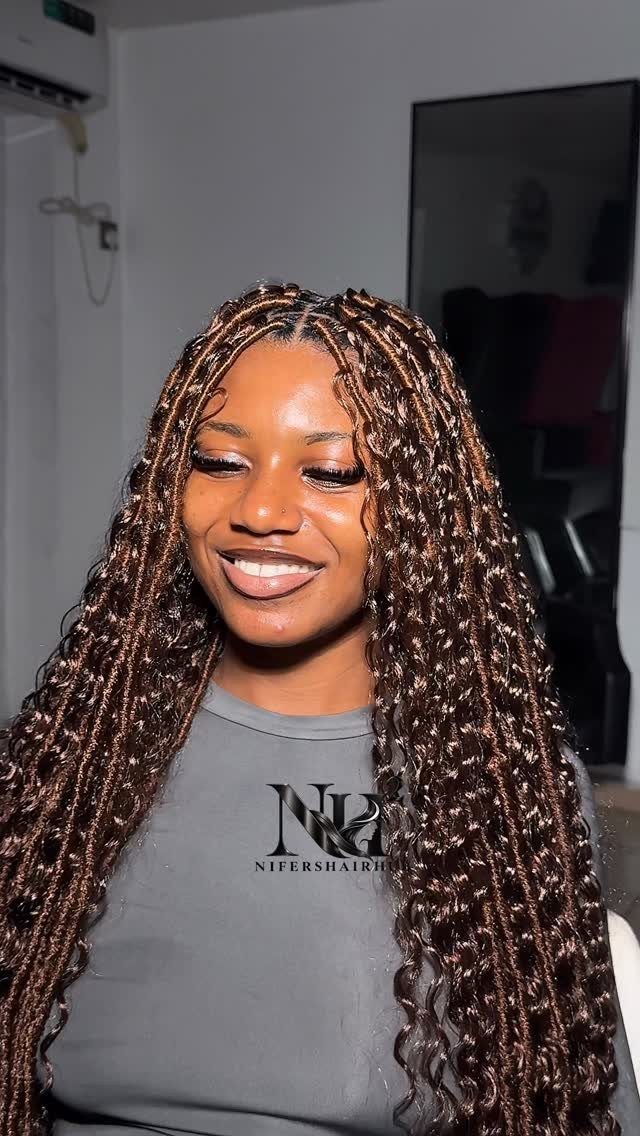
Faux locs give you the look of traditional locs without the long-term commitment. The faux locs install quickly with crochet, and you can take them out anytime without the long-term commitment that real locs require.
Faux locs come in different textures: smooth, distressed or wrapped.
The distressed versions look more lived-in, while smooth ones have a polished finish. If you want a loc style but aren’t ready to grow and maintain real locs, this gives you the appearance with a set removal date.
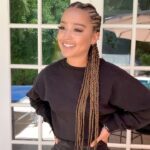
13. Jumbo Crochet Box Braids
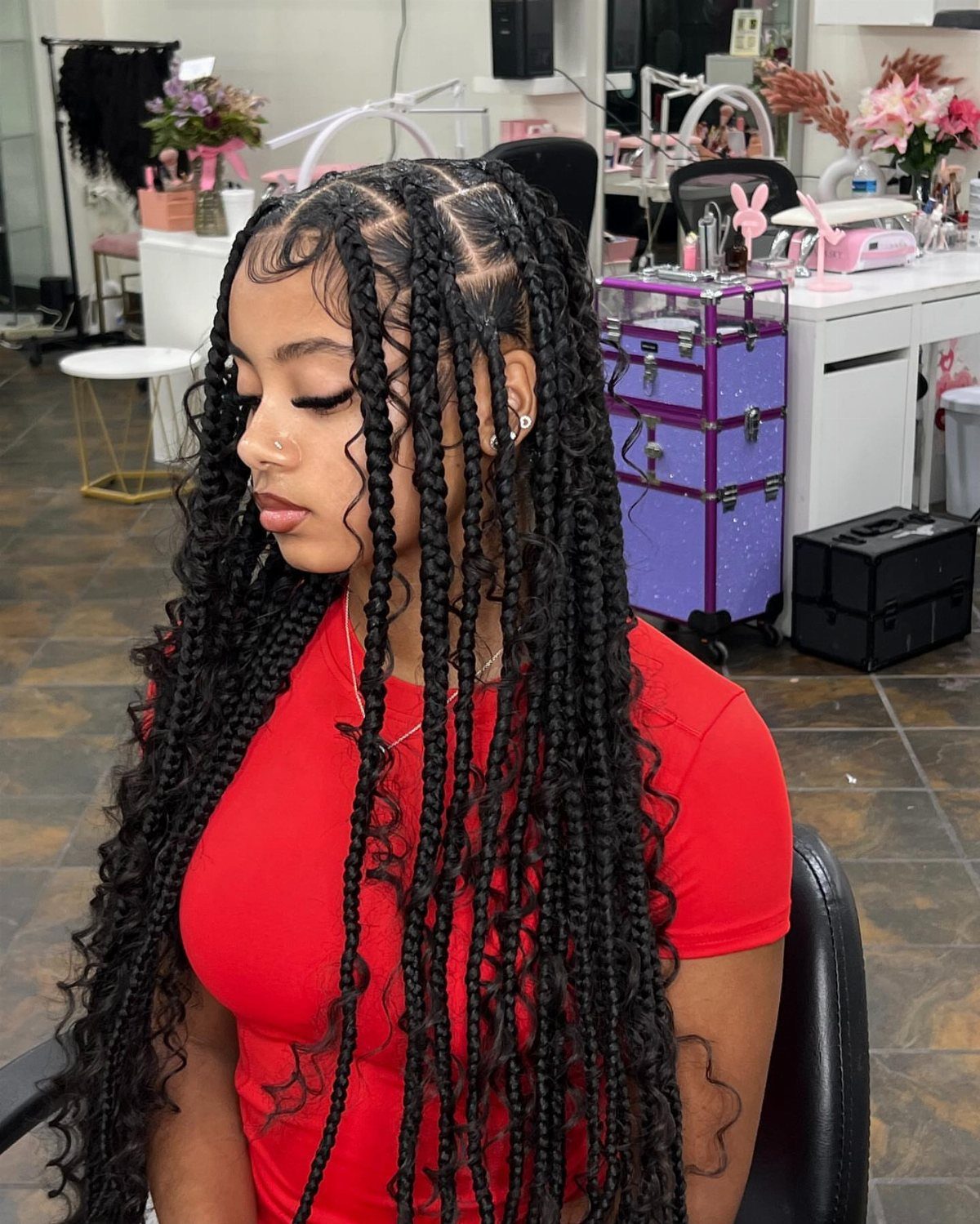
Jumbo box braids are wide, chunky braids that finish faster than standard box braids and make a bold visual statement.
The larger size means fewer individual braids to install, which cuts down on time in the chair and the number of extension packs you need.
The width also makes the style heavier, so if you have a sensitive scalp or prefer lighter protective styles, standard or medium box braids might suit you better.
Jumbo braids work well if you want maximum impact with minimum install time.
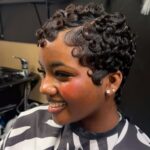
14. Crochet Pixie Curls
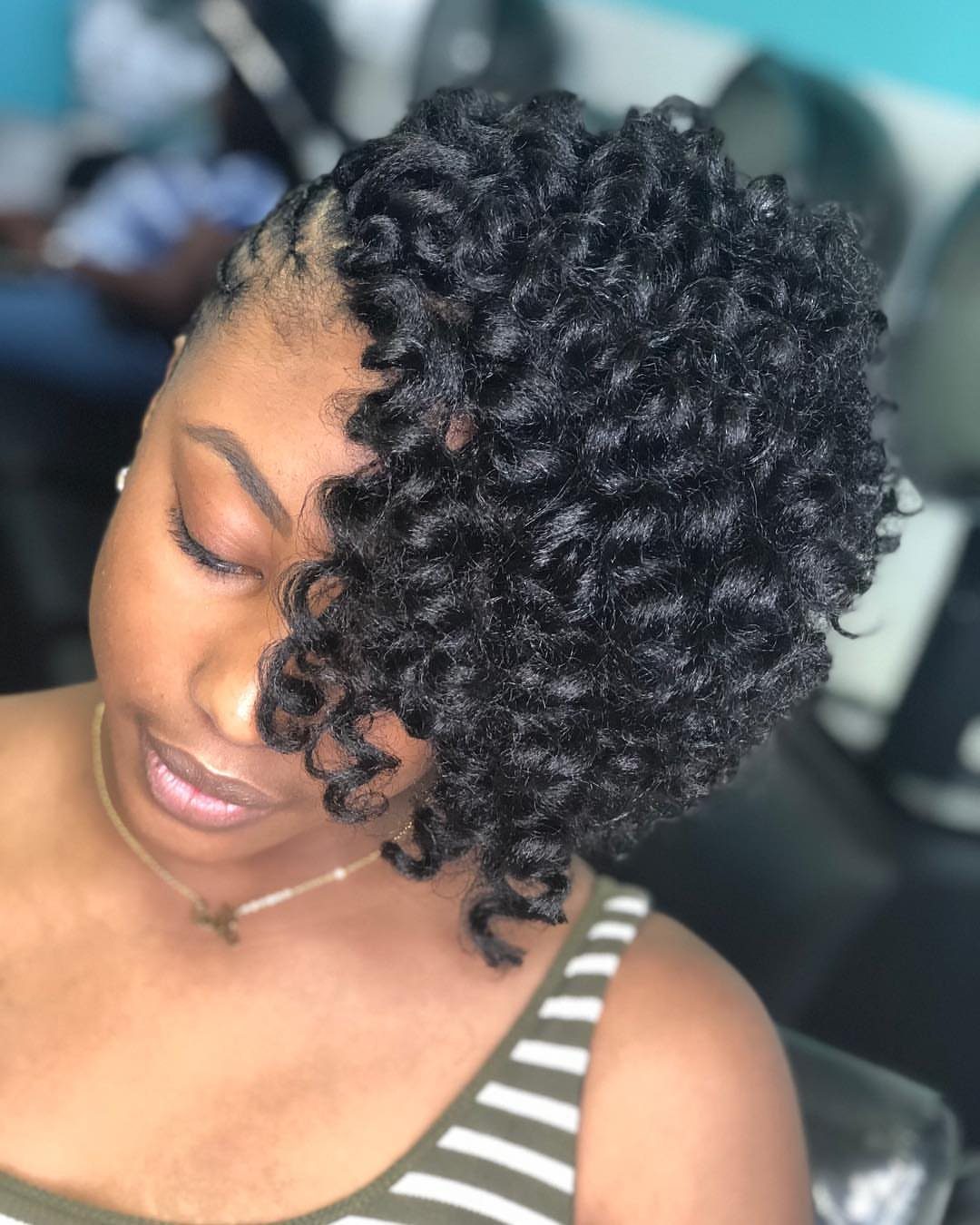
Pixie-length curls sit close to the head and add volume without length. The short cut keeps the style light and cool, and the curls give it texture and movement that a straight pixie would not have.
This length dries fast and stays out of the way during workouts or sleep. You’ll finish faster and spend less since shorter lengths need fewer bundles.
If you want a protective style that does not add weight or bulk, this gives you the coverage with a finished shape that feels more like a haircut than extensions.
15. Crochet Ombre Braids
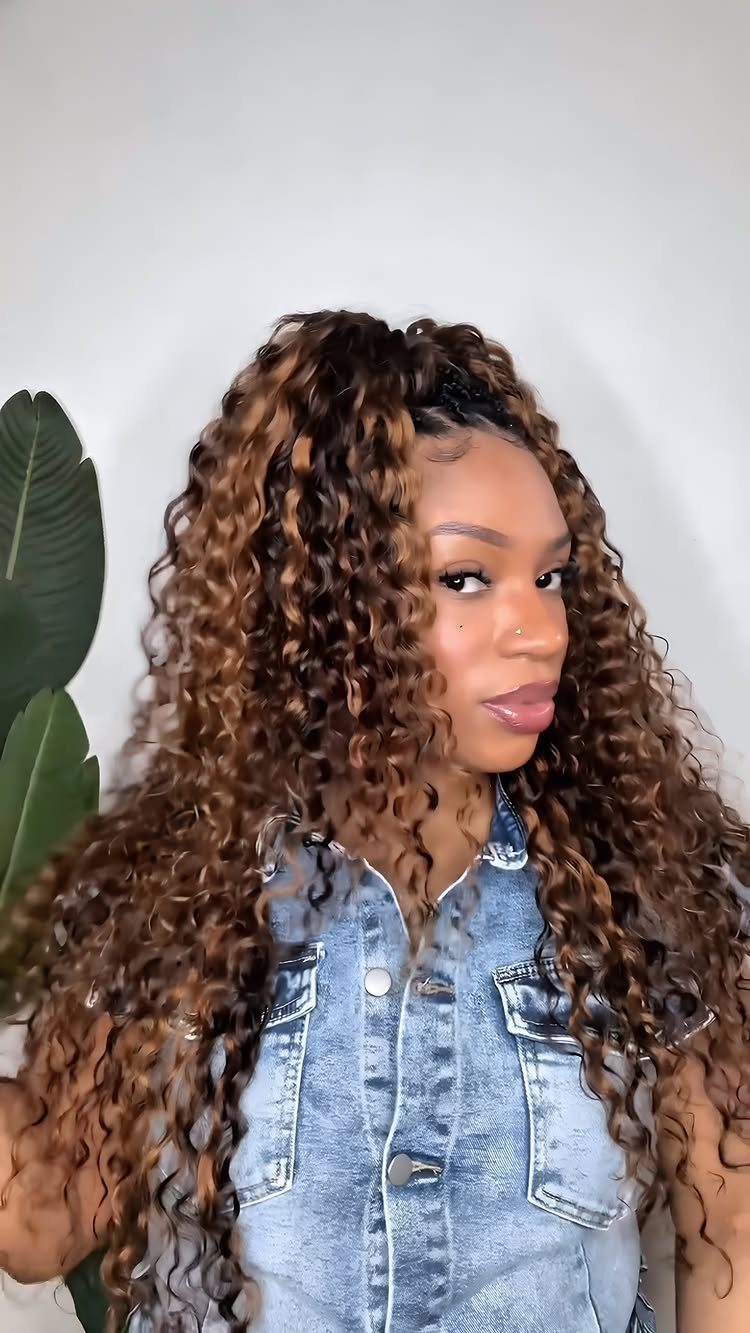
Ombre extensions shift from one color at the roots to another at the ends. The gradient adds depth without the upkeep of dyed natural hair, and the color transition looks more lived-in than a single solid shade.
Most ombre crochet hair blends 2 tones, dark brown fading into caramel or honey blonde.
The darker roots keep the style grounded near the scalp, and the lighter ends catch more light. If you want color without bleach or root touch-ups, this gives you the gradient in one install.
16. Crochet Hair with Highlights
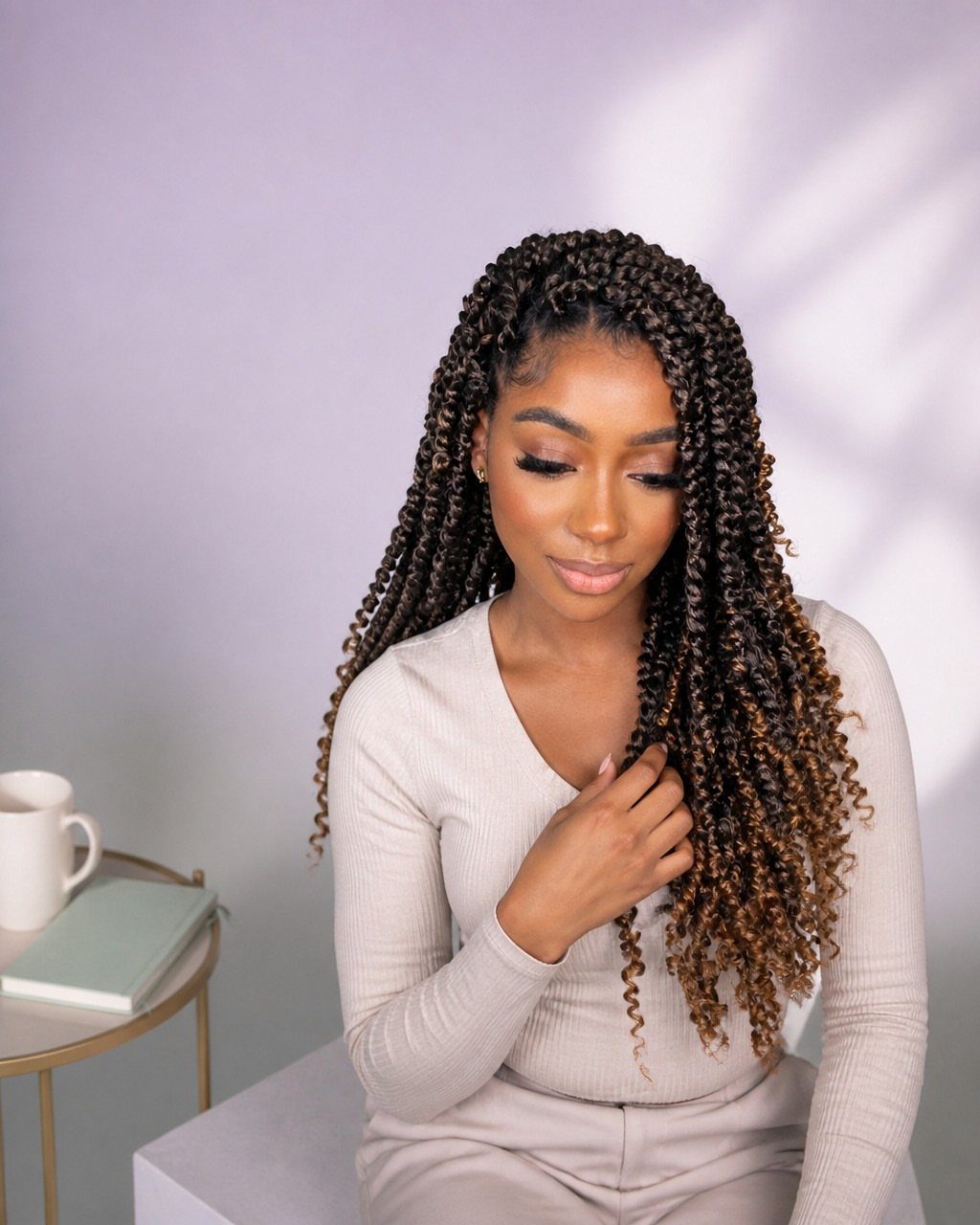
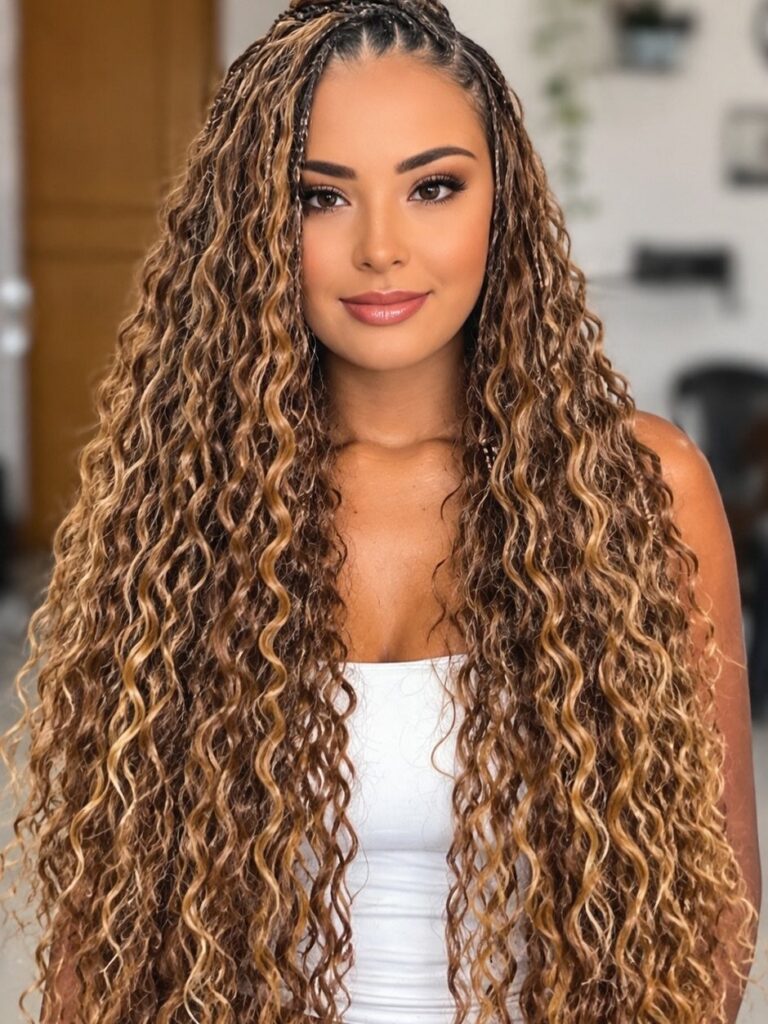
Highlights thread lighter strands through the darker base color, which gives the finished style dimension and a sun-kissed look. The lighter pieces can be subtle or bold, depending on how much contrast you want between the 2 shades.
Most crochet hair with highlights comes pre-mixed, so you install both colors at once without sorting packs.
The lighter pieces catch more light and break up the flatness of a single solid color. If you want depth without going full ombre, highlights add interest without the gradient.
17. Dirty Blonde Crochet Braids
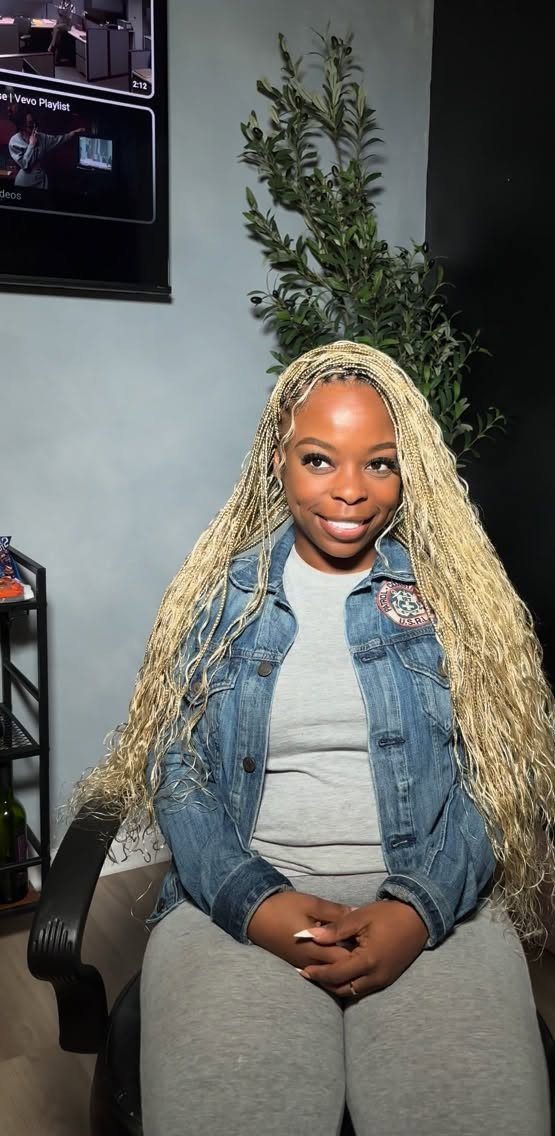
Dirty blonde is a muted, ashy blonde that sits between pale yellow and light brown. The cooler tone keeps the color from looking brassy, and the style feels modern without the maintenance blonde natural hair needs.
This shade works well if you want a lighter color that does not read as platinum or golden.
The pale tone makes the braids stand out, and the ash undertone keeps the look from feeling too warm. You get the full color shift with zero chemical processing.
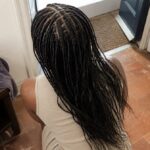
18. Crochet Micro Braids
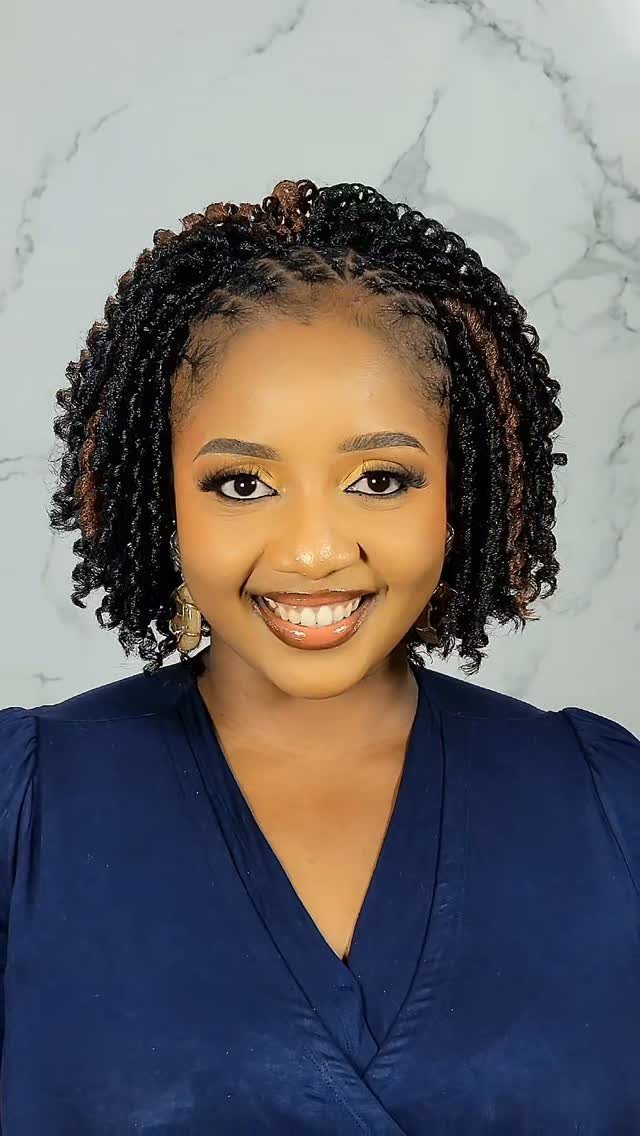
Micro braids are thin, delicate braids that sit close together and create a dense, textured finish. The smaller size means more braids to install, so the process takes longer than jumbo or medium braids.
The fine braids move more naturally and feel lighter on the scalp despite the higher count.
If you want a fuller look with individual strand definition, micro braids give you that, but plan for a longer install. The thinner braids also let you style the hair into updos or ponytails without bulk.
19. Loose Curls with Front Braids
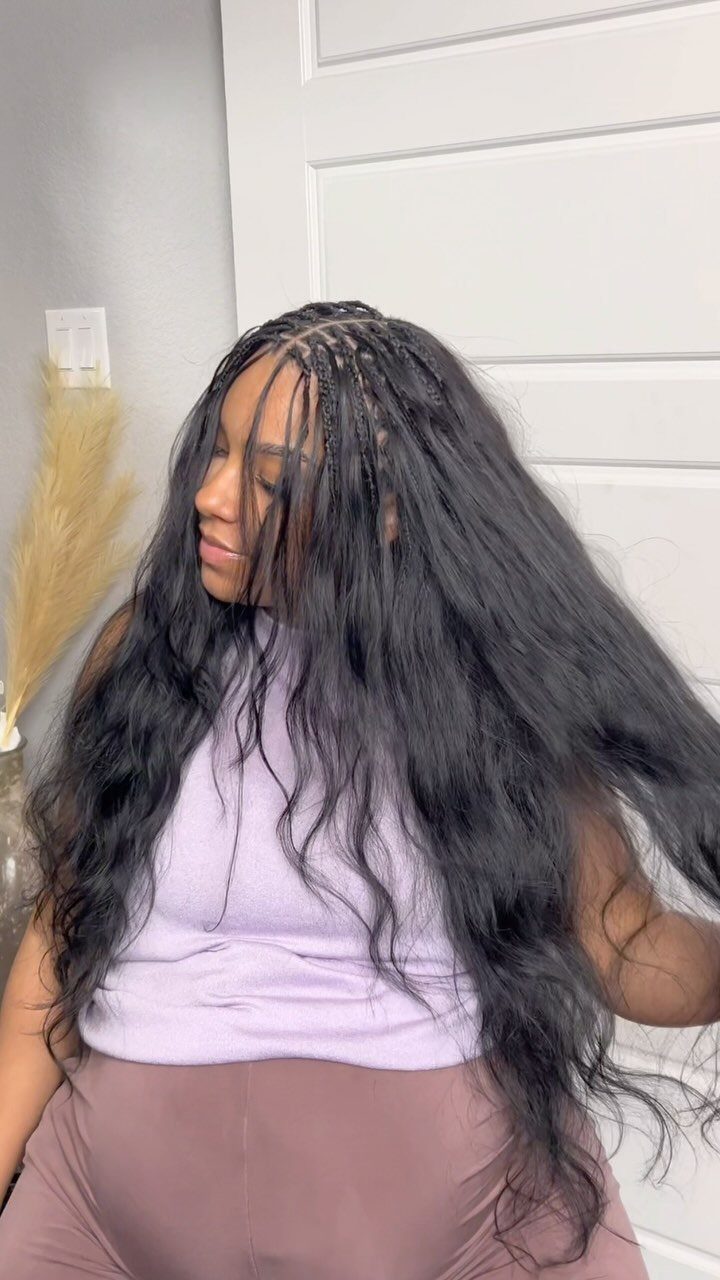
Thin braids sit along the front hairline while the rest falls in loose curls.
The braids frame the face and keep the front section controlled, and the curls behind them add volume and length without the uniformity of an all-braided style.
The front braids can follow your natural hairline or sit slightly behind it, depending on where you want the detail.
If you want definition around the face without braiding the entire head, this gives you both textures in one install. A spritz bottle and a dab of conditioner bring the texture back between wash days.
Installation and Protective Styling
A latch hook pulls each extension through the cornrow base, loop by loop.
The cornrows sit flat against the scalp and stay hidden under the installed hair, so the finished style looks like the texture you chose rather than rows of braids.
A salon install usually finishes in a few hours. If you install at home, budget more time while you learn the rhythm of the hook and the tension that holds without pulling.
The cornrow base protects your natural hair from heat tools and constant styling. Between installs, the style holds if you maintain the base and keep the scalp clean.
Maintenance and Scalp Comfort
Mist the roots, let it absorb, then follow with a light oil if the scalp feels tight. Product buildup clogs the cornrows, so cleanse the scalp with diluted shampoo every week or two.
At night, tie the hair in a satin bonnet or sleep on a satin pillowcase. Cotton pulls moisture out and flattens curls, so the texture frizzes faster without a smooth surface.
Lighter textures like loose waves or thin twists put less weight on the cornrows than dense, long curls.
If the base feels tight after installation, the tension is too high and needs adjusting before it stresses the hairline. A protective style that pulls is not protective.
Hair Packs and Cost
Braiding hair costs $3 to $10 per pack. A full head uses anywhere from two packs for short, loose styles to six and a half for long, dense installs, so you’ll spend around $12 to $40 on hair.
Shorter lengths and thinner textures need fewer packs. Jumbo braids or pixie curls finish with two or three, while waist-length curls or a very full install might take five to eight.
If you want ombre or highlights, the color-mixed packs cost the same as solid shades and install the same way, so the price stays in that range.
Professional installation adds labor cost on top of the hair. At-home installs save that expense but take longer while you work through the cornrows and the crochet loops.
Frequently Asked Questions
What are crochet braids?
You install them by looping hair through cornrows with a latch hook. The cornrows stay hidden, so the finished style shows the texture you picked, whether that’s curls, waves, twists or faux locs.
Installation goes faster than hand-twisting or individual box braids because the base is already braided and you’re attaching pre-made extensions rather than building each section from scratch.
How many bags of hair do I need for crochet braids?
A full head takes 2 to 8 packs, depending on length and fullness.
Short or thin styles finish with 2 or 3 packs, while long, dense installs can take 5 to 8. Jumbo braids and pixie cuts need fewer packs than waist-length curls or very full styles.
Are crochet braids healthy for your hair?
Crochet braids protect your natural hair by keeping it tucked under the cornrow base, away from heat tools and daily styling.
The style holds without tension on your hairline if the base is installed correctly. A protective style that pulls is not protective, so the cornrows need to sit flat without tightness.
How long will crochet braids last?
Crochet braids last 4 to 6 weeks.
After that, the roots start to look messy and the scalp can feel weighed down. Keep the base clean and the scalp moisturized to get the full wear time without buildup or tightness.
How to style crochet braids?
You can wear them down, pull them back into a ponytail or bun, pin half up or sweep everything over one shoulder.
The cornrow base lets you pin, braid or twist the extensions without adding tension to your edges. When the curl loosens, a light water mist and scrunch will tighten the coils again.
Is crochet hair better than weaving?
Crochet installs faster and puts less tension on the hairline than weaves.
The extensions loop through cornrows instead of being sewn in, so there’s no glue or tight stitching. You can swap textures anytime by redoing the base, without the commitment a weave requires.
What are the differences between knotless braids and crochet braids?
Knotless braids are installed by hand, adding extension hair gradually so there’s no bulky knot at the root.
Knotless takes longer to install but feels lighter at the root; crochet finishes faster and gives you more texture options without the full hand-braiding process.