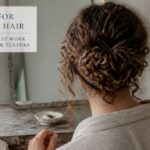
Layers cut into curly hair can start just below the crown for maximum height or stretch all the way to chin-length perimeter pieces that frame the face, and the placement of those first layers decides whether the cut lifts volume upward or simply removes weight.
Your curl type tells you how much shrinkage to plan for: 2A–2C waves land close to where they’re cut, 3A–3C curls need extra length built in, and 4A–4C coils require exact placement because they spring back hard.
A lob with layers starting at cheekbone level keeps looser patterns from stacking into a triangle, while a pixie with length left on top puts tightly coiled texture front and center.
1. High-Volume Layers
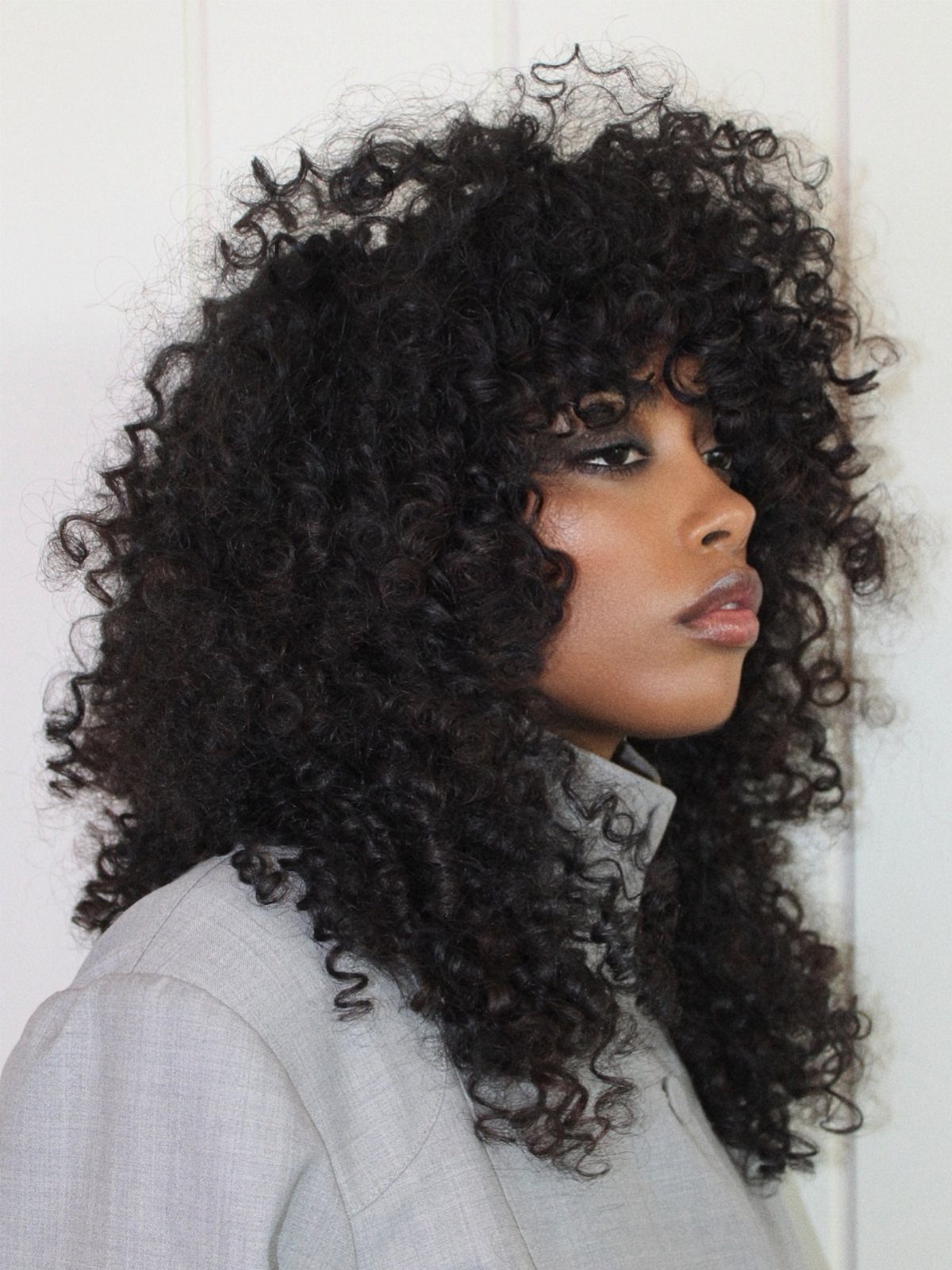
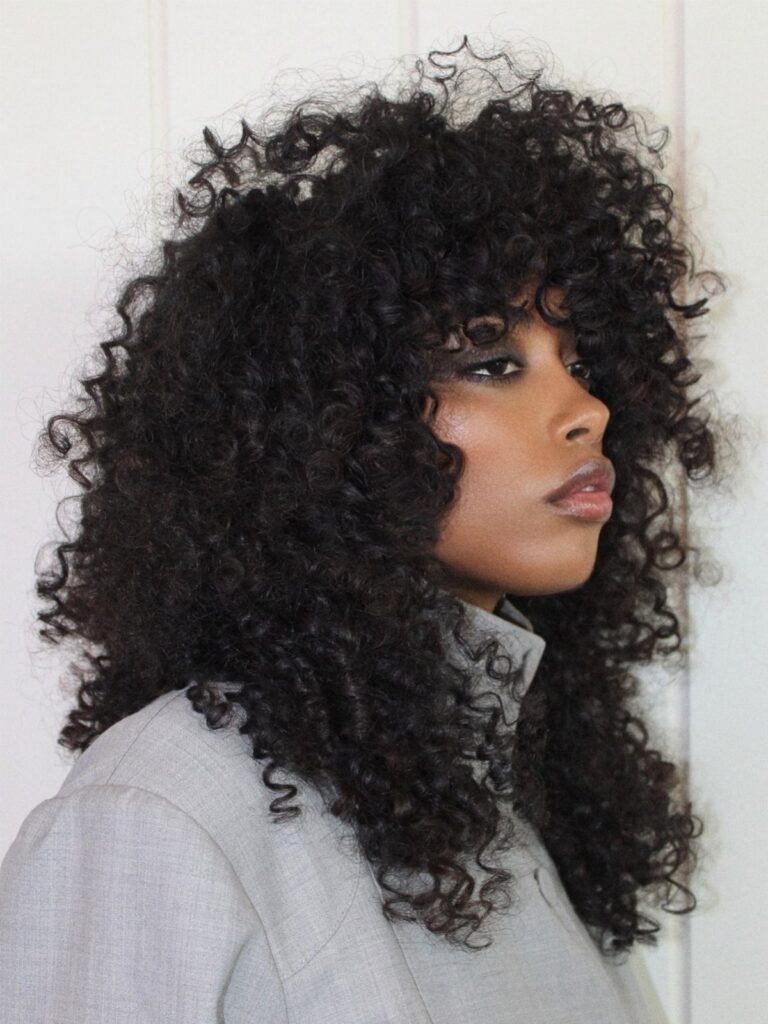
Shorter layers stacked through the crown lift curls away from the scalp and build a rounded, dramatic silhouette. The cut works by removing weight where it matters most, so each curl springs higher instead of pulling downward.
Ask your stylist to start the layers high on the head if you want maximum height. The shape reads boldest on curls whose texture already wants to expand outward.
The layers need a little styling each morning to define them and keep the shape even as it dries.
2. Medium Curly Shag
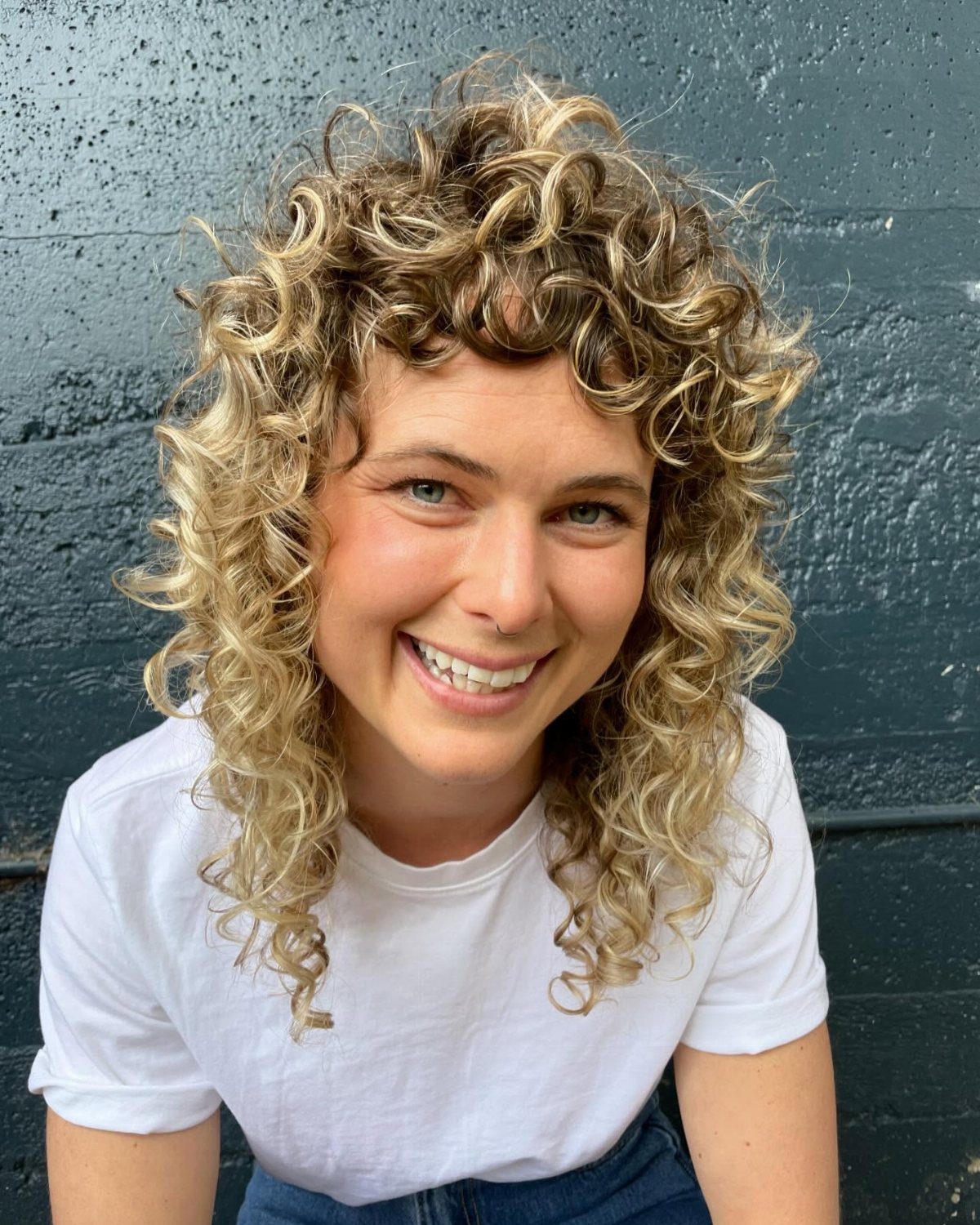
Aggressive layering through a medium-length cut removes bulk and pushes volume straight up through the crown. The shag relies on short interior layers and longer perimeter pieces to keep movement without losing the overall shape.
This cut suits high-density curls that tend to go wide instead of tall. The layers redirect the volume upward, so the silhouette lifts rather than spreads.
A diffuser sets the layers in place. Growth shows quickly in this shag, and the shape holds only if you keep up with trims.
3. Deep Layers on Curls
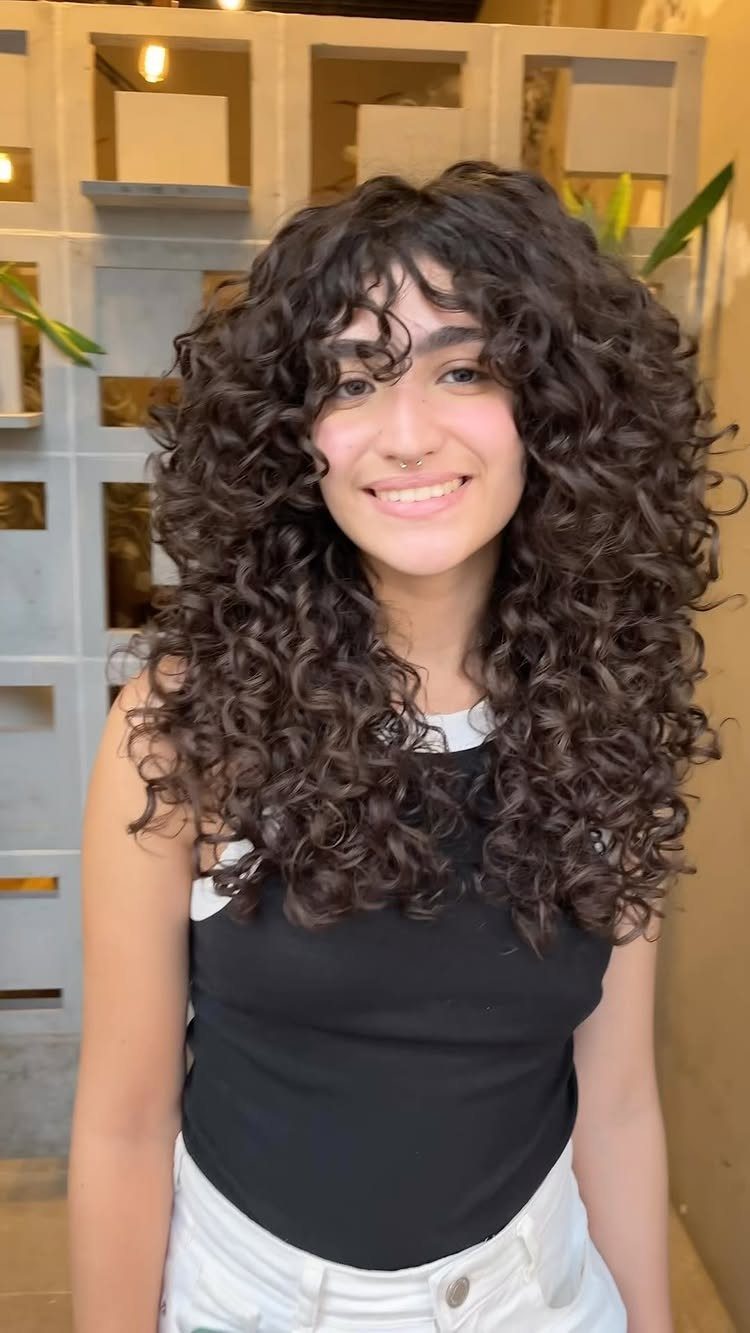
Deep layering carves into long curls to remove weight from the bottom half and shift volume toward the crown.
The technique leaves the longest layers several inches shorter than the perimeter, so the curls stack instead of hanging in one uniform length.
The cut works best on thick, type 3 curls that collapse under their own weight when left blunt. The layers need reshaping as the curls grow out and the weight returns.
A layered cut makes it look like your hair volume has increased, and the definition of the curls has improved. When different sections of layered curly hair have different lengths, the hair becomes more bouncy and looks thick.
4. Shoulder-Length Low-Curl Layers
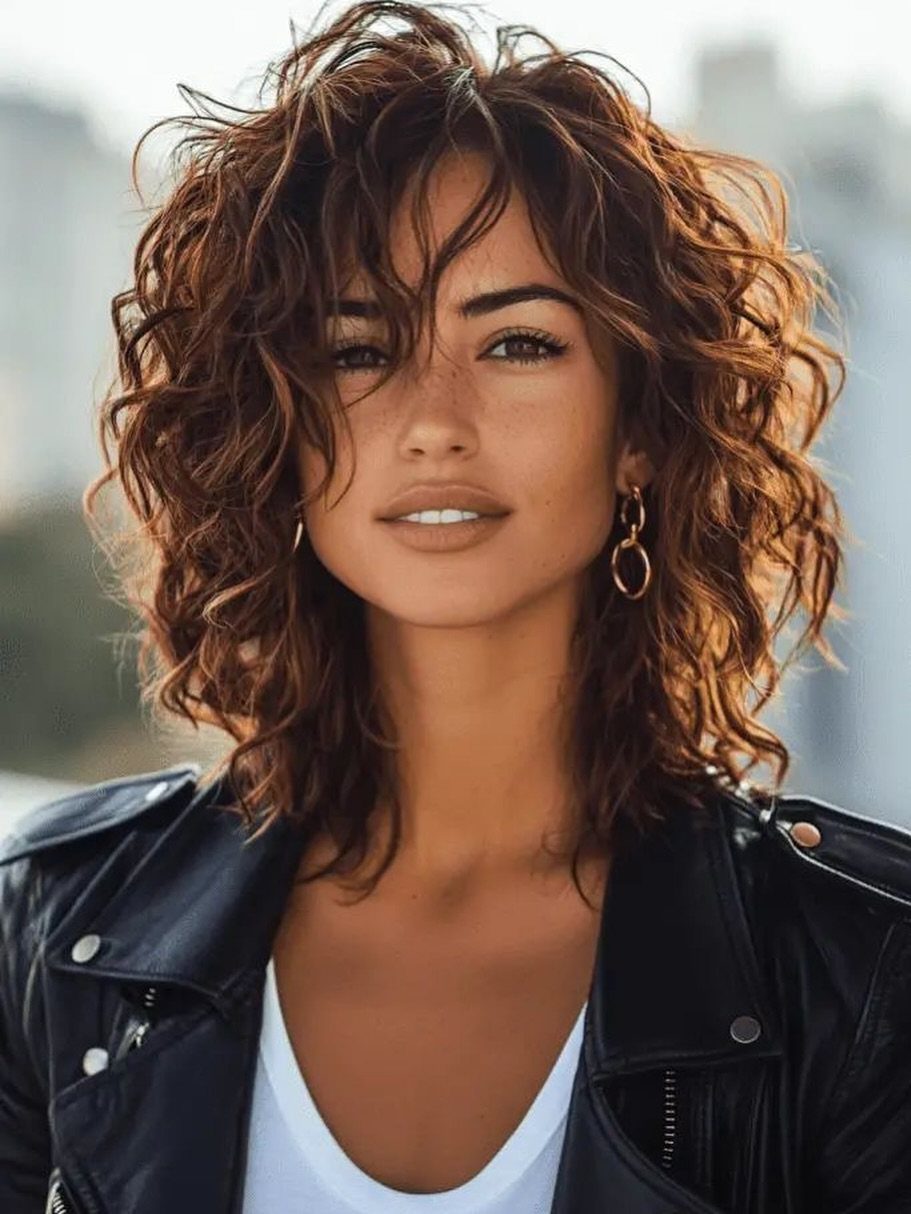
Layers cut into shoulder-length hair add movement to looser curl patterns without shortening the overall length. The technique spaces the layers closer together than a long layered cut would, so each curl sits slightly higher than the one beneath it.
This approach suits type 2 and low-3 curls that need lift without drama. The layers keep the shape manageable and prevent the bottom half from looking heavy or blunt.
5. Layered Curly Bob
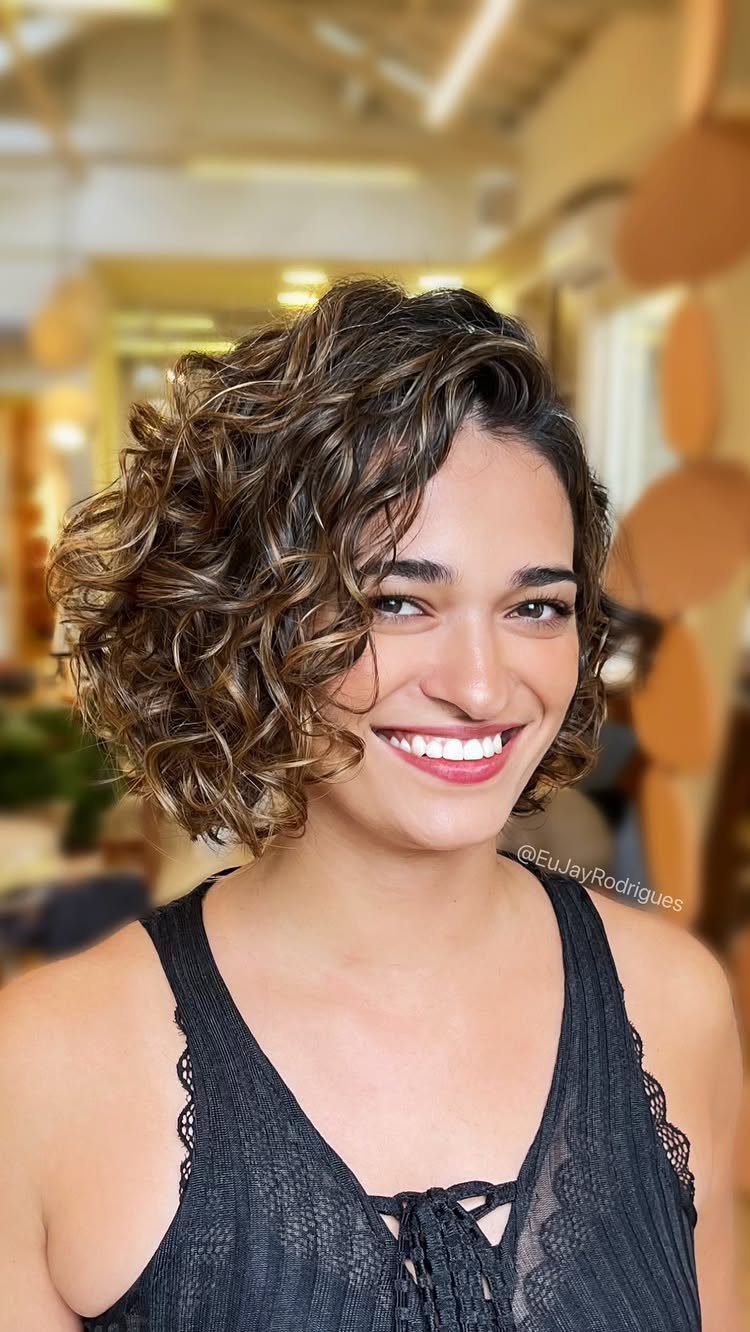
A bob cut with layers stacked through the interior keeps the rounded silhouette tight while adding bounce to each curl. The layers start near the crown and graduate outward, so the curls move independently instead of clumping into one mass.
This bob works on curls that fall between chin and shoulder length. The bob loses its bounce once the layers grow past their original length, so book a refresh before that happens.
6. Layered Lob
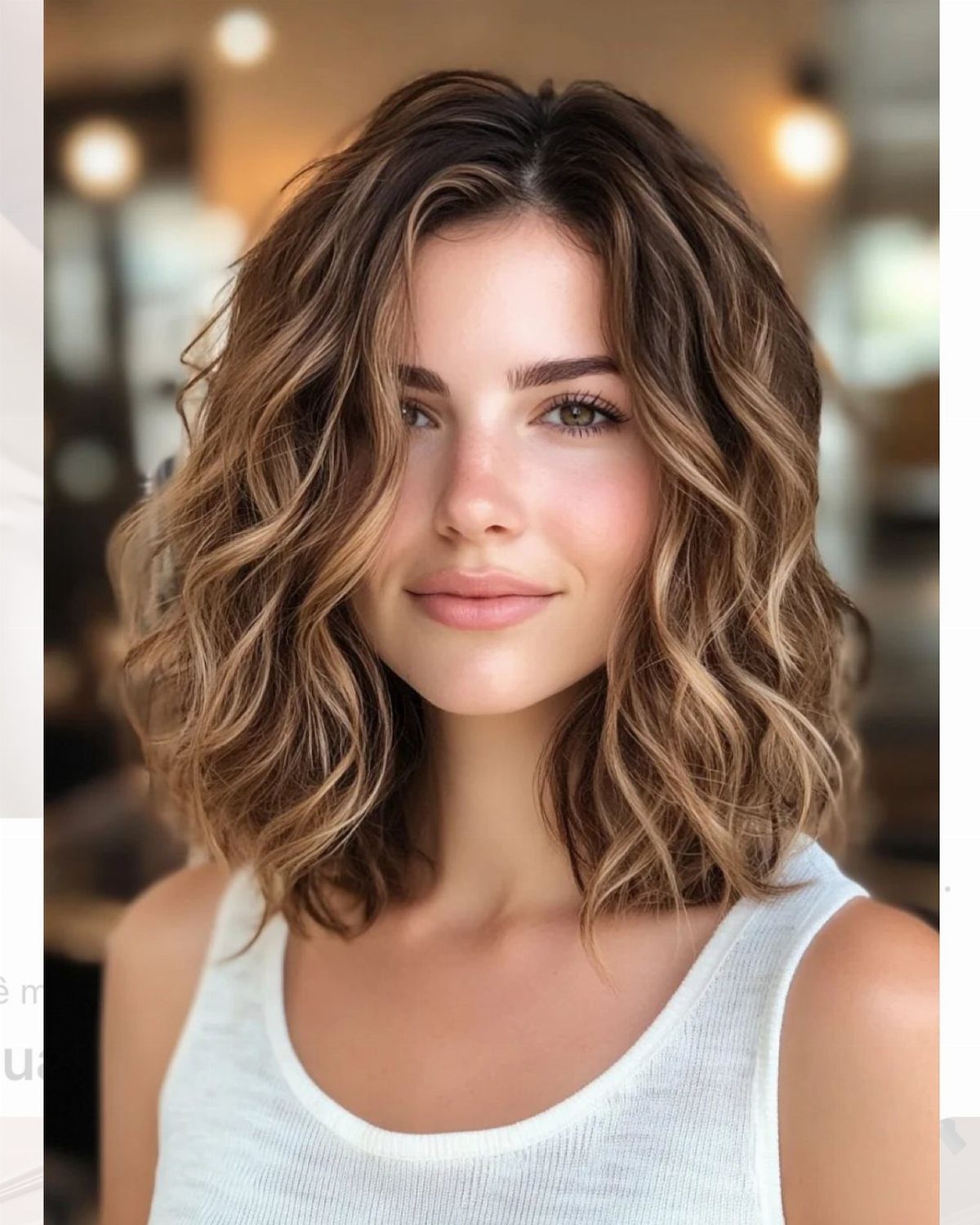
A lob cut with layers drops the length just past the shoulders and carves visible layers through the mid-lengths to keep the curls from stacking into a triangle.
The layers start around cheekbone level and graduate downward, so the shape stays balanced as the curls dry.
Looser patterns in the 2 and 3 range get structure from this cut without giving up length. The lob length holds color well, so ombré and highlights read clearly on the layered sections.
Plan for 8–10 minutes of styling with a diffuser or air-drying with a curl cream to define the layers.
7. Shaggy Bob
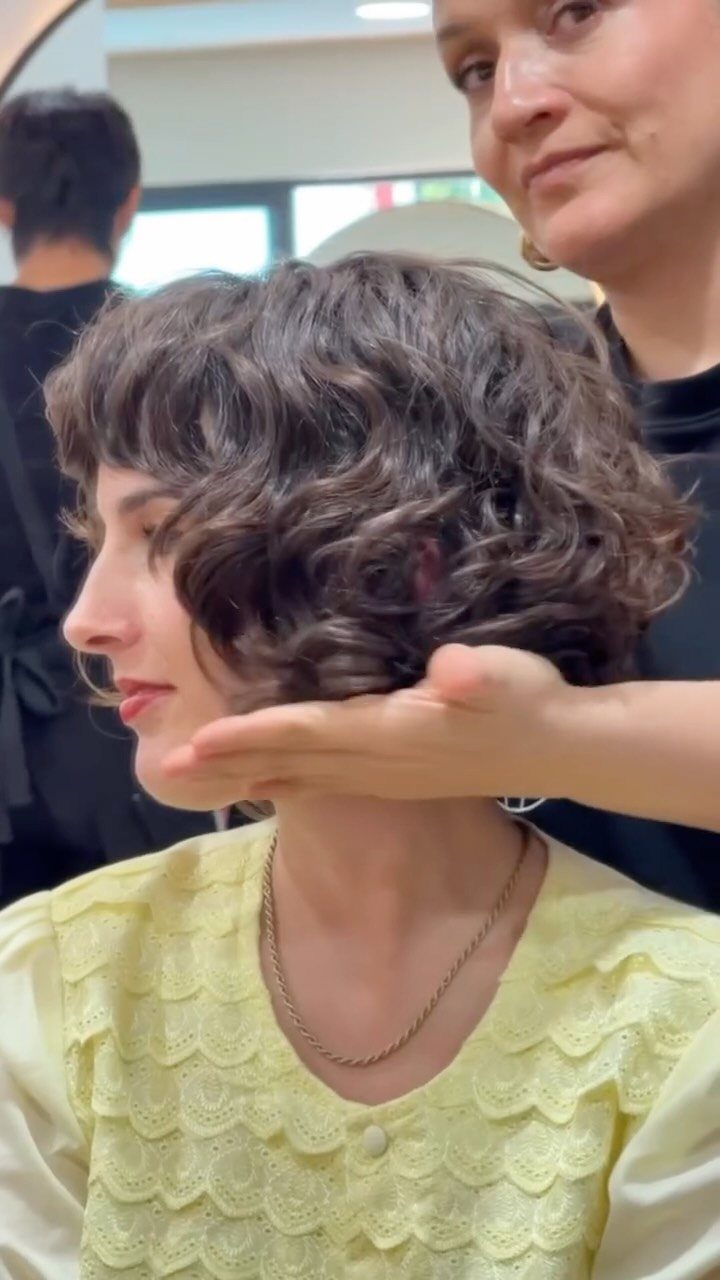
Bangs, short layers and a bob length put nearly all the volume at the top of this shaggy cut. The shape reads rounded and full instead of sleek.
When you book, ask for shag texture cut into a bob, with the weight kept high.
I would choose this over a plain layered bob if you like a lot of movement around the face. Bangs are a commitment, though, and they need trimming more often than the rest of the cut.
8. Long Layers
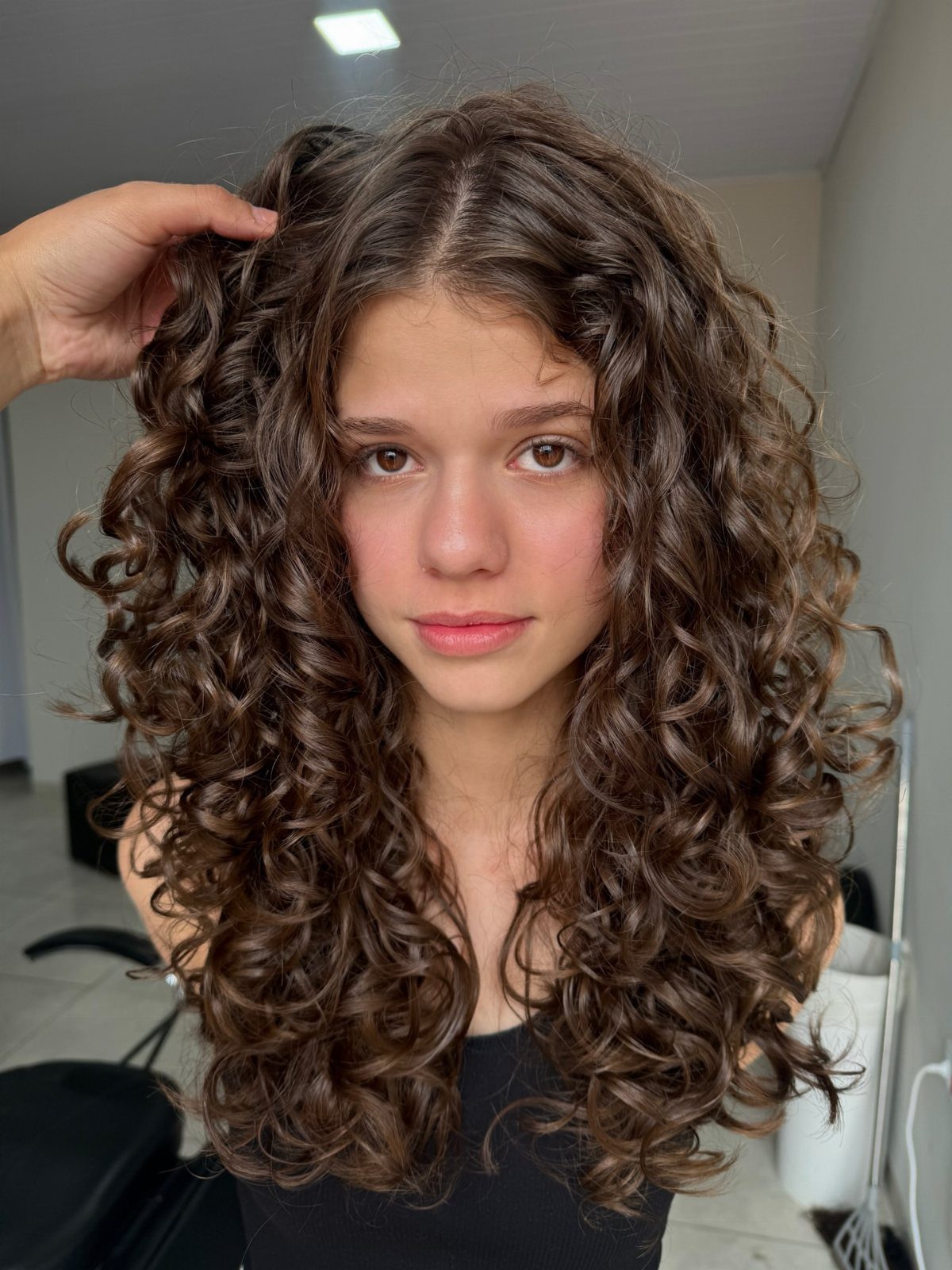
Long curls can stay long and still lose weight. Layers here do one job: they take bulk out so the curls move instead of hanging in one heavy sheet.
Tell your stylist the length is off limits and the layers are only for weight and bounce.
That request keeps the cut from drifting shorter than you planned. For anyone who does not want to give up inches, I prefer this to the deeper, more dramatic layering above.
9. Curly Pixie
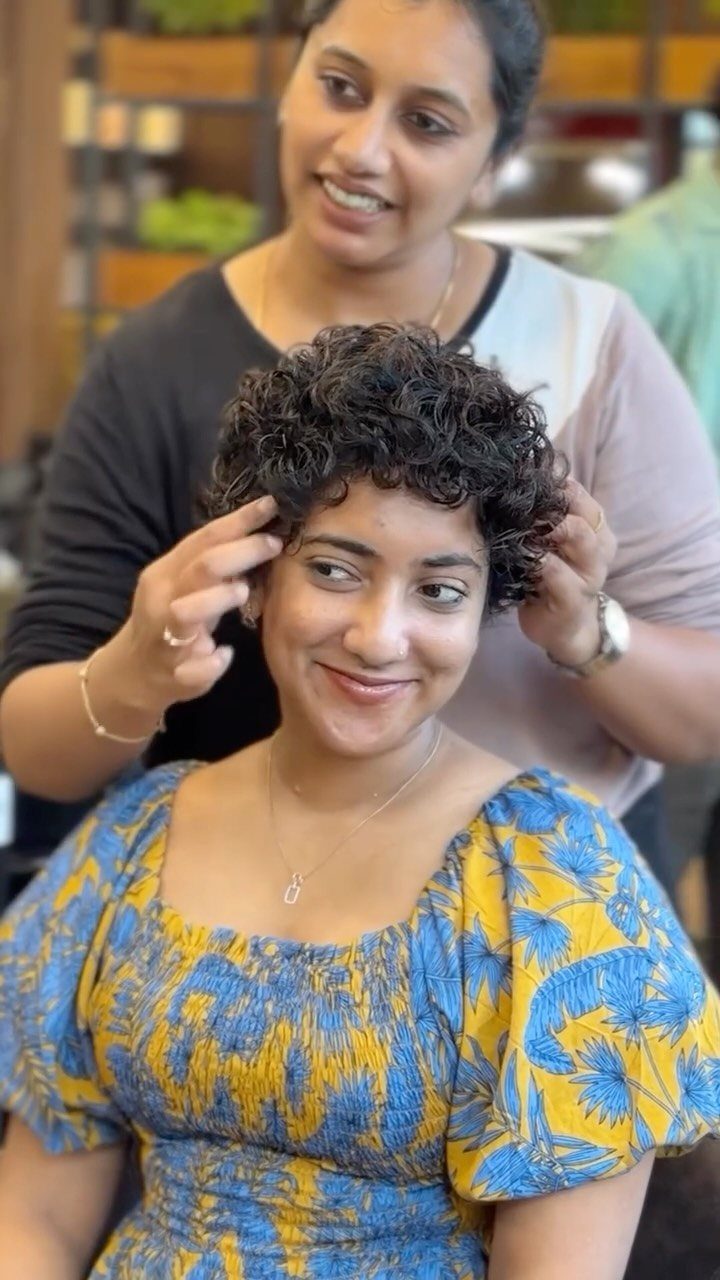
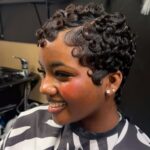
Short sides and back with longer curls left on top: that contrast is the whole cut, and it puts the curl pattern front and center.
Ask for the length to stay on top so the curls have room to coil.
I like a pixie for exactly that reason, since there is nothing to hide the texture. Regular trims keep the shape clear, because the contrast between the short and longer sections softens as the cut grows out.
10. Layered Tapered Curls
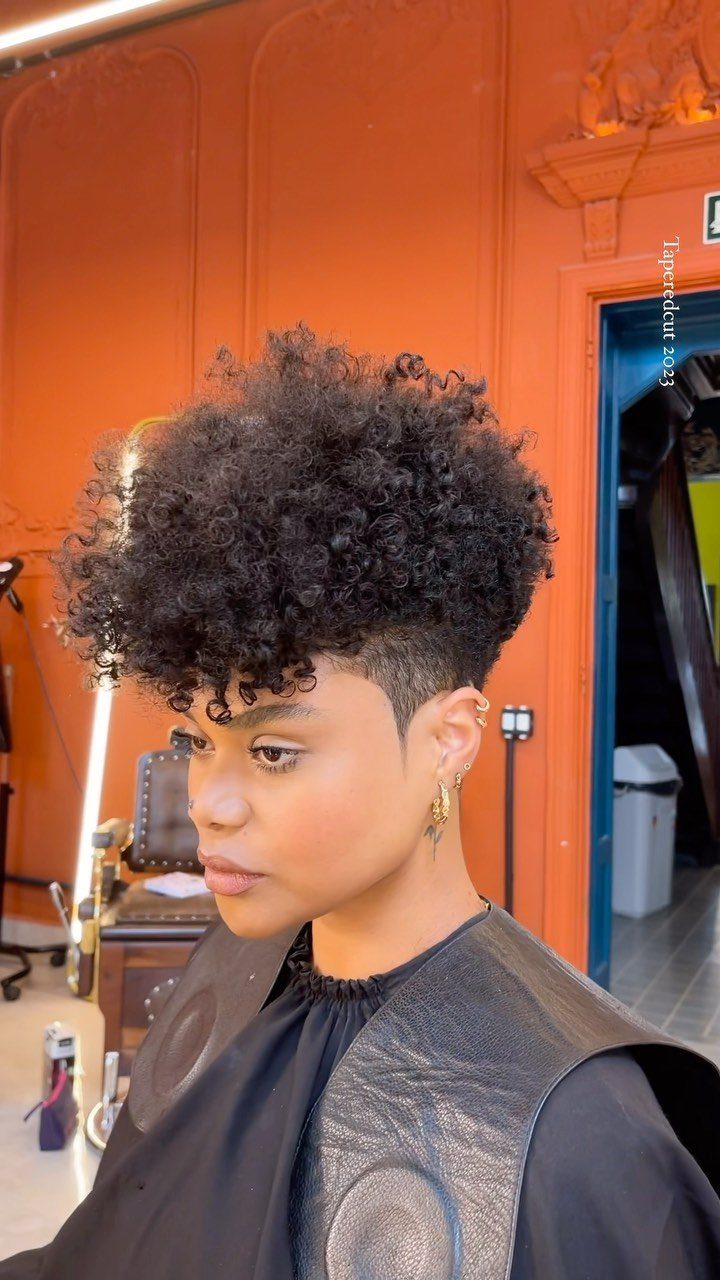
Call this one a taper. The hair stays longer on top and in front, then shortens gradually down the sides and toward the nape.
The gradual part matters when you talk to a stylist: ask for a blend, not a hard line between the long and short sections.
Closely cut sides make the volume on top look bigger by comparison, which is why I like this cut on anyone who wants height without a full pixie.
11. Wispy Curly Layers
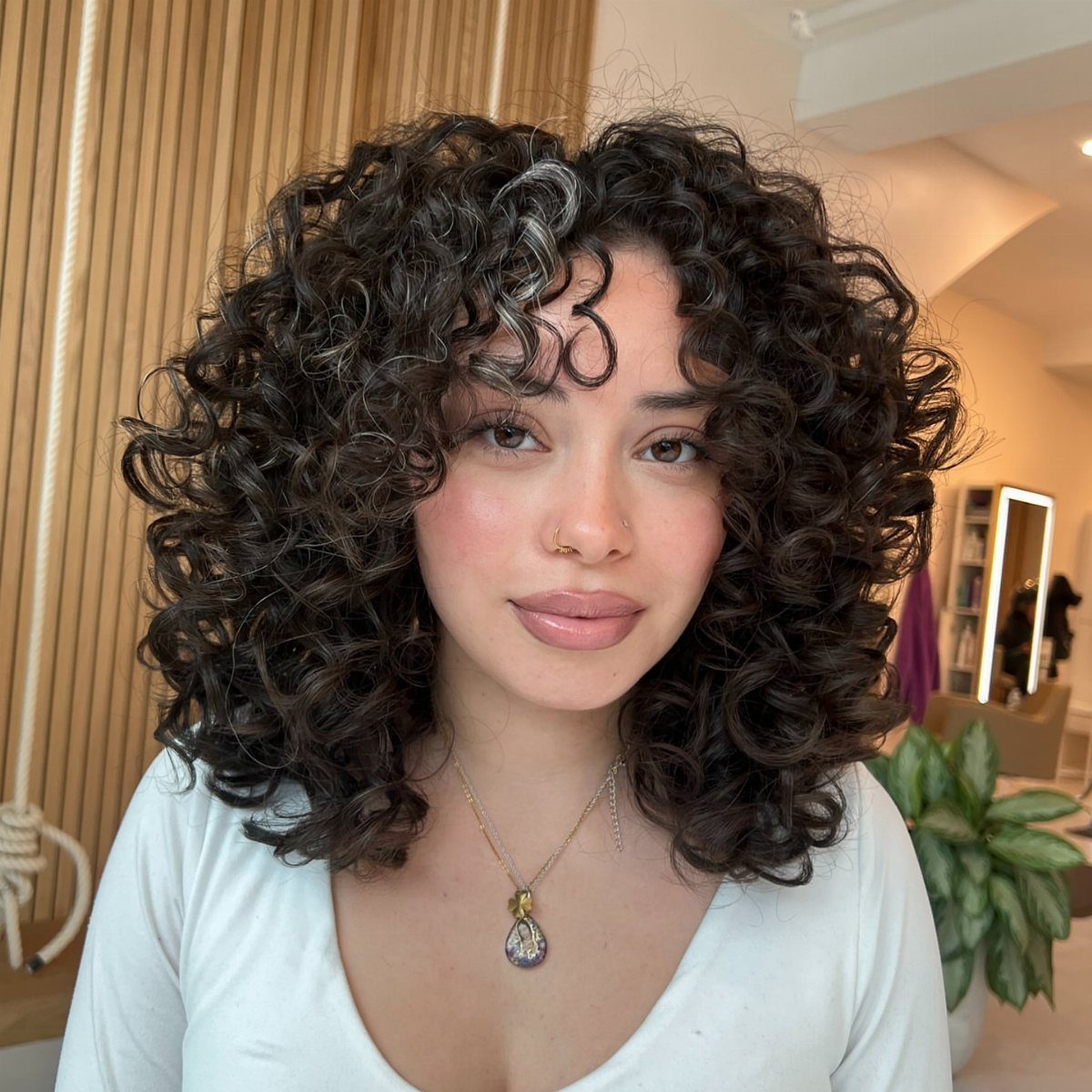
Fine layering and light texturing at shoulder length give curls a softer, more romantic outline than blunt or heavily stacked cuts do.
Ask for wispy ends and light texturing instead of big, defined steps.
I would pick this when you want softness over structure. Because the layers are subtle, the cut suits hair you plan to wear loose and a little undone.
12. Layered Ombré Curls
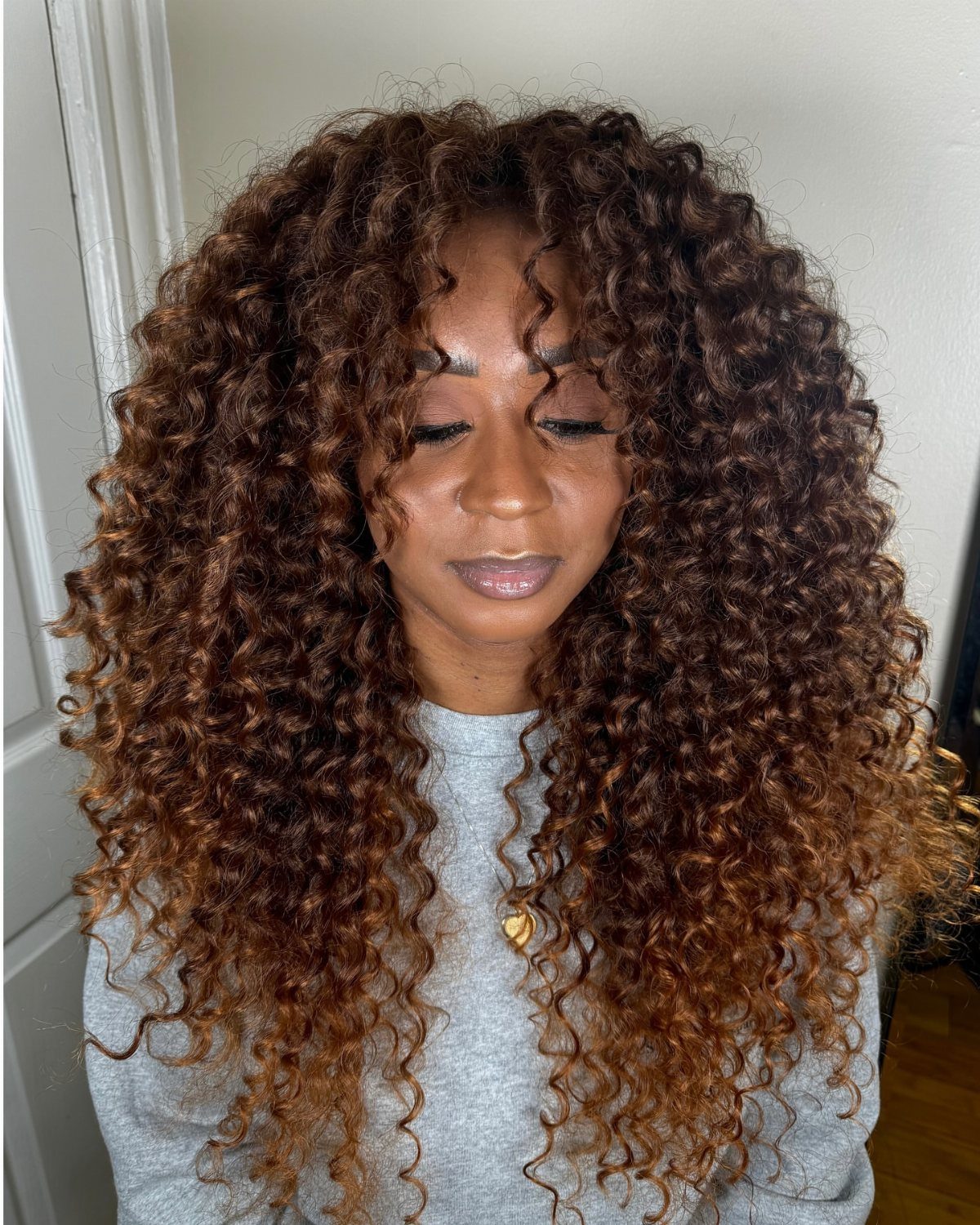
Layers and ombré work well together because the cut gives the color a shape to travel through. The curls stack at different heights, so the shift from dark brown roots to lighter ends shows in every section.
Bring the photo to both your stylist and your colorist, and ask them to plan the gradation around the layers. I would keep the transition soft, with the lightest shade reserved for the ends.
13. Layered Afro
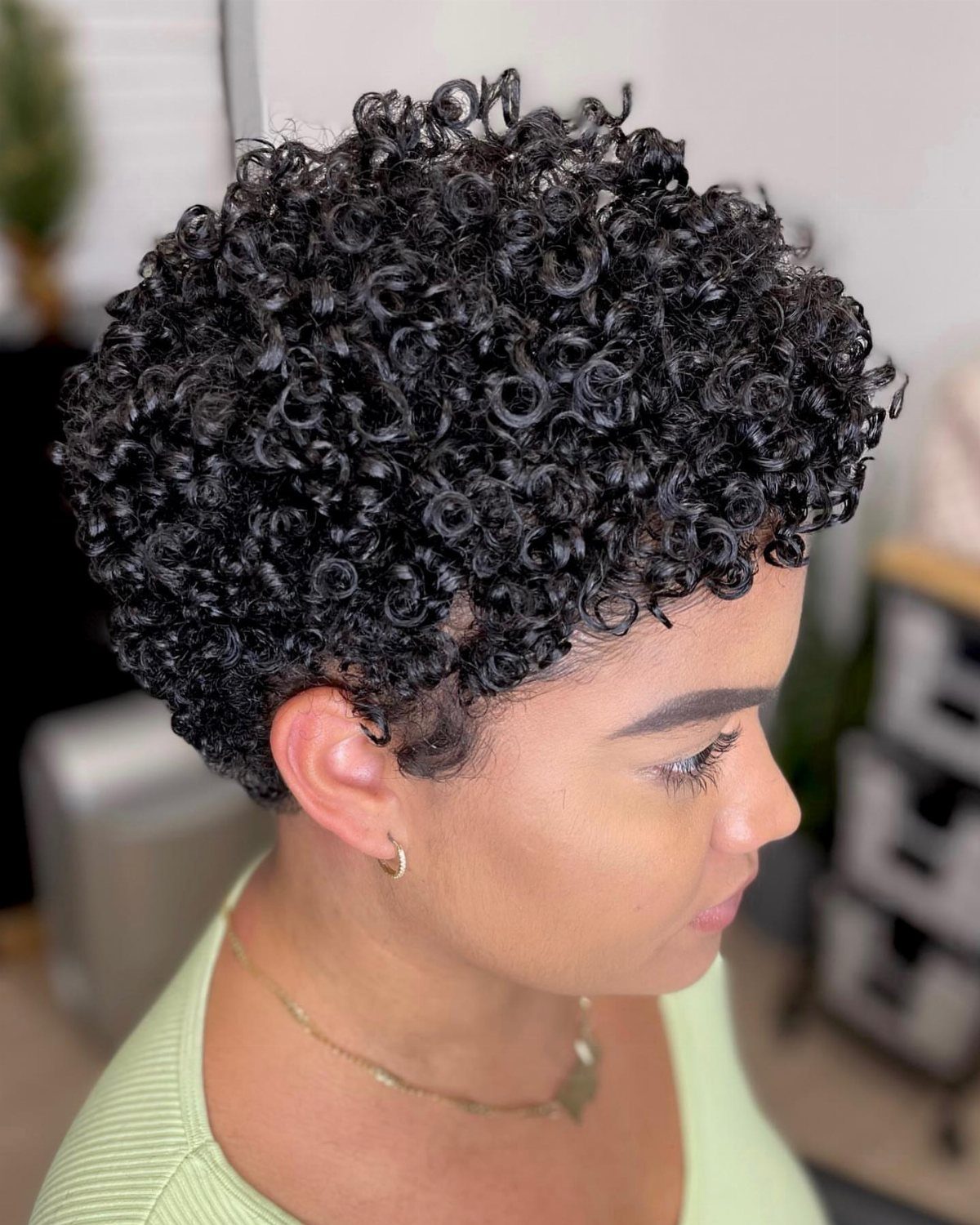
A dense, rounded crown with the layers cut short enough to show off tightly coiled 4B texture: that is what a layered afro gives you. The layers keep the outline even from every angle, including the side profile.
Ask your stylist to shape the cut while the hair is stretched, then check the outline again when it springs back. Coils shrink, so judge the final shape dry.
I like this cut for 4B hair because the roundness comes from the cut itself, not from styling tricks.
14. TWA

Cropped close to the head, a TWA (teeny weeny afro) lets 4B coils sit exactly as they grow, and short bangs give the front some definition.
If a layered afro feels like too much hair to manage, I would choose this one.
Less length means less to detangle and a faster morning. Ask for the length to stay even all over, with the front left a bit longer if you want bangs.
Trims keep the shape tidy as it grows, since a TWA starts to lose its outline once the hair gets longer.
Layer Upkeep and Styling
Plan on a trim every 2–3 months to keep the shape clean. Bobs and pixies sit at the short end, 6–8 weeks, while longer layers can stretch to 10–12.
Shags and pixies grow out fastest. Some stylists will say 3–4 months is fine, but I’d treat that as the outer limit for long hair only.
A cut kept on schedule is far easier to maintain than one you have to rescue.
How it grows out depends on whether you’re wearing it curly or straight. A wash-and-go will show uneven edges sooner as each section springs back differently, but a blowout evens things out.
Between trims, use hydrating curl products and go light on anything heavy, because thick formulas weigh down the lift the layers create.
Diffuse on low heat and low speed. Keep the shape alive with deep conditioner once a week, a silk pillowcase and heat styling only when you need it.
Dry Cutting and Stylist Communication
Ask for a dry cut.
Wet curls stretch, so a layer that looks right at the sink can land much higher or shorter once the hair springs back. A dry cut shows the stylist exactly how each curl sits and shrinks.
Before you book, ask to see photos of curly clients specifically, and ask whether the stylist cuts dry, wet or both. Knowing curls matters just as much as knowing how to cut them.
In the chair, say what the layers are for: crown volume, face framing or weight removal. If you’ve got 3C curls, say this: layer it dry, take out bulk inside, keep the length, round the shape.
That last request guards against the most common regret, walking out much shorter than planned.
Choosing Layers by Curl Type
Your curl type decides what those layers will actually do once you get home. Looser 2A–2C waves show long, feathered layers clearly because there is little shrinkage.
On 3A–3C hair, cut layers slightly longer than where you want them to land. 4A–4C coils shrink hard, so the placement has to be exact.
Density matters just as much. Fine hair needs gentler, spaced-out layers or the ends look wispy.
Face-framing layers are cut short to long, traditional style, so you get those curtain pieces up front.
Face shape adjusts where the layers start.
Frequently Asked Questions
Are layers good for curly hair?
Layers remove bulk so curls spring up instead of collapsing under their own weight, and they add movement and definition that blunt cuts smother.
Poorly placed layers can leave you with triangle-shaped hair or the same heavy shape you started with, so book a stylist who cuts curls dry and knows where layers belong on your pattern.
Can I still add layers to my curly hair if it is short?
Short curly hair takes layers just fine, from pixies to bobs. On short hair there is less length to work with, so layer placement matters even more, and a misplaced cut will push the shape wide at the bottom.