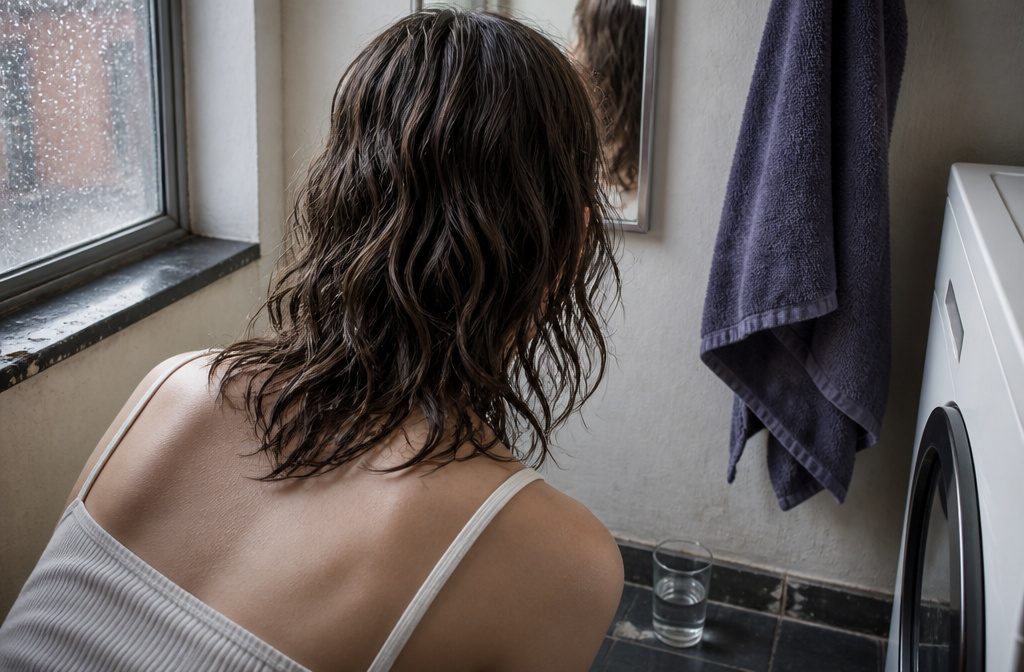
Air-dry your hair with no product and check the mid-lengths: loose, defined S-shapes that start there, over straighter roots, mean 2B.
Heavy creams and butters flatten those waves and leave the crown flat, so lightweight gel or mousse works better. Expect roughly 1 inch of shrinkage once it’s dry.
1. Identify Your 2B Waves
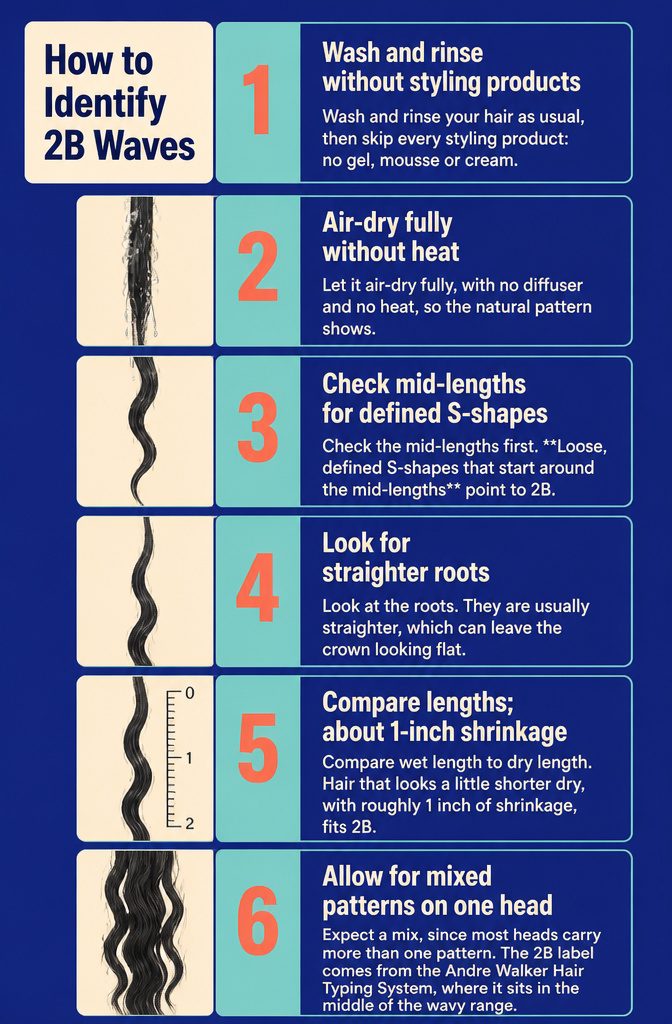
- Wash and rinse your hair as usual, then skip every styling product: no gel, mousse or cream.
- Let it air-dry fully, with no diffuser and no heat, so the natural pattern shows.
- Check the mid-lengths first. Loose, defined S-shapes that start around the mid-lengths point to 2B.
- Look at the roots. They are usually straighter, which can leave the crown looking flat.
- Compare wet length to dry length. Hair that looks a little shorter dry, with roughly 1 inch of shrinkage, fits 2B.
- Expect a mix, since most heads carry more than one pattern. The 2B label comes from the Andre Walker Hair Typing System, where it sits in the middle of the wavy range.
2. 2B Versus 2A, 2C and Curls
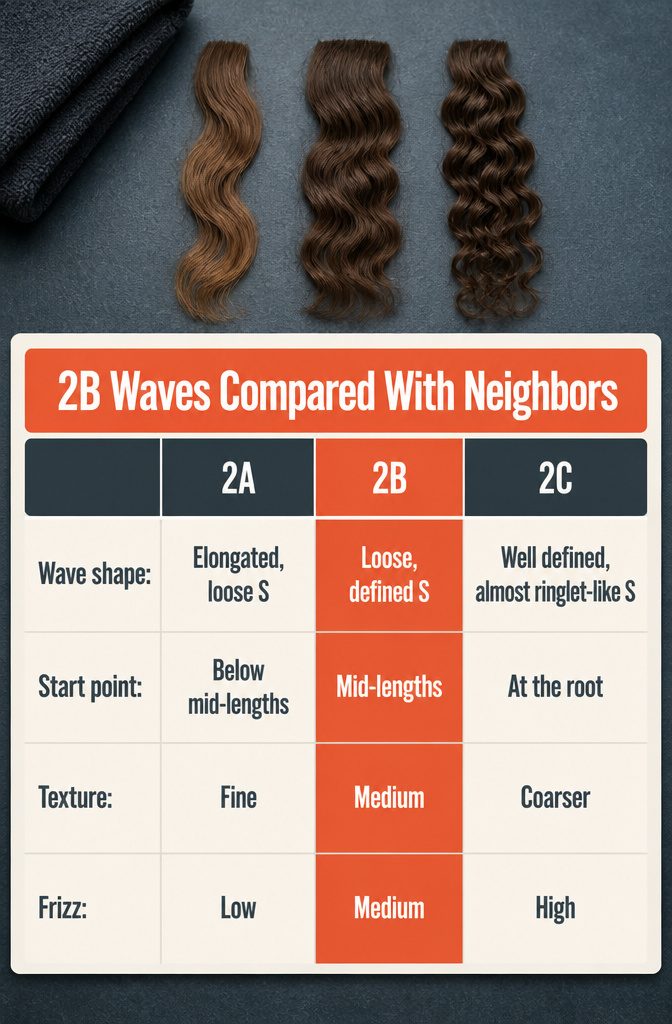
The difference between 2B and its neighbors is tightest where the pattern starts. 2A waves begin below the mid-length with very loose, elongated S-shapes and fine strands; the roots are straight and frizz runs low.
2B waves start at the mid-shaft, forming a more defined S while the roots stay straight, and frizz sits somewhere in the middle.
2C waves begin much closer to the roots with a tight, almost ringlet-like S and coarser diameter; frizz is high and the pattern can look like loose curls from a distance.
| Type | Wave shape | Where it starts | Strand texture | Frizz level |
|---|---|---|---|---|
| 2A | Elongated, loose S | Below mid-lengths | Fine | Low |
| 2B | Loose but defined S | Mid-lengths | Medium | Medium |
| 2C | Well defined, almost ringlet-like S | At the root | Coarser | High |
Some people call 2B curly rather than wavy, especially when the right routine tightens the pattern. Technically it sits in the wavy category, but the term lives in the middle ground and both descriptions get used.
One head often holds more than one pattern, so you might find 2B through most of the length and 2C underneath or at the crown.
3. Frizz, Flat Roots and Dry Ends
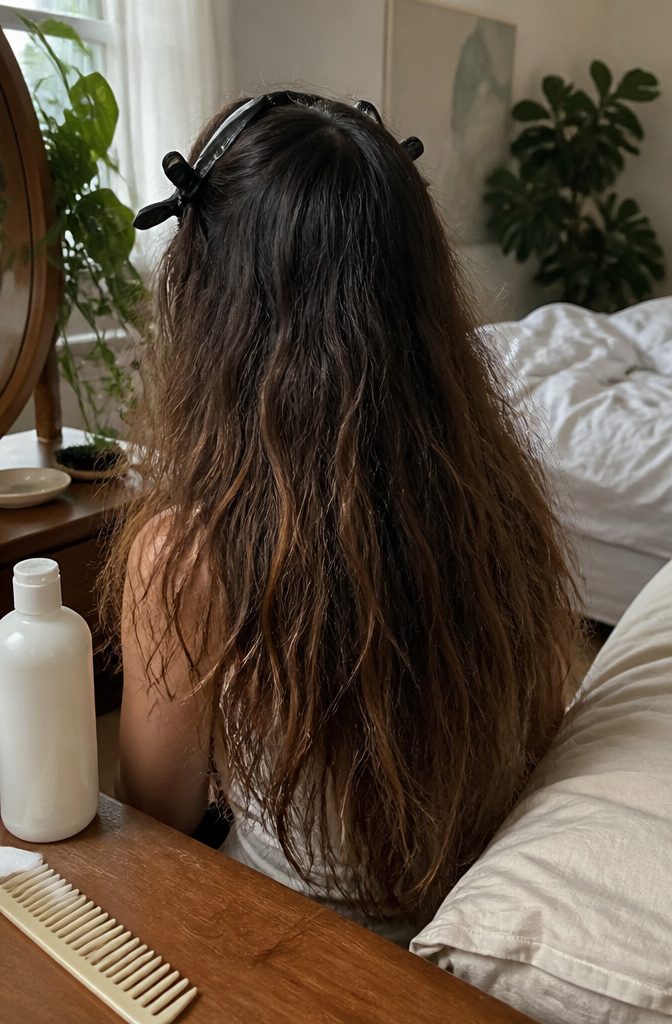
Flat roots are the most common 2B complaint, and the wave pattern itself is one cause: it starts farther down the shaft, so the crown lies straight and turns oily faster than the ends.
Heavy creams or butters near the scalp add to it. Tilt your head so your hair falls away from the scalp, clip small sections at the root, and wait 10–15 minutes for weighed-down waves to lift.
Frizz has several causes: humidity swelling a lifted cuticle, dryness, or raking and brushing that breaks up the wave.
Buildup can mimic dryness, so I try a clarifying shampoo before adding more moisture. A cotton pillowcase adds tangles.
4. Build a Gentle Care Routine
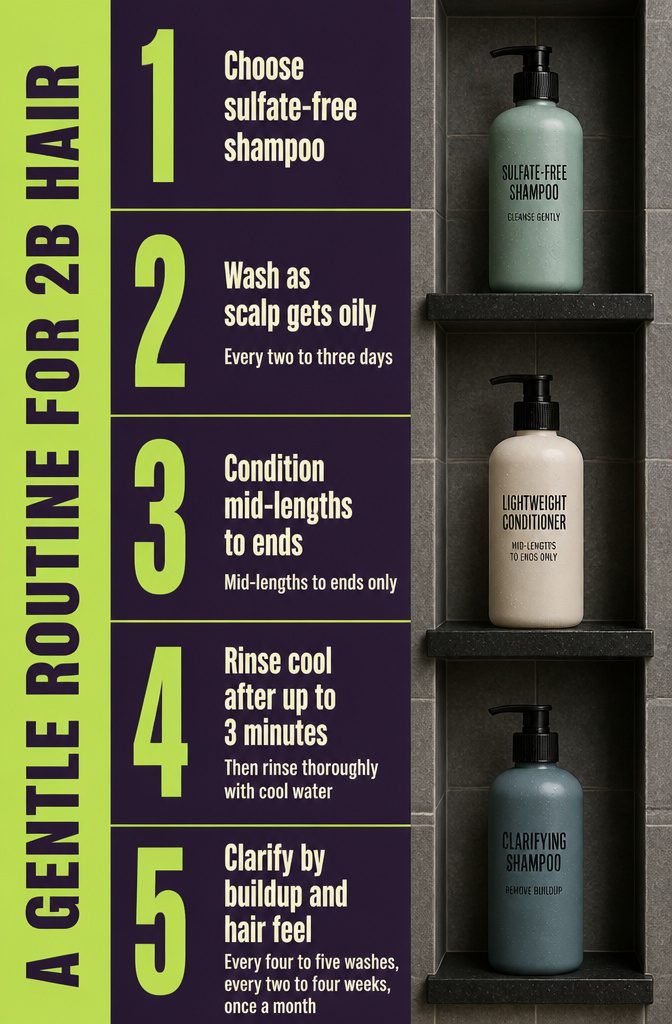
Start with a sulfate-free shampoo that cleanses without stripping natural oils. 2B roots tend to get oily while lengths stay drier, so regular washing matters.
How often depends on how quickly your scalp gets greasy. Every two to three days works for most people.
About every three days or when roots feel oily is another way to think about it. No more than two to three times a week keeps you from overdrying.
Follow shampoo with a lightweight conditioner applied mid-lengths to ends only.
Roots do not need it and conditioner there flattens waves. Let it sit for up to three minutes, then rinse thoroughly with cool water.
Add a clarifying shampoo to strip buildup, but the timing is all over the place.
Every four to five washes, every two to four weeks, once a month—sources disagree and none of them are wrong. Pick the interval that matches how much product you use and how heavy your hair feels.
5. Style and Dry the Waves
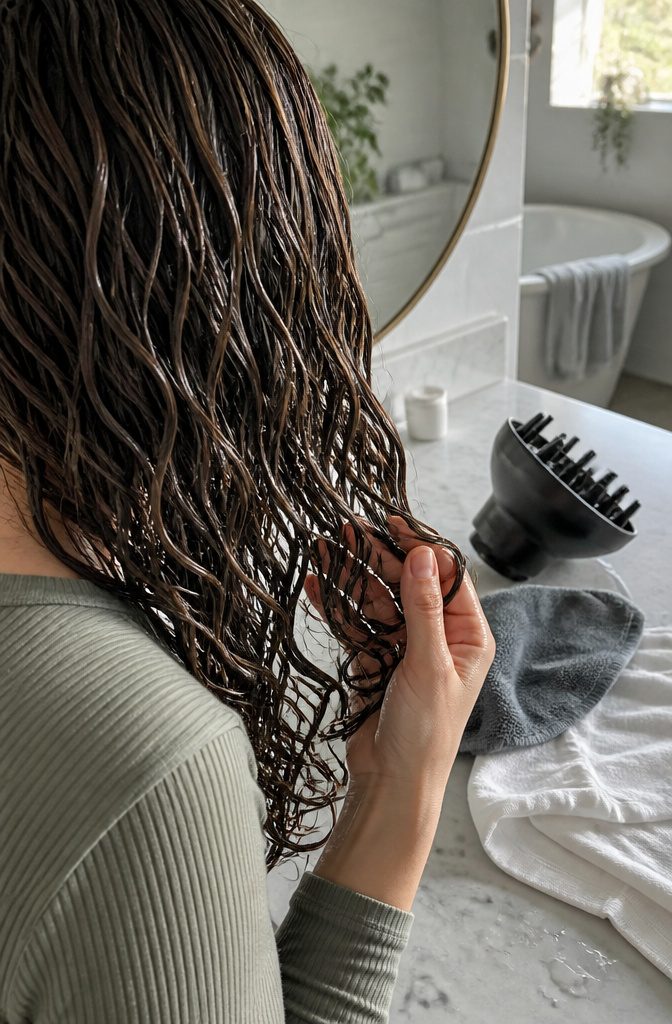
Wet hair takes product best, and a few choices decide whether waves stay defined or go limp:
- Apply product to soaking-wet hair. Water spreads it evenly and helps lock in the wave.
- Use a quarter-sized amount of gel, split between both hands, then scrunch upward from the ends.
- Blot with a microfiber towel or cotton T-shirt, never a rough towel.
- Plopping in that same fabric works, even overnight. Unwrap, scrunch in a little product, and go.
- Diffuse on low heat and low speed for volume when you’re short on time.
- Air-dry when you have the time. It gives a looser wave and no heat.
Cream versus gel is a real split. I lean toward gel, since creams can weigh down fine waves.
6. Refresh Between Washes
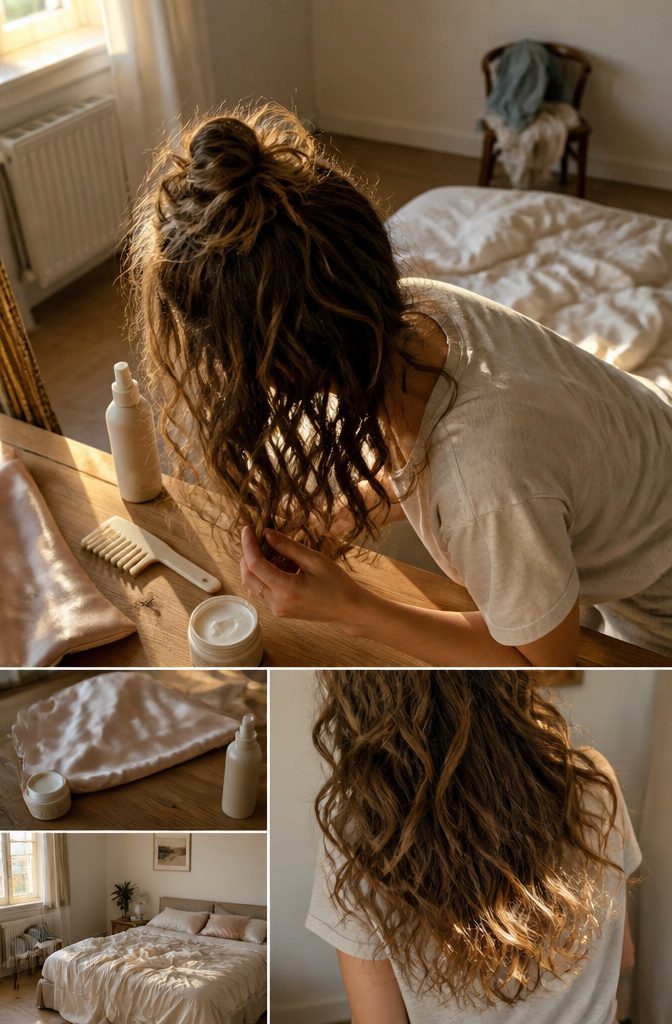
2B hair is easily weighed down by buildup, so a clarifying shampoo and conditioner belong in your rotation.
A volumizing dry shampoo handles greasy roots between washes. For a midweek refresh, scrunch with your head flipped forward and keep product off the roots, since flat roots are the most common 2B complaint.
Overnight, I prefer a loose pineapple at the crown on a satin or silk pillowcase, which cuts friction.
A loose braid adds definition once you undo it. Plopping also works: wrap damp hair in a cotton T-shirt or microfiber towel, flip upside down, then unwrap in the morning and scrunch in a little product.
Book a trim every three to four months, or every six to eight weeks if the hair is extremely damaged.
What 2B Hair Looks Like
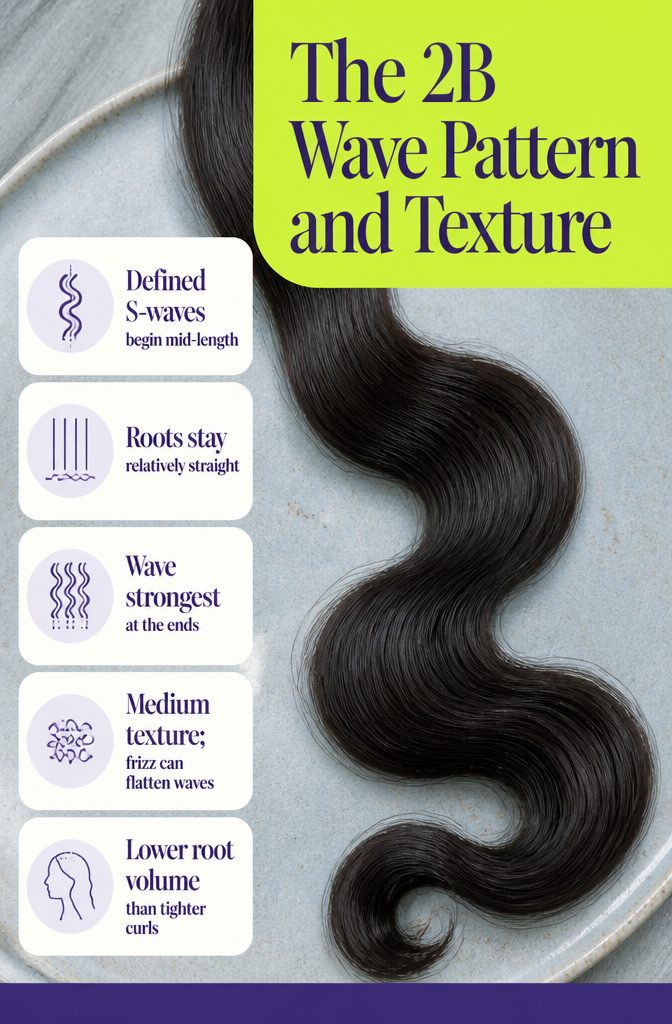
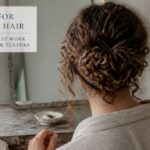
2B hair falls in defined S-shaped waves that start somewhere around mid-length rather than at the scalp.
The roots sit relatively straight or just barely bent, and the wave builds as you move down the shaft, finishing strongest at the ends.
This pattern puts it squarely between 2A, where the bend is subtle and barely holds, and 2C, where the wave tightens and starts closer to the root.
Texture varies.
Some sources describe 2B as medium-textured, neither fine nor thick, which makes it fairly cooperative when you’re styling. Others note that frizz is common and that the waves can fall flat without the right products.
Volume at the roots tends to run lower than you’d find in tighter curl types, since the straighter section near the scalp sits closer to the head.
Choose Lightweight Products
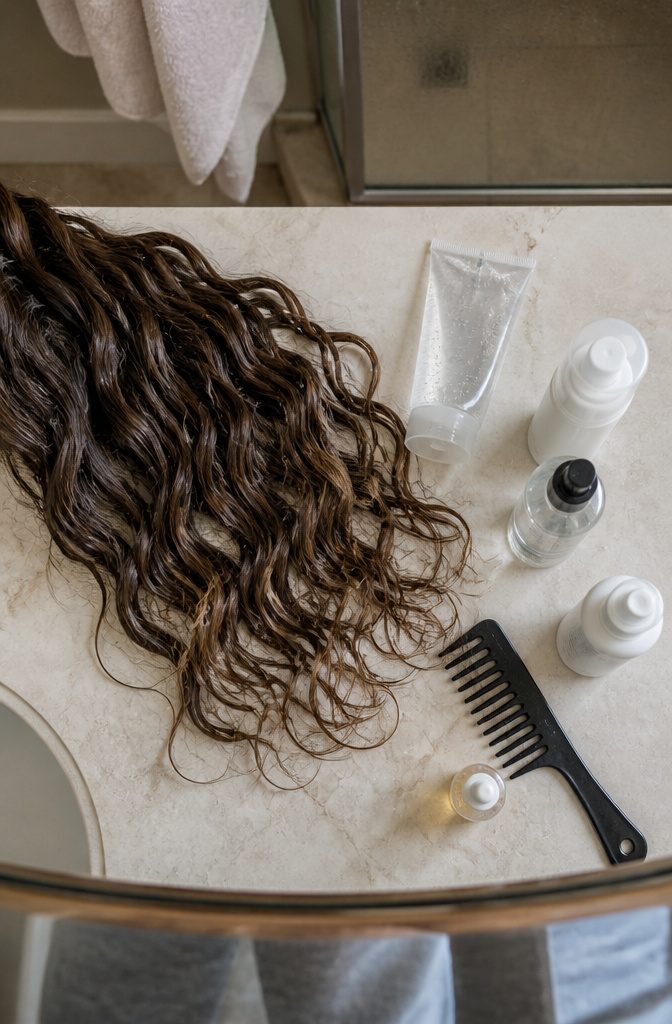
Every source and stylist will tell you the same thing: lightweight products are the only way forward for 2B hair.
Heavy creams and butters designed for coils will flatten your waves before you leave the house. The pattern needs definition and hold, not weight.
The product types that work best are curl mousse, curl foam, lightweight gel, leave-in conditioner and curl oil applied sparingly. PATTERN Curl Mousse shows up across multiple brand pages as a go-to for soft, bouncy definition without stickiness.
Curlsmith’s Bouncy Strength Volume Foam is designed specifically for root lift, and you can rake it into the base without disturbing the wave pattern lower down.
For hold that lasts, Pequi Medium-Hold Styling Hair Gel is the one Yahoo credits with compliments.
Curl creams are too heavy for my texture, so I’m fully on team curl gel to keep my waves bouncy and weightless.
— Yahoo
That preference for gel over cream is not arbitrary.
Gel forms a cast around the wave, locking in the shape and protecting it from humidity. Once dry, you scrunch out the crunch and you are left with definition that moves.
Haircuts and Style Ideas
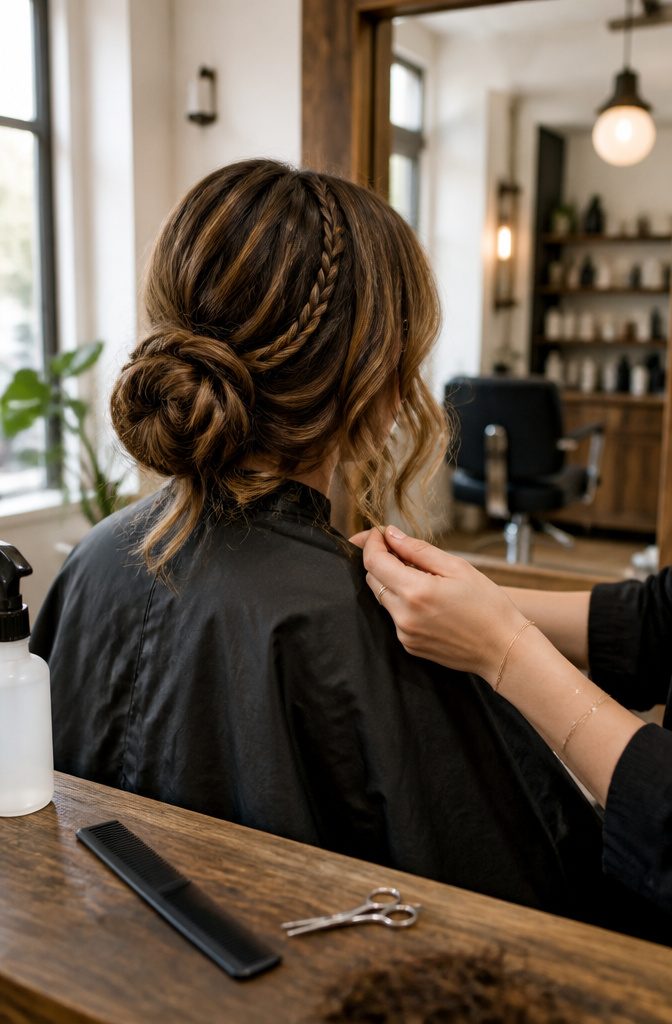
Five looks suit 2B waves, and layers are the one I’d try first:
- Layers: If your waves fall limp and flat, layers from a professional add definition and texture. Depending on your length, mullets and shags give a modern, dimensional shape.
- Curtain bangs: They frame the face and show off your wave pattern, and they work on most 2B lengths.
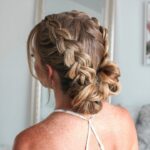
- Loose buns: A low, loose bun lets the waves frame your face. Messy buns and half-up styles pull back just as well.
- Baby braids: Small, face-framing braids add a trendy twist.
- Highlights or balayage: Both add dimension and shine.
Every one of these looks better on a fresh shape.
Plan a trim every 3–4 months, or every 6–8 weeks if your hair is extremely damaged, so split ends don’t spread. I’d book the next appointment before leaving the chair.
Men’s 2B Hair
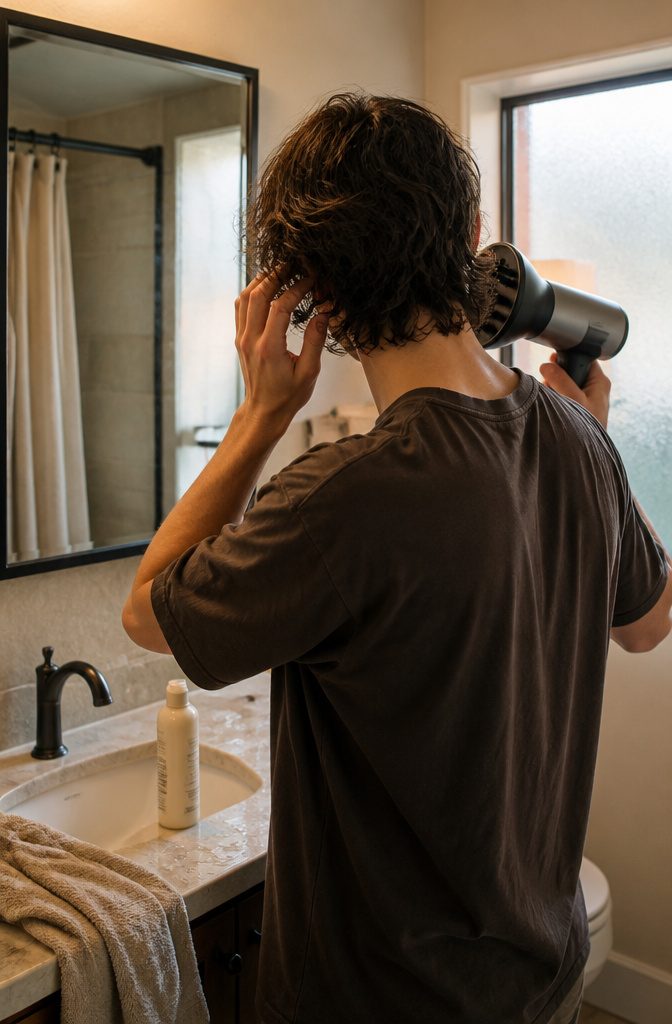
Men with 2B hair get the most from the cut, so ask the stylist for textured layers.
They give the waves room to bend instead of stacking into one heavy, flat shape. I’d skip anything thick or greasy and work a lightweight styling product through damp hair, since it defines the wave without weighing it down.
After the product goes in, flip your hair from side to side with your fingers. That adds movement and keeps the part from settling into one spot.
For extra shape, dry it on a low-heat diffuser setting and cup the hair gently instead of rubbing. High heat roughs up the surface, and 2B hair already leans toward frizz.
Frequently Asked Questions
What is 2B wavy hair?
2B is a wavy hair type with loose, defined S-shaped waves that begin around the mid-lengths, while the roots stay straighter.
It sits in the middle of the wavy range in the Andre Walker Hair Typing System and has a medium texture, neither fine nor coarse. Because the roots lie flatter, the crown can look less full than the ends.
What is the difference between 2A, 2B and 2C hair, and how do I tell which I have?
The three types differ in where the wave starts and how tight it is. 2A waves begin below the mid-length and are loose, fine and low in frizz.
2B waves start at the mid-shaft with a more defined S, and 2C waves begin much closer to the roots with a tighter, almost ringlet-like shape and coarser strands.
To check yours, wash your hair, skip all products, let it air-dry fully, and see where the S-shapes begin.
How often should you wash 2B hair?
Every 2–3 days works for most people with 2B hair, and washing no more than 2–3 times a week keeps the lengths from drying out.
2B roots tend to get oily faster than the ends, so let how quickly your scalp gets greasy set the schedule.
What is the best haircut for 2B wavy hair?
Layers are the first cut to try, since they add definition and texture when 2B waves fall limp and flat.
Curtain bangs also work on most 2B lengths and frame the face while showing off the wave pattern. Book a trim every 3–4 months, or every 6–8 weeks if the hair is extremely damaged, so the shape stays fresh.