Comb-tip applicator bottles, fingertip scalp massage, light panels that strap to your head and aloe straight from the plant all skip the ingredient list entirely.
Sudden thinning, bare patches or loss that looks nothing like what runs in your family should go to a doctor for labs and a close look at your scalp first.
Braids pulled too tight, relaxer damage, thyroid trouble and prescription side effects each need a different fix.
1. Red Light Therapy
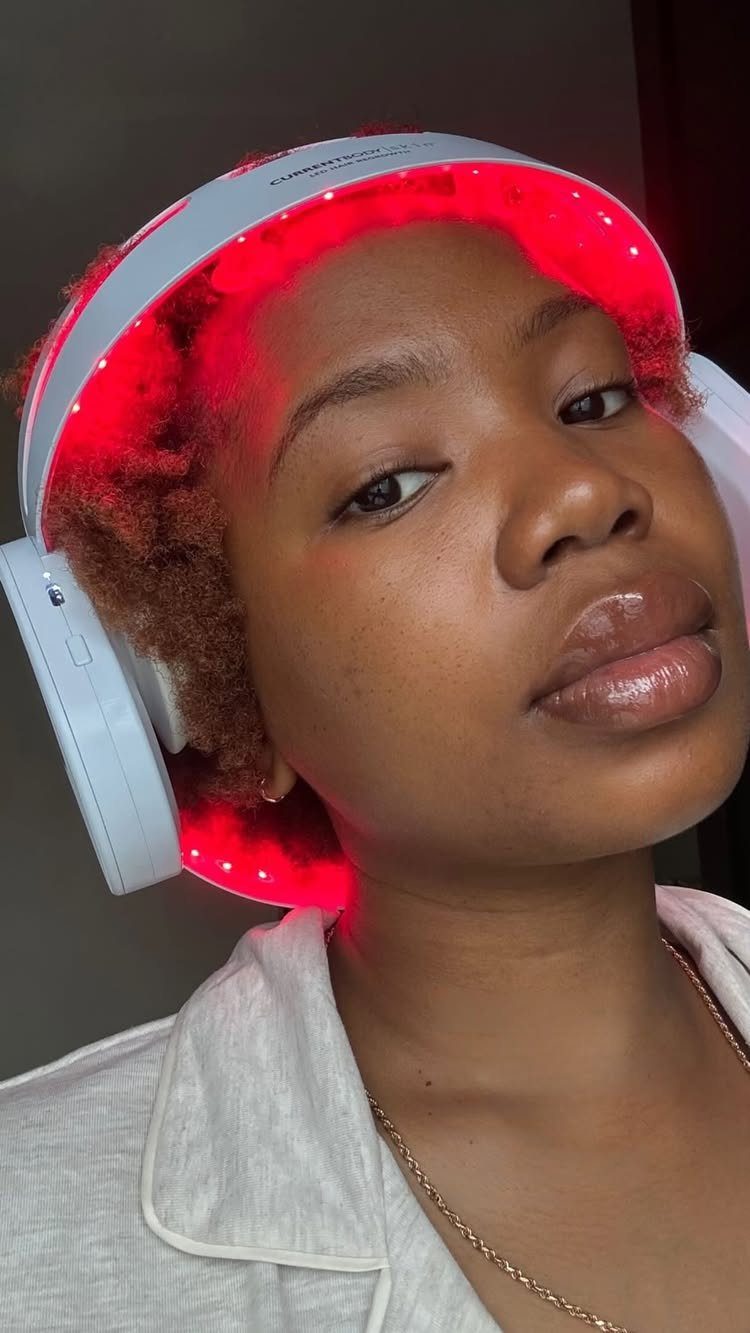
Low-level red or near-infrared light devices sit on the head and deliver wavelengths that may support circulation and follicle activity. The headset design keeps your hands free while the light does its work.
At-home devices make this easier to fit into a routine than booking clinical sessions. Look for models with wavelengths tested in hair-growth research, typically in the red to near-infrared spectrum.
2. Fresh Aloe Vera Gel
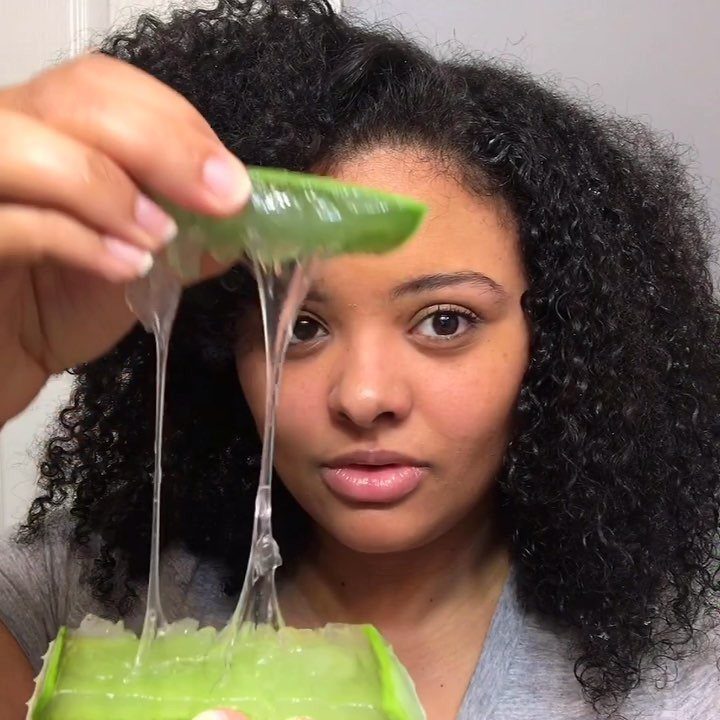
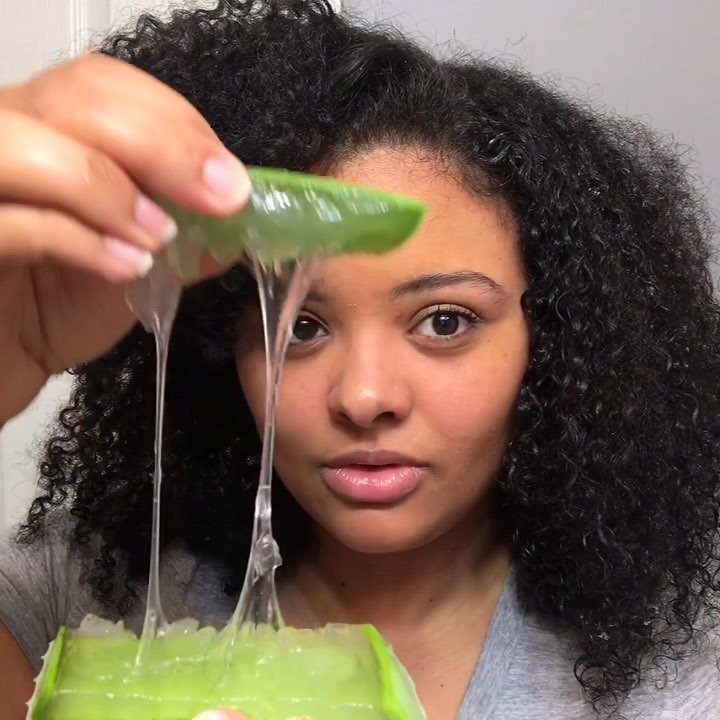
Cut a fresh aloe leaf lengthwise and scrape out the clear gel inside. The gel is full of enzymes and polysaccharides that soothe the scalp and moisturize without weighing hair down.
Apply it straight to your scalp, let it sit, then rinse.
Some people mix it with a carrier oil or a few drops of essential oil if they want added slip or scent. Aloe is mild and tends to work for most scalp types, even sensitive ones.
3. Scalp Massage
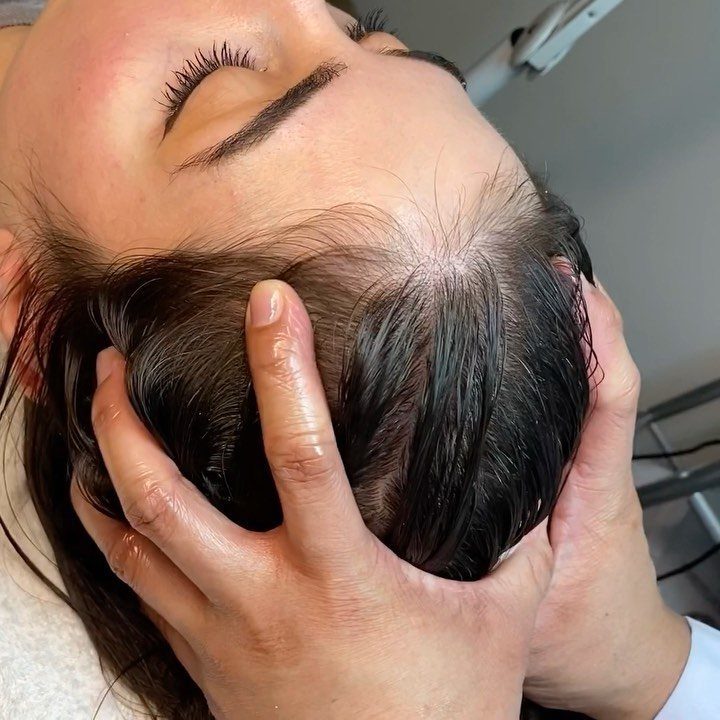
Using your fingertips, press and move in small circles across your entire scalp, spending a few minutes on it a few times a week.
The pressure stimulates blood flow to the follicles, and the routine itself gives you a chance to check in on how your scalp feels.
I like doing this during shampooing when hair is already wet and easier to work through. You can also use a silicone scalp brush for more grip or to save your hands.
A 2019 study showed that scalp massaging improved hair growth, blood flow, and scalp health in people.
4. Scalp Applicator Bottle
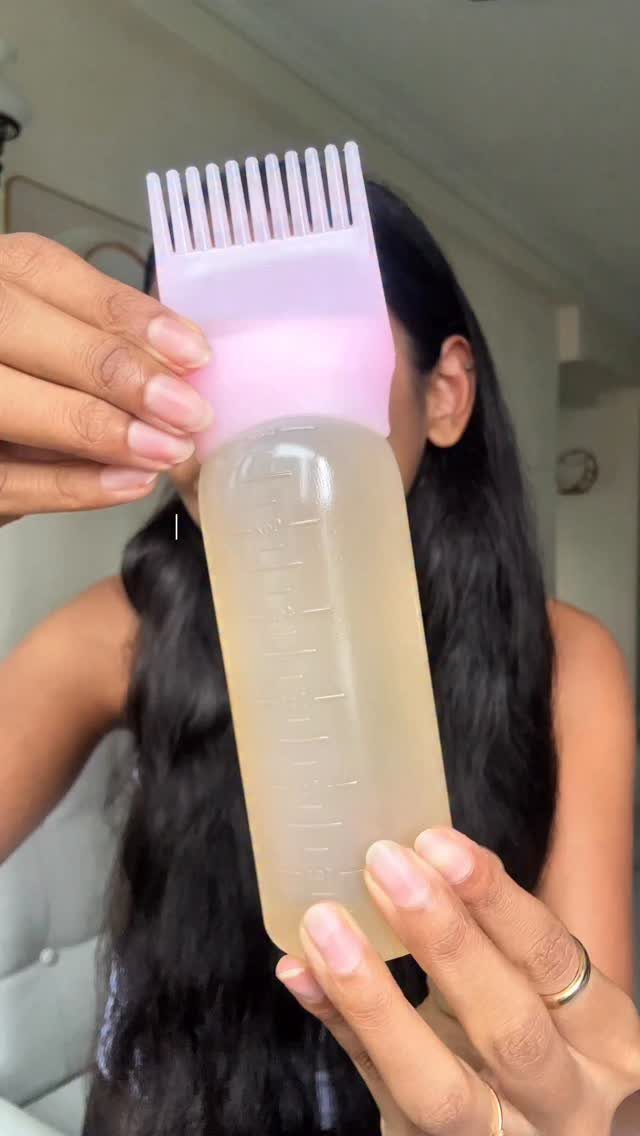
A squeeze bottle with a comb applicator tip lets you place oil, serum or diluted treatment right onto your scalp without coating the lengths.
The comb separates the hair so the product lands on skin, which helps with thick hair or anything thin that would otherwise run.
Fill the bottle with your treatment, part small sections and squeeze gently as you move across your scalp. This keeps things tidy and gives you better control than pouring from a regular bottle.
Hair Loss Causes Vary
Genetics and age account for most cases of thinning, but hormonal shifts, autoimmune conditions, thyroid imbalance, scalp infections and certain medications all produce hair loss too.
Trichotillomania, a mental health condition that drives hair pulling, and scarring alopecia, which destroys follicles permanently, require different approaches than simple breakage.
Tight hairstyles, chemical exposure and illness can also play a role. If you notice sudden or patchy loss, or loss that doesn’t match a family pattern, see a healthcare provider.
Blood work can show thyroid function, nutrient levels and markers of autoimmune activity, and a scalp exam rules out infection. Picking a remedy before you know the cause is guesswork.
Avoid Hair Damage
Gentle handling matters more than most products. Hair is weakest when soaked, which is why I pat it mostly dry in a microfiber towel first and only run a brush through once the dripping has stopped.
A wide-tooth comb pulls less than a paddle brush, and fingertips press the scalp better than fingernails, which scratch and irritate.
Skip hot oil treatments and keep heat tools on the coolest setting that works.
Blow dryers, flat irons and curling wands all weaken fragile strands over time. Tight ponytails, braids and buns tug at the root, and repeated tension causes breakage around the hairline and crown.
Chemical relaxers, perms and bleach inflame the scalp and damage the hair shaft, especially when applied at home without professional timing.
If you color or process your hair, book a salon appointment and trim split ends regularly to stop them from traveling up the strand.
Supplements Need Caution
Biotin, vitamin D and certain amino acids can help regrow hair in people with documented deficiencies, but there’s no evidence that supplementing works for those who already eat a balanced diet.
Overdoing it on vitamin A, E or selenium can actually thin your hair instead of helping it, so more isn’t always better.
A doctor can order blood work to check your levels before you start taking anything.
If you’re deficient, targeted supplementation makes sense. If your levels are normal, adding more won’t speed growth and may backfire.
Frequently Asked Questions
What are the best natural remedies for hair?
Red light therapy devices, fresh aloe vera gel, regular scalp massage and gentle handling all support healthier hair without synthetic chemicals.
Red light wavelengths may boost circulation to follicles, aloe soothes the scalp and adds moisture, and massage with your fingertips stimulates blood flow. A scalp applicator bottle helps place treatments directly on skin instead of coating the lengths.
What to drink to stop hair loss?
Green tea’s antioxidants may block DHT, the hormone behind pattern thinning, and calm inflammation on the scalp.
Drink a cup or two each day, or pour cooled brewed tea over your hair after you shampoo. Beverages rich in vitamins and minerals, such as carrot juice, beetroot juice and spinach smoothies, also deliver nutrients that nourish follicles.
Can I use natural hair regrowth methods with other treatments?
Check with a doctor or dermatologist before you layer methods, especially if you take medication or have a diagnosed condition. A multidirectional approach often works best, but you need to confirm that the combination is safe for your situation.
Can pregnancy cause hair loss?
Hormonal changes during pregnancy and after childbirth can trigger temporary shedding. Growth typically returns within a year after delivery as hormone levels stabilize.
Is hair loss genetic?
Hair loss can be genetic, but a relative’s thinning doesn’t guarantee everyone in the family will experience it. Hereditary patterns like androgenetic alopecia appear more often in some families, yet individual results vary.
Does wearing a hat cause hair loss?
Hats do not cause hair loss. Choose a breathable hat that fits comfortably instead of one that’s tight enough to restrict circulation.
How long does it take to see hair growth with natural remedies?
You might see less shedding or finer new growth after 3 or 4 months, but real length and coverage take 6 to 12 months.
How fast you see change depends on what caused the loss, whether the remedy addresses that cause, and how often you stick with it.
Can damaged hair ever be repaired?
Damaged hair cannot heal itself the way skin does, but treatments can improve its condition. Regular trims let new, healthy strands gradually replace damaged ones.
What is my body lacking if my hair is breaking?
Hair is built from keratin, so too little protein in your diet can make strands snap.
Low levels of biotin, zinc, iron, omega-3 fatty acids and vitamins A, B, C, D and E also affect hair strength and growth, so a shortage of any of these may contribute to fragile strands.