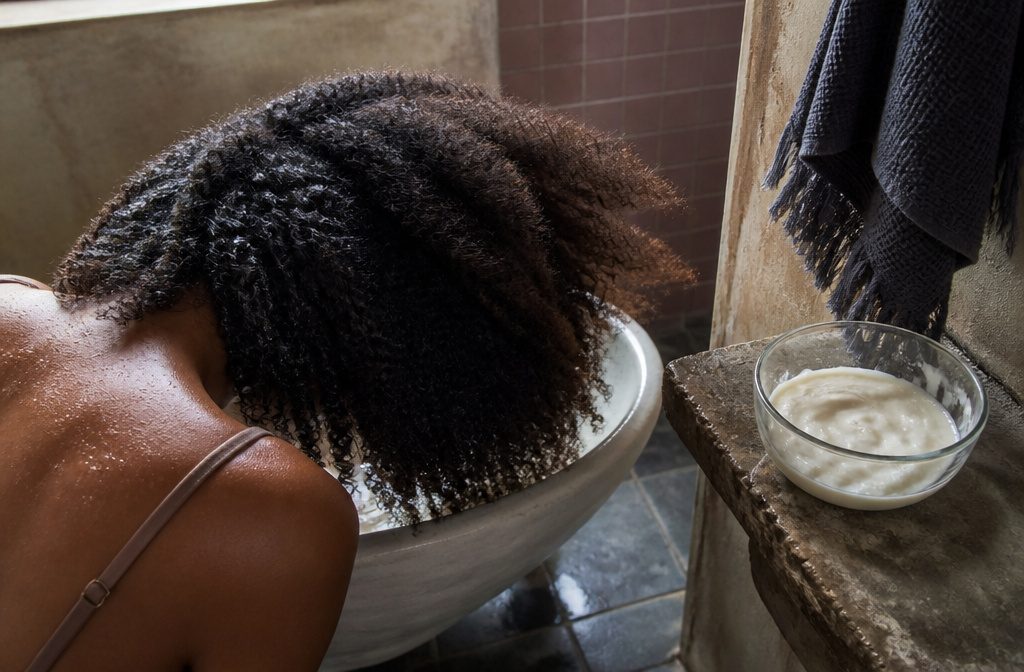
Weekly washing and moisturizing conditioner are where healthy natural hair starts, but co-washing suits Type 4 coils and fails fine or oily-prone hair.
Porosity sorts products faster than any label: low-porosity hair resists heavy butters, while high-porosity hair soaks up product and needs richer formulas to hold moisture in. A clarifying shampoo every few weeks clears buildup without stripping moisture.
1. Cleanse Hair and Scalp
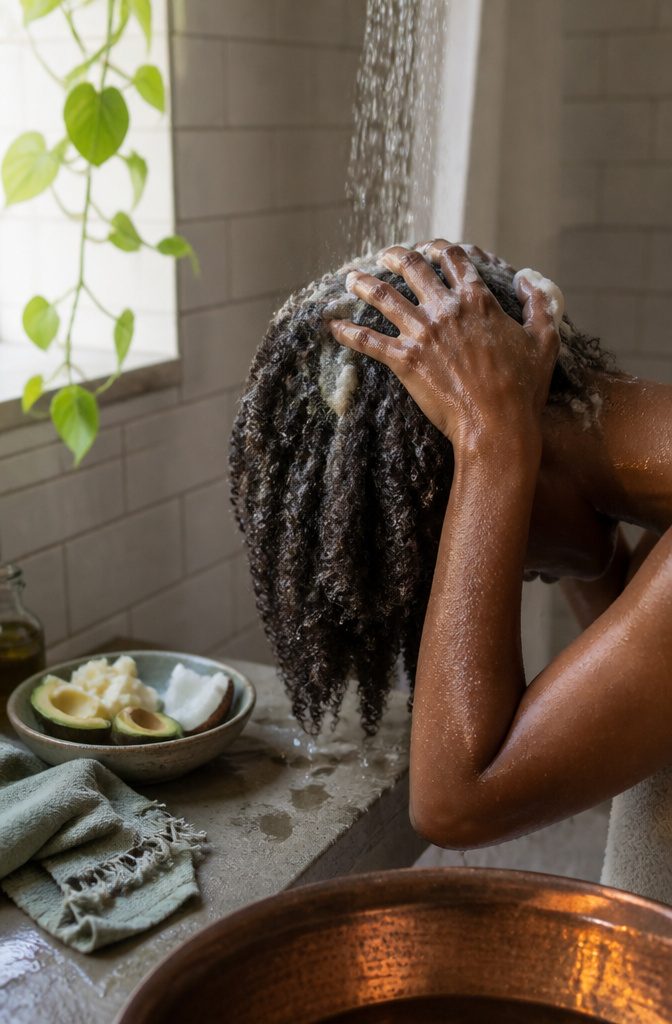
Weekly is where I’d start: shampoo once a week, and stretch to bi-weekly if your hair runs dry.
Some people wash twice a week and keep it healthy, but washing more often risks stripping natural oils. Co-washing, which means cleansing with a moisturizing conditioner, suits hair that craves moisture.
It’s a poor fit for fine hair or an oily-prone scalp. No-poo is the other way out of detergent shampoo.
Look for coconut oil, shea butter, or avocado oil on the label of a moisturizing shampoo.
Mizani Moisture Fusion Moisture Rich Shampoo gets there with cupuacu butter, argan oil, and honey. Once every few weeks, swap in a clarifier like Mizani’s Moisture Fusion Gentle Clarifying Shampoo, made with charcoal and a coconut-derived clarifier.
2. Condition and Deep Condition
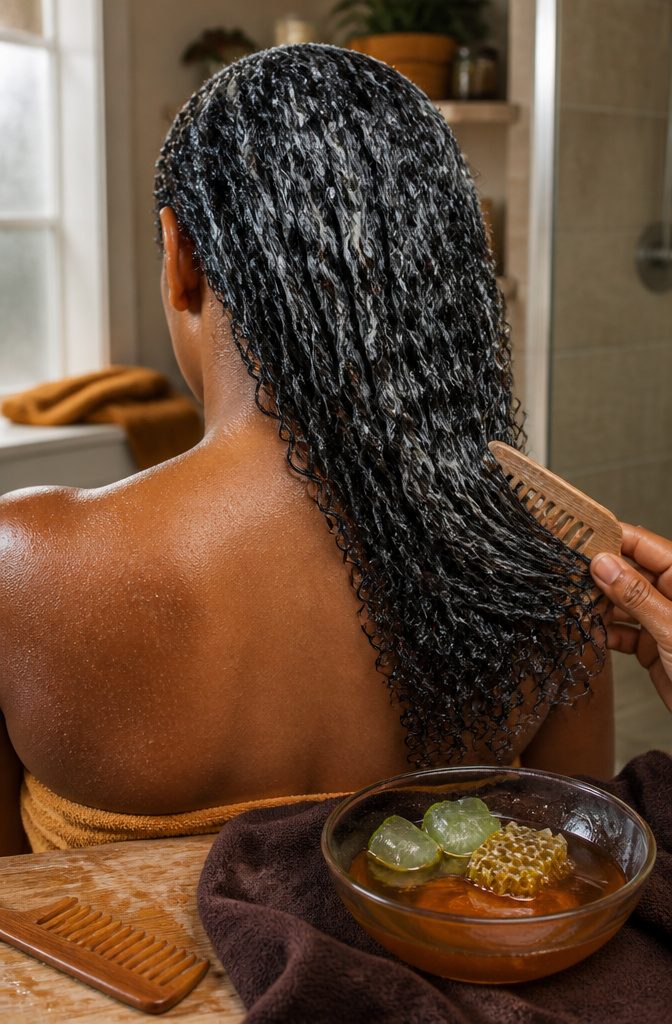
Regular conditioner adds softness and shine and makes detangling easier.
Apply it mainly to the lengths, then work through with your fingers or a wide-toothed comb while the hair is wet and coated. Dry brushing is what builds frizz.
Deep conditioner replenishes moisture, strengthens strands and improves elasticity. I’d swap your regular conditioner for a mask like Mizani’s Moisture Fusion Intense Moisturizing Mask, and leave it on about three minutes longer than regular conditioner.
Honey, aloe vera and olive oil are the ingredients worth looking for on the label. A natural hair mask works best once a week.
3. Moisturize and Seal in Moisture
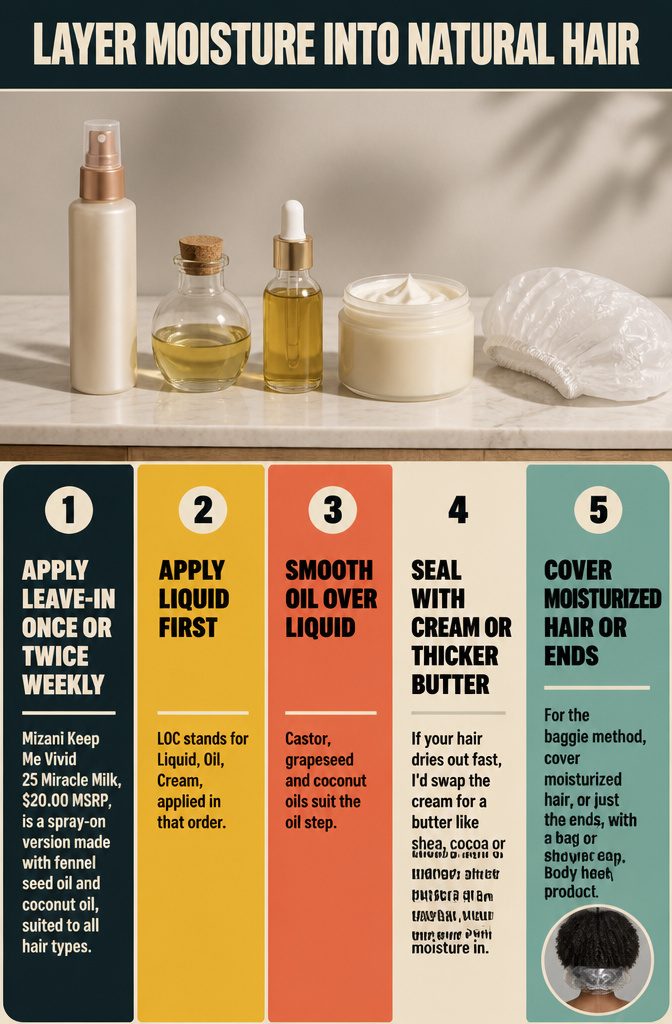
Leave-in conditioner goes on once or twice a week. Mizani Keep Me Vivid 25 Miracle Milk, $20.00 MSRP, is a spray-on version made with fennel seed oil and coconut oil, suited to all hair types.
LOC stands for Liquid, Oil, Cream, applied in that order.
Castor, grapeseed and coconut oils suit the oil step. If your hair dries out fast, I’d swap the cream for a butter like shea, cocoa or mango, since butters are thicker than oils and seal moisture in.
For the baggie method, cover moisturized hair, or just the ends, with a bag or shower cap. Body heat helps the product absorb.
4. Detangle Gently
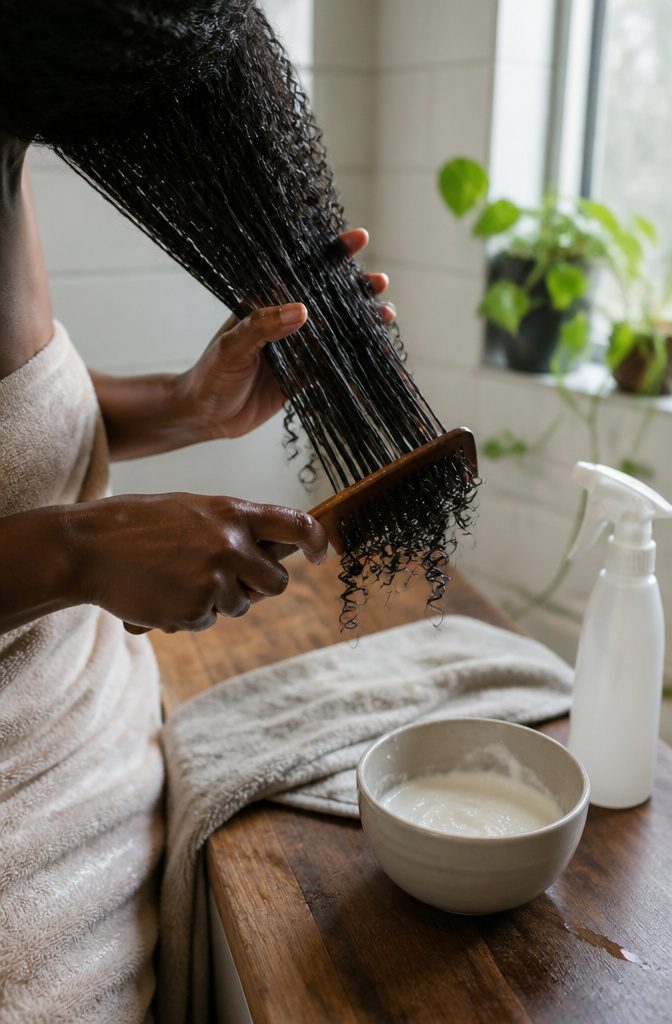
Fingers and a wide-tooth comb are the safest tools for natural hair, and a detangling brush with flexible bristles works too. Saturate the hair first, because dry strands are stiff and snap.
Water, a leave-in, a detangling spray or a moisturizing conditioner all give the slip that lets knots release instead of tearing. I apply conditioner first and detangle after, since the product softens each strand before any tool touches it.
Divide the hair into manageable sections and take one at a time. Start at the ends and work up toward the roots, so each knot loosens from below rather than getting dragged down the whole length.
5. Choose Products for Hair Needs
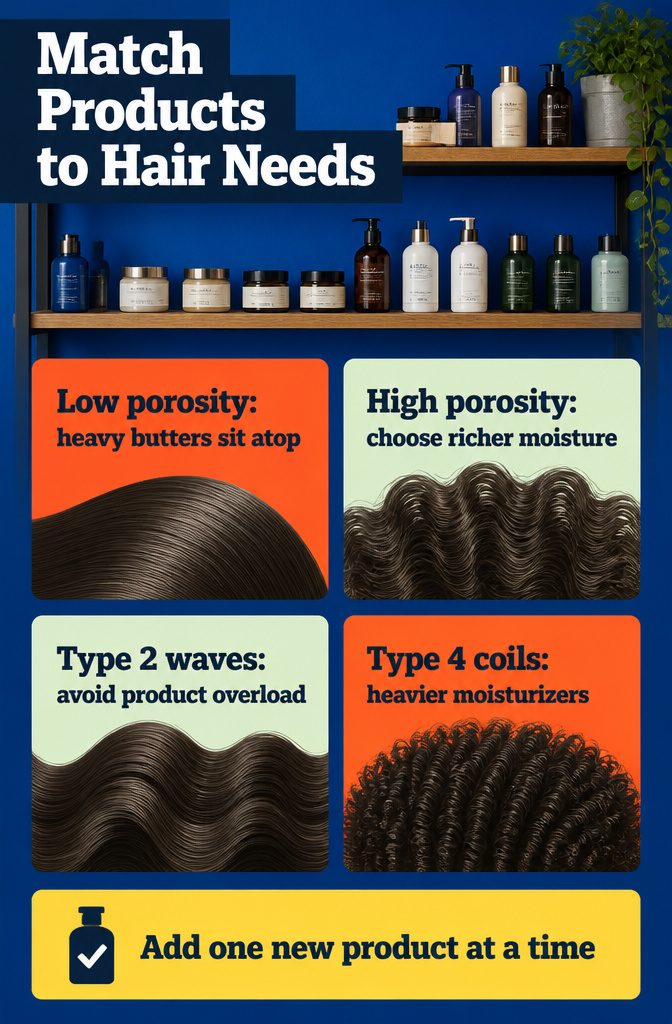
Porosity sorts products faster than any label. Low-porosity hair resists water and dries slowly, so heavy butters sit on top of it, while high-porosity hair soaks up product quickly and needs something richer to hold moisture in.
Curl pattern shifts the call too: Type 2 waves get weighed down by too much product, while Type 4 coils run dry and break, so they want heavier moisturizers.
Fine strands go limp easily, coarse strands need deeper moisture, and color-treated hair almost always runs higher in porosity than untreated hair.
A dry, oily, or sensitive scalp changes the shampoo and treatment you pick. Whatever you buy, add one new product at a time so you can tell what helped.
6. Use Styling Products Suited to the Style and Texture
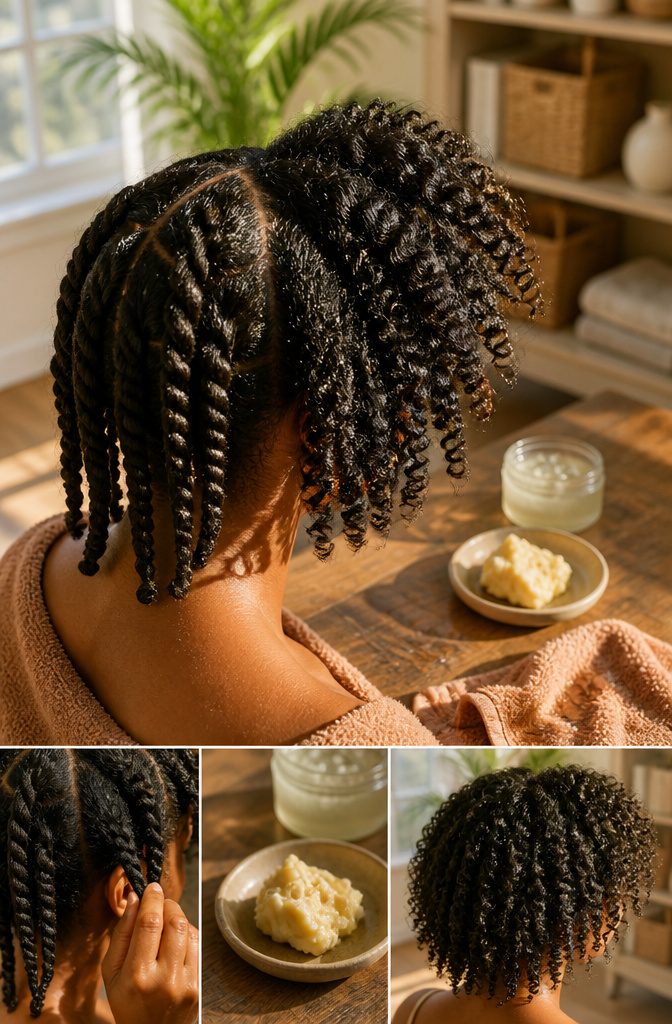
For twist-outs and braid-outs, I’d start with Mizani Keep Me Vivid Twist and Coil Jelly ($8.97 MSRP), which defines and holds coils and is the cheapest styler here. Mizani Perfect Coil Oil Gel ($22.00 MSRP) gives more hold.
It’s oil-based, so it keeps coils defined and moisturized until your next wash day. Mizani Keep Me Vivid Curl Enhancing Lotion ($18.00 MSRP) and Lived-In Styling Texturizing Finishing Spray ($20.00 MSRP) cover the lotion and finishing-spray end of the line.
Gel gets blamed for crunch, but firm-hold gel defines curls, while soft-hold gel suits edges. Pick alcohol-free formulas when you can.
Fine, low-density hair does better with mousse for volume, though mousse won’t moisturize. If your hair dries out fast, add a butter like shea to seal.
7. Limit Heat and Protect Hair When Using It
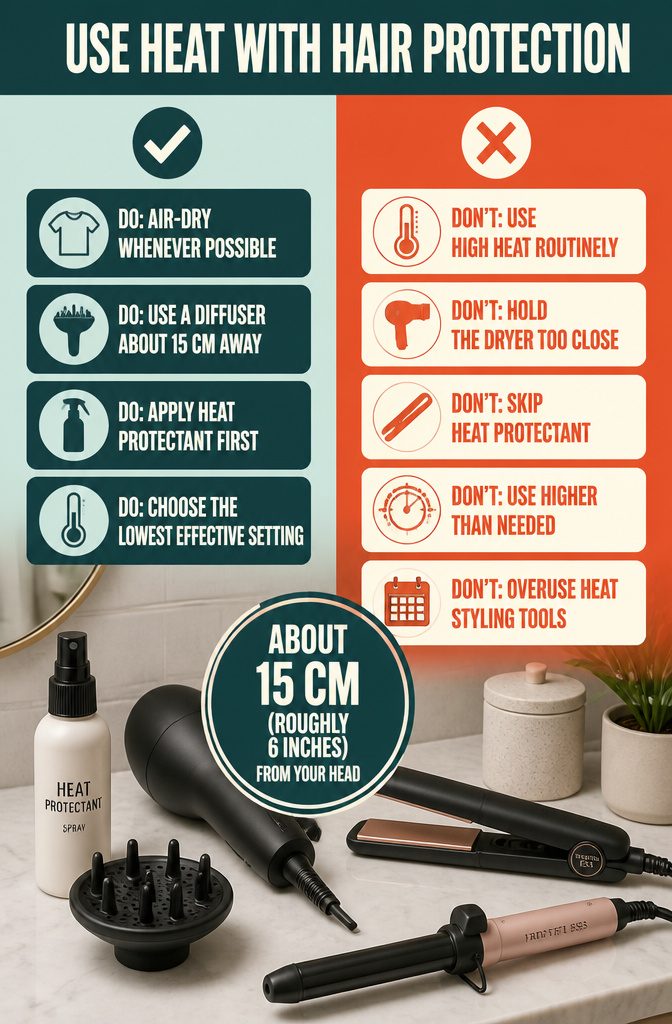
Heat burns hair, and burnt hair turns dry, brittle and quick to snap, so the best fix is using less of it.
I’d rank air-drying first, ideally with the T-shirt method. When you do need a dryer, use a diffuser and hold it about 15 cm (roughly 6 inches) from your head.
Every flat iron, wand or blow dryer gets a heat protectant spray or serum first, and the dial stays on low to medium. Pick the lowest setting that still sets the style.
A realistic ratio: wash twice a week, air-dry at least one of those days, and blow-dry before using a Kristin Ess Styling Wand only about 25% of the time for a loose, beachy bend.
8. Use Protective Hairstyles
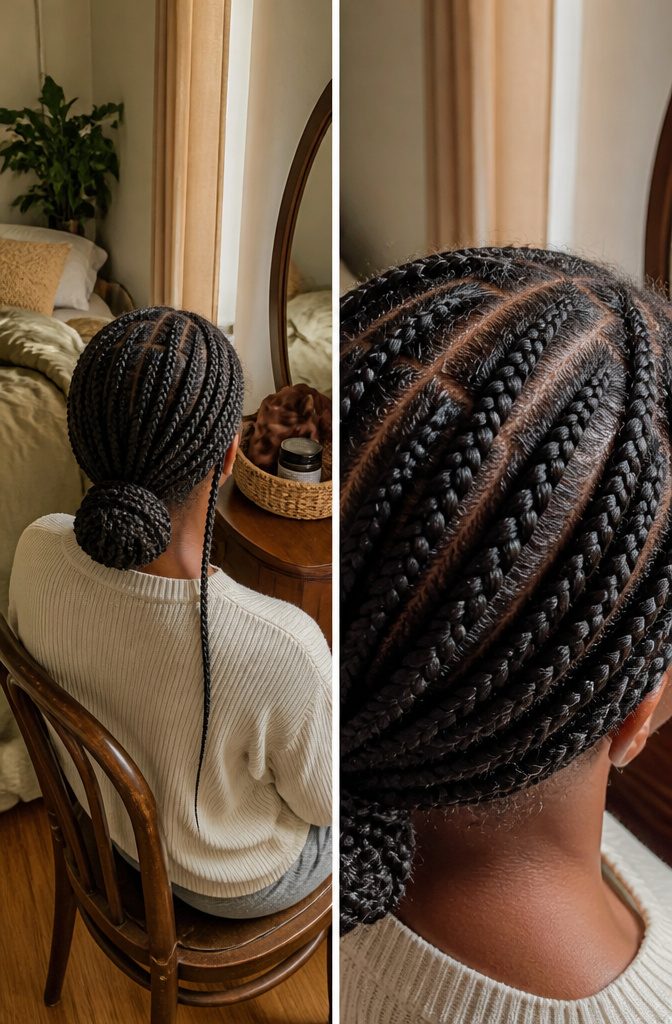
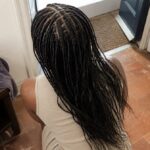
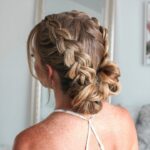
Braids, twists, buns, updos, sew-ins and wigs all work the same way: they cut daily combing and styling, and they keep your ends tucked away from friction and weather. Box braids and cornrows are the easiest to live with.
When you add hair, pick Kanekalon or human hair, because other synthetic fibers can be rough on natural strands. Two-strand and flat twists are gentler still.
The weight of a braided style can hold back new growth if it stays in too long, so redo braids every four to five weeks.
For locs, I’d stick to clear, lightweight products that rinse clean. Shea butter, brown gels and heavy creams are the usual culprits behind buildup.
9. Trim Regularly
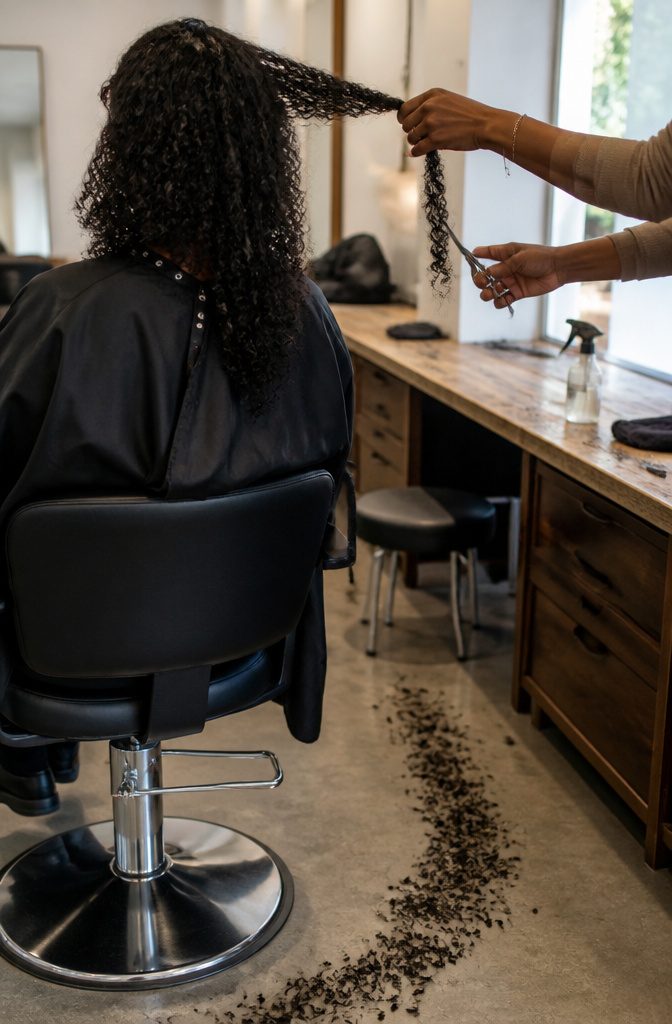
Split ends travel up the strand if left alone, so a trim every 8–12 weeks, or sooner if you see damage, keeps the problem at the tips. A salon visit on that schedule also lets a stylist address your specific concerns.
For curls, I lean toward a dry cut because you watch the length and movement take shape as it happens. Wet wins when you want precise lines, like a blunt bob.
Styling products can mask split ends, so a freshly cleansed head shows a stylist how much damage is really there. Many stylists mix both methods in one appointment.
10. Care for the Scalp
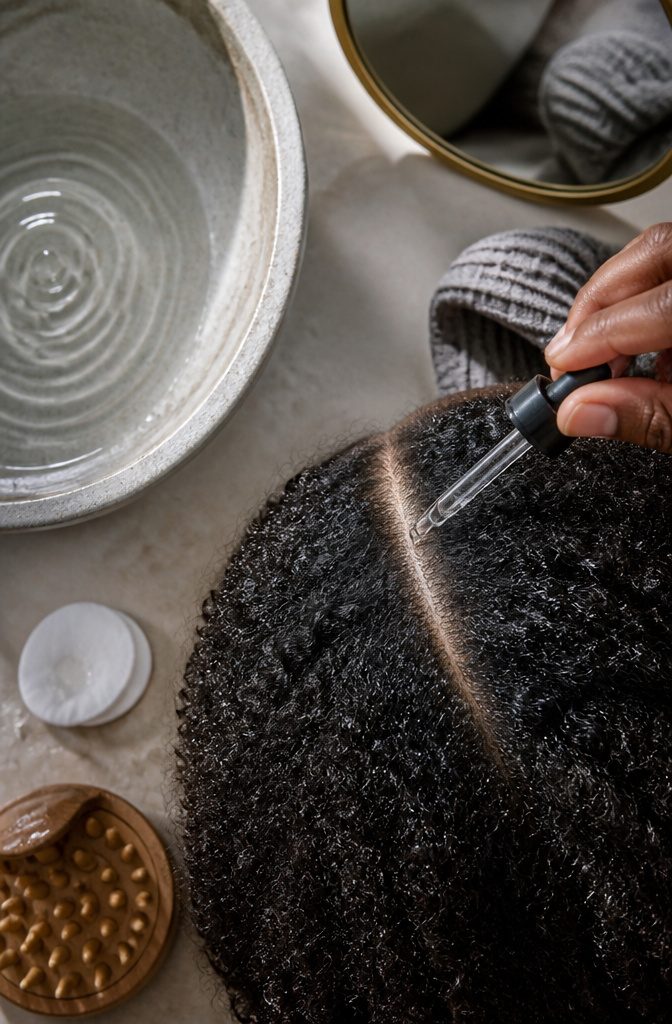
Hair grows out of the scalp, so buildup there shows up in the strands. A clarifying shampoo every few weeks clears dirt, excess oil and product.
Mizani’s Moisture Fusion Gentle Clarifying Shampoo uses charcoal and a coconut-derived clarifier, so it doesn’t strip moisture. Between those washes, exfoliate the scalp once a week.
Match the extras to the problem.
For dandruff or irritation, choose a rebalancing shampoo. For tightness after weeks in braids, Mizani’s Scalp Care Cooling Serum (menthol, avocado oil, peppermint oil) is the one I’d grab.
Jojoba, argan, almond or castor oil on the scalp before shampooing also works, and coconut oil is the pick for dandruff. Persistent flaking or thinning can mean dermatitis or psoriasis, which calls for a doctor’s topical.
11. Protect Hair While Sleeping
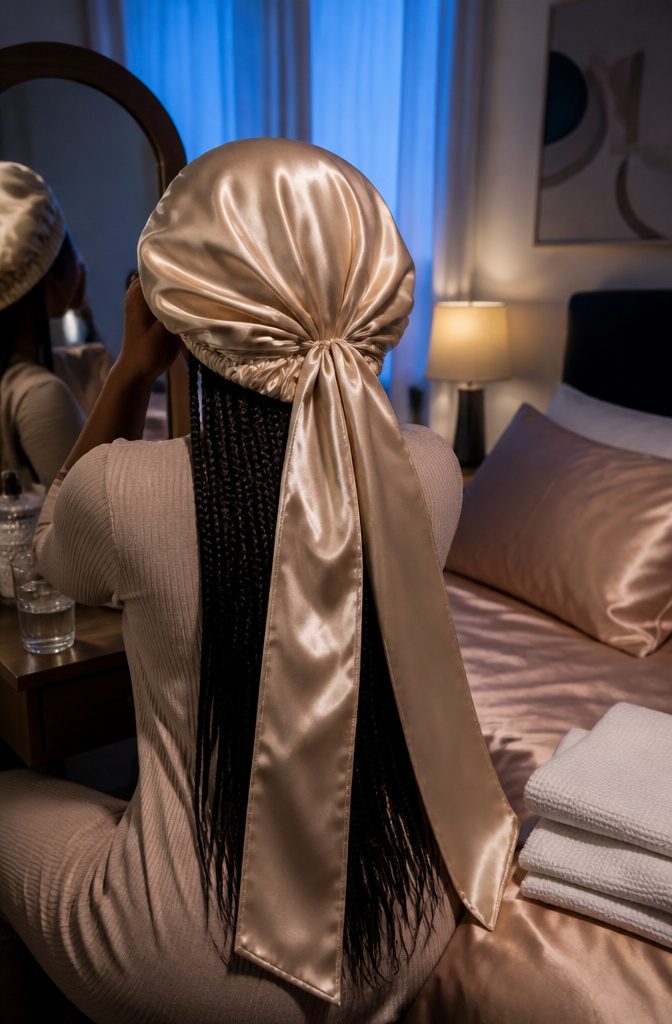
Cotton pillowcases pull moisture out of your hair and create friction that leads to breakage and frizz by morning.
Satin or silk is the material that solves both problems: the smooth surface lets hair glide instead of snag, and it doesn’t wick away the oils and moisture your hair needs overnight.
You have three ways to get that protection.
A satin or silk scarf wraps the hair completely and stays put if you move around. A bonnet does the same job with elastic instead of tying.
A satin pillowcase covers the surface your hair rests on, and it works well if you don’t want anything on your head while you sleep. Keep a few clean options on hand so you always have one ready.
If you wear braids, wrapping your hair before bed matters even more. The weight of the braids can stress the roots, and friction against rough fabric makes that worse.
12. Consider Diet and Hydration

Hair grows only about half an inch a month, so what reaches the follicle matters as much as anything you put on the strands.
Protein builds the strand itself, which makes eggs, beans and lean meats worth a spot on the plate.
Iron from spinach, lentils or red meat helps prevent hair loss, and omega-3s from fish, flaxseed or walnuts support the scalp. Kale and spinach are the easiest leafy greens to add.
Dehydration and vitamin deficiency both hold hair back, so I treat a full water bottle as part of the routine.
Between washes, a spray bottle of water with a little coconut or olive oil, misted every two days, keeps strands moisturized.
13. Adapt and Adjust the Routine
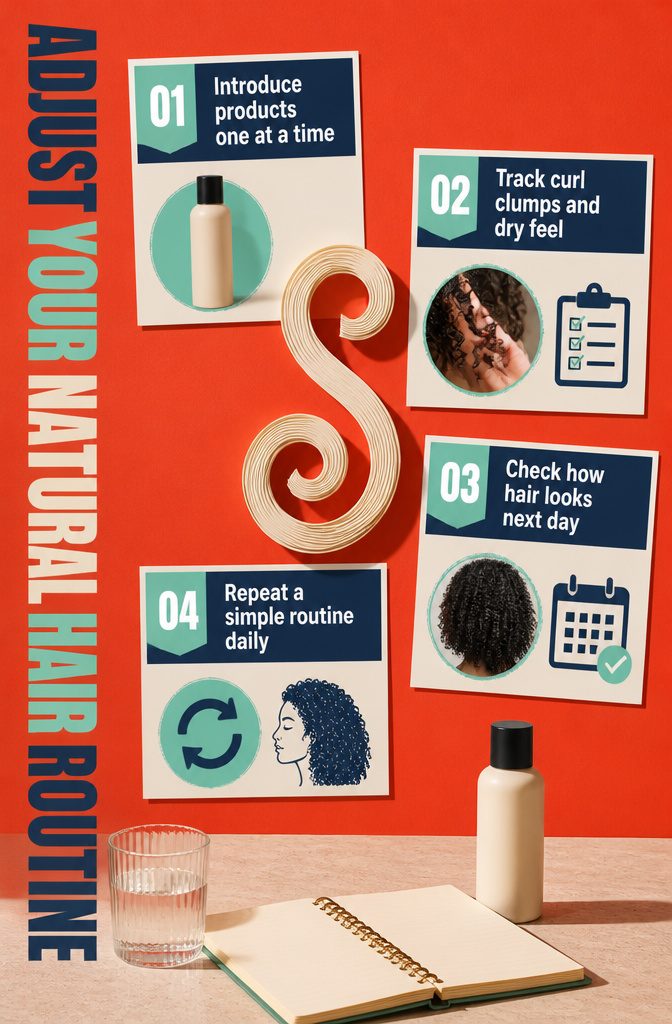
Add one new product at a time. Introduce products gradually, never several at once, because if your curls change you won’t know which one caused it.
A good gel gets lost in the pile, and so does a bad one. I’d rather you stay with a single new product until you know how it behaves than stack three in the same week.
Watch how your hair answers each change: whether the curl clumps, how it feels once it dries, how it looks the next day.
Then adjust. A routine that suits your hair type, targets the problems you actually have and is simple enough to repeat daily beats an elaborate one you end up abandoning.
14. Use Natural-Product Criteria or Ingredient Checks
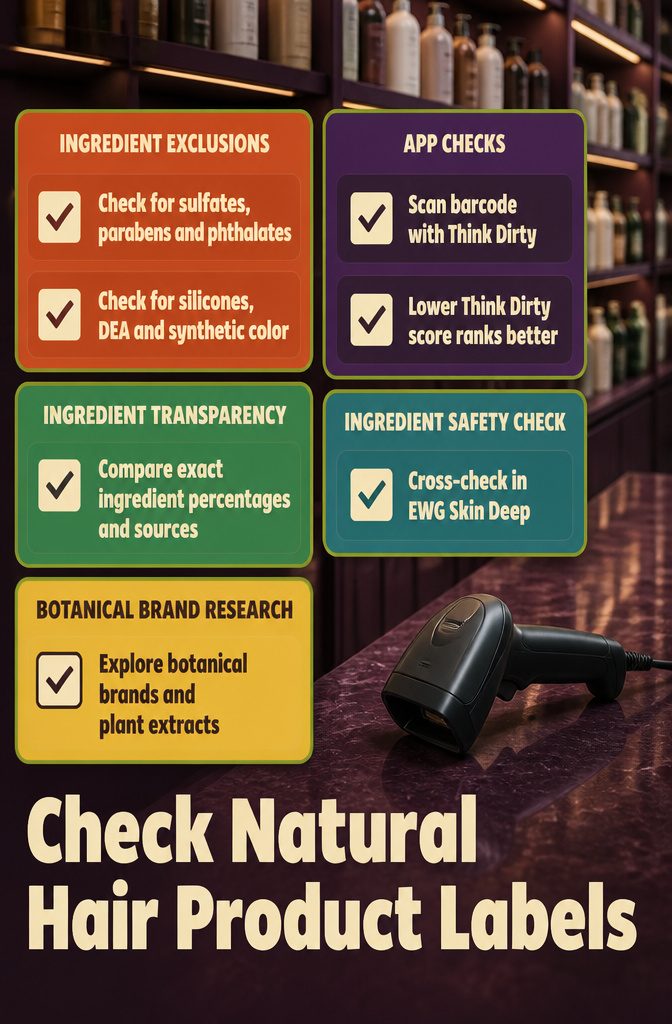
Briogeo’s "6-free" label doubles as a checklist: no sulfates, parabens, phthalates, silicones, DEA or synthetic color.
I treat it as a starting filter, not a verdict. Briogeo also prints the exact percentage and source of each ingredient, which tells you far more than "natural" splashed across the front of a bottle.
In the aisle, scan the barcode with Think Dirty; the lower the number, the better the product ranks.
Then cross-check it in EWG’s Skin Deep. Both apps flag potentially harmful ingredients, so a product that scores badly in each is an easy skip.
For botanical-first brands, PHYTO has made plant-based products for nearly 50 years and uses over 500 botanical extracts and essential oils.
Sachajuan launched its natural line in 2004. Seeds Phytonutrients and O Way Glossy Nectar are also worth a look.
What Natural Hair Means
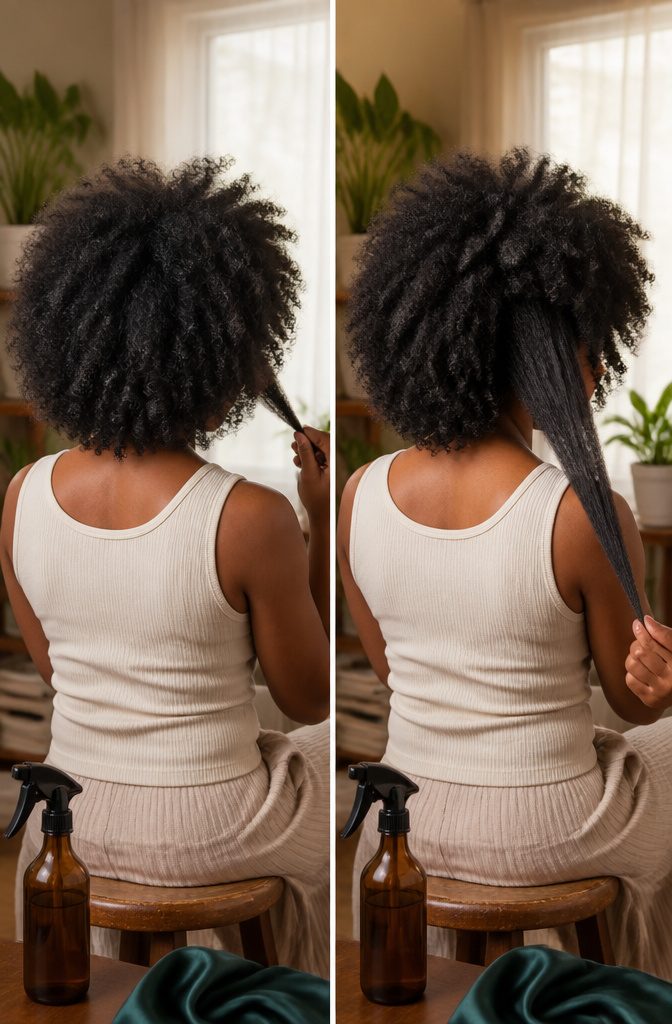
Natural hair is hair that has never had a chemical service to change its look, feel, or texture. The simplest test is relaxer-free: if you have never chemically straightened or curled it, your hair is natural.
Relaxers break down the curl by altering the strand, and the effect lasts about 6–8 weeks before another treatment is due. Lye in some formulas can burn skin, and long-term use may raise health concerns.
Moving from relaxed to natural takes patience. The process can run up to about two months, so I’d treat that stretch as time to learn your real texture.
Tailoring Care to Hair Type and Needs
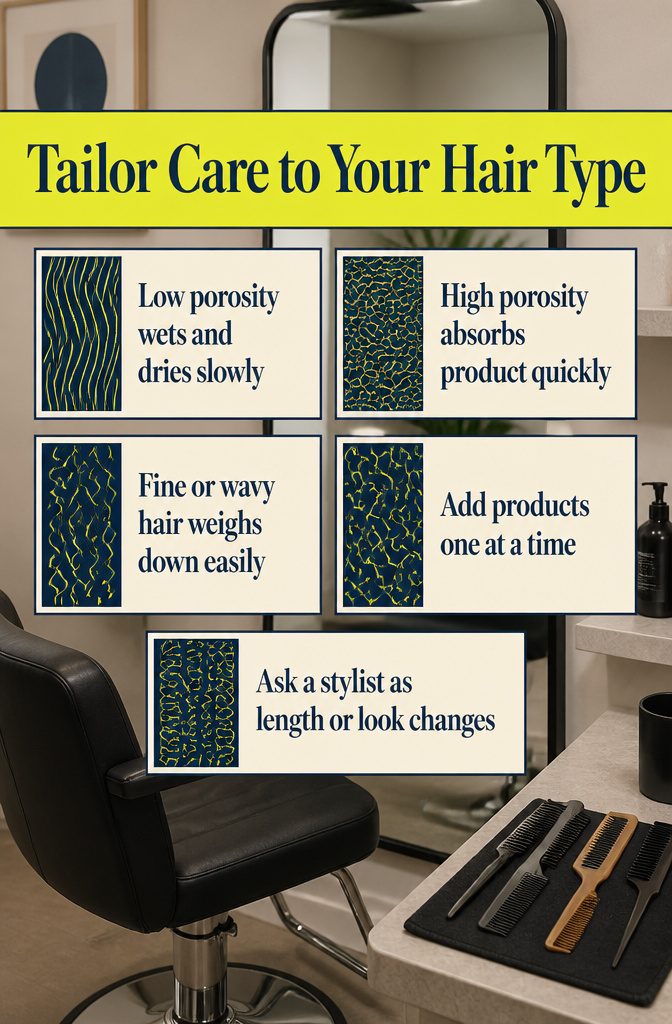
Porosity, curl type, strand width, density, color and length each change what a product has to do.
Low-porosity hair takes a long time to wet and dry, while high-porosity hair, which almost always includes color-treated hair, absorbs product fast and needs more moisture.
Fine or wavy hair gets weighed down easily; coarse or tightly coiled hair wants richer formulas.
Add new products one at a time, since three new bottles at once leave you guessing which one helped or hurt.
Natural hair gets styled mostly at home, which makes a knowledgeable stylist more useful, not less. I’d book maintenance visits for a cut and treatment, and ask for product advice whenever your length or look changes.
Preventing Damage
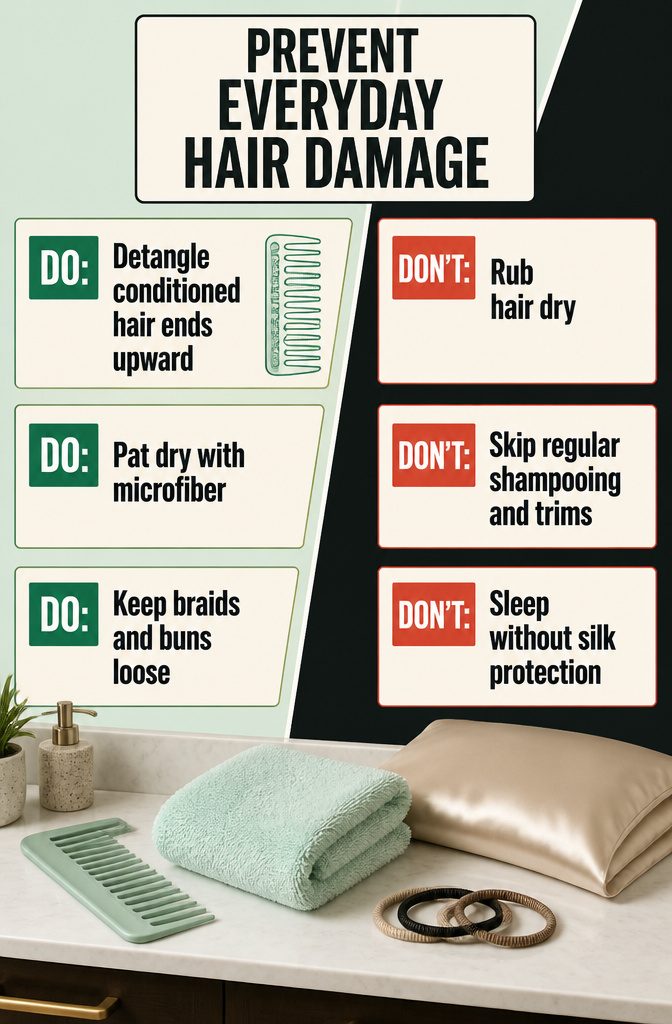
Damage usually comes from a few repeat habits, and each has an easy fix.
- Heat burns hair, leaving it dry and brittle. I’d air dry whenever possible, and otherwise use a heat protectant on the lowest setting that holds the style.
- Detangle with a wide-tooth comb on conditioned hair, starting at the ends and working up to the roots.
- Pat hair dry with a microfiber towel. Rubbing causes frizz.
- Keep braids and buns loose at the hairline, since tight styles can cause traction alopecia.
- Shampoo on a regular schedule so buildup doesn’t pile up.
- Trim often; split ends travel up the shaft.
- Sleep on a silk pillowcase to cut friction.
Frequently Asked Questions
What does natural hair mean?
Natural hair is hair that has never had a chemical service to change its look, feel, or texture. The simplest test is whether it is relaxer-free: if you have never chemically straightened or curled it, your hair is natural.
How is caring for natural hair different from caring for chemically processed hair?
The hair’s basic needs are not much different. What changes is where the work happens: natural hair gets styled mostly at home, so a stylist’s guidance matters between visits.
Book maintenance appointments that include a cut and treatment, and ask for product advice whenever your length or look changes.
What does a natural hair care routine look like?
Shampoo once a week, then condition or deep condition, detangle thoroughly while the hair is saturated, and finish with moisturizer and your style.
Add a leave-in conditioner once or twice a week and exfoliate the scalp once a week. Deep conditioning works best on a weekly schedule.
How do I build the best natural hair care routine for myself?
Build it around your hair type and the problems you actually have, and keep it simple enough to repeat daily.
Add one new product at a time so you can tell which one helped or hurt. Watch how your curls clump, how the hair feels once dry, and how it looks the next day, then adjust.
How can I get healthy hair naturally?
Start with products free of harmful synthetic ingredients, and screen labels with apps like Think Dirty and EWG’s Skin Deep.
Cut back on heat, air-dry when you can, and sleep on satin or silk to reduce friction. Hair grows only about half an inch a month, so protein, iron, omega-3s, and plenty of water help from the inside.
How often should you cut natural hair?
Every 8–12 weeks, or sooner if you see damage.
Split ends travel up the strand when left alone, so regular trims keep the problem at the tips. A salon visit on that schedule also gives a stylist the chance to address your specific concerns.
Should you wash natural hair every day?
No. Shampoo once a week, and stretch to every other week if your hair runs dry.
Washing more often risks stripping natural oils, though some people wash twice a week and keep their hair healthy. Wash sooner if scalp buildup shows up.