Short curly hair can land anywhere from a cropped pixie or TWA that sits close to the scalp to a shoulder-length lob that holds enough length for real movement.
The cut you pick depends on how much daily styling you’re willing to do and how often you can book trims: a tapered cut or undercut needs clipper work every 6 weeks to stay sharp, while a lob with layers can stretch to 7 or 8.
1. Curly Pixie
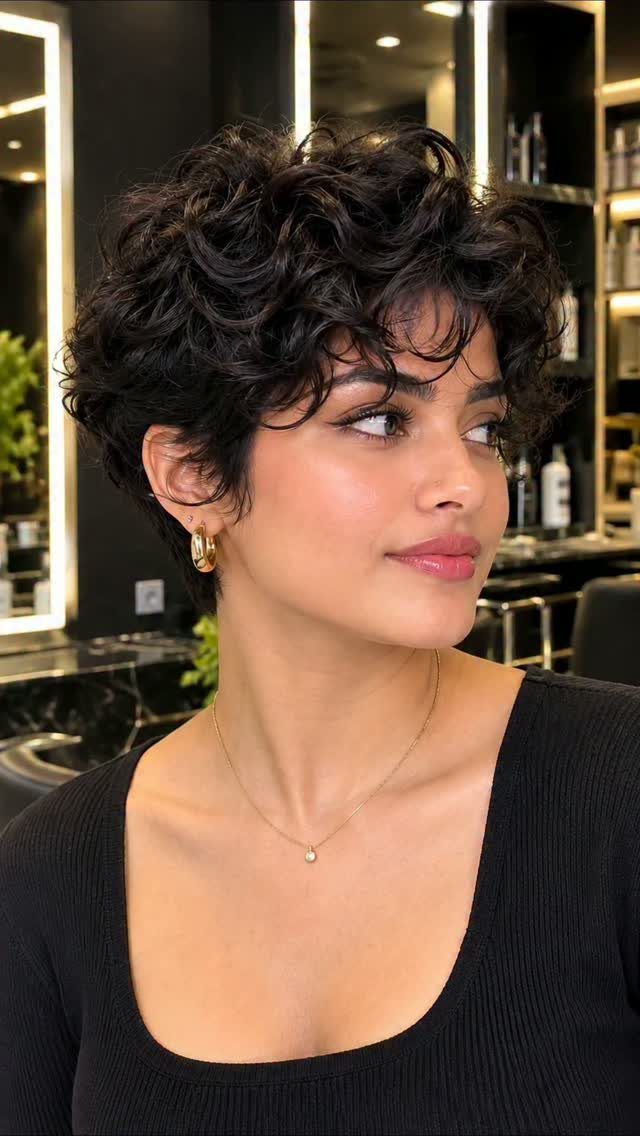
Short curls look best in a pixie when the cut follows the curl instead of fighting it. Because the hair is cropped close, every spring shows, and the shape around the face does most of the work.
Curls shrink as they dry, so a pixie cut on wet hair can end up shorter than planned; ask for it cut dry, or have the shape checked once the curls spring back.
This one suits a wash-and-go routine, though I would plan on regular trims to keep the outline neat.
2. Curly Shag
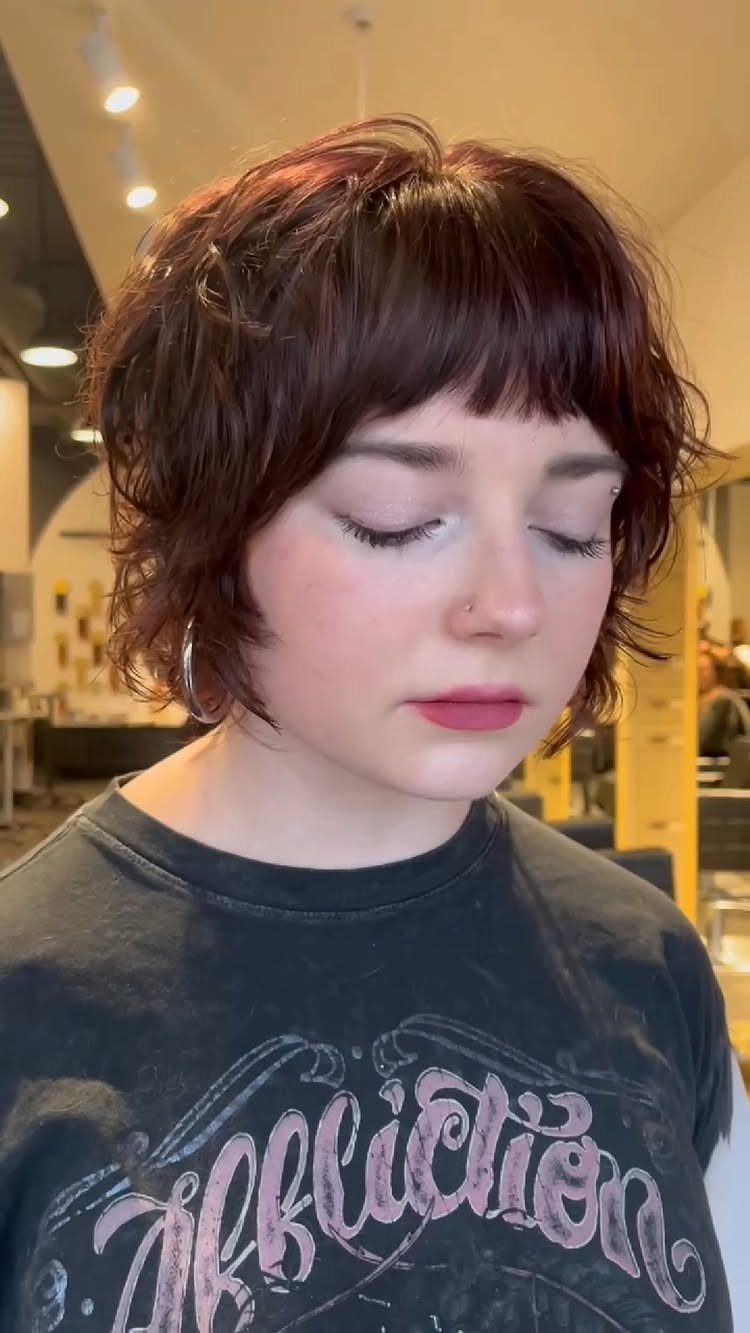
A shag with blunt bangs puts the layers to work: each curl gets its own tier, so the hair stacks into a loose, tousled shape instead of one heavy mass.
I like it on curls that tend to go flat at the crown.
Bring the photo and ask for visible layering throughout, plus a fringe cut to sit with your curl instead of hanging straight.
Style it with a scrunch and let it air dry; combing it out will flatten the texture that makes the cut work.
3. Curly Afro
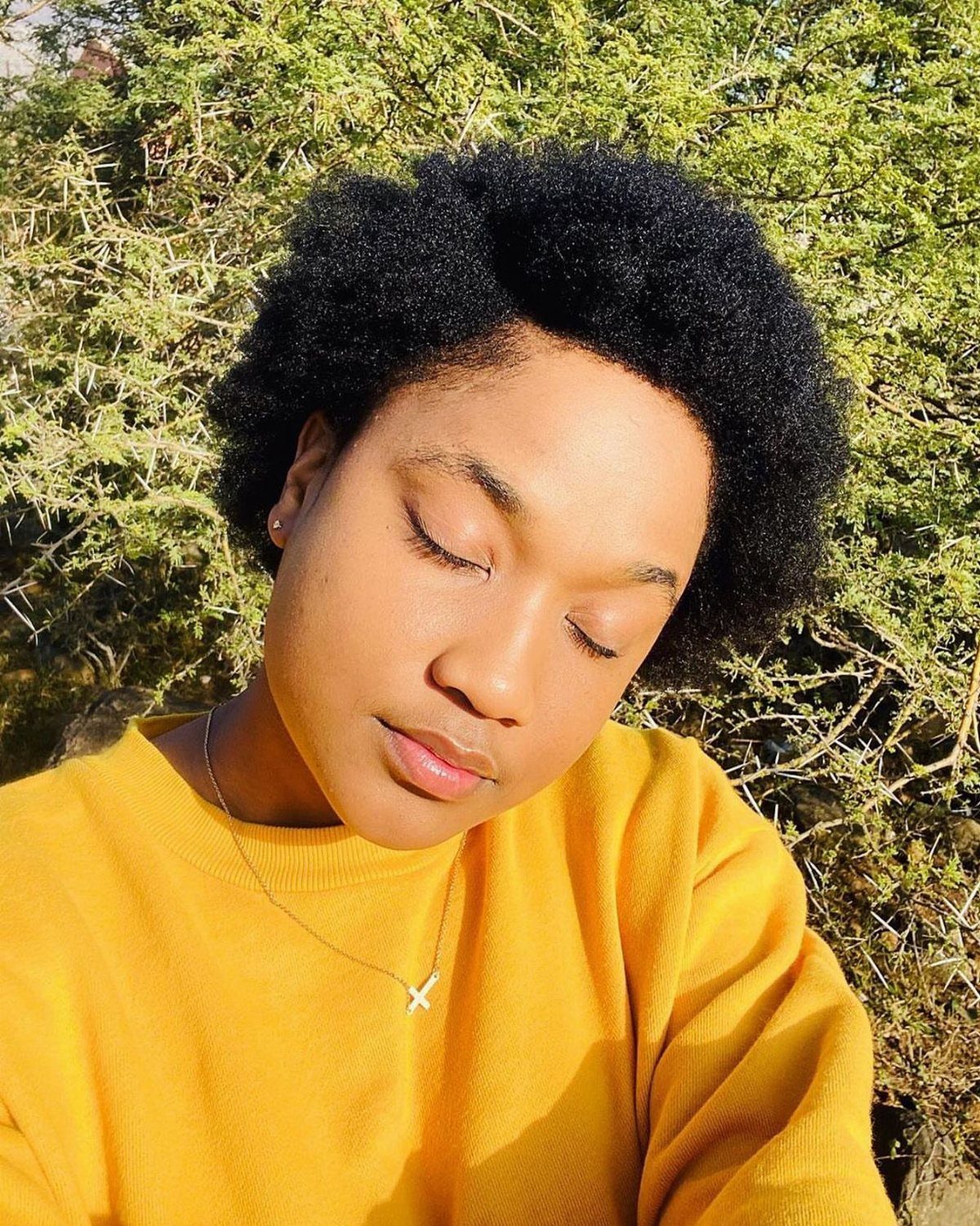
Rounded and full, a short afro is about shape more than length. The cut is built around an even circle, so the hair reads the same from every angle.
For coily and tightly curled hair, this is among the simplest styles to live with.
Pick it out gently at the roots, keep the hair moisturized, and ask for a trim that keeps the outline symmetrical. A shaped edge-up around the hairline sharpens the whole look.
4. TWA
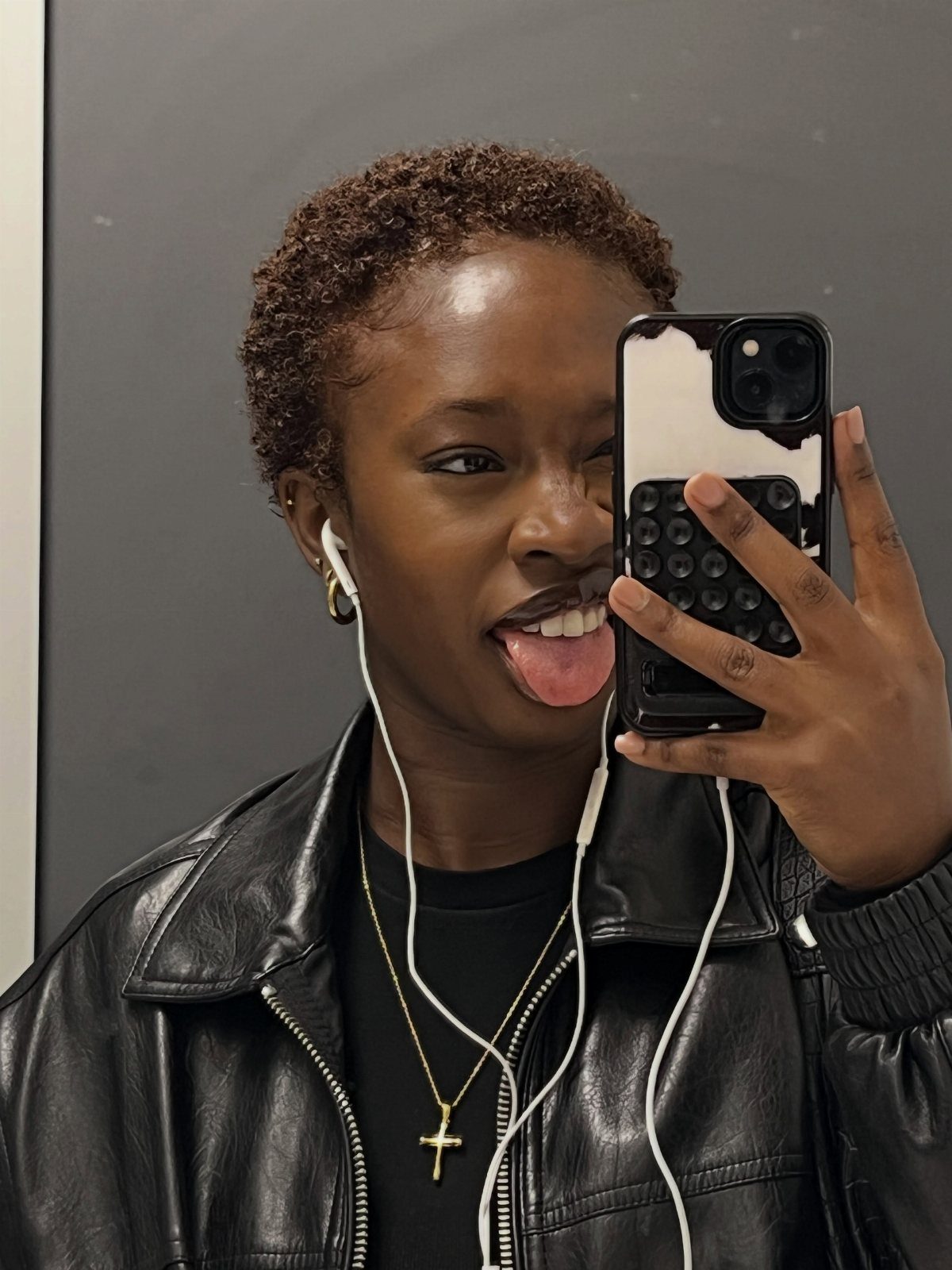
Starting a natural hair journey, or restarting one after a big chop, often lands at the TWA: a teeny weenie Afro, cropped ultra short. It is the cut that shows your real texture with nothing in the way.
Morning styling is minimal, mostly a mist of water and a little product, then a pick or fingers for shape. I would pick this if you want low upkeep and a clear view of your pattern before growing it out.
5. Curly Bangs

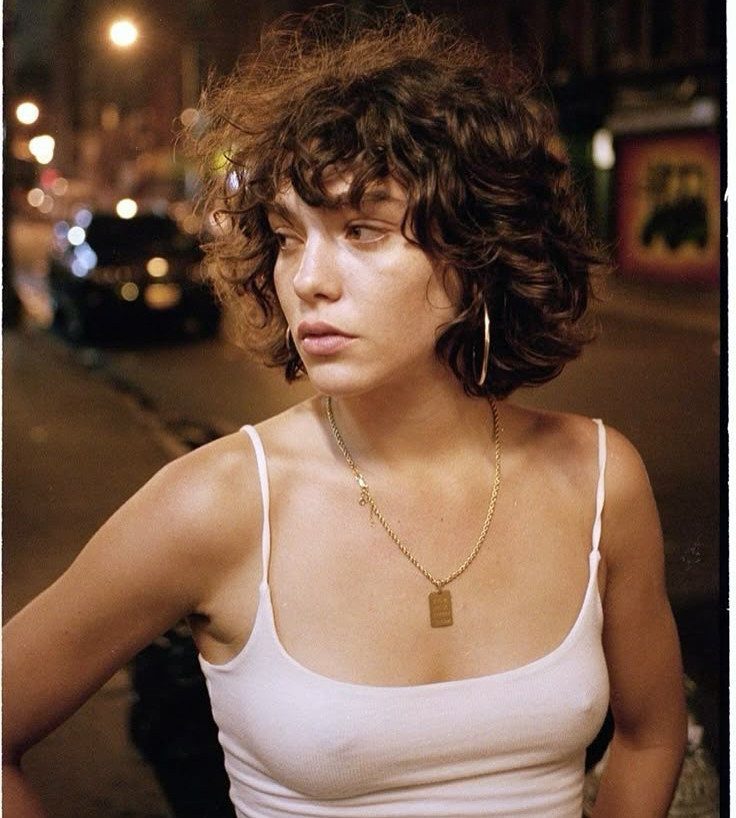
Short curly bangs are a bold pairing with a bob, and they only work when the fringe is cut to your curl.
Curls spring up once dry, so a fringe cut too short on wet hair can land far higher than planned.
Ask for the bangs to be trimmed dry, curl by curl. This look suits anyone willing to commit to frequent fringe trims; between visits, the bob grows out gracefully, but the bangs will not.
6. Chin-Length Bob Bangs
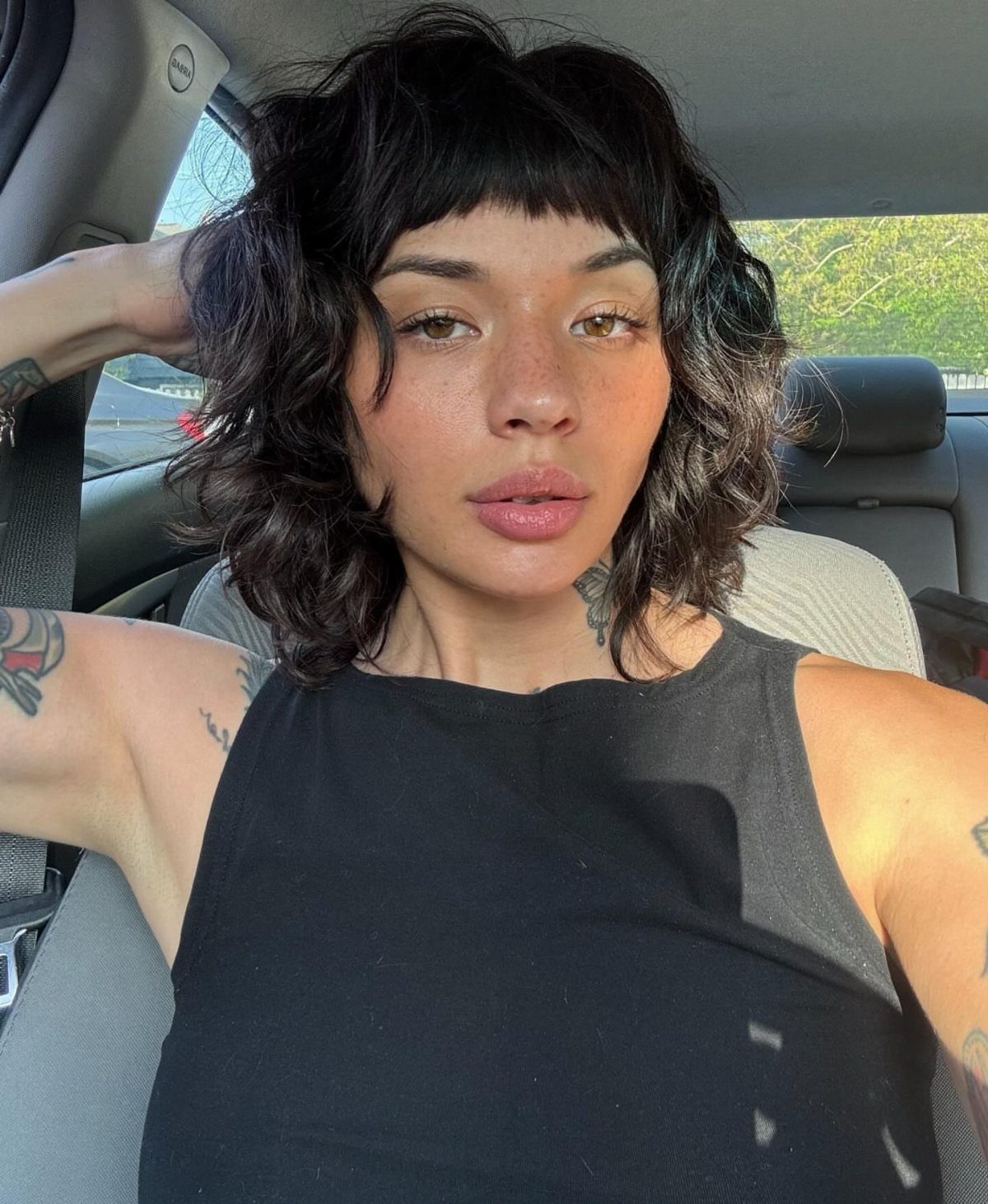
Chin-length is a forgiving spot for a curly bob, since the ends curl up toward the jaw without swinging too far out.
The bangs are what make it personal, so settle their length and width with your stylist before any cutting starts.
A fringe can be wispy, thick, or curtain-like depending on your face and density. Style with a curl cream and diffuse on low heat, and expect bangs to need trims more often than the bob itself.
7. Tapered Curly Cut
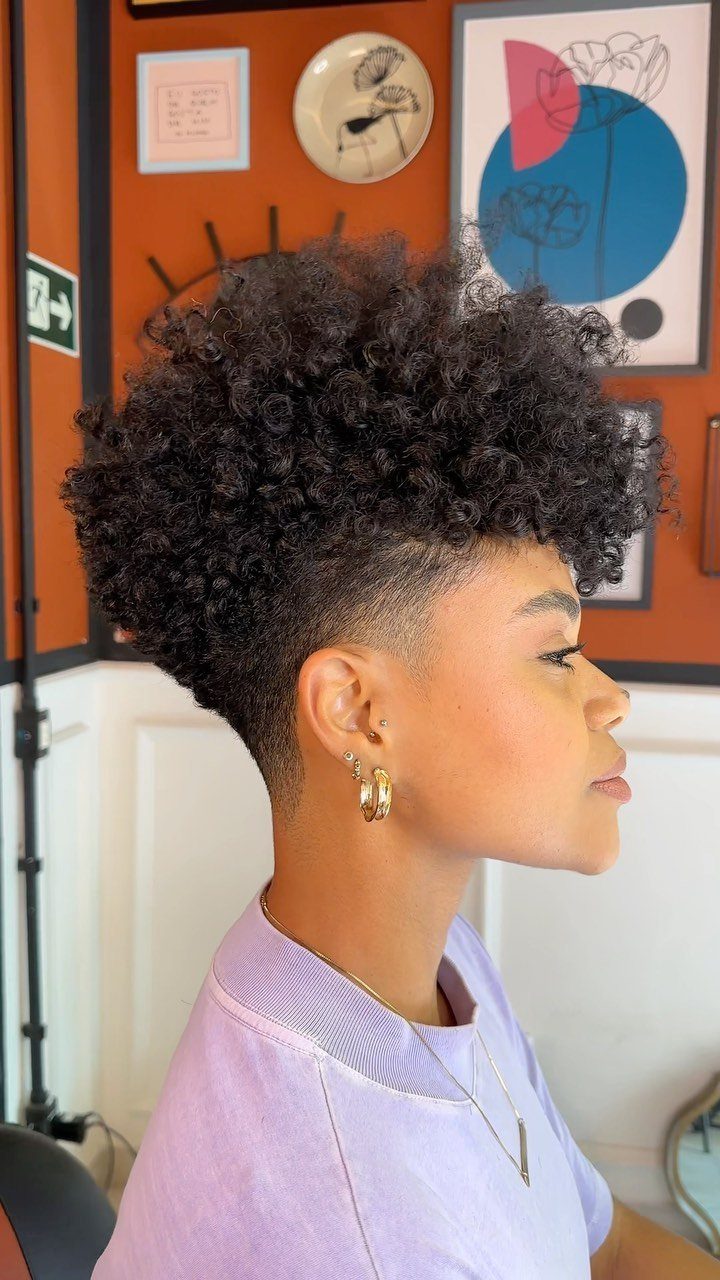
Graduated sides and back give this cut its shape: the hair is shortest low on the head and gains length as it climbs toward a full top of curls.
That contrast lets the curls on top stand out without any extra length.
Ask your stylist to blend the taper rather than cut a hard line, and have the top left long enough for the curls to coil on their own. Expect regular visits to keep the sides crisp.
8. Short Curly Fringe
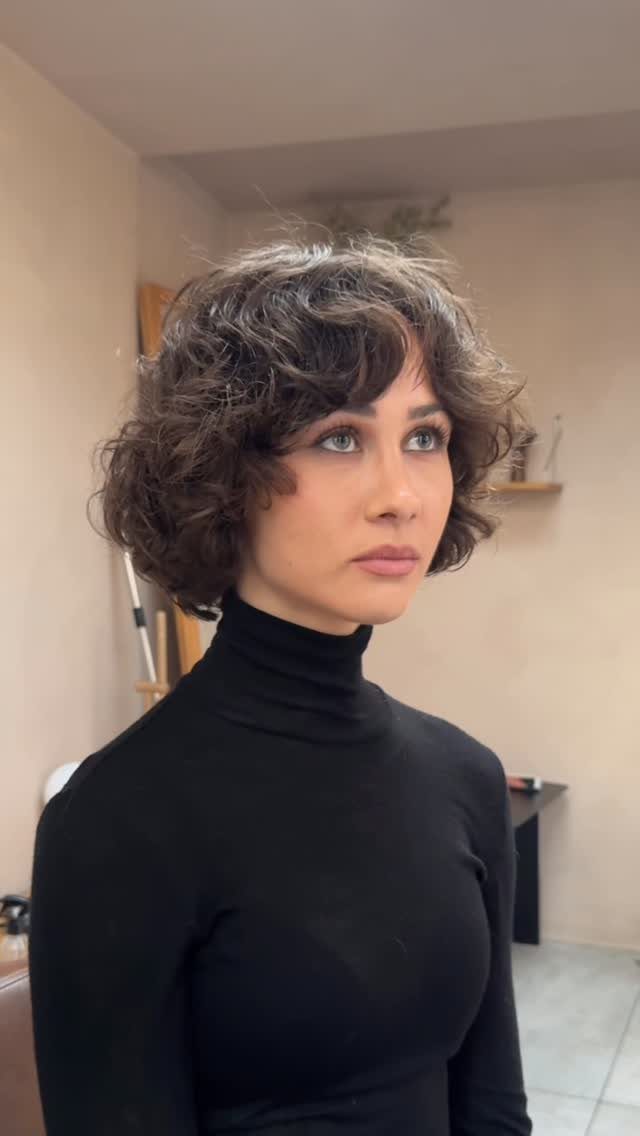
Bangs on short curls add texture right across the forehead, and a cropped cut makes them the focal point.
Because curls spring up as they dry, I would have the fringe trimmed dry so the length is what you actually see.
Style it with a light cream, scrunch, and leave it alone. Fringe on curls grows out faster than the rest of the cut, so plan on quick touch-ups between full appointments.
9. Curly Lob
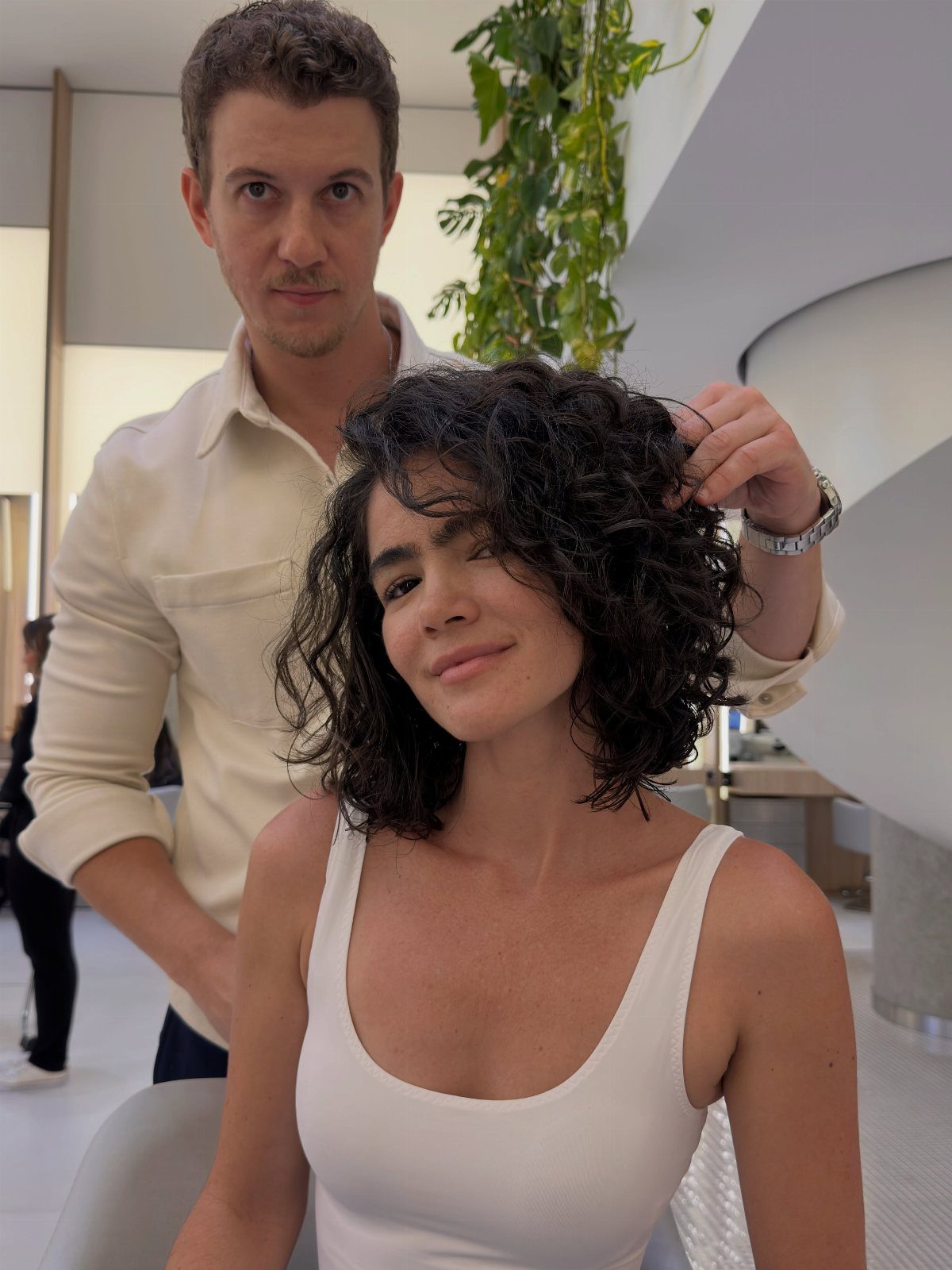
A lob reads as a short cut while keeping real length, which makes it my pick for anyone nervous about going to a bob.
Curls bounce up as they dry, so a lob cut wet can end up closer to the shoulders than you expect.
Ask for the length to be checked dry, with enough layering to keep the ends from stacking into a triangle. Air drying with a curl cream keeps the shape soft.
10. Curly Mohawk
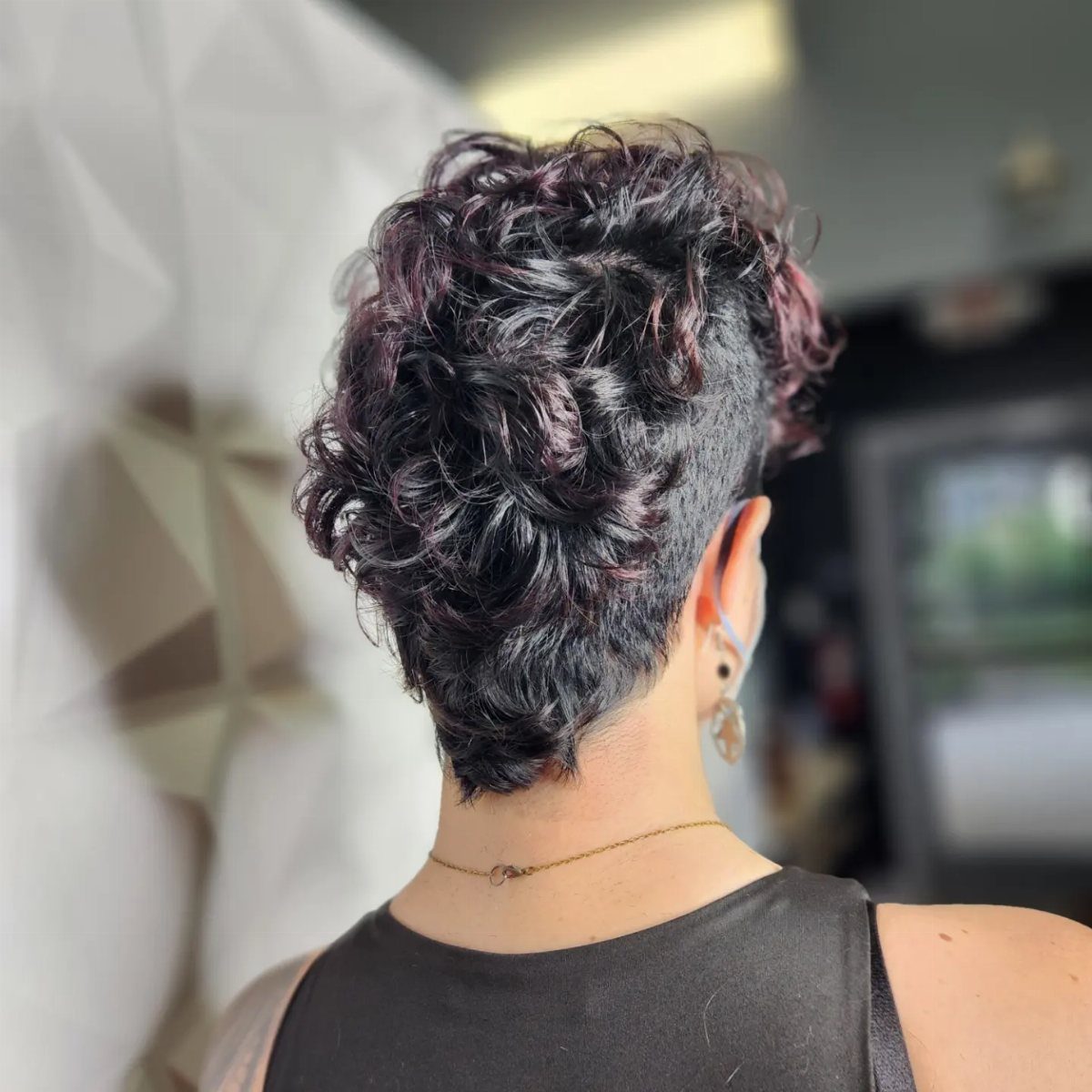
Cropped or shaved sides turn the curls on top into the whole story. A curly mohawk keeps the length and volume along the center and tapers into the nape, so the shape stays clean from behind.
Bring the photo and tell your stylist how wide you want the top section, since that decides how bold it looks. The sides need frequent clipper maintenance, while the top only needs moisture and a scrunch.
11. Faux Hawks
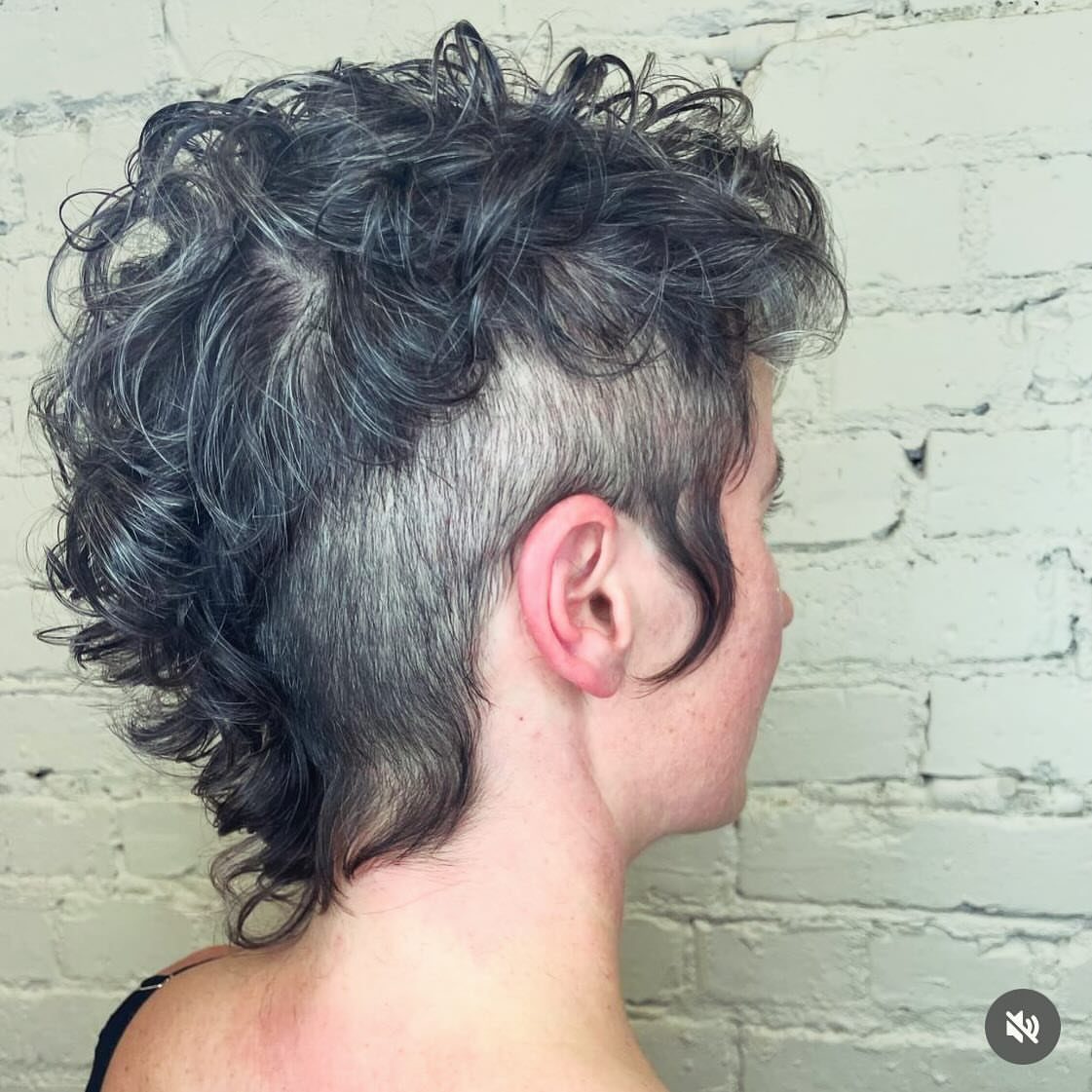
A faux hawk gives you the ridge without the full commitment of a mohawk. Curls are shaped upward along the center, while the sides stay short and the back keeps its length.
Because the ridge comes from styling as much as cutting, the hair can relax into a softer curly shape on days you want less drama.
Define the curls with a cream, then gently lift the center with your fingers. Sides need trims to stay sharp.
12. Curly Undercut
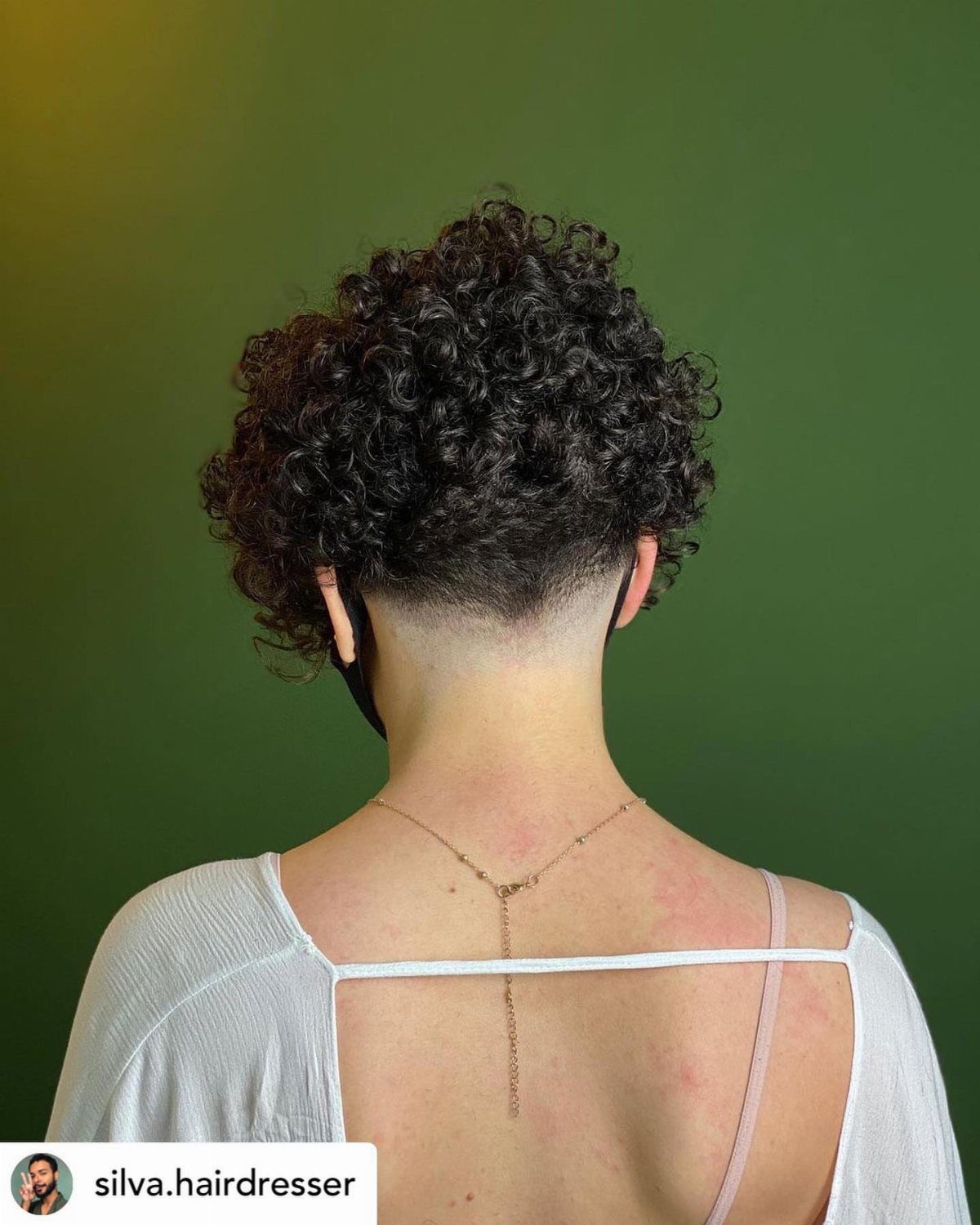
Longer curls sitting over closely cropped or shaved sides make the undercut a study in contrast. The shaved section can stay hidden when the curls fall over it, or show when you pull the hair back.
Ask where the undercut starts, since a lower line at the nape is easier to cover and grow out. Keeping the clippered section tidy is the real upkeep, so book frequent short visits.
Contrary to popular belief, your options when you have short curly hair aren’t limited. In fact, working with a shorter length provides you with the opportunity to flex those creative styling muscles.
— Vogue
13. Curly Mullet
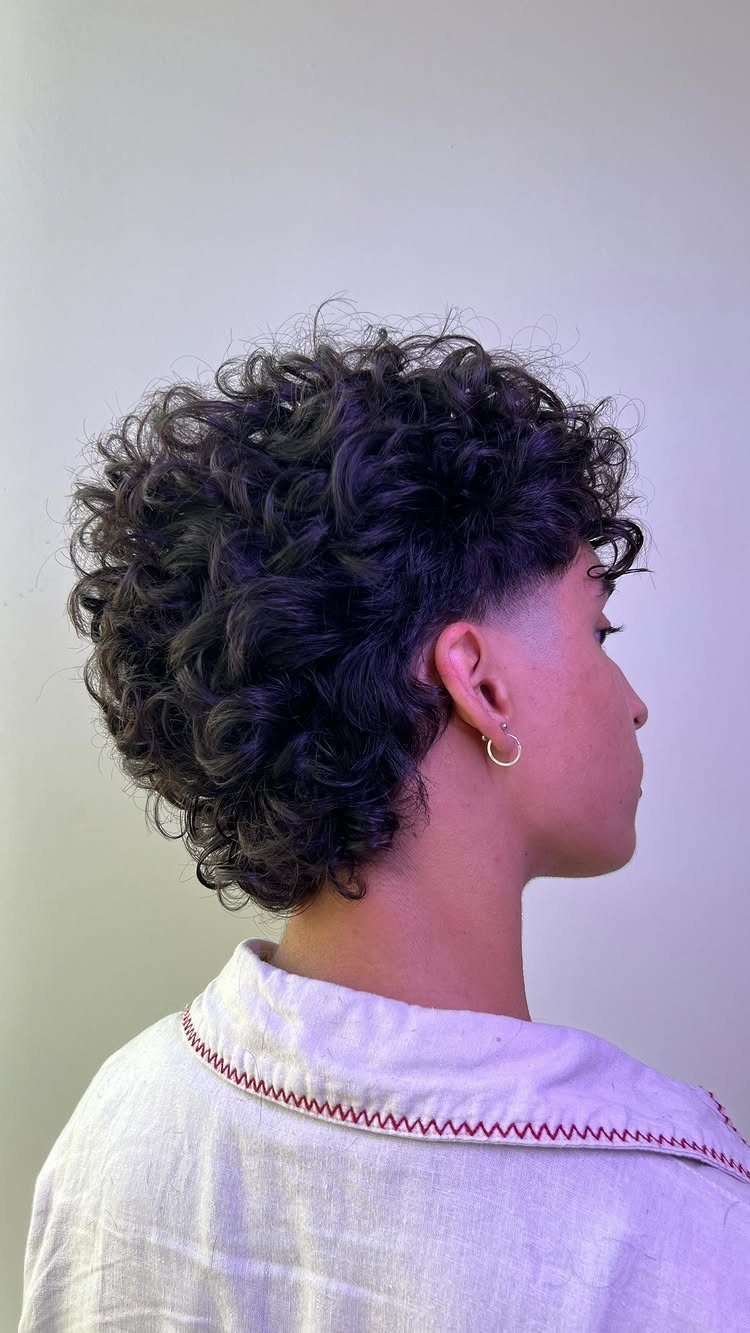
Short at the front and sides, long at the back: the curly mullet puts all its length in one place, so the curls at the nape become the feature.
The ratio matters more than the inches, so talk through where the sides stop and how far down the back goes. I like it for anyone who wants a curly cut that looks nothing like a standard bob.
14. Cropped Ringlets Taper
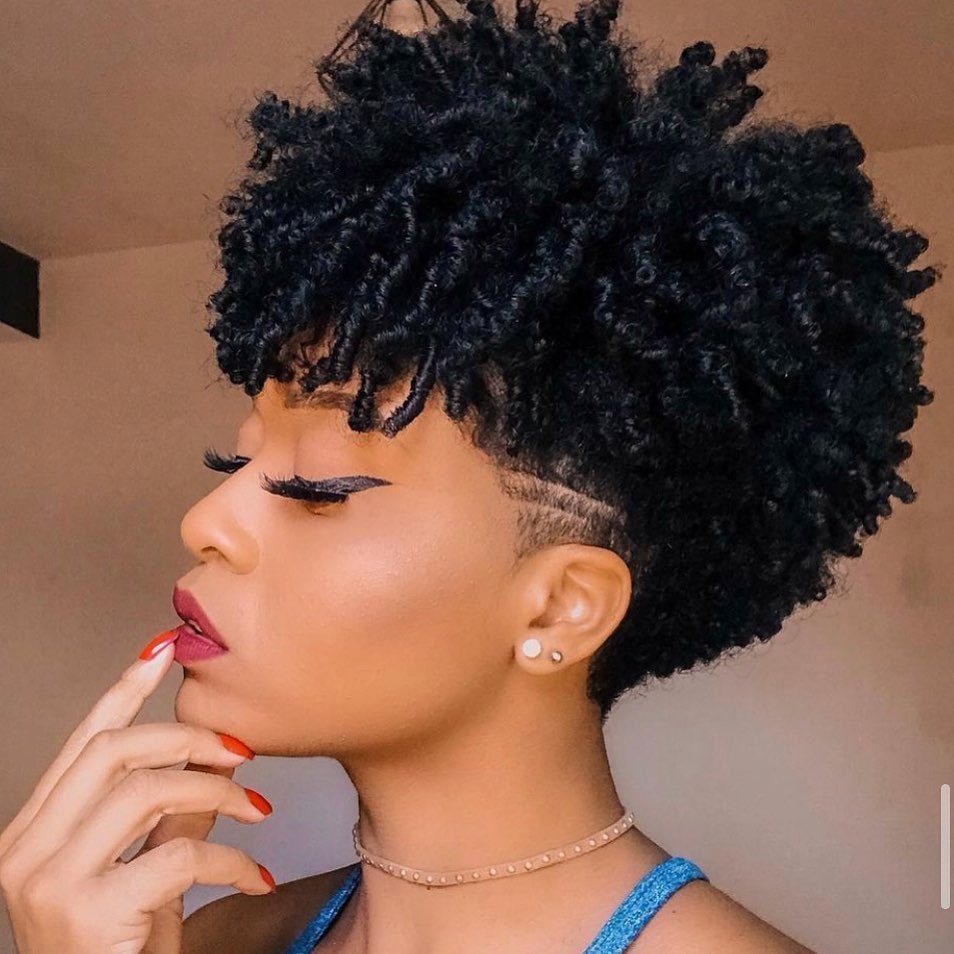
Defined ringlets on top and a clean taper at the sides and back make this cut a study in neat versus bouncy. The taper keeps the neckline tidy, so the curls get all the attention.
Ask for the taper to be blended into the ringlets instead of ending in a hard line. A curl cream worked in while the hair is wet will keep each ringlet distinct.
15. Wavy Blunt Bob
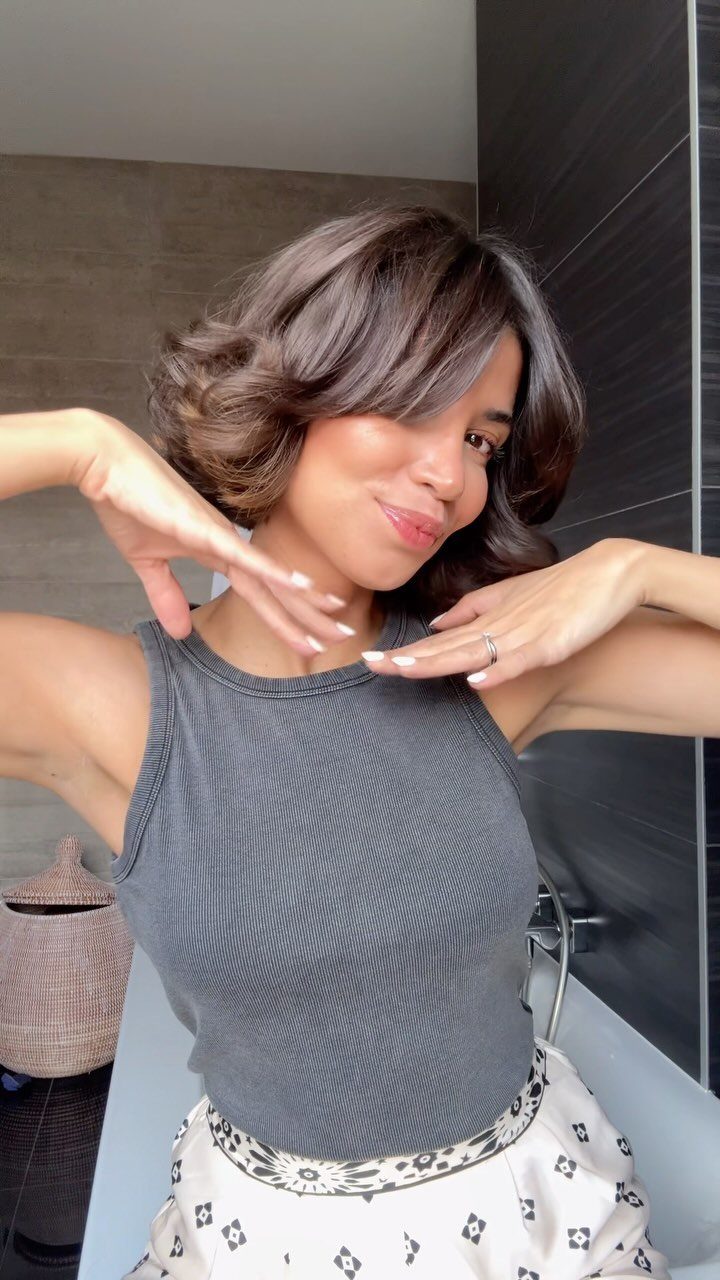
Waves need something to push against, and a blunt bob gives them a sharp edge to do it. The outline stays crisp while the texture inside it stays loose.
Ask for a one-length perimeter and be wary of heavy layering, which would soften the line that defines this cut. I would pick it if you like a look that is tidy and relaxed at once.
16. Shoulder-Length Curly Bob
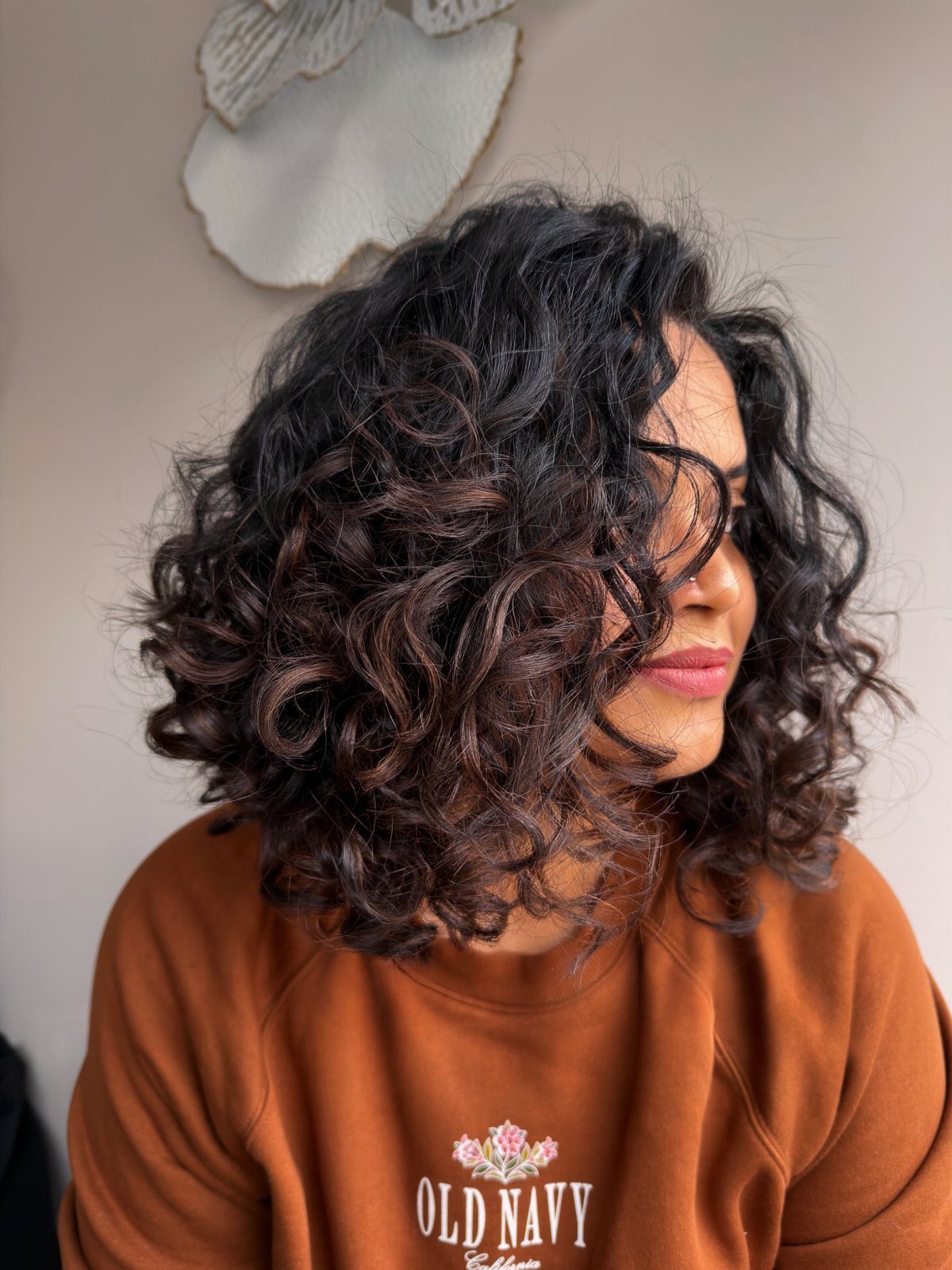
Layers are what stop a shoulder-length curly bob from sitting like a helmet. Cut through the length, they let the ringlets stack and move instead of hanging as one block.
Ask your stylist to layer around the curl pattern so the volume lands where you want it. Work product through damp hair and scrunch once, then step away and let it dry without touching.
17. Curly Top with Short Sides
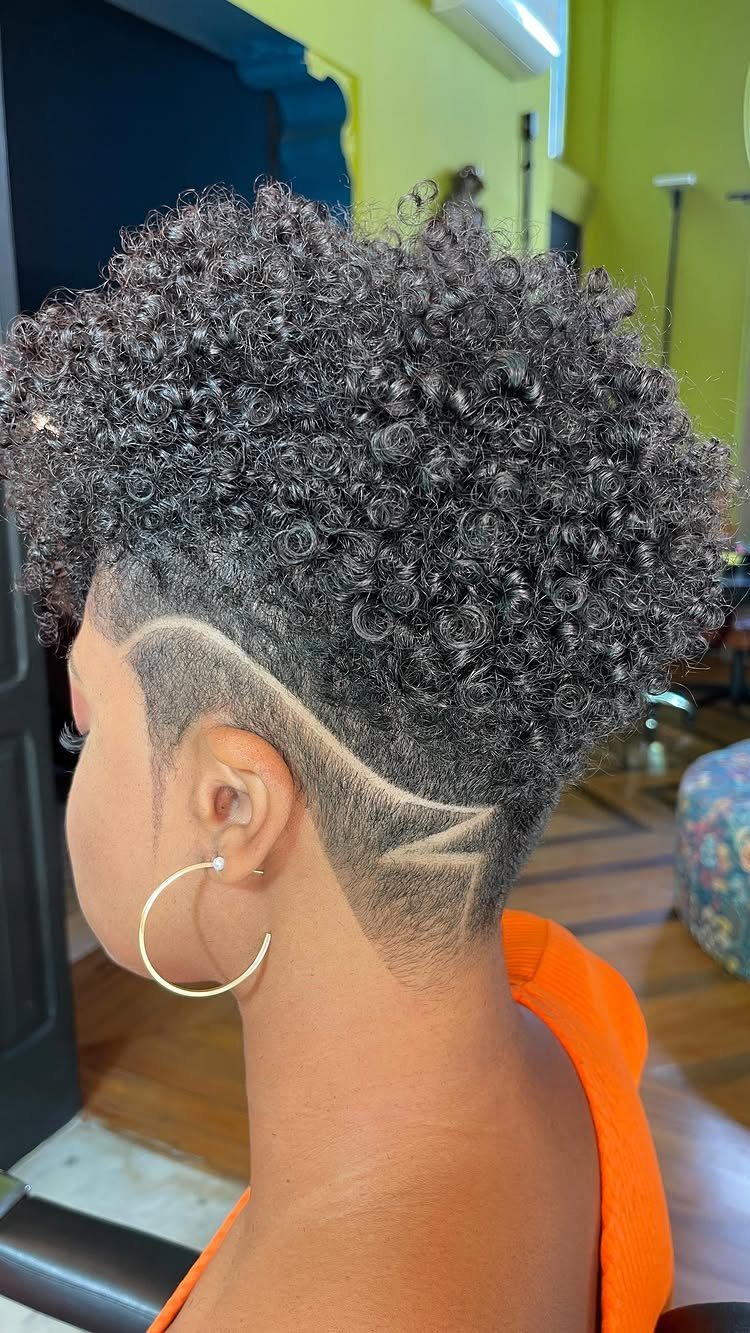
A rounded top of tight curls over shaved sides gives you a shape that is all contrast, and a curved line cut into the side turns the clippered section into a design.
Show your stylist the photo and ask for the pattern to be drawn in with clippers. A design like this only reads while the sides stay short, so expect frequent visits to keep it crisp.
18. Layered Lob Wispy Bangs
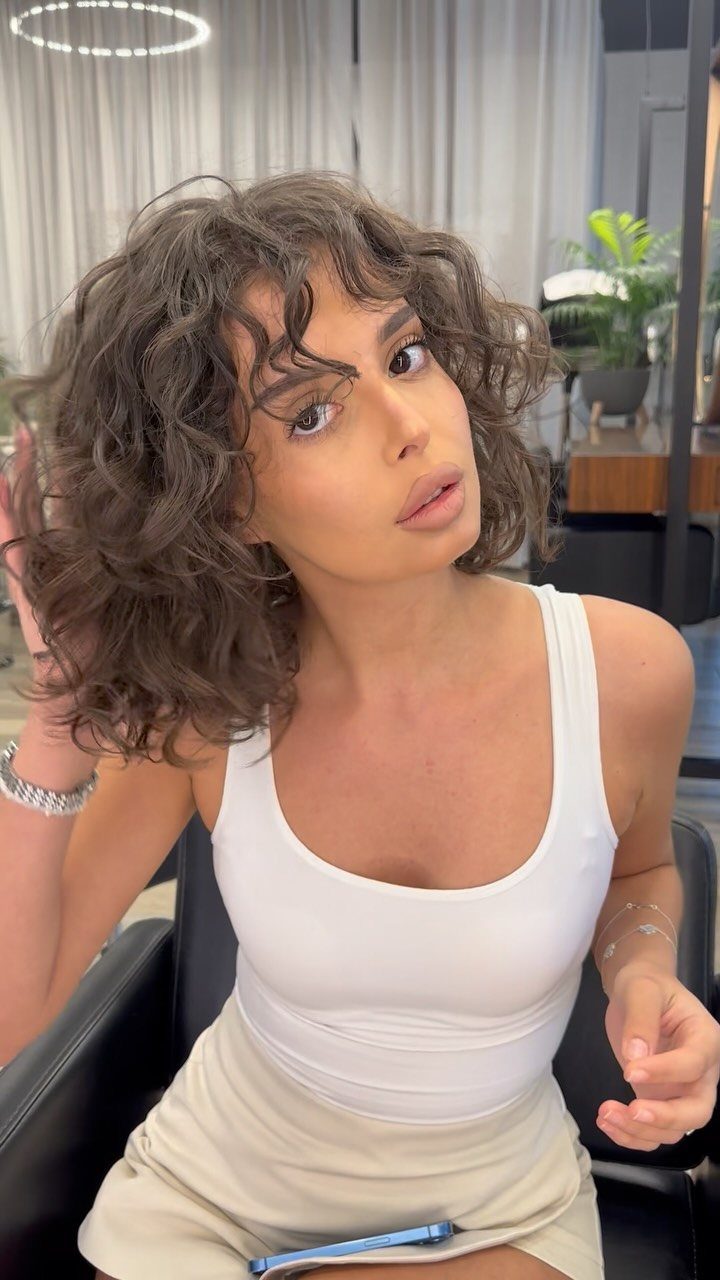
Wispy bangs let a little forehead show through, which keeps a layered lob light instead of heavy. The fringe is thinner and softer than a blunt one, so it blends into the curls around it.
Ask for the fringe to be thinned out and cut to sit with your curl. I would pick this if you want bangs but not a bold statement.
19. Colored Cropped Curls
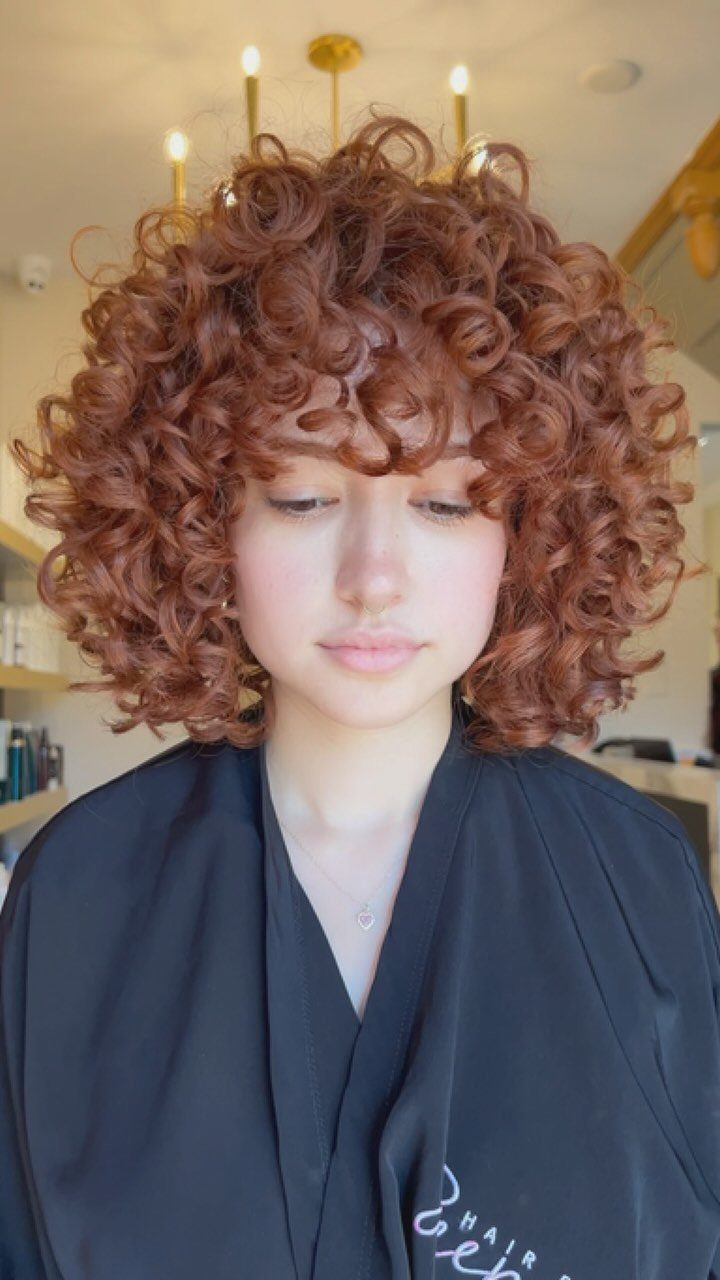
Color is what separates this from a standard cropped cut, and on short curls it does more than it would on straight hair. Every spring catches light differently, so a reddish-brown reads as several shades at once.
Ask for the cut and the color to be planned together, since a shape this short leaves little room to correct either.
I would pick a shade close to a natural tone if you want it to grow out quietly, and keep the curls moisturized so the color stays rich.
20. Wavy Pixie
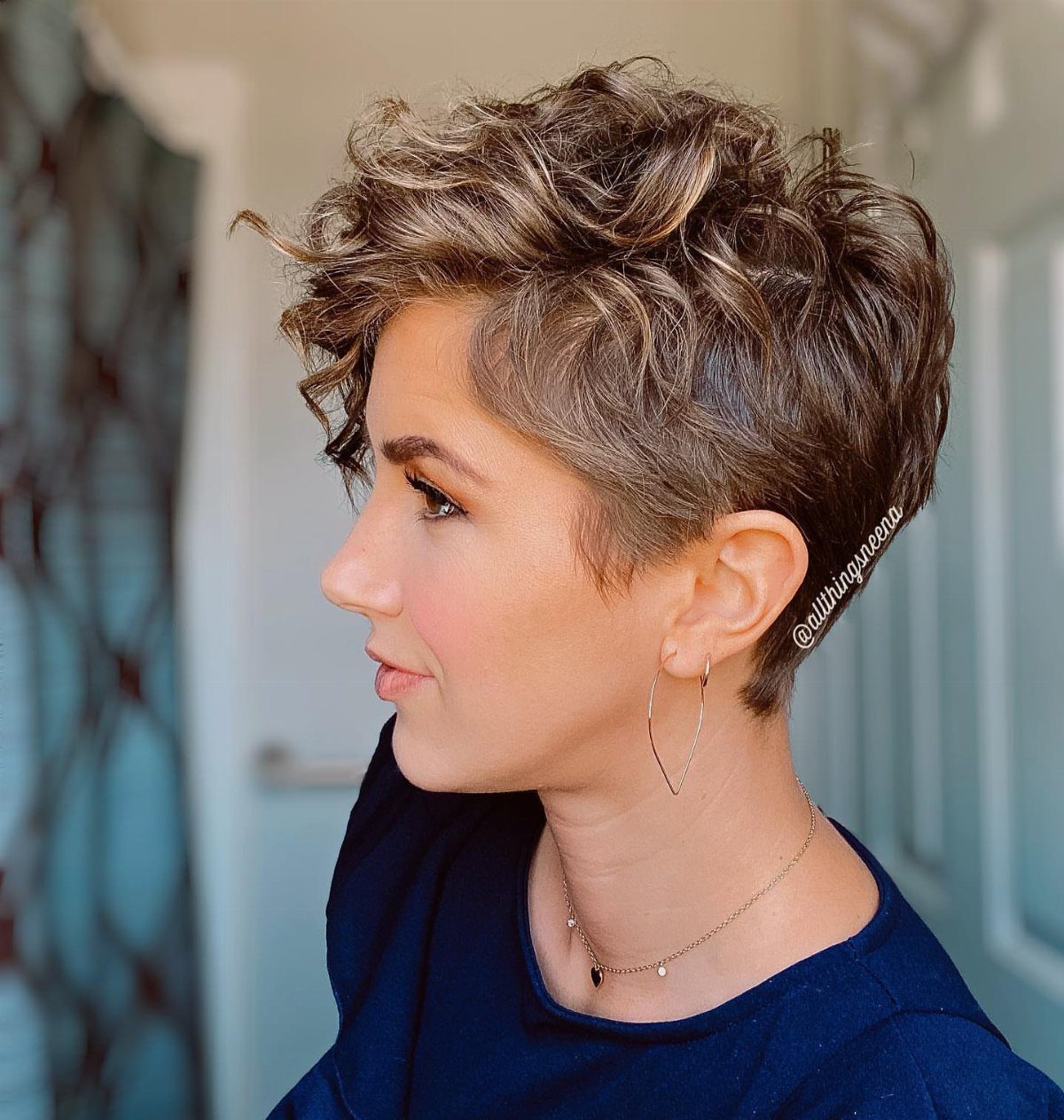
Waves are looser than coils, so a pixie for this texture needs layering that lets them bend instead of stack. Cropped tapered sides keep the shape neat, while the longer top carries the movement.
Ask your stylist to cut for wave, not for tight curl, and to leave enough length on top for the S-shape to form.
A light cream on damp hair is enough for a wavy pixie; scrunch it in and leave the hair alone while it air dries. Wavy hair can look limp when it is cut too short.
21. Ringlet Round Cut
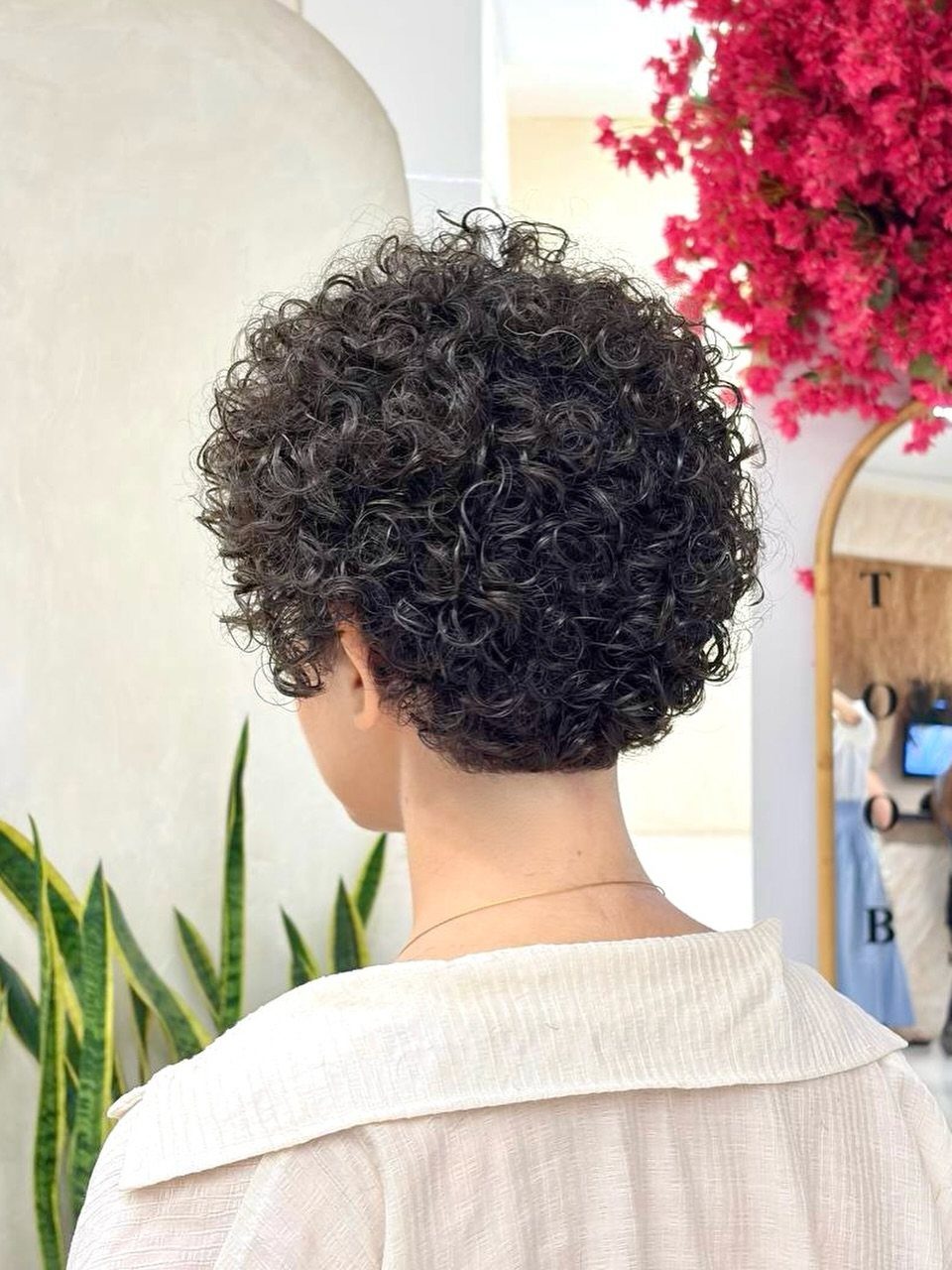
A rounded ringlet cut depends on evenness: the curls should sit at about the same distance from the scalp all the way around, so the outline reads as a soft circle from behind as well as from the front.
Tell your stylist you want the shape built from the back, with no weight dropping at the nape.
Define the ringlets with a cream on wet hair, then leave them alone while they dry. Plan on regular trims, because a round shape loses its balance fast.
22. Finger Waves
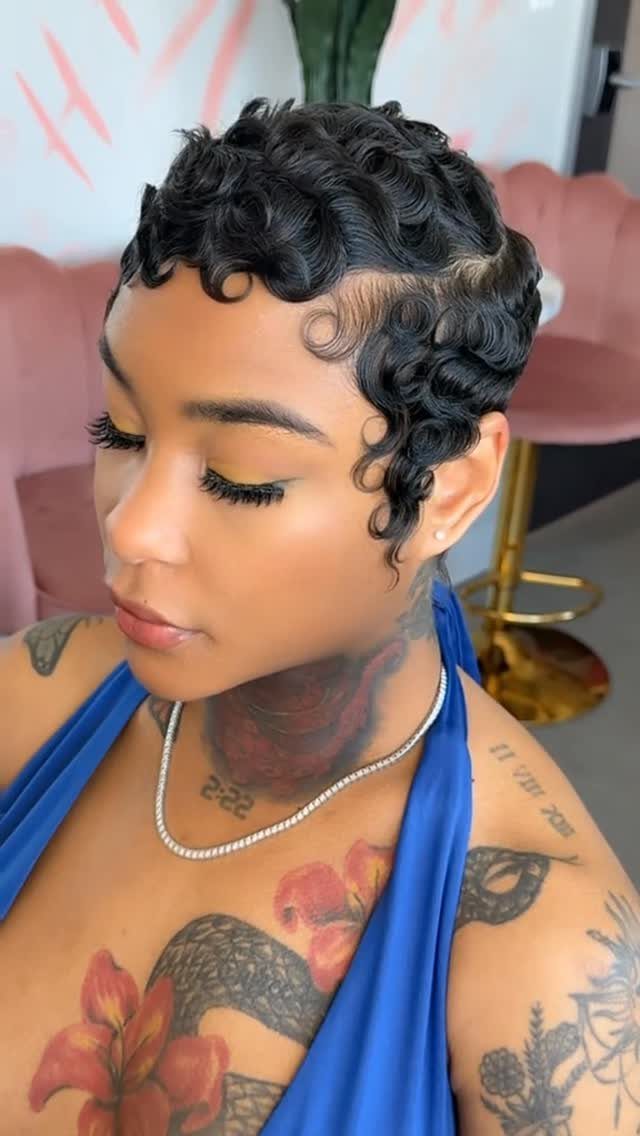
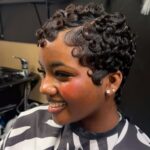
Finger waves are sculpted, not scrunched: short hair is molded into smooth S-shaped ridges, with curled edges finishing the look. They turn a cropped cut into something that feels deliberate and dressed up.
Bring the photo and ask your stylist to set the pattern, since the ridges need a steady hand and a styling product with hold.
This is a special-occasion style more than a daily one. I would book it for an event, then go back to wash-and-go.
23. Short and Voluminous
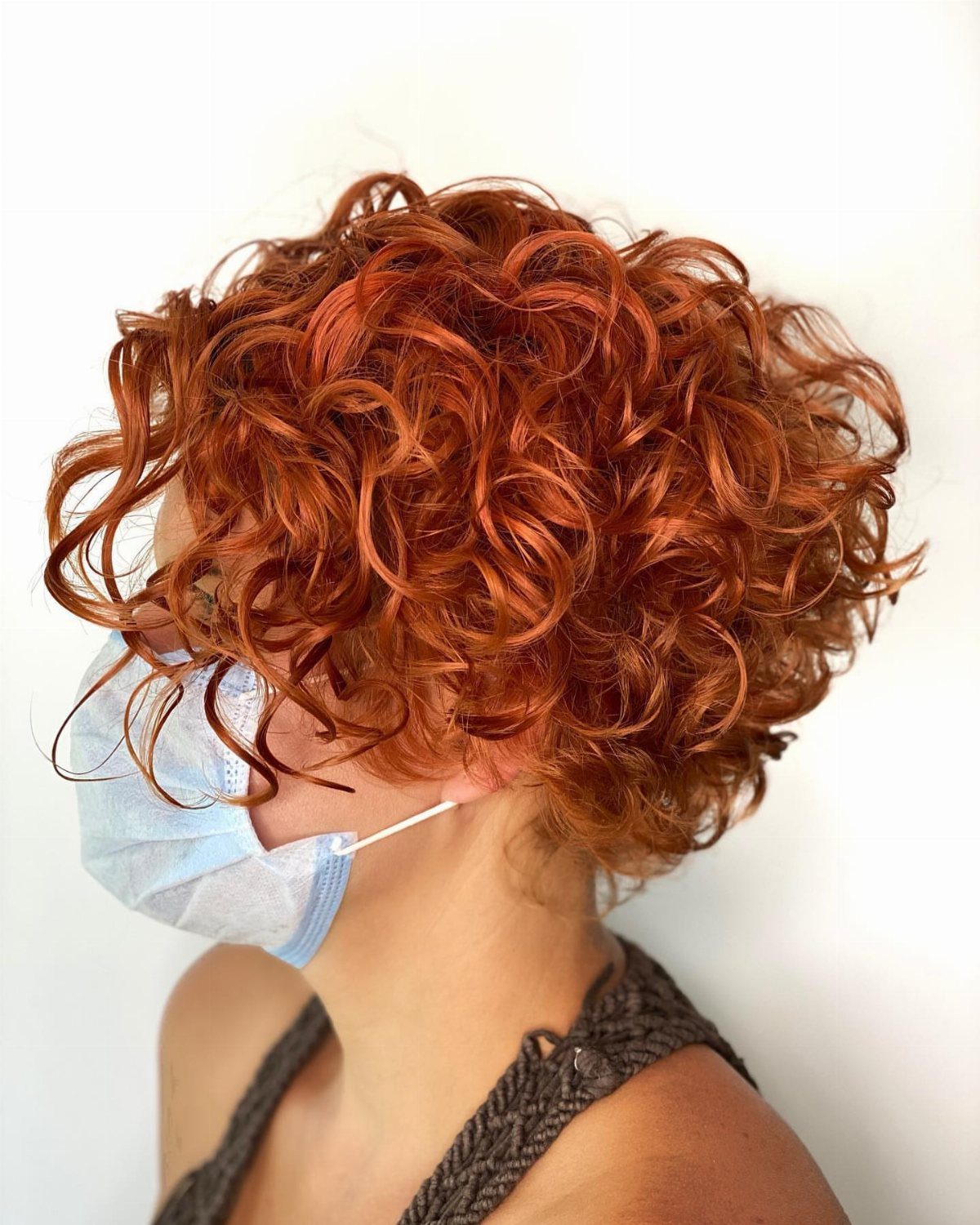
Volume is the point here, so the cut works with it. Ask for longer curls on top that sweep forward over shorter hair at the back, and skip the pins so the curls settle where they fall.
Ask your stylist to keep the top full and the back close, and skip heavy products that would weigh the curls down.
Pick the hair out lightly at the roots if the crown flattens. It suits anyone who likes a big, loose shape.
24. Curly Bob
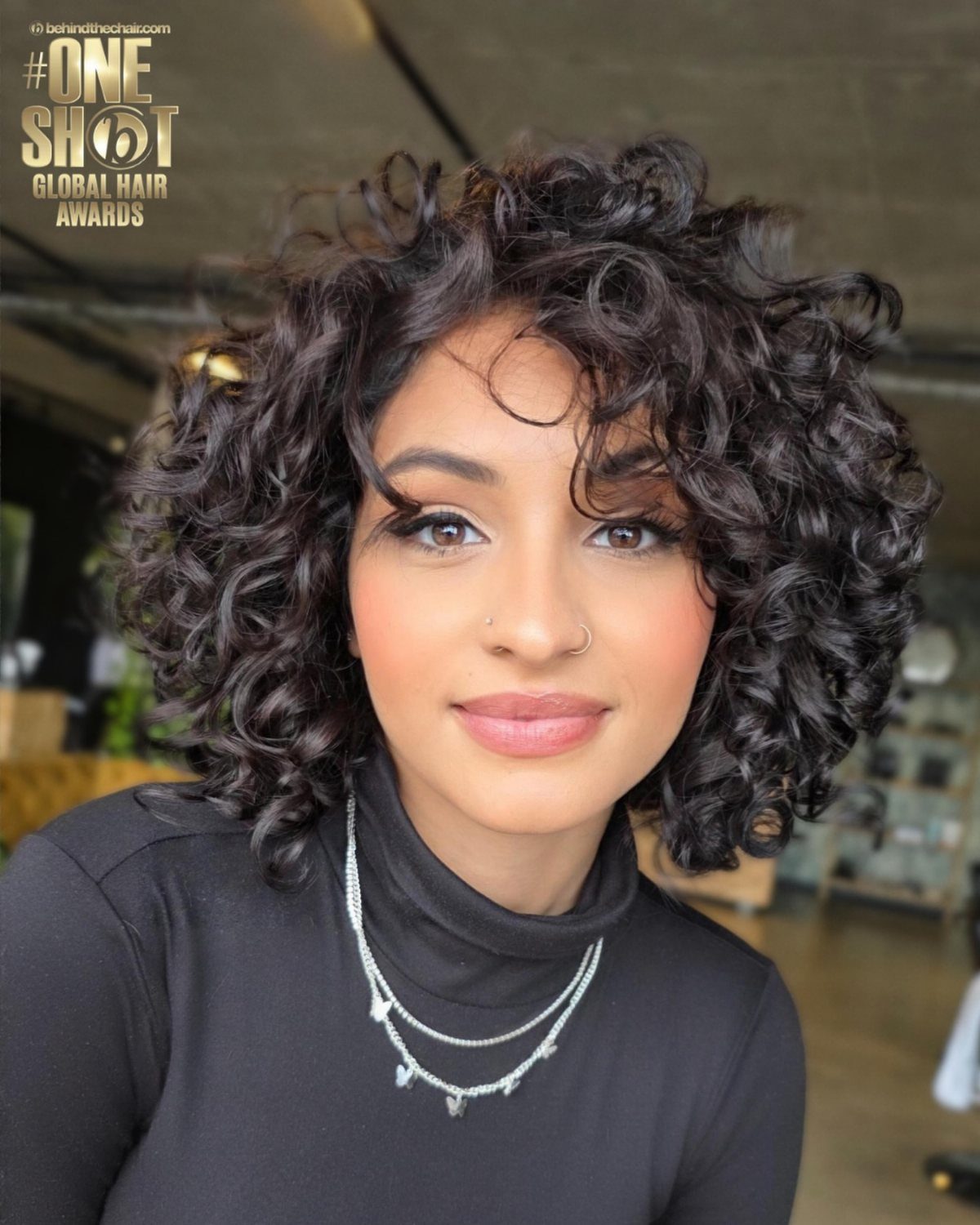
Chin-length is the classic spot for a curly bob, and it reads as polished even when the curls are left natural. Layering decides how it behaves: more layers give a rounder, bouncier shape, while fewer keep it sleek.
Ask your stylist to cut the bob dry so the length is what you will really wear.
Style with a curl cream and diffuse or air dry. I would choose light layering if your curls tend to stack.
25. Curly Pompadour
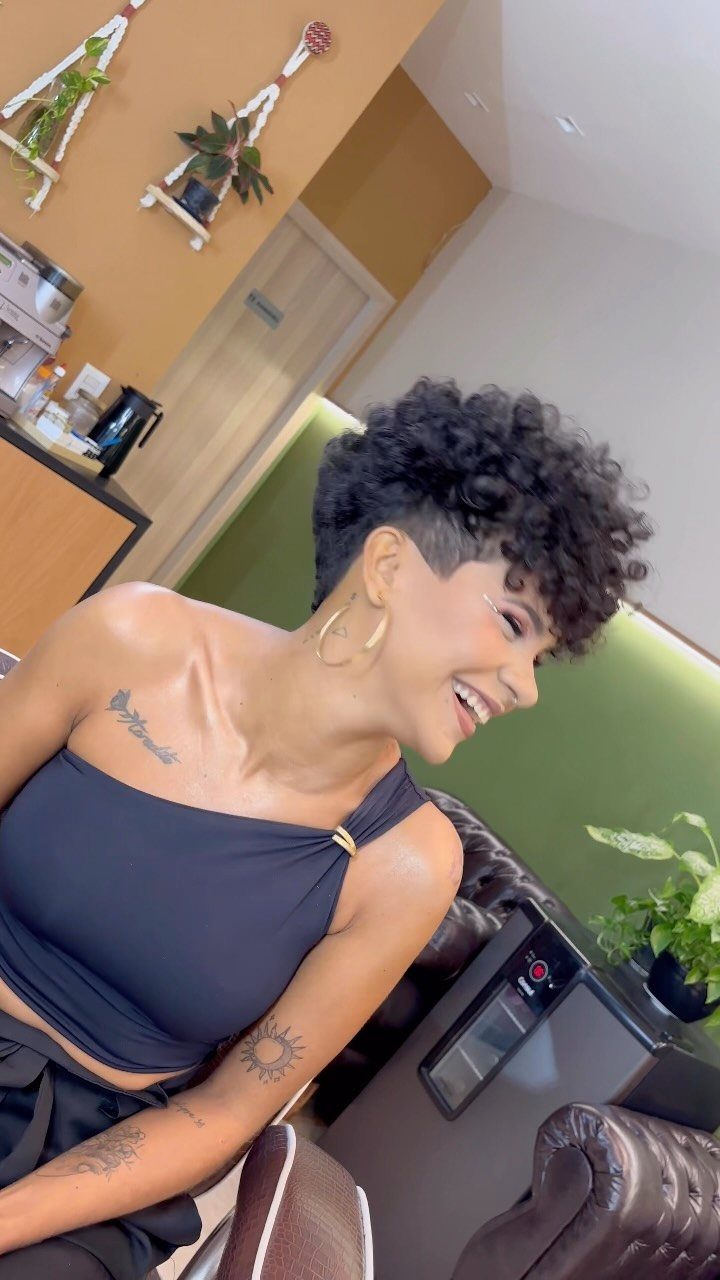
Height does the work in a curly pompadour: curls stacked above closely cropped sides give a retro silhouette that depends on the contrast between the two.
Ask your stylist to leave the top long enough to lift and hold its own shape, and to keep the sides short and blended.
Rake a curl cream through damp hair, then pull the front straight up and forward with your fingertips while it air-dries so the lift sets in place. The sides will need regular trims to keep the line clean.
26. Rounded Curly Bob
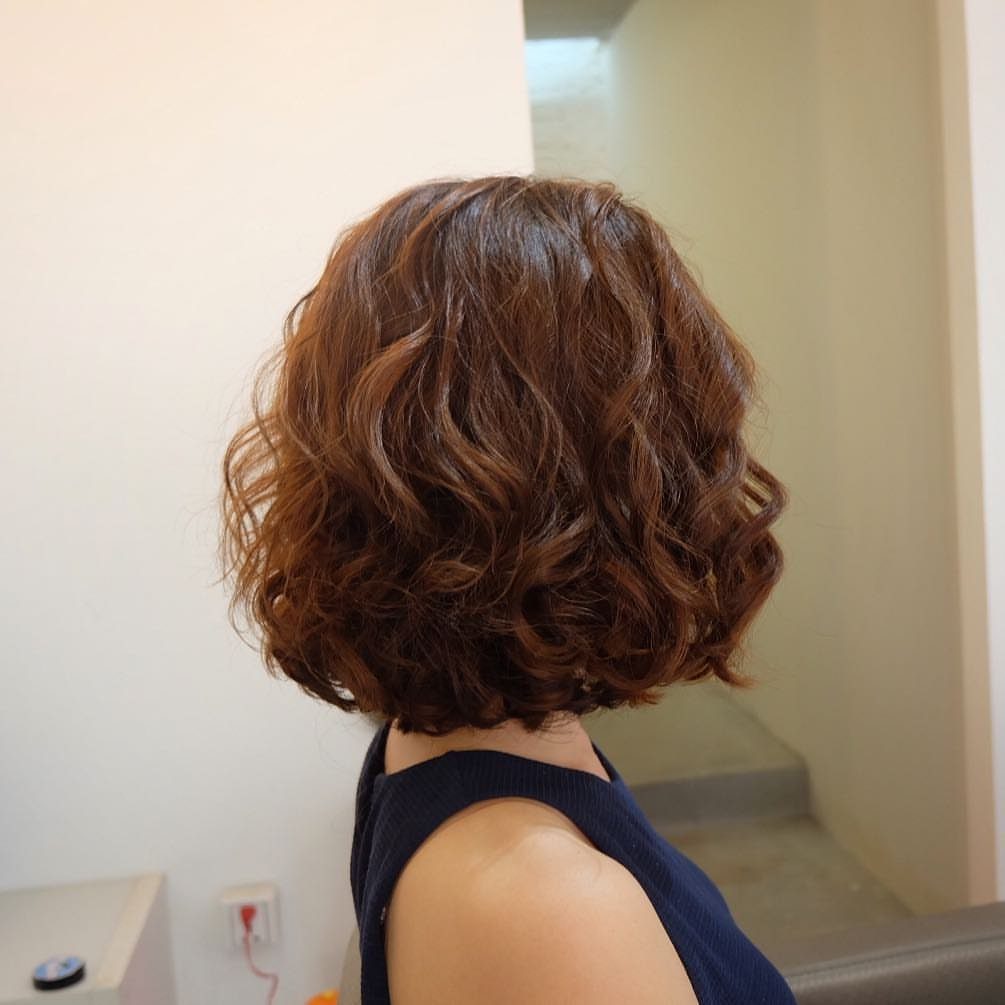
Round is the shape to ask for here. A rounded curly bob lets the fullness of the curls set the outline, so the back curves softly instead of cutting straight across.
I would have it shaped dry, curl by curl, so the curve you see in the chair is the one you wear home.
Scrunch a curl cream into soaking-wet hair, then hands off until it’s dry; touching it early breaks up the clumps and invites frizz. Trim it often enough that the curve stays even.
Curly-cut Consultation and Shape
Before any cutting, the stylist matters more than the photo. Pick someone who works with curls and coils regularly, and book a consultation first if the salon offers one.
Come ready to talk about your curl type, texture, wash routine, the products you already use and how many minutes you give styling each morning.
Be honest about how much upkeep you will actually do, because a good stylist shapes the chop around that answer.
3 things decide how the cut behaves: density, curl diameter and shrinkage. Seeing the hair dry shows its true shape and helps avoid uneven shrinkage or a triangular outline.
Ask your stylist to taper the nape into a V and the crop will grow out in soft layers instead of a blunt shelf. Ask about it if you want an easier grow-out.
Trim and Color Upkeep
Trim timing is a choice between a sharp outline and a softer one. For a crop, 6 weeks keeps the shape crisp; for other short cuts, 7–8 weeks is enough if you can live with the edges loosening a little.
Color adds its own schedule.
Copper fades quickly, so plan a refresh sooner than you would for a deeper shade. Red accents need maintenance too, and I would book that appointment when you book the cut.
Color services can leave curls drier, so add extra conditioning to your routine. Switch to color-safe products as well, since they help the pigment last longer between visits.
Hydration and Curl Care
Start with gentle cleansing. A sulfate-free shampoo lifts dirt without pulling out the natural oils, and a rich conditioner left on once a week keeps short curls soft.
A deep mask every 7–10 days resets moisture. Thick curls can be a lot to manage without that step, and Pattern Transition Mask and Cécred Reconstruction Treatment Mask are 2 options for keeping them hydrated and strong.
Use a clarifying shampoo about once a month to clear buildup, then follow with conditioner. Between washes, a leave-in or a light oil helps hold moisture in.
At night, sleep with a silk scarf or bonnet, or on a silk pillowcase. It cuts down on friction, so curls wake up with less frizz.
Frequently Asked Questions
What is the best haircut for short curly hair?
The answer depends on your curl pattern, density, and how much daily styling you’ll commit to. A pixie suits tighter curls and a wash-and-go routine, while a bob works for varied curl types and offers more styling flexibility.
Shags add volume at the crown, tapers give clean lines with full tops, and afros emphasize rounded shape on coily hair.
What are some popular short curly hair cuts in 2026?
Bobs at chin or shoulder length, pixies cropped close, shags with blunt bangs, tapered cuts with full tops, lobs that read short, rounded afros, and mohawks with shaved sides remain the most requested short curly styles.
Undercuts and mullets offer contrast between long and short sections.
Should short curly hair be layered?
Layering depends on the shape you want. A shoulder-length bob needs layers to avoid stacking into a helmet, while a wavy blunt bob skips them to keep the perimeter crisp.
Does short curly hair look good?
Yes, short cuts let curls spring into their natural shape without the weight that pulls longer hair flat. Every coil shows, so the texture becomes the feature rather than something to manage.
Which haircut looks good for a round-faced girl with curly hair?
A chin-length bob frames a round face without adding width, especially when the curls bounce up toward the jaw.
Bangs cut to sit with your curl can narrow the forehead, and a shag’s layers keep volume from sitting all at one level.