The looks here run from micro twists that take all afternoon to install to short passion twists you can finish in half the time, cornrows that transition into Senegalese twists and chunky Havana twists built on square parts.
Pick based on how much length you want and whether you’re after a sleek finish or something with more texture.
1. Havana Twists
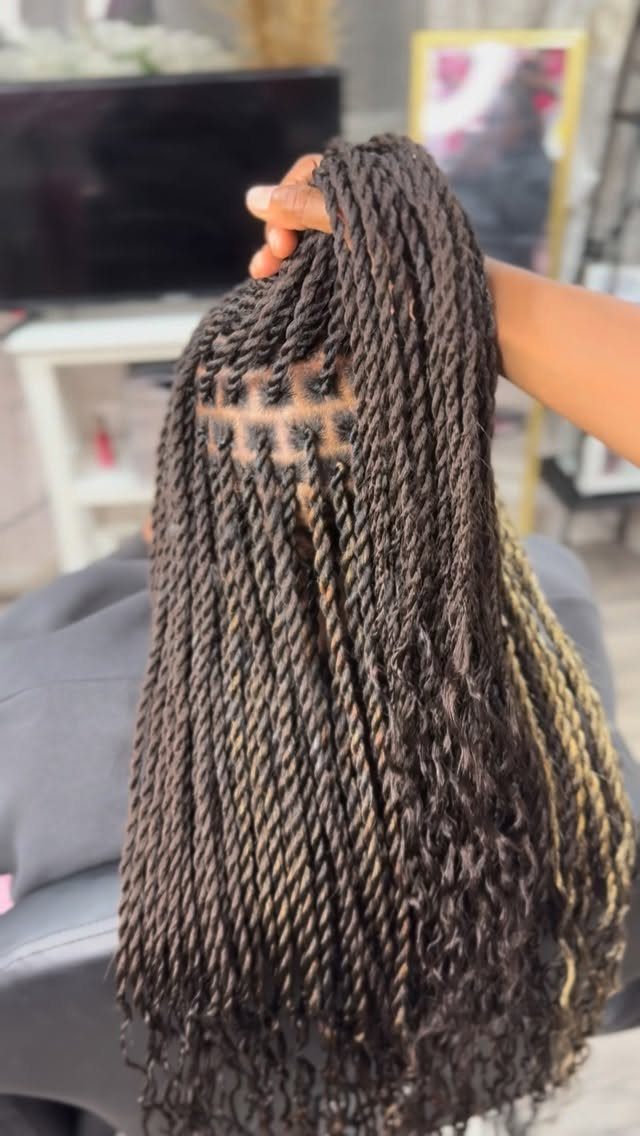
Havana twists are meant to be chunky, and the hair does the work: it’s thick enough that each twist reads as a rope rather than a strand.
Square parts keep the base tidy, so the volume sits on top of clean lines.
Fewer, fatter twists also mean fewer parts to make, which should cut down sitting time. I’d pick this over a thinner twist for a bold look without a lot of fuss.
2. Cornrow Braid:
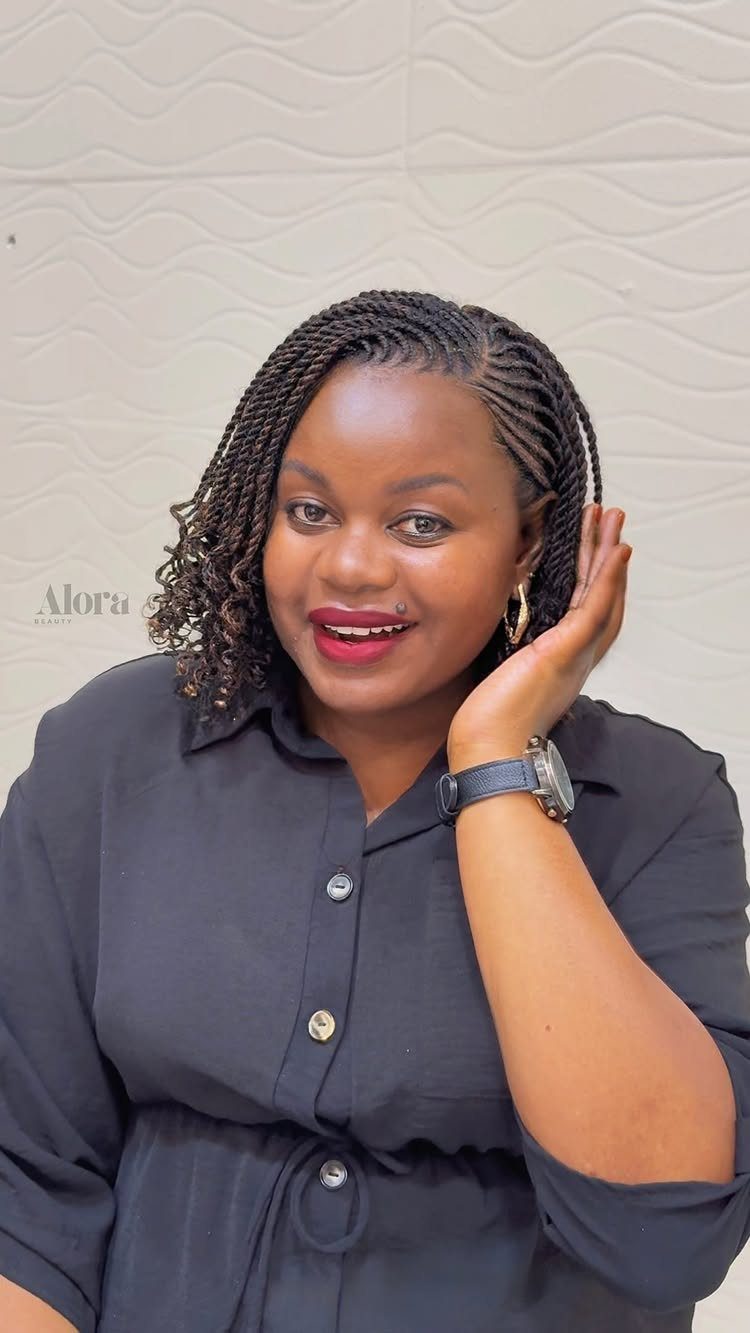
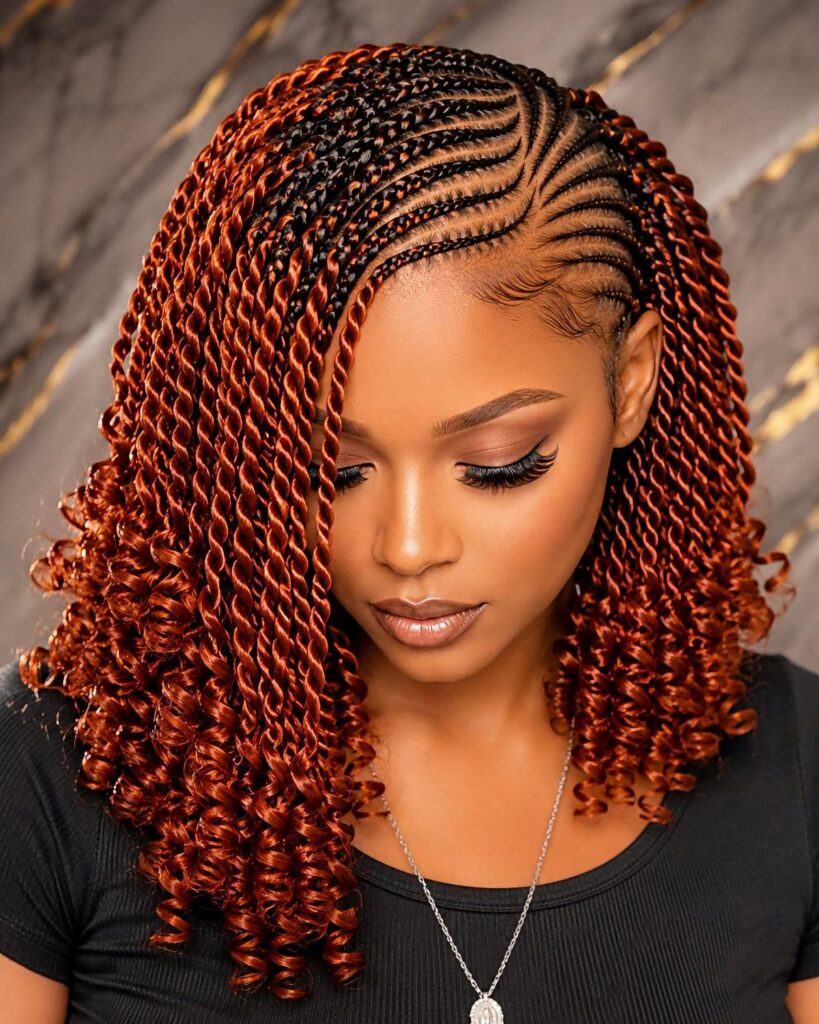
Cornrows at the front with twists hanging free behind them give you two textures in one style. The braided section keeps hair flat and neat near the face, while the twists swing at shoulder length.
For a first try with a stylist, pull up a reference image on your phone and say "cornrows into twists" so the transition point is clear.
It’s a smart pick if you like a sleek top but want length and movement below.
3. Senegalese Twists
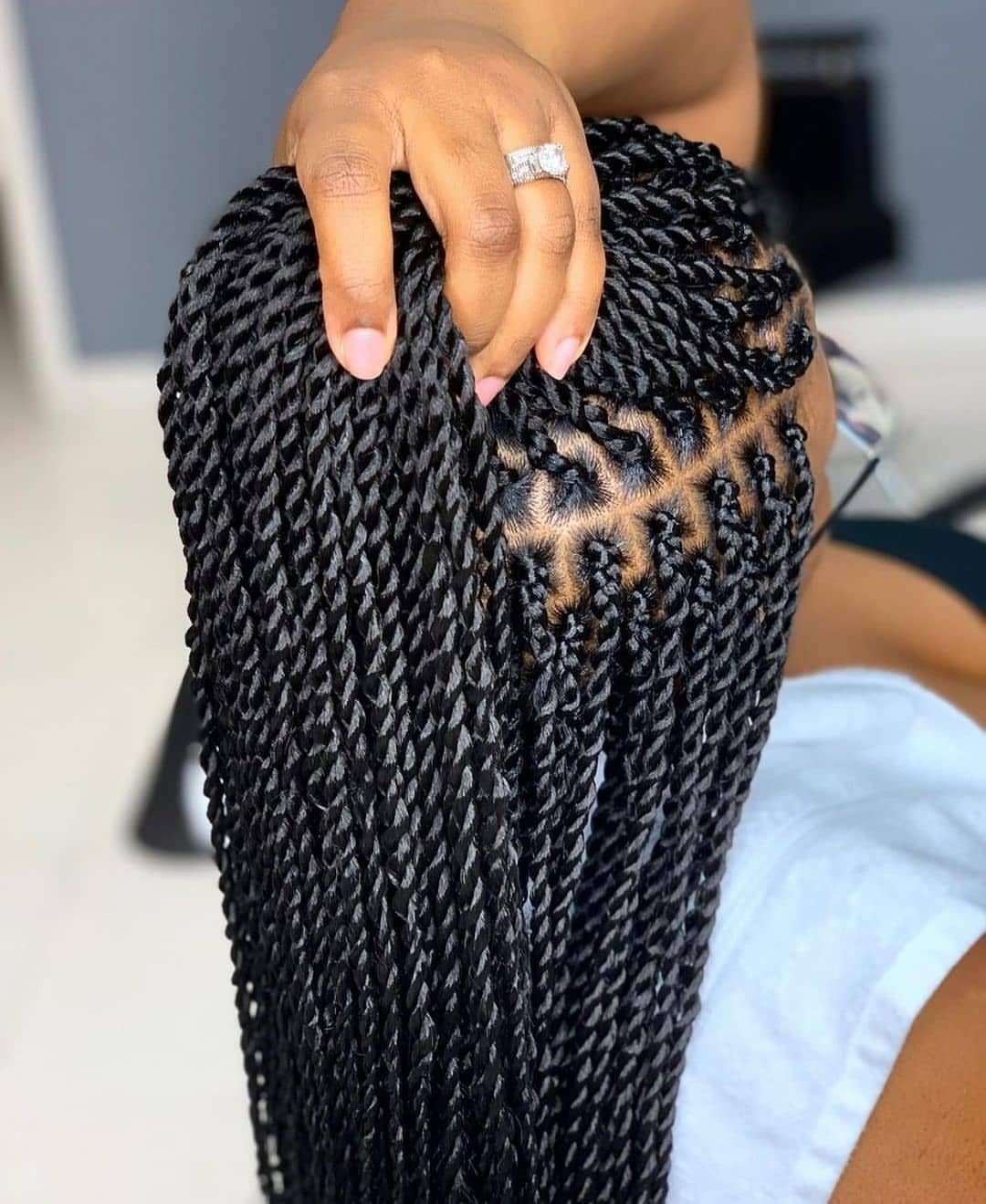
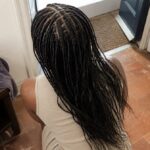
Two-strand twisting is what gives Senegalese twists their smooth, rope-like finish, and it’s why they hang so sleek and heavy down the back. I love how polished they look when every twist is the same thickness from root to tip.
A smooth finish is also the thing to ask your stylist about, since uneven twisting shows up fast on long hair. For a classic protective style, this is the one I’d request by name.
4. Half-Up Half-Down Twists
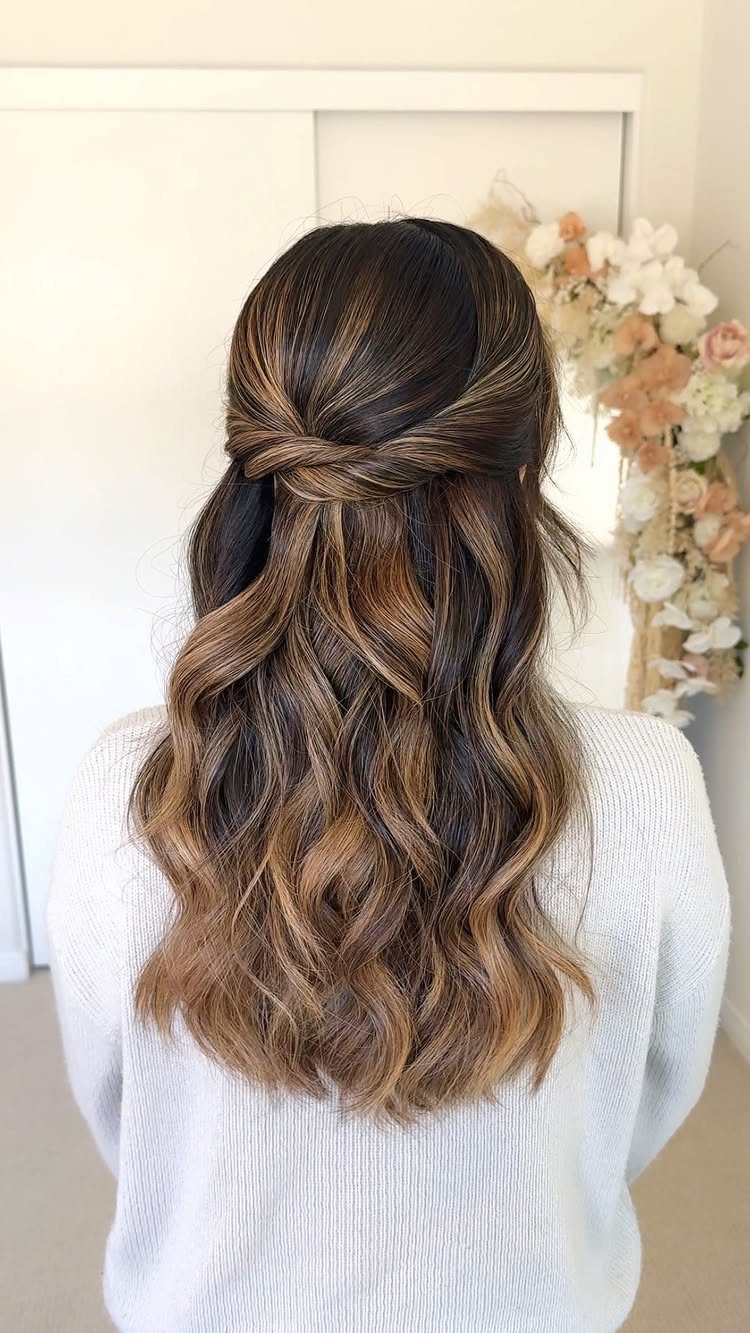
Pulling the upper half up and leaving the rest loose lets you show off twists without committing the whole head to one arrangement. Wavy lengths in the back keep the look soft, while the lifted part clears your face.
I like this for days when you want the hair out of your way but still want movement. A clip or an elastic band will keep the upper section in place.
5. Short Passion Twists
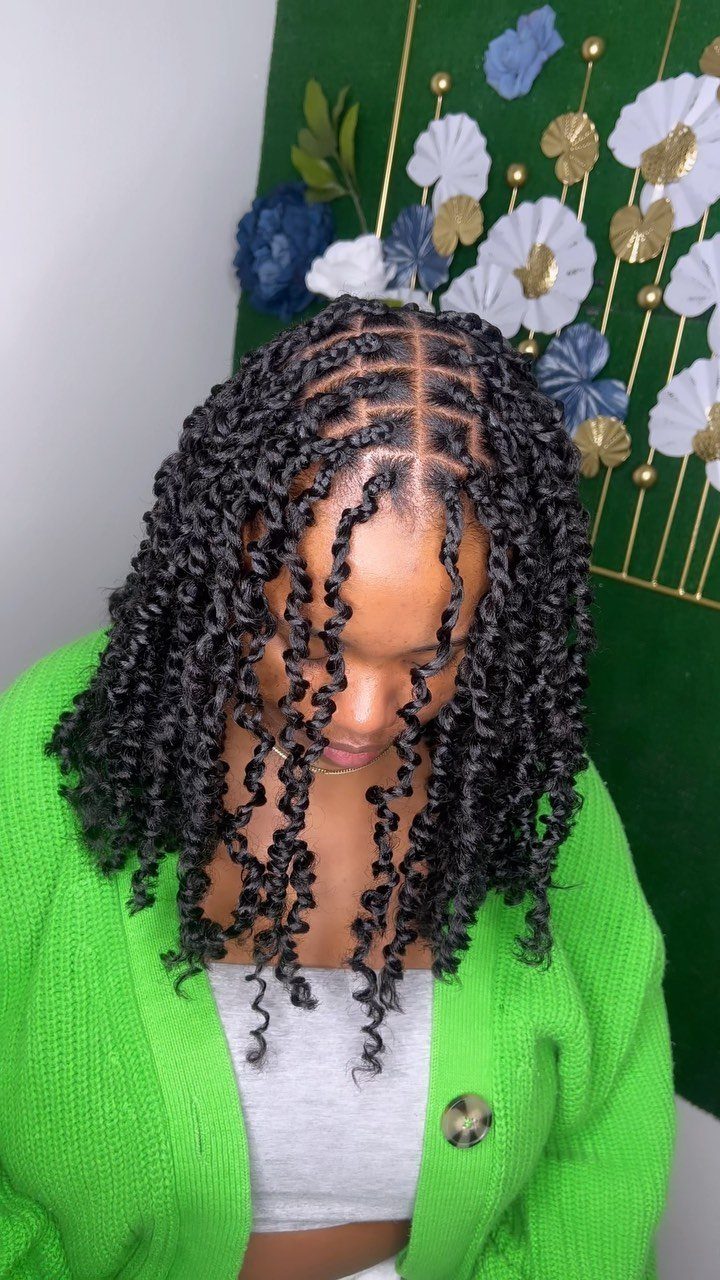
Cut short, passion twists lose their weight and gain bounce.
Short lengths also feel easier to live with day to day: less to wash, less to tangle, less pulling on the scalp. If long twists feel like too much commitment, I’d start here.
6. Micro Twists for Natural Hair
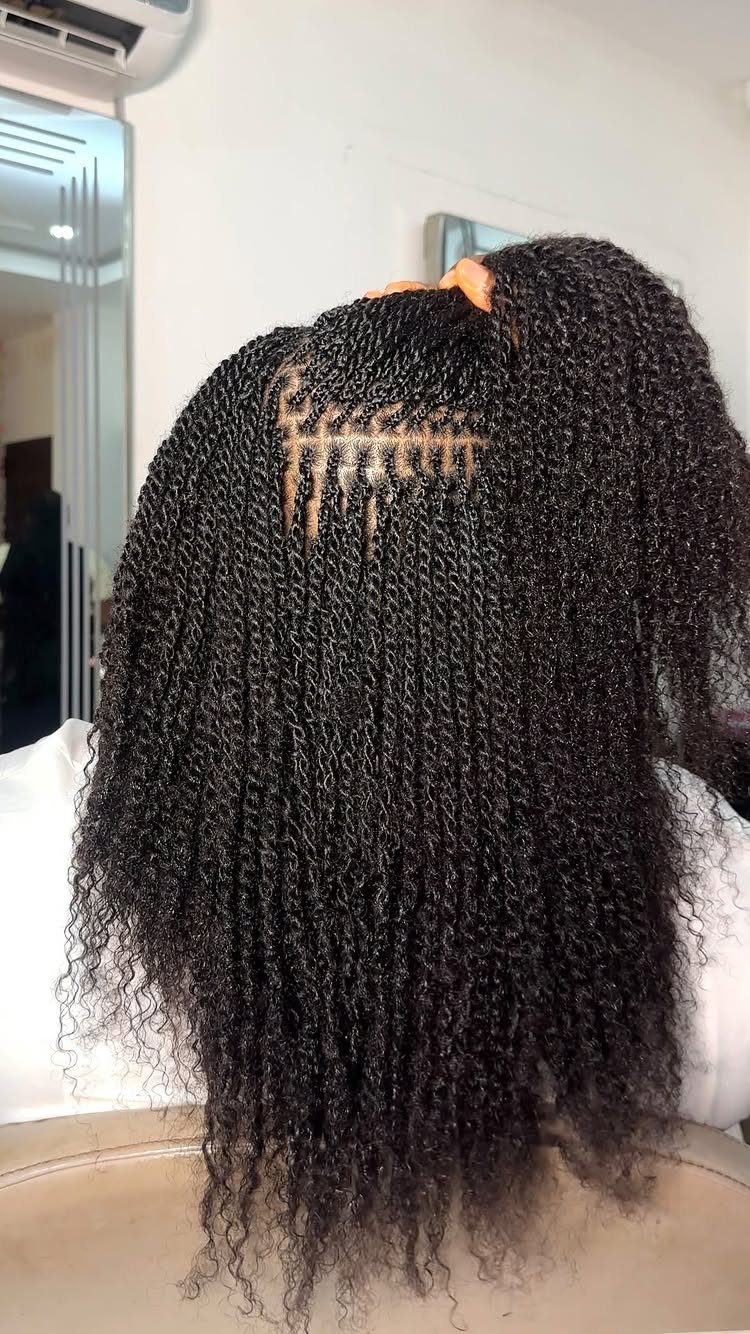
Micro twists are tiny, so the install takes patience, but the result is a look that lasts and moves like loose hair. Plan on a long appointment, or a full afternoon if you do them yourself.
One creator noted that 4 packs of braiding hair came in under $200, which is a useful budget reference. I’d gather the hair first and count your packs, then make the appointment.
7. Two-Tone Fluffy Passion Twists
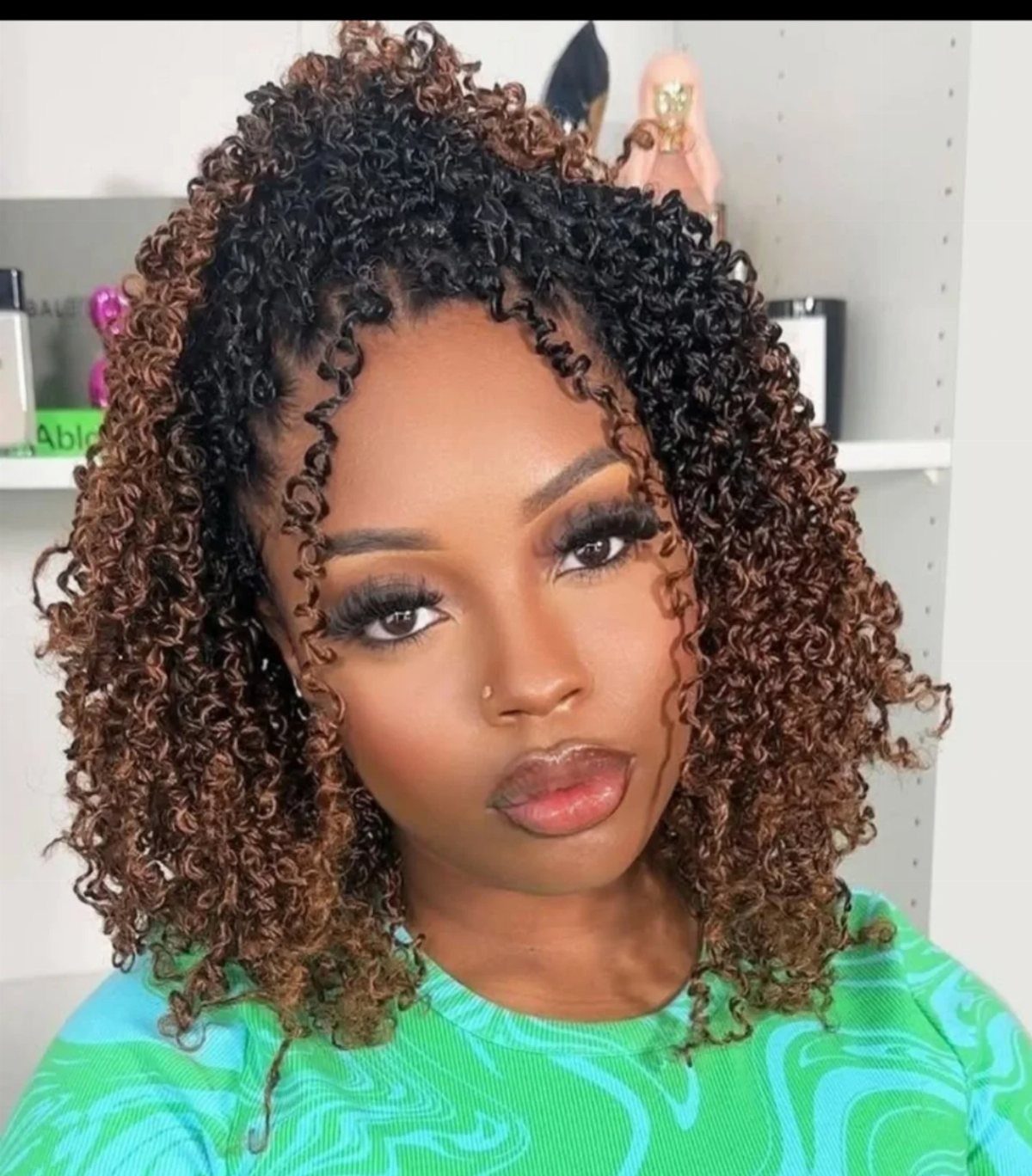
Dark roots melting into warm brown give these twists depth, and the fluffy finish keeps the color from looking flat.
When you book, name both shades and ask for them blended through each twist, so the brown reads as highlights rather than stripes.
Pull up a reference image before the appointment, because "brown" covers a wide range. I’d choose this over a single solid shade if you want movement without going bright.
8. Mid-Back Passion Twists
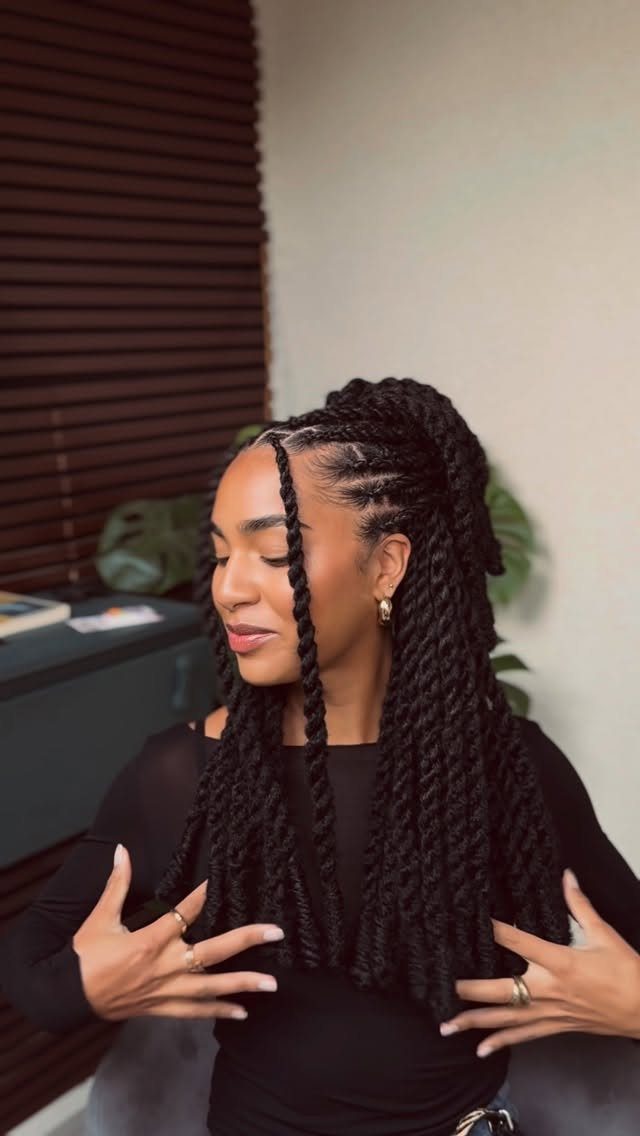
Mid-back is a length with options: long enough to sweep over a shoulder, yet well short of your waist. Black keeps the look classic and easy to pair with any outfit.
If you’re torn between this and something longer, I’d pick mid-back for everyday wear. Use your own hand as a marker and tell your stylist where on your back the ends should land.
9. Long Black Passion Twists
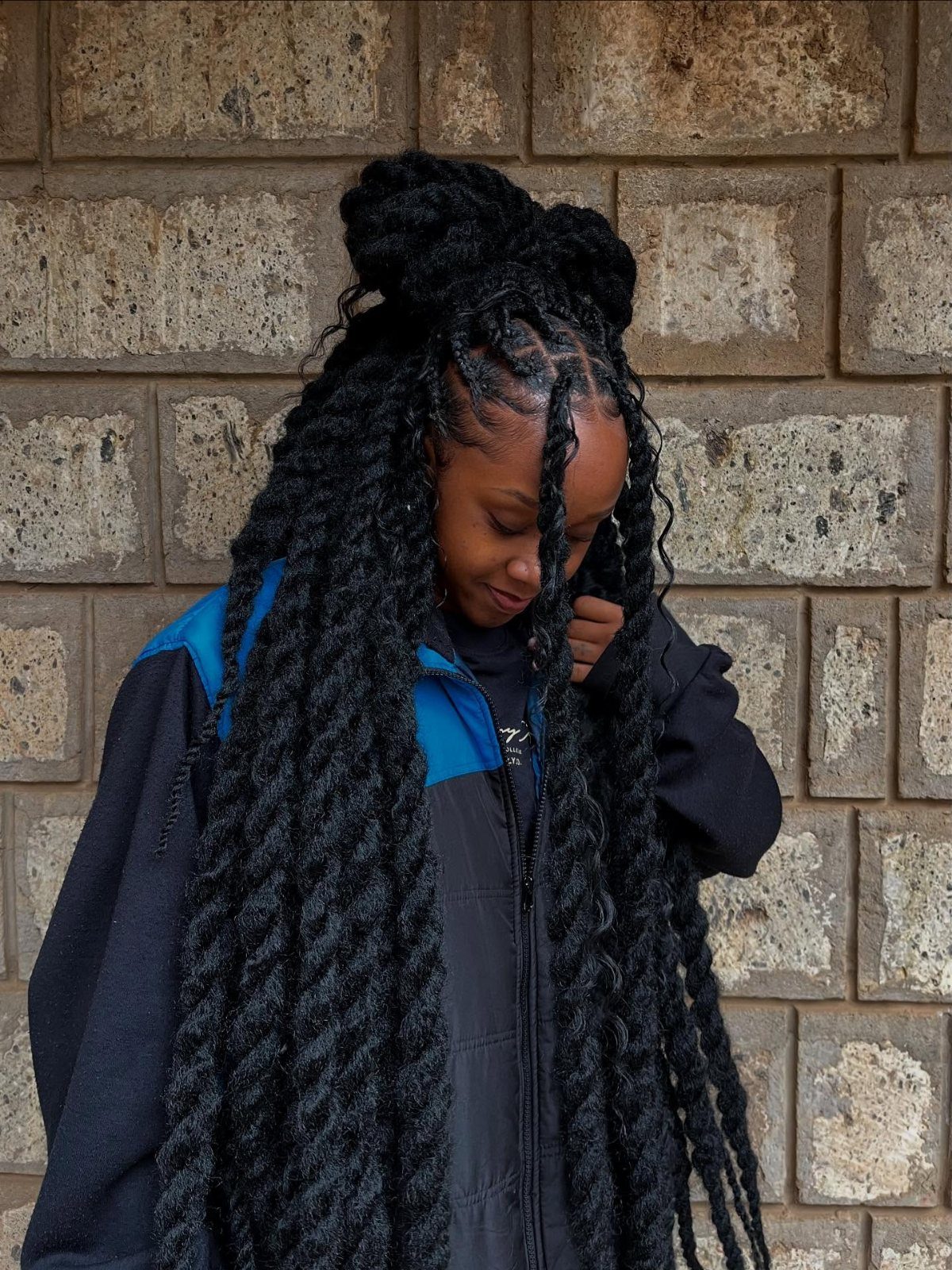
Past the waist, black twists give you enough length to pile some up and still have plenty left to hang.
Gather the top section at the crown, secure it with an elastic, then wrap one twist around the base to cover the band.
Settle on the length before the install begins, since trimming later is easy and adding inches is not.
10. White Blonde Passion Twists
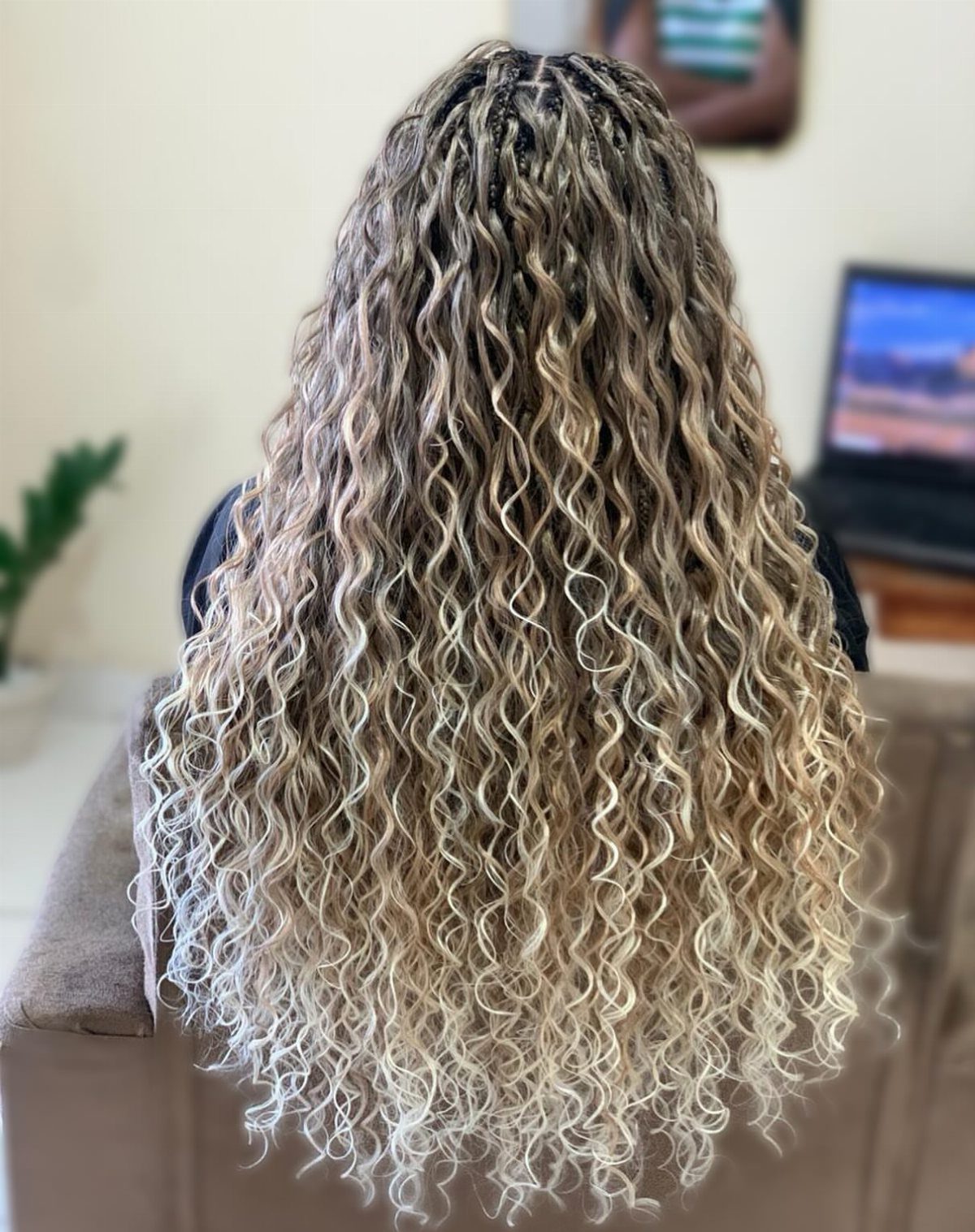
White blonde sits at the lightest end of the color range, and shade names vary. Check the color in daylight before your appointment, and bring a photo so you and your stylist agree on cream, ivory or icy.
The curly ends add a loose, soft finish against the pale color. It’s a bold pick, and I’d go for it only if you want color to lead the look.
11. Medium Crochet Passion Twists
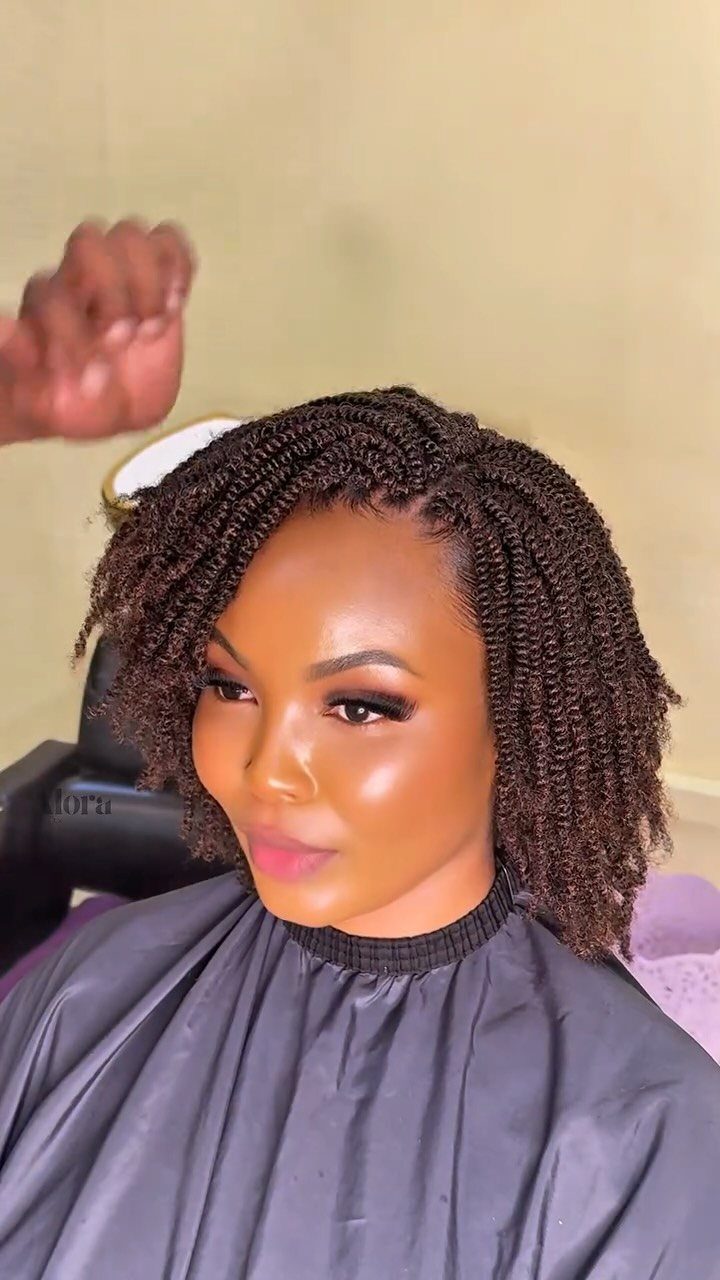
Crochet means the twists are looped onto a braided base instead of being twisted in from the root. Medium length keeps the style manageable, and the method often cuts down chair time.
Ask your stylist whether the twists come pre-made, since that changes how long you’ll sit. Bring a photo of the length you want, because "medium" can mean anywhere from shoulder to chest.
12. Afro Puff with Twists
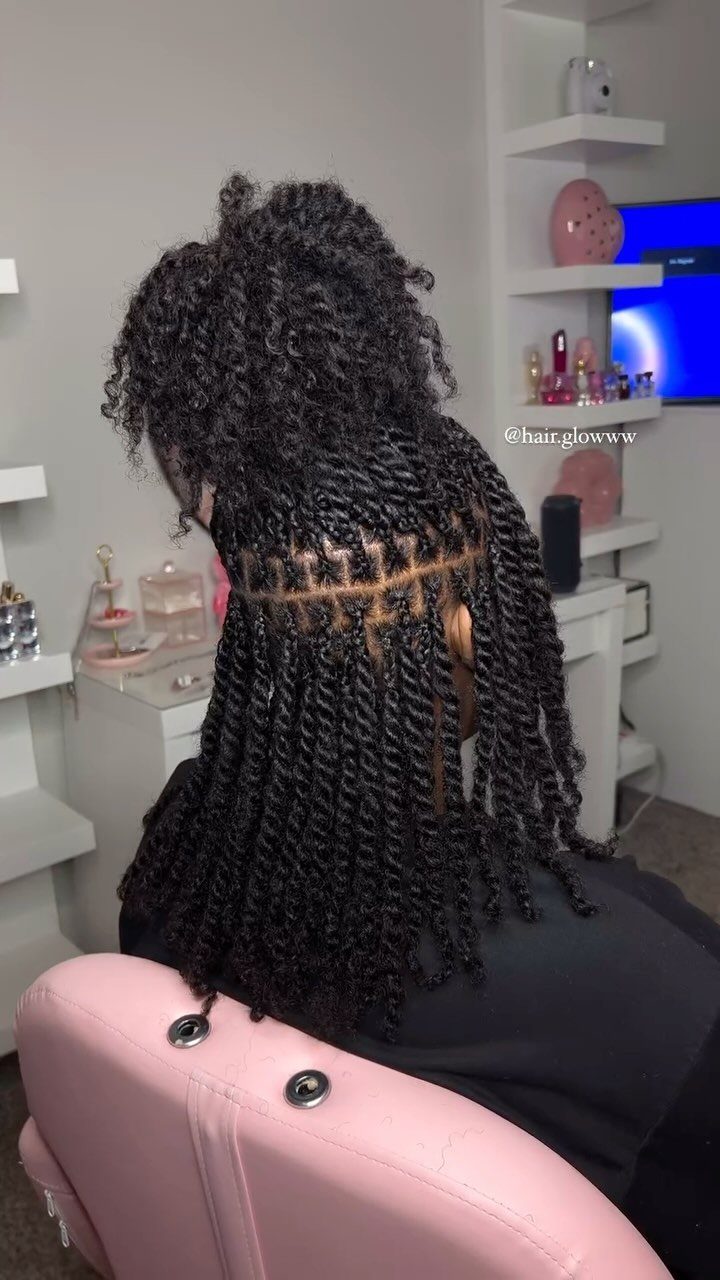
Twists that run from the front into a high puff give you height on top and length behind in one style.
Tell your stylist to set the puff at the crown, and decide beforehand how much twist length should hang free from it.
A small elastic that matches your hair color holds the puff in place at home. I like this for anyone who wants a style that’s clearly shaped, not just worn loose.
Twist Installation and Scalp Tension
Speak up if you feel pulling during the install.
When the twists are installed too tight, you’re putting steady pull on the follicles, and over time that can trigger traction alopecia, which is hair loss from chronic tension. The hairline is especially vulnerable, and scarring there can be permanent.
Tell your stylist to ease up the moment you feel discomfort. A style that hurts now will hurt worse after a few days, and no look is worth losing hair over.
Plan breaks between installations.
Protective styles let you skip daily styling, but hair still needs time free of tension to recover. I’d give yourself at least a week or 2 between installs, longer if your scalp feels tender.
As with any protective style, proper care begins from the moment you sit down in your stylist’s seat. To ensure that your style isn’t wreaking havoc on your locks, make sure your stylist doesn’t install your twists too tightly.
— Hair.com
Washing and Maintaining Twists
Twists can last several weeks, but only if you wash them.
Shampoo gently so you don’t loosen the twist pattern, then follow with a hydrating conditioner to keep hair soft underneath. Work the lather through your scalp with your fingertips, not your nails.
Dry your hair completely after every wash.
Damp twists hold moisture at the scalp, and that sets up the conditions for dandruff, fungus, or mildew. Use a hooded dryer on low heat until nothing feels cool to the touch.
Between washes, dip a cotton swab in witch hazel and run it along your parts to lift buildup without rewetting your whole head.
Frequently Asked Questions
Are braids and twists the same?
Braids use 3 strands woven together, while twists wrap 2 strands around each other. Senegalese twists give you a smooth rope finish with the 2-strand method, unlike box braids which need the traditional 3-strand weave.
What are Senegalese twist braids?
Senegalese twists are a 2-strand rope twist rather than a traditional 3-strand braid. You twist 2 equal sections of hair with extensions around each other to get a smooth, tight finish that hangs sleek from root to tip.
How do you do a twist braid?
Split a section of hair in 2, then wrap each strand around the other from root to end. You’re only managing 2 sections instead of 3, so the actual twisting goes faster once your hands get the rhythm.
What are the main types of textures for twist braids?
Senegalese twists are smooth and tight, Havana twists are thick and chunky, passion twists have a wavy bohemian texture, Marley twists look fuller like dreadlocks, kinky twists feel coarse and natural, and spring twists are bouncy with coils.
Pick based on the weight and finish you want.
How long do twist braids last?
With regular washing and a clean scalp, most twist styles hold for 3 to 4 weeks. The exact time depends on how tight they’re installed, how fast your hair grows, and how well you care for them between washes.
How do you prevent frizz with twist braids?
Moisturize your scalp regularly, sleep with a satin or silk scarf to cut friction, and avoid touching the twists throughout the day.