The curly girl method is a sulfate-free, silicone-free hair care routine designed to keep curly and wavy hair hydrated and defined.
Timing matters: a full wash day takes 2–3 hours while you learn the steps, and judging whether it works requires at least a month, not one wash.
Hairstylist Lorraine Massey built the method around co-washing, finger detangling, and letting curls air-dry or diffuse without interference.
1. Clarify First
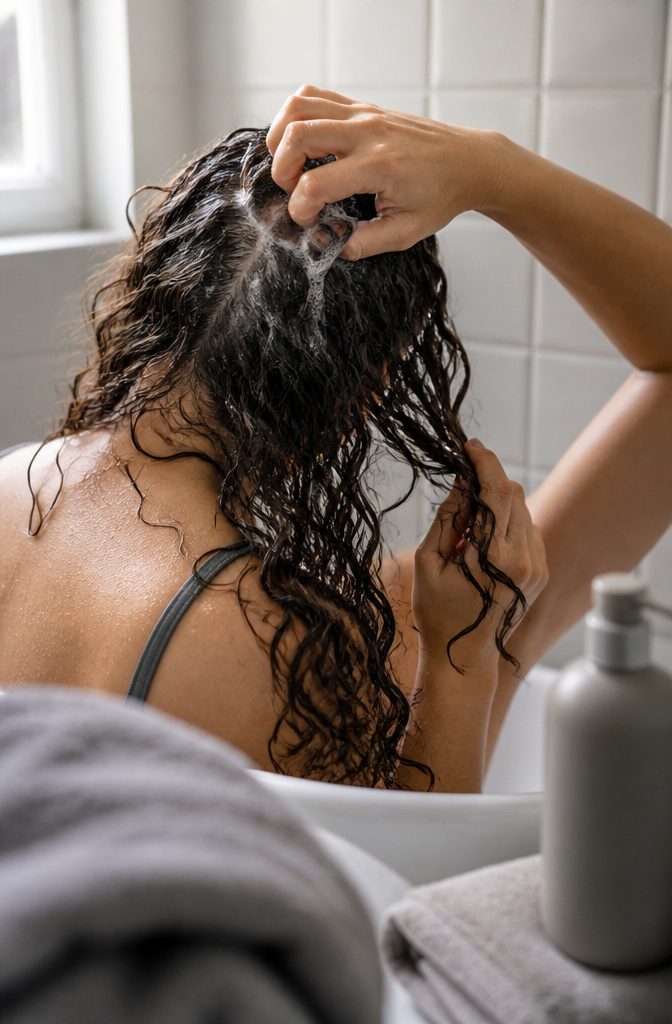
This wash is the starting line, and it comes before your first co-wash.
Use a sulfate-free clarifying shampoo to strip out product buildup, and give the scalp real time, massaging it in with your fingertips. Detangle with your fingers only, and leave the comb on the shelf.
After that, clarify on a schedule that fits your pattern: about twice a month for wavy hair, closer to once a month for coily hair.
Anywhere in the "every few weeks" range is fair for textures in between. For a more thorough reset, I like an apple cider vinegar scalp rinse first, then a detox shampoo, then a five-minute mask.
2. Co-Wash or Sulfate-Free Shampoo
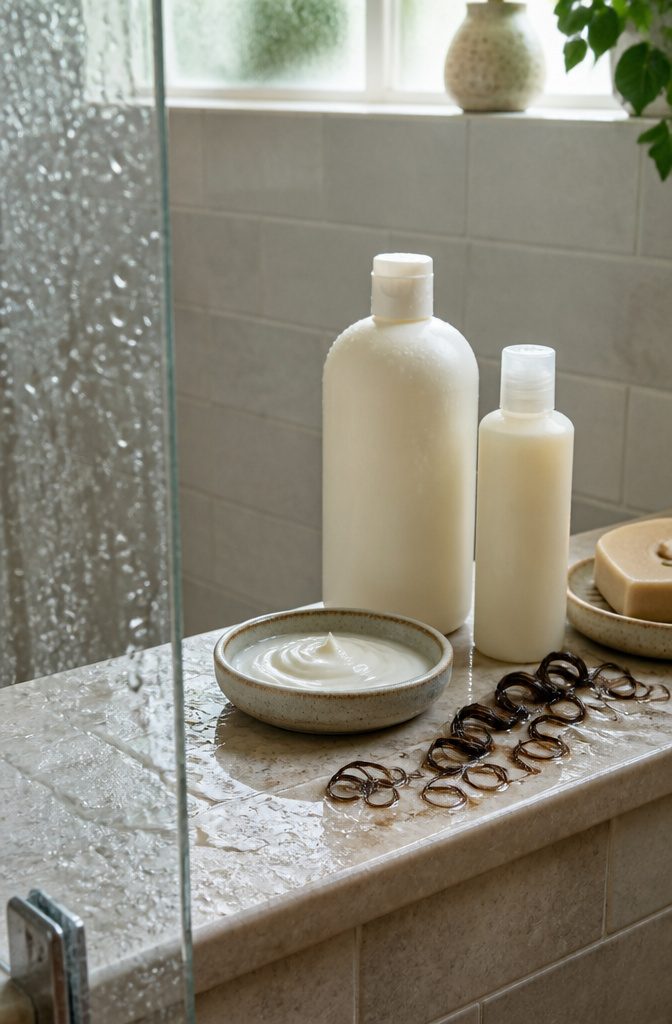
Co-washing means cleansing with conditioner instead of shampoo, and Ouidad Curl Shaper Double Duty Weightless Cleansing Conditioner is a good example.
It won’t foam, so massage it into your scalp with your fingertips until oil and buildup loosen. Keep the water warm to cool; hot water strips oils your curls already struggle to move down the strand.
Wash only 1–2 times a week. Tighter, drier textures do best with a co-wash.
If your scalp gets greasy fast, or you have fine hair or loose waves, I’d reach for a sulfate-free low-poo instead, since it has gentle detergents for a deeper clean. Alternating the two works too.
3. Condition and Detangle
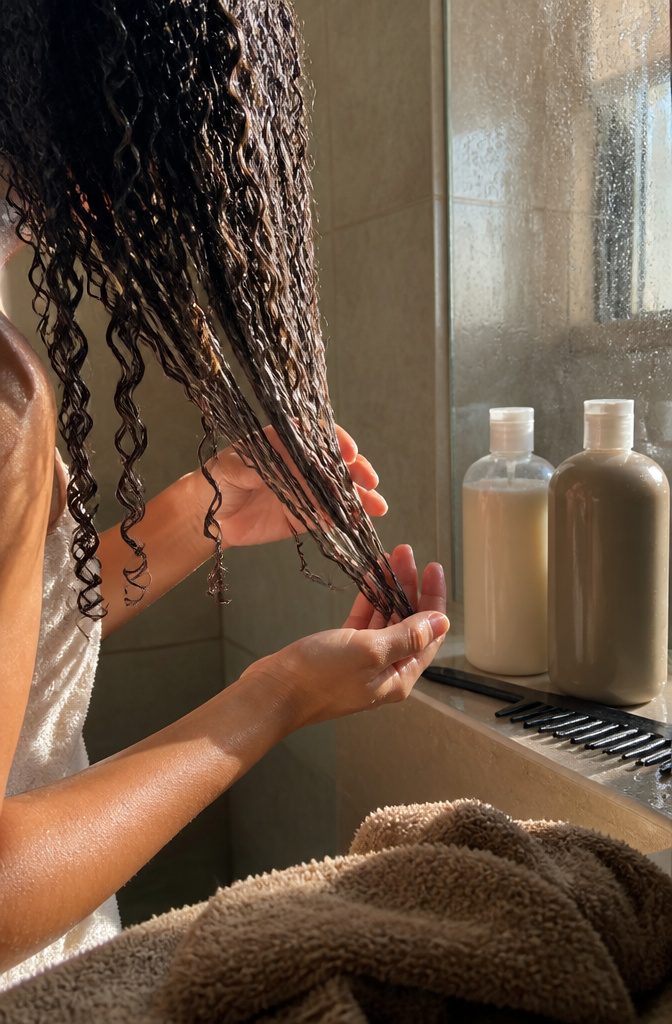
Conditioner is where the method gets personal, because the right formula depends on how dry your hair runs.
If a co-wash leaves your curls thirsty, follow it with a thicker, richer conditioner than the one you cleansed with. That means owning two bottles, and I’d call that worth it for dry curls.
Work the conditioner through while it is still in your hair and detangle with your fingers, easing each knot apart before you rinse. A wide-toothed comb is the other safe tool.
Leave the brush out of it on dry hair.
Dry curls are fragile, and brushing them invites split ends and frizz. Rinse once the knots are gone.
4. Deep Condition Weekly
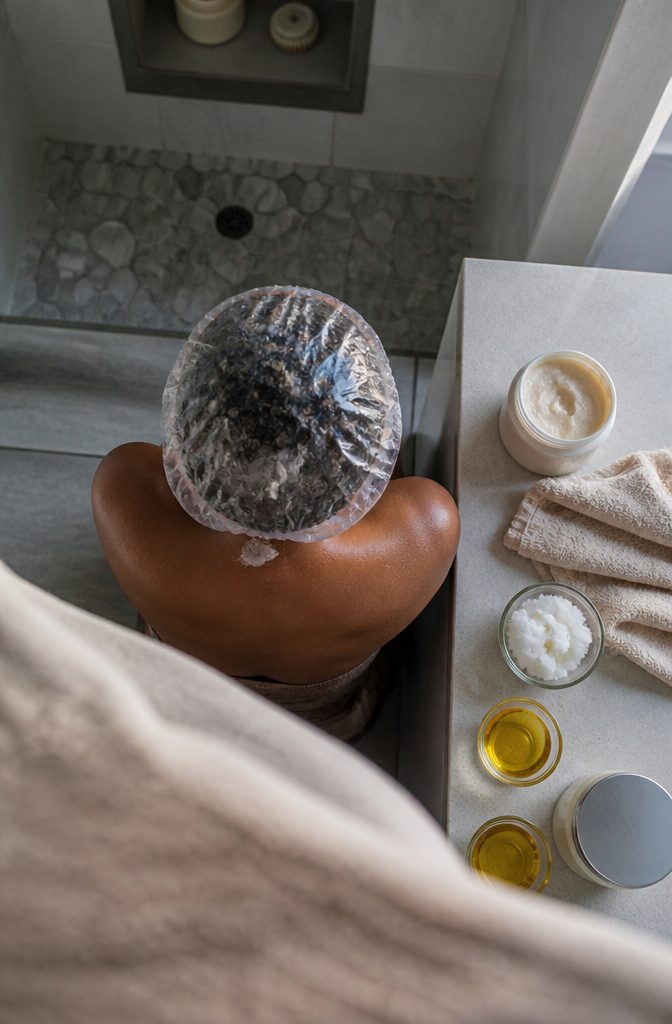
A weekly deep conditioning session gives dry or damaged curls a moisture boost without the buildup that more frequent heavy treatments can cause.
Coconut, argan and jojoba oil all condition without weighing down the curl pattern, and argan works either before the wash or as a leave-in mask.
For a jarred option, Rizos Curls Vitamin C Hair Repair Mask and Dae Monsoon Moisture Mask both fit this step.
Moisture alone leaves a gap, because curly hair also needs structural strengthening.
I’d work a protein-containing treatment into the weekly mix. Skipping protein is one of the most common mistakes in curly routines, and hair that stays soft but limp and stretchy is the usual result.
5. Apply Styling Products
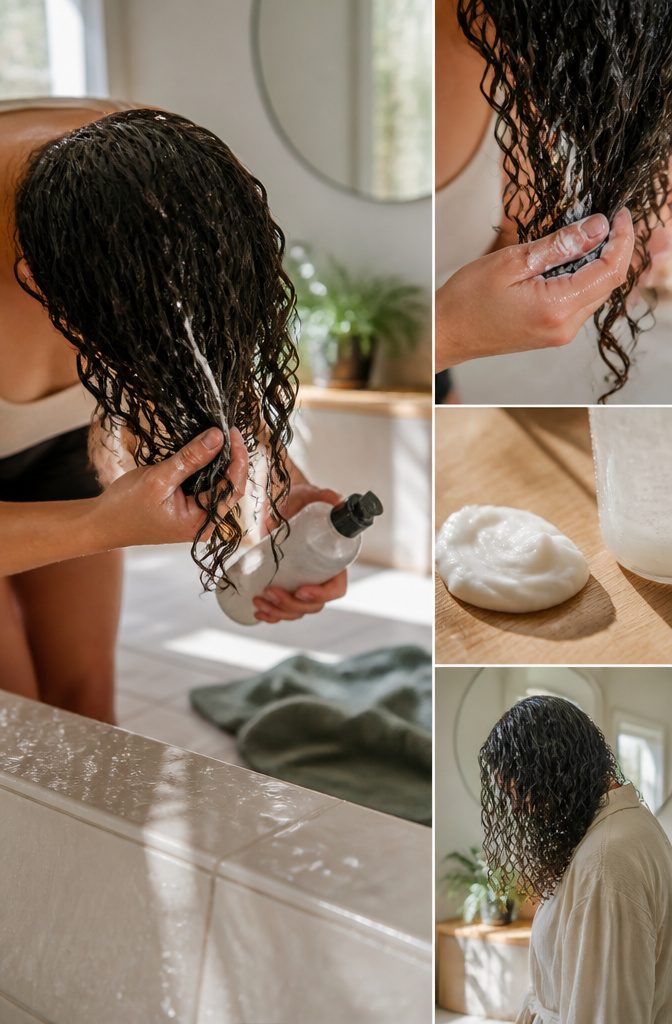
Apply your styling products in the shower, while hair is still soaking wet. Owners on Reddit mention adding more water between layers whenever a section starts to feel dry.
You can use gel, cream, mousse, or a mix. Gel is the one for hold.
A cream like IGK Class of ’93 Curl Perfecting Whipped Cream looks like frosting, isn’t sticky, and gives defined curls without crunch. Flip your head over and scrunch it in.
Go light at first.
One thick-haired Reddit user uses a pea-sized amount per section and skips the roots. The right combination differs from head to head, and it can change from one wash to the next, so treat early washes as tests.
6. Scrunch and Plop
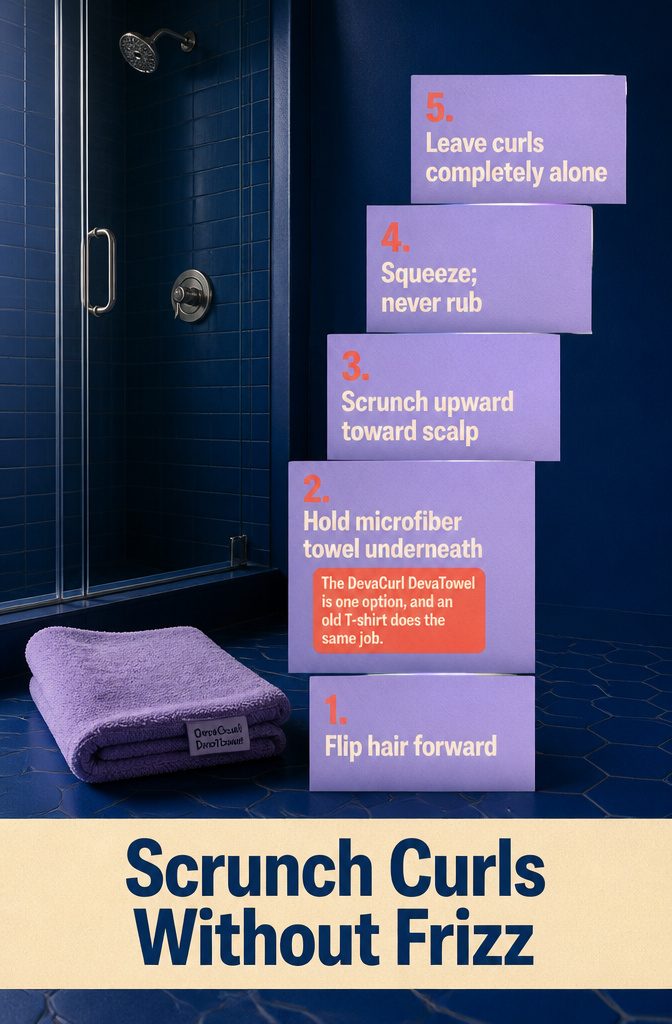
- Finish washing and conditioning, then flip your head forward so your hair hangs toward the floor.
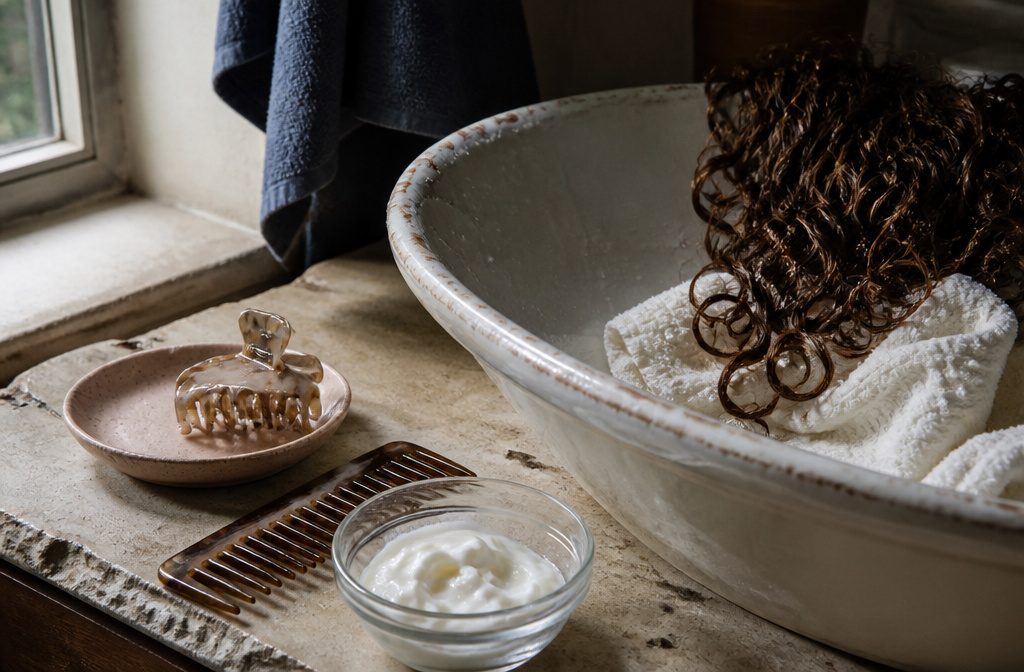
- Hold a microfiber towel under your curls. The DevaCurl DevaTowel is one option, and an old T-shirt does the same job.
- Scrunch upward toward your scalp. This encourages curls to form and dry in their natural pattern.
- Squeeze rather than rub to pull out the excess water. A regular towel drags across the hair, and that friction causes frizz, tangling and breakage.
- Leave the curls alone once the water is out. Less friction means better definition, so I’d skip any last rub to speed things up.
7. Air-Dry or Diffuse
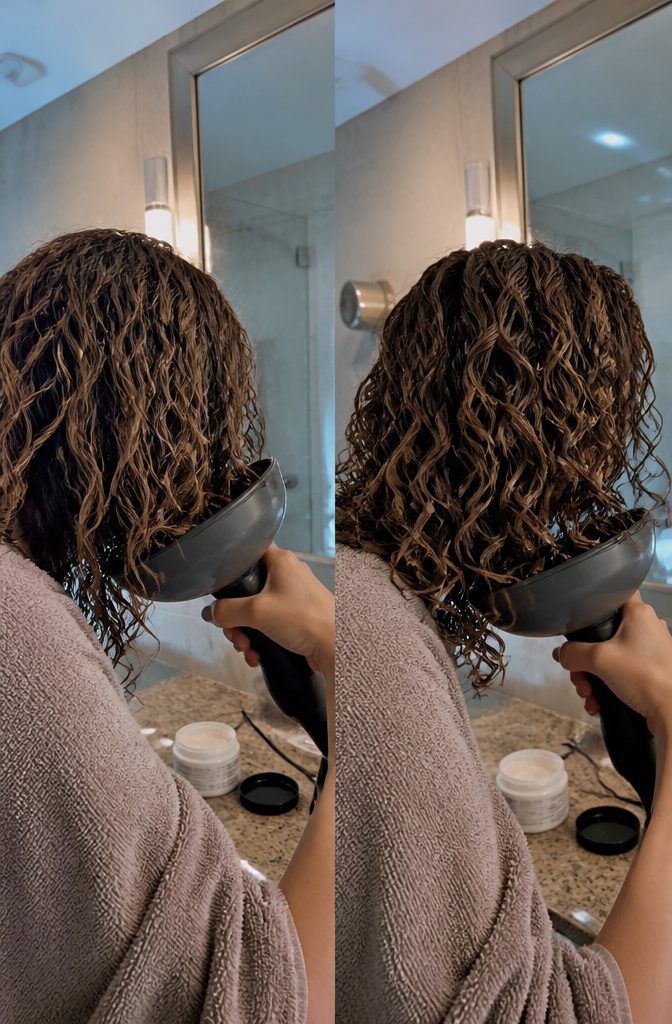
Air-drying keeps your curl pattern exactly as the product set it, but it is slow: one trial took three hours. A diffuser shortens that and is much gentler than aiming a bare dryer at your head.
The Ouidad 3-in-1 Universal Diffuser is one option, and diffusers in general fit a standard hair dryer. Work in a curl cream first, since it hydrates and protects as the hair heats.
On a weekday I’d diffuse, because three hours rarely fits before work. Save air-drying for weekends.
Either way, don’t touch your curls until they are completely dry. Fluffing or raking through damp hair breaks up the curl clumps, and that is where frizz starts.
8. Refresh and Protect
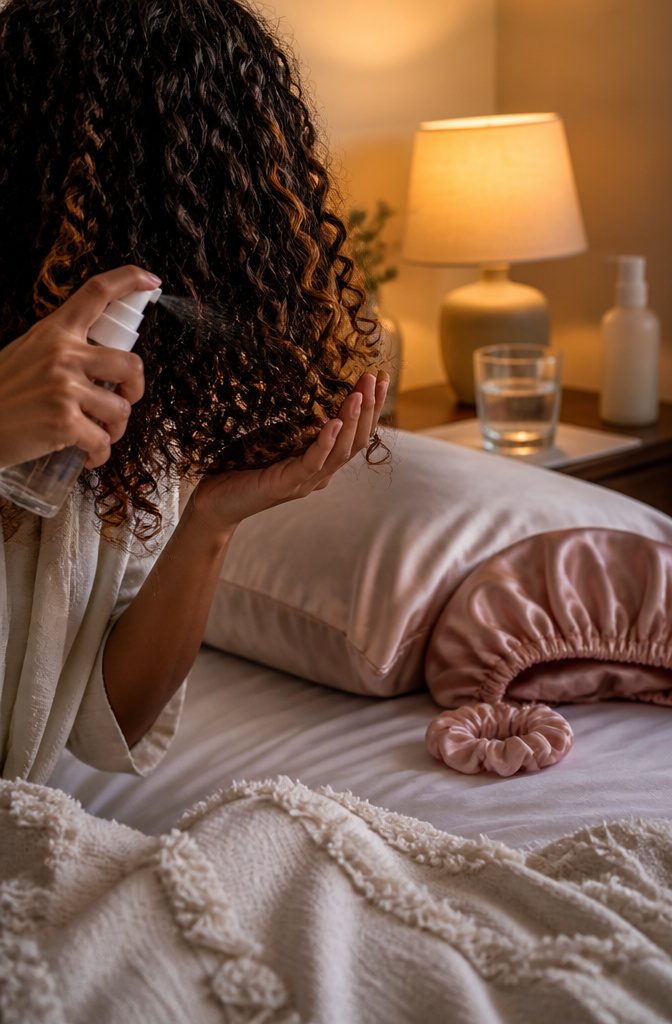
Skip the full rewet on day two. Constant washing and re-applying product builds up on curls and flattens their bounce, so a light refresh does more.
Spring Back Curl Spray is a lightweight option, and a spray bottle of water mixed with your conditioner works as a cheaper stand-in. Mist, then scrunch upward gently rather than raking through.
At night, cotton creates friction that tangles curls and speeds moisture loss. I’d put a silk pillowcase on the bed and add a hair wrap or bonnet if you move around a lot.
Keep any tie soft, because tight bands pull on strands and raise the risk of breakage. Done well, a wash day can hold for days, depending on your hair and how you dried it.
9. Adjust to Your Hair
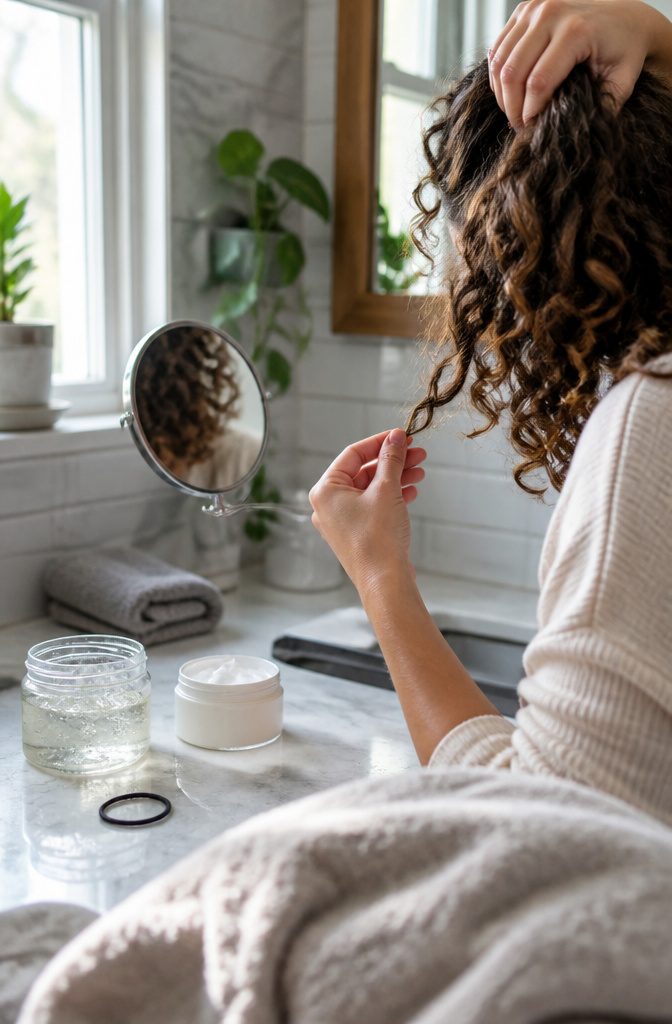
Hair needs change from wash to wash, and Glamour’s writer found the same:
It takes some time to Tetris your perfect, personalized version of the CGM, but the longer you stick to it, the healthier your hair will get and the better your curls will be.
— Glamour
Treat each wash as a small experiment. Wash once or twice a week, then move that up or down based on how your hair reacts, and add a co-wash day when curls feel dry.
If a product works, I wouldn’t fret over a water-soluble silicone, since those rinse out without harsh shampoo. When definition fades, try an alcohol-free gel or mousse and scrunch out the crunch.
What the Method Is
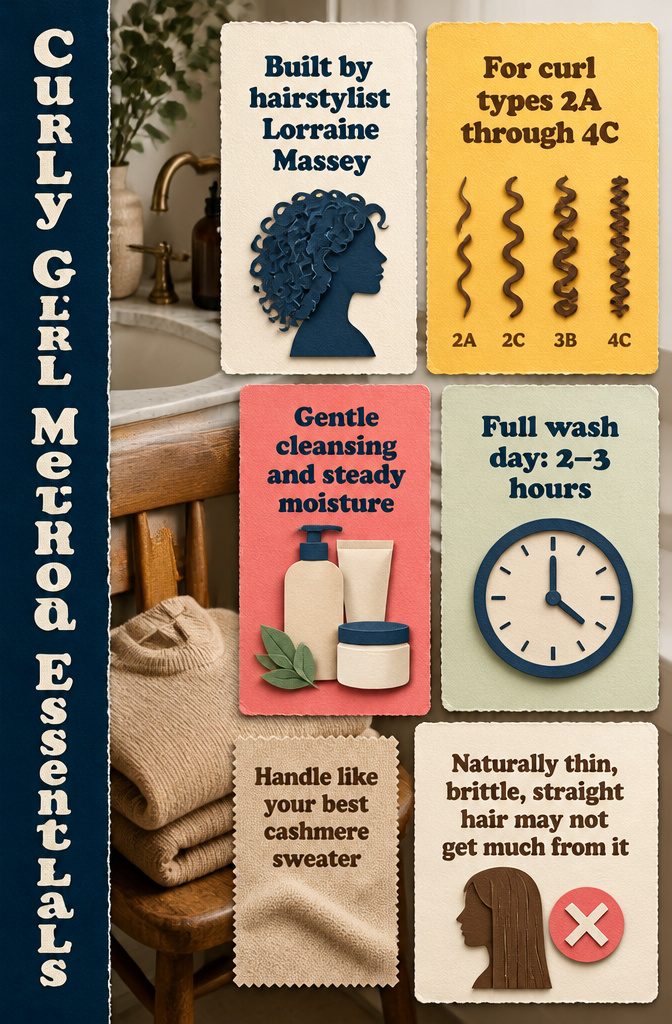
Hairstylist Lorraine Massey built the method on one fact: curly hair struggles to hold hydration, so anything that strips it has to go.
Her book, Curly Girl: The Handbook (2011), sums it up as handling your hair as gently as your best cashmere sweater.
It covers types 2A through 4C, so waves, curls and coils all qualify. Gentle cleansing, steady moisture and letting the curl form on its own are the core.
Naturally thin, brittle, straight hair may not get much from it, since there is little curl to define. Everyone else should budget 2–3 hours for a full wash day while learning the steps.
Ingredients to Avoid
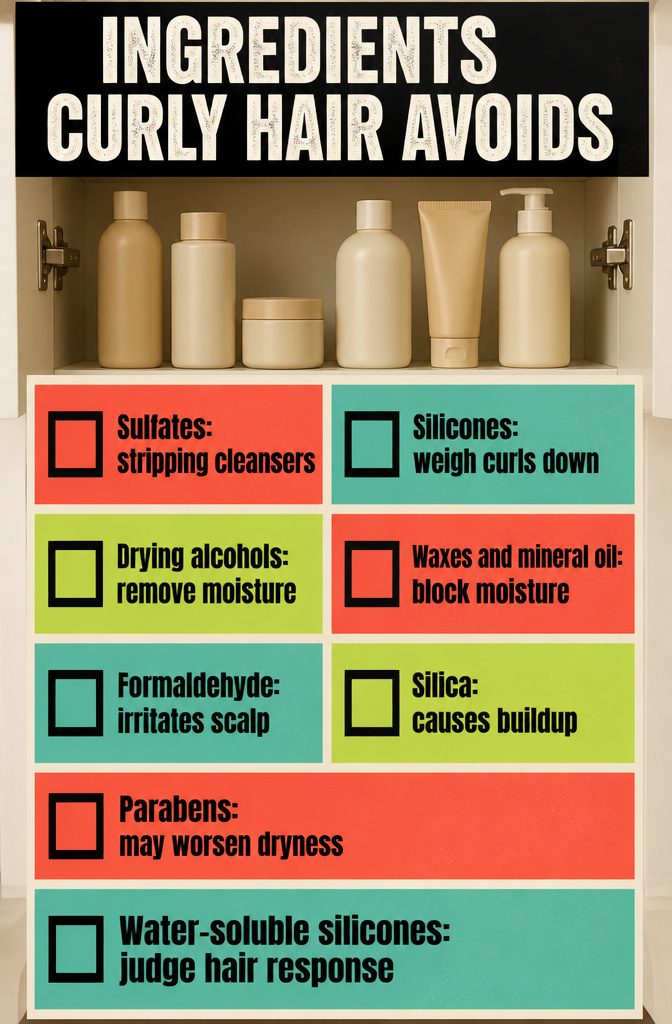
Check the label for these before anything goes in your cart:
- Sulfates: stripping cleansers, the reason the method skips regular shampoo.
- Silicones: they coat strands and weigh curls down.
- Drying alcohols: they pull moisture from hair that already struggles to hold it.
- Waxes and mineral oil: mineral oil is petroleum-based and sits on top of the hair, blocking moisture.
- Formaldehyde: a harsh preservative common in keratin treatments that dries strands and irritates the scalp.
- Silica: it flattens curls, and buildup keeps moisture out.
- Parabens: preservatives that can irritate the scalp and worsen dryness.
Water-soluble silicones rinse out without a harsh shampoo, so I’d judge them by how your hair reacts, not by the name alone. CurlsBot, a free ingredient checker, will scan a label for you.
Test Your Porosity
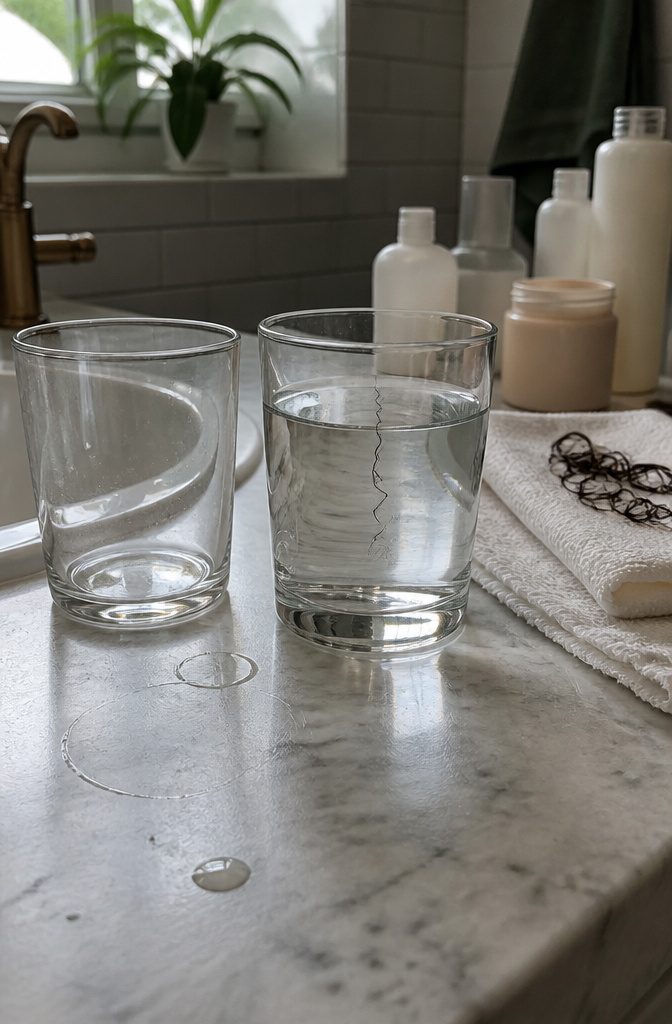
Drop a single strand into a glass of water and watch where it settles. A strand that sinks is high porosity, one that floats at the top is low, and one that hangs midway is medium.
Run the test before you buy anything else for the routine, because it decides which products will work for you.
Low porosity hair does best with lightweight products and limited heat.
Heavy butters tend to sit on the strand and flatten curls, so I’d skip them. High porosity hair takes to heavier oils and cream-based products, which give it the weight and moisture it loses quickly.
Medium porosity sits between the two and is the most forgiving, so adjust from there based on how your curls respond.
Washing Schedules by Curl Type
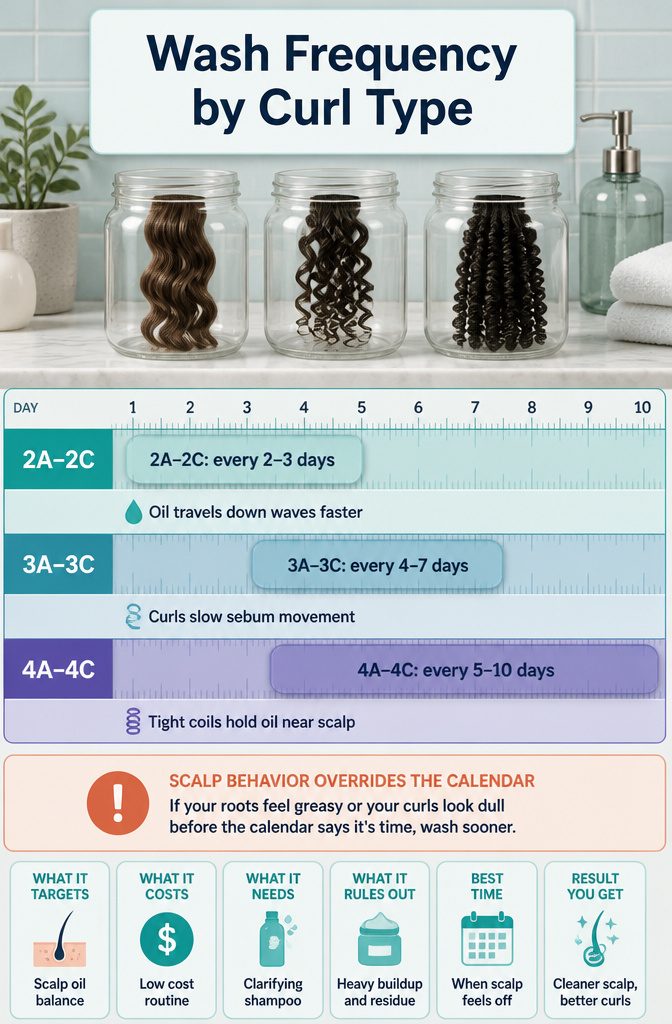
How often you wash depends more on how your scalp behaves than on any fixed schedule. Wavy patterns in the 2A–2C range tend to show oil faster and usually need a cleanse every two to three days.
Tighter curls in the 3A–3C zone hold less sebum and can go four to seven days between wash sessions.
Coily 4A–4C hair, which takes the longest for natural oils to travel down the strand, can stretch a full routine to five, eight, or even ten days.
Some writers suggest wavy hair may only need cleansing about twice a month and coily hair once a month, but those figures assume low product use and minimal buildup.
The intervals conflict because your own sebum production, product layering, and whether you work out daily all shift the answer. If your roots feel greasy or your curls look dull before the calendar says it’s time, wash sooner.
| Curl Type | Typical Wash Interval | Why |
|---|---|---|
| 2A–2C | Every 2–3 days | Oil travels down straighter wave faster |
| 3A–3C | Every 4–7 days | Curls slow sebum but still carry some |
| 4A–4C | Every 5–10 days | Tightest coils hold oil closest to scalp |
Tools and Accessories
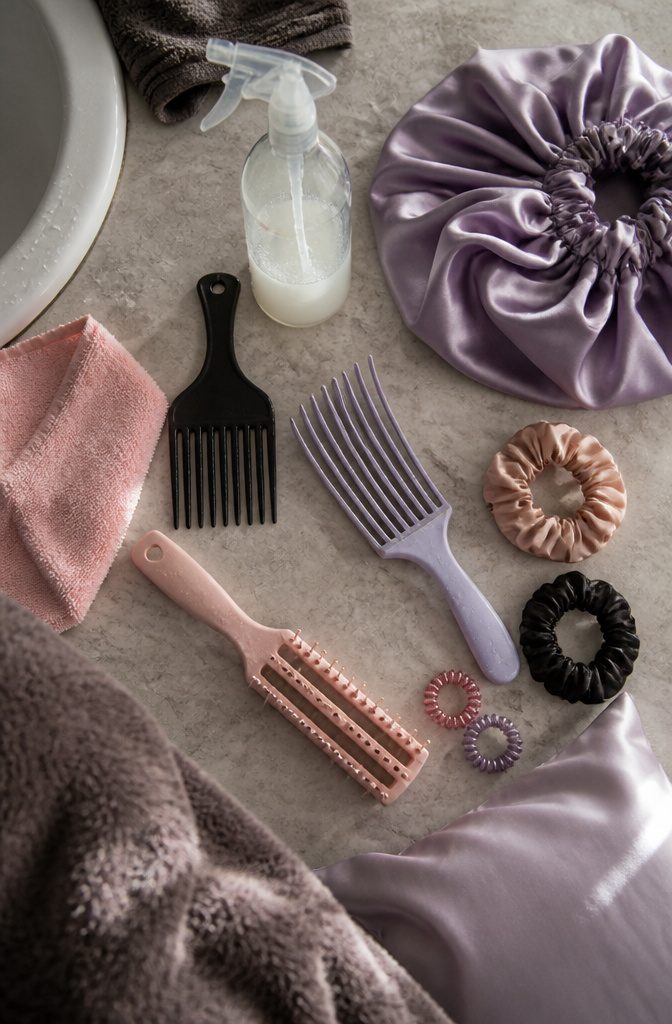
Nine items cover the routine, and the Denman Brush is the one I’d buy first.
- Spray mist bottle: Water plus a little conditioner, scrunched upward, refreshes curls between washes.
- Microfiber towels: The small one is 40×80 cm (about 15.7×31.5 in) and the larger is 60×120 cm (about 23.6×47.2 in). Both cut frizz versus rough toweling, and a cotton T-shirt works too.
- Tangle Teezer: Detangles gently.
- Denman Brush: Use the 9-row with every other row removed, on wet hair right after washing. The pulled rows make it easy to clean.
- Curl pick: Lifts roots once curls are dry.
- Invisibobbles: Hold hair up without a standard elastic’s tug.
- Silk scrunchies: Gentle on hair.
- Silk bonnet and pillowcase: Cut friction overnight, so less tangling, breakage and moisture loss than cotton.
Give It a Month
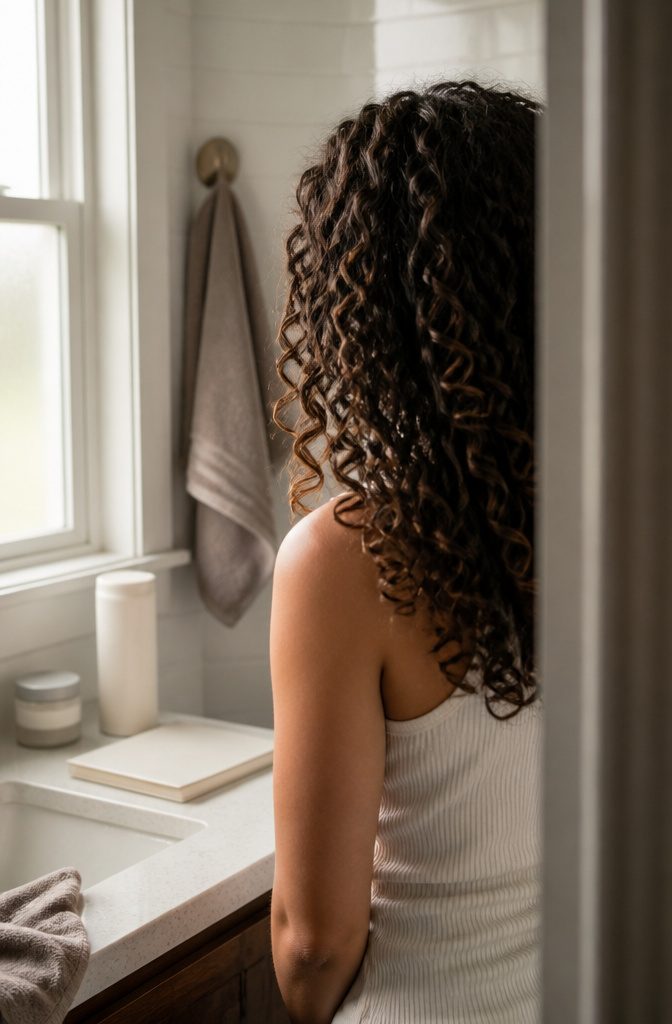
Judge the method after at least a month, not after the first wash.
A real difference often shows within 8 wash days, but finding the right styling and finishing product is trial and error, and curls take time to settle back to their healthy state.
Rushing causes most of the trouble. Leave the house with curls fully dry, and keep your hands out of them while they dry, since fussing with wet curls breaks up the clumps.
Over-washing strips natural oils, while under-washing leaves buildup and dull, flat curls. Skipping protein is the easy one to miss: curly hair can lack strength, and a treatment like K18 helps rebuild it.
Frequently Asked Questions
How many times a week should you do the curly girl method?
There is no single fixed schedule, but a good starting point is washing 1–2 times a week and deep conditioning once a week.
Clarify about twice a month if your hair is wavy and about once a month if it is coily. Oily 2A–2C waves may need a cleanse every 2–3 days, while 4A–4C coils can stretch a full routine to 5–10 days.
How long does it take for the curly girl method to work?
Give it at least a month before you judge it.
Many people notice a real difference within 8 wash days, but finding the right styling and finishing products takes trial and error, and curls need time to settle back to a healthy state.
Is the curly girl method good for hair?
Yes for wavy, curly and coily hair, types 2A through 4C.
It removes stripping ingredients and favors gentle handling so your natural curl pattern can show. Naturally thin, brittle, straight hair may gain little from it, since there is not much curl to define.
What is the curly girl method?
It is a haircare routine created by hairstylist Lorraine Massey and laid out in her book Curly Girl: The Handbook (2011).
It cuts out ingredients and habits that damage curls, such as sulfates, silicones and drying alcohols. In their place it relies on gentle cleansing, steady moisture and letting the curl form on its own.
What does curly girl method approved mean?
It means a product is free of the ingredients the method avoids: sulfates, silicones, drying alcohols, waxes and mineral oil, plus others like parabens, formaldehyde and silica.
Water-soluble silicones are debatable, so judge them by how your hair reacts. A free ingredient checker like CurlsBot will scan a label for you.
What are some common curly hair routine mistakes?
The most common are rushing the process, washing too often or not often enough, touching curls while they dry, and skipping protein.
Over-washing strips natural oils, while under-washing leaves buildup and dull, flat curls. Handling damp hair breaks up the curl clumps and starts frizz.
How long does a curly hair routine take, and how long do results last?
Budget 2–3 hours for a full wash day while you learn the steps. A well-done routine can hold for days, depending on your hair and how you dried it.
Which steps should be part of every curly hair routine?
Every routine needs a cleanse, conditioning with detangling, a weekly deep conditioning treatment, and styling products applied to soaking wet hair.
Drying finishes it, whether you scrunch and plop with a microfiber towel, air-dry or diffuse. Clarifying before you start and a light refresh between washes round it out.
Which factors should you consider when crafting your curly hair routine?
Start with porosity, because it decides which products will work for you.
Then factor in curl type, hair thickness and how much time you have. Low porosity hair does best with lightweight products, and high porosity hair takes to heavier oils and creams.
How do you deep condition curly hair?
Use a deep conditioner or mask once a week, which gives dry or damaged curls moisture without the buildup of more frequent heavy treatments.
Coconut, argan and jojoba oil all condition without weighing down the curl pattern. Work a protein-containing treatment into the weekly mix too, since curly hair also needs strengthening.