Your curl pattern decides which of these cuts will work, because shrinkage differs so much by type: tighter patterns can shrink 75% from wet to dry, while loose waves may only pull up 10%.
The list runs from close-cropped pixies, a mohawk and a rounded afro through bobs and lobs to shags and a short updo, and the length in a photo is rarely the length your hair lands at once it dries.
Match the cut to your own curl type first, then ask for it dry-cut so the perimeter lands where you planned.
1. Tapered Curls
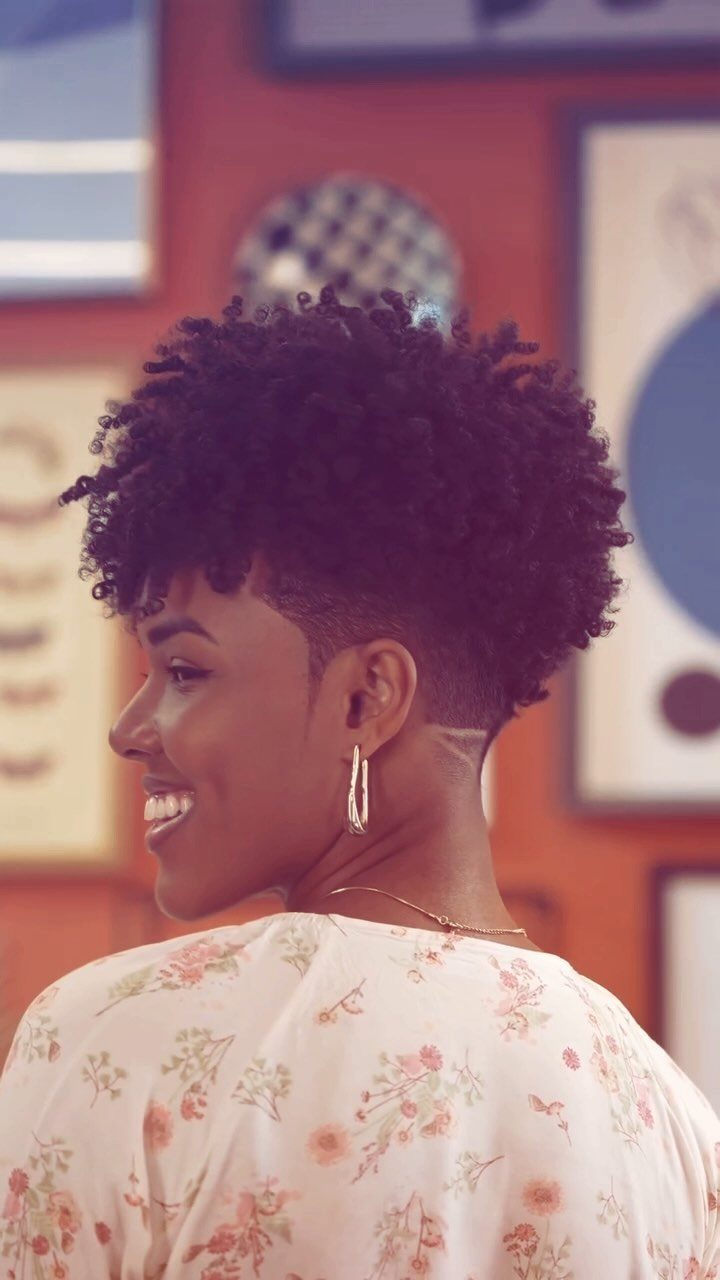
The cut keeps length and fullness at the crown while the sides and back taper short. Curls stacked on top get definition and lift, and the short perimeter keeps the shape clean between trims.
If your curls tend to spread wide, the taper pulls volume upward instead.
The cut works across curl types, though tighter coils hold the contrast longer than loose waves. Morning routine is quick: refresh the top with water or curl cream, and the short sides need nothing.
2. Relaxed Short Textured Curls
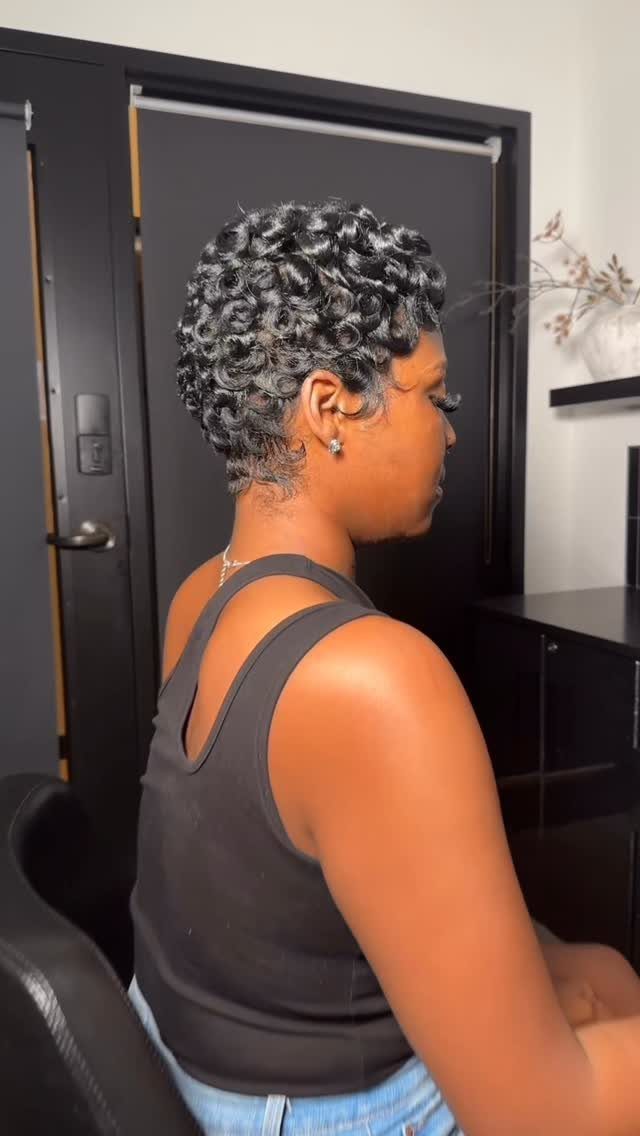
Curls are cut short, with subtle length variation to let texture show. The result feels lived-in rather than uniform, and the cut stays wearable through multiple washes without much styling.
This works well for 4a–4c coils that form a rounded silhouette naturally.
A leave-in conditioner or light styling cream keeps definition without weight. Growth softens the shape gradually, so you can stretch trims if the texture cooperates.
3. Tapered Curls with Bangs
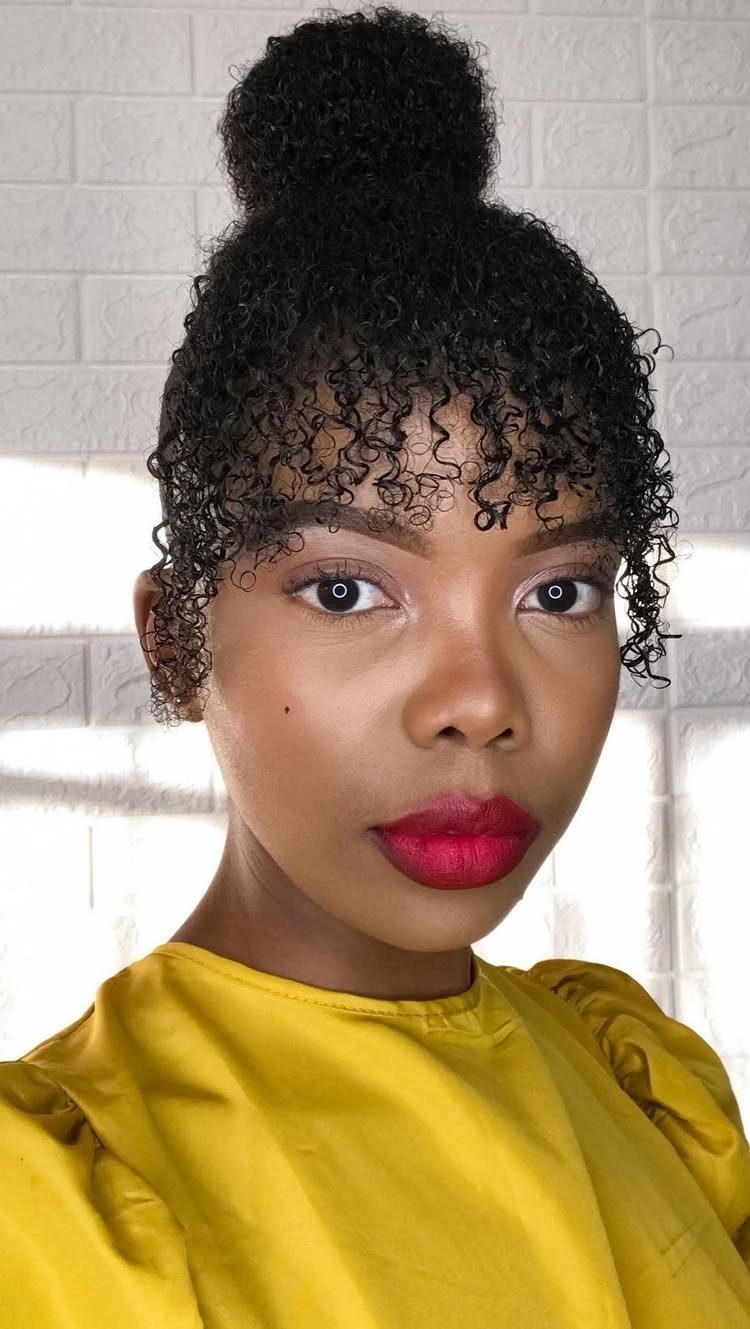
Short sides and back taper close while length stays on top, and bangs extend forward from the crown. The bangs can sit at the brow or land shorter depending on how tight your curl pattern pulls.
For 3b–4a curls, this balances forehead coverage with lift. The short, graduated sides keep it from looking bottom-heavy.
Refresh the bangs in the morning with a light mist and finger-coil if needed; the top usually just needs a shake. Trims keep the taper sharp.
4. Short Layered Curls
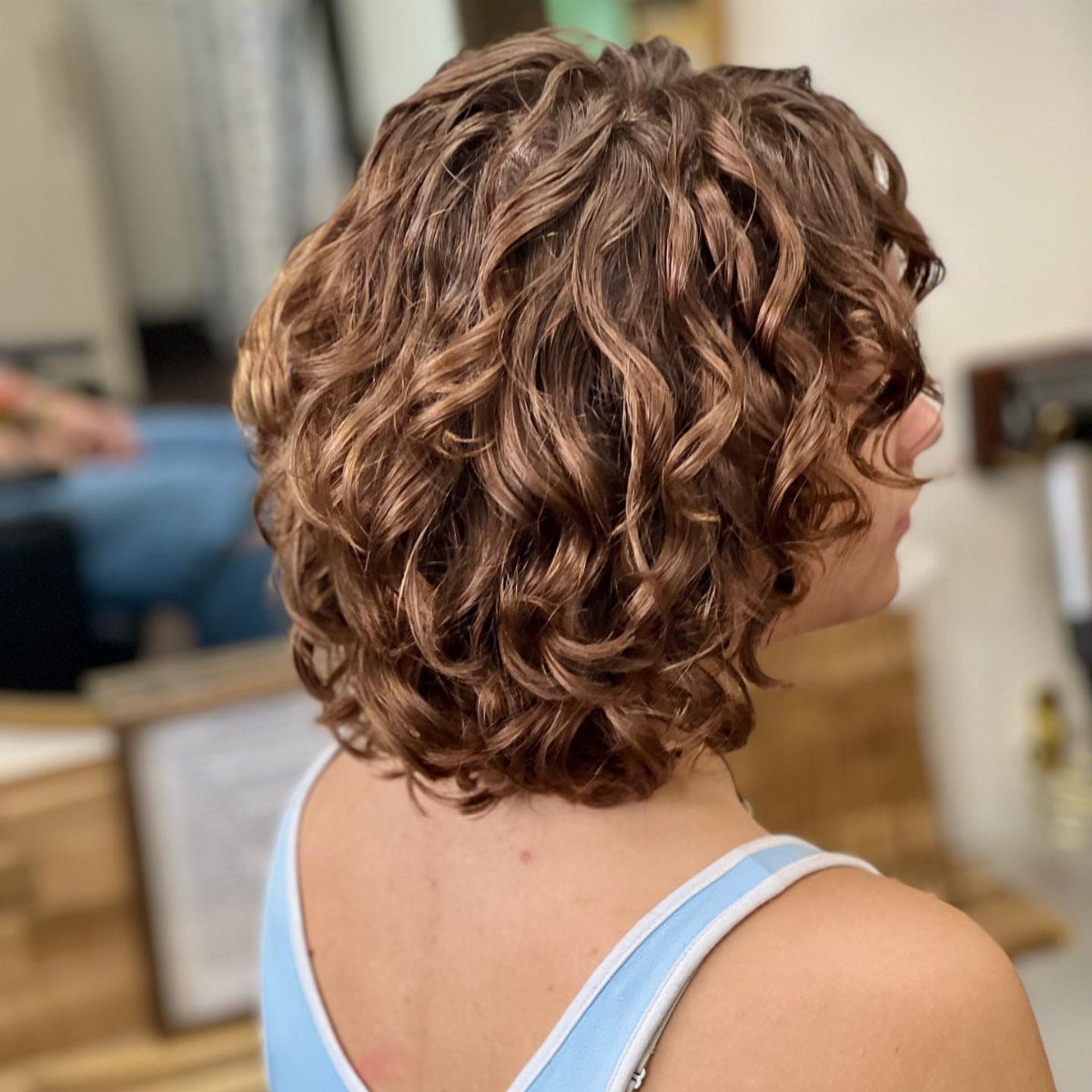
Layers cut throughout remove bulk and let each section of curl move independently. The shape rounds out instead of sitting heavy at the ends, and drying time drops because the hair isn’t stacked in one thick mass.
This works well for 2c–3b curls that clump easily. Ask for internal layers rather than surface ones for fullness without frizz at the perimeter.
A curl cream applied to damp hair and air-dried will show the movement. The layering grows out gently between cuts.
5. Textured Lob
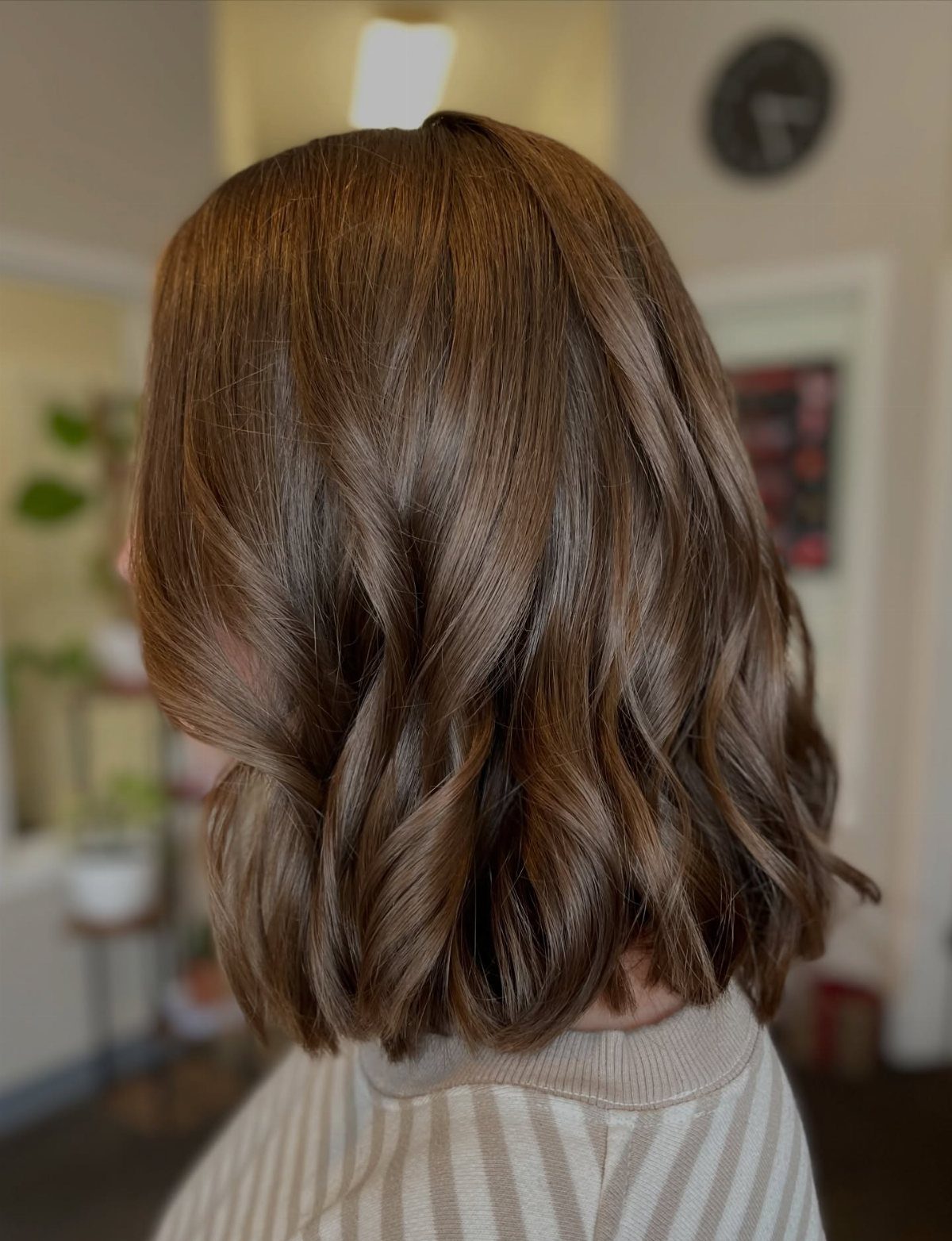
The lob lands between collarbone and shoulder, with internal layers that create bends and separation in the wave. The length stays blunt at the perimeter, and the layers sit inside to add body without shortening the ends.
For 2a–2c waves, this gives structure without a lot of product.
Apply a sea salt spray or texturizing mist to damp hair and scrunch, or blow-dry with a diffuser for more lift. The cut grows out evenly, and you can stretch trims before the weight flattens the wave.
6. Curly Lob with Ombré
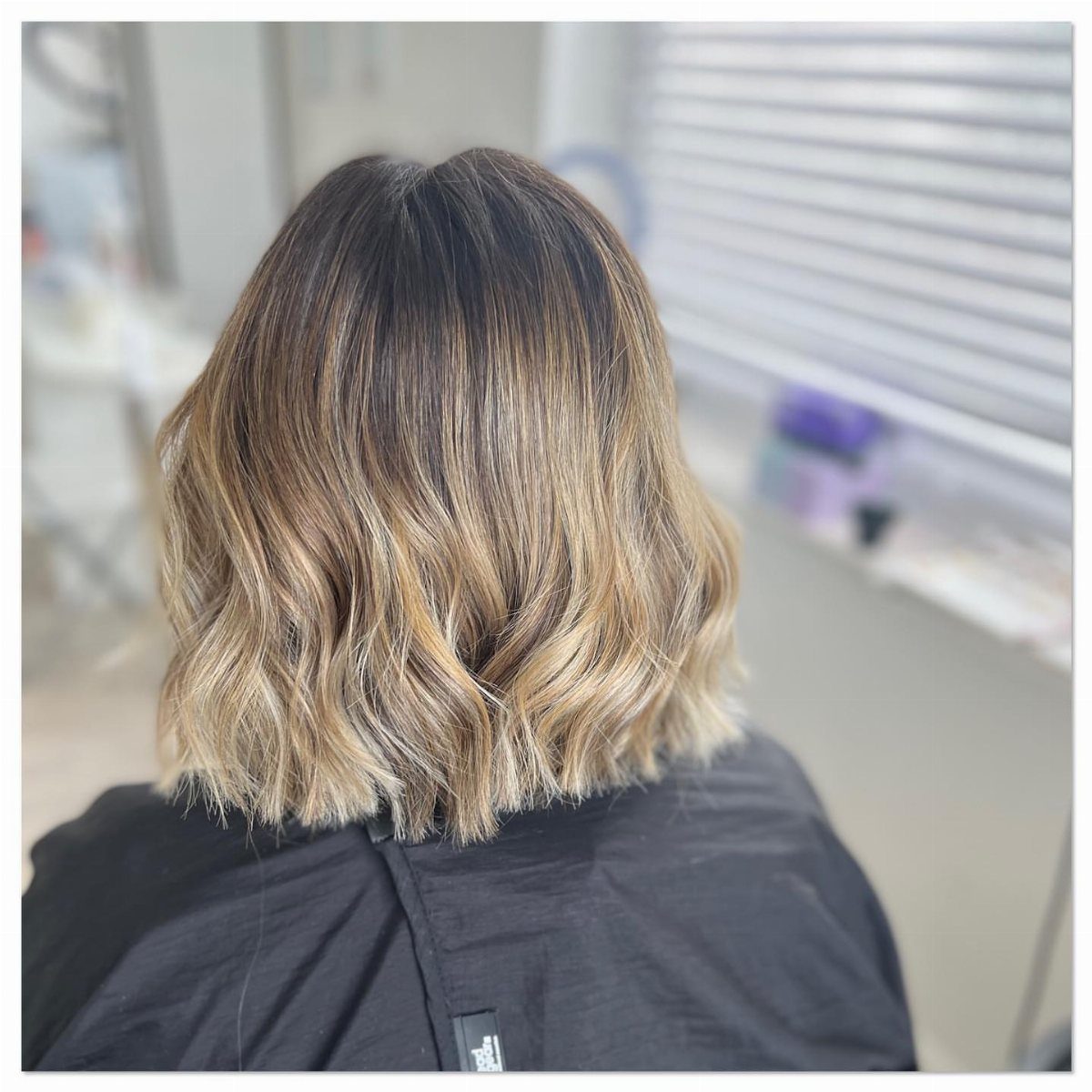
The color gives dimension to the curl, and the lob length stays easy to manage.
Color maintenance will bring you back to refresh the ombré, and the cut can stretch if it stays flattering.
For 2c–3b curls, a curl-enhancing cream on damp hair keeps definition without crunch. The dark root works with natural growth, so touch-ups stay simple.
7. Close-shaped Curly Pixie
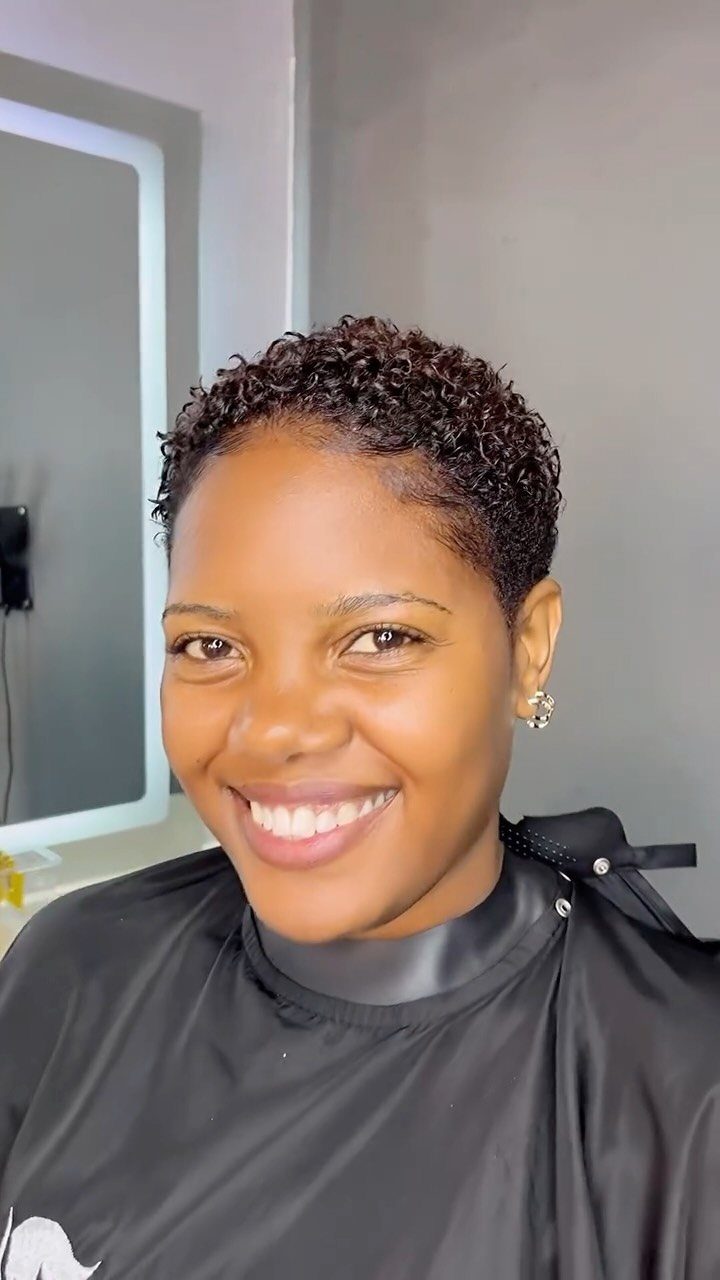
The shape stays round and controlled, and the short length keeps it from spreading wide.
For 4a–4c coils, this cut needs almost no styling.
A moisturizing cream on damp hair defines the curl without weight. Regular trims keep the silhouette clean, though the shape stays flattering if you stretch it.
8. Curly Bangs
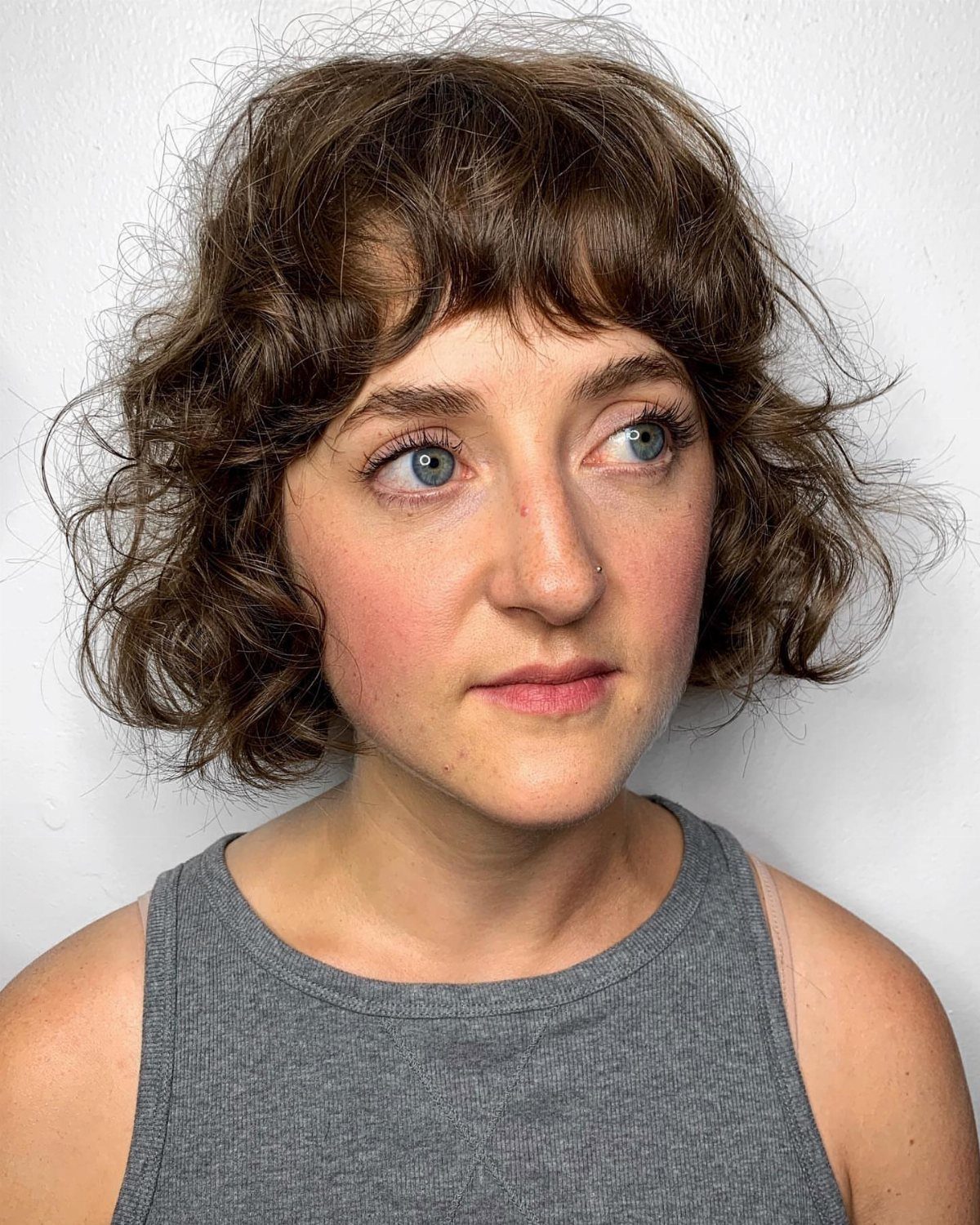
Paired with a short cut, they soften the forehead and add movement at the front.
For 3a–3c curls, a light cream and finger-coiling while damp keeps the bangs separated.
If they shrink too much, stretch them slightly as they dry. Keep the rest of the cut clean and let the bangs carry the detail.
9. Curly Pixie with Bangs
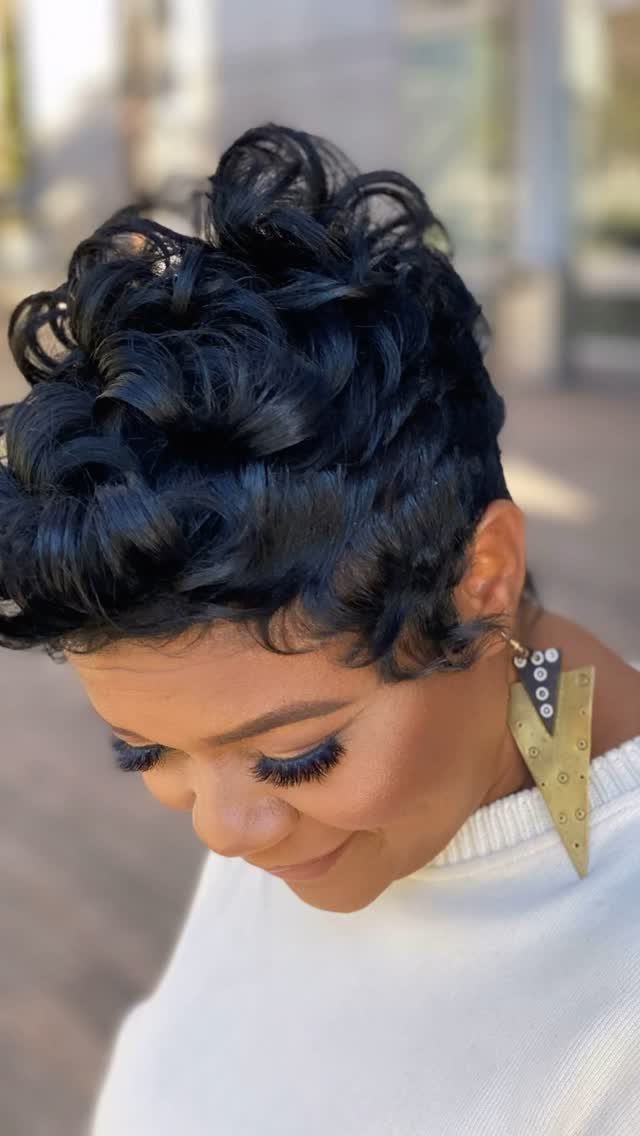
The curl pulls the bangs up slightly, so they read shorter than straight-haired versions of the same cut.
Regular trims keep the shape from growing out uneven.
10. Curly Bob with Bangs
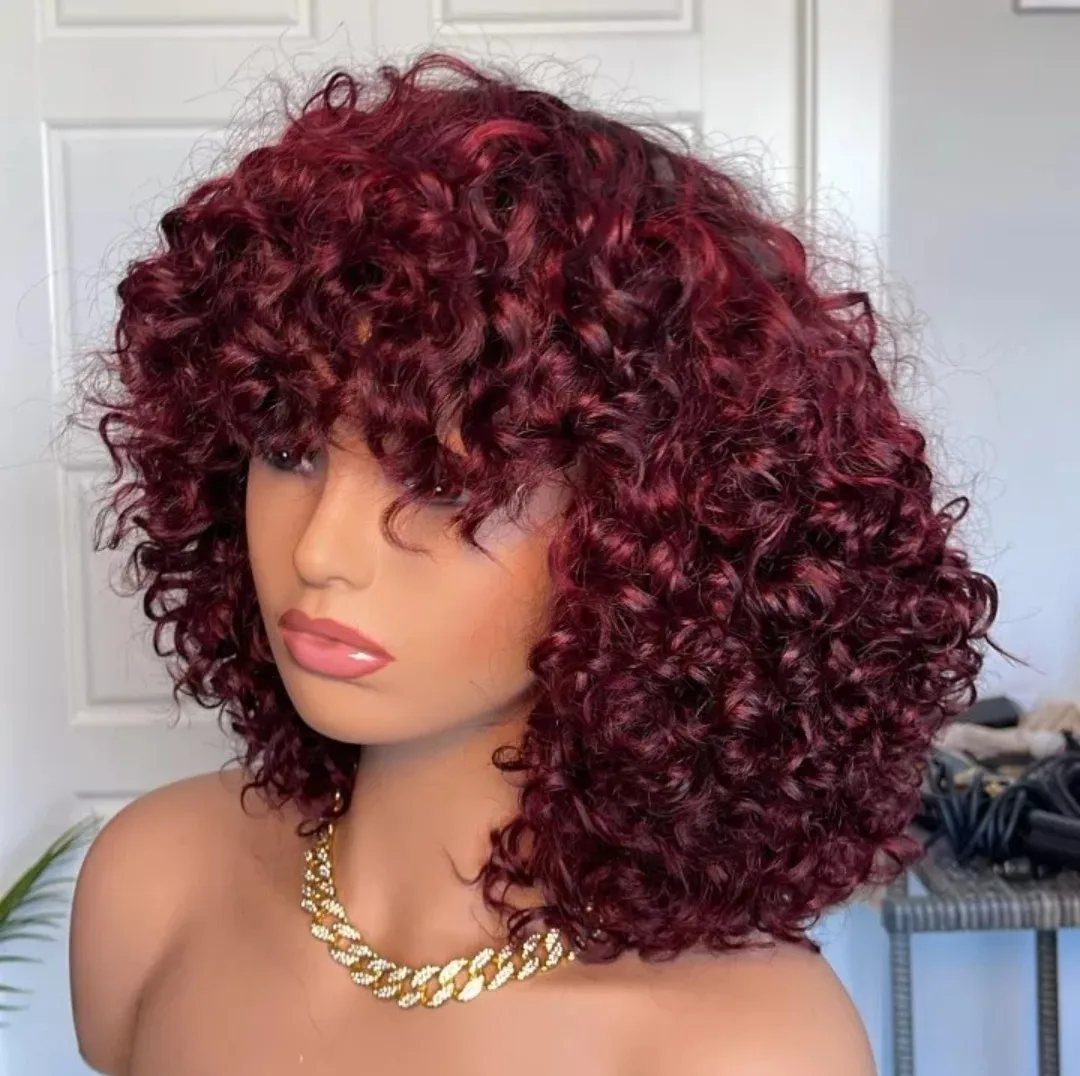
The bob sits at chin or jaw length, and bangs cut from the front soften the line. Curls give the bob body without adding styling steps, and the bangs break up a strong horizontal edge.
The bangs may need a quick refresh in the morning if they flatten overnight. Trims keep the bob from looking heavy as it grows.
11. Short Rounded Curly Afro
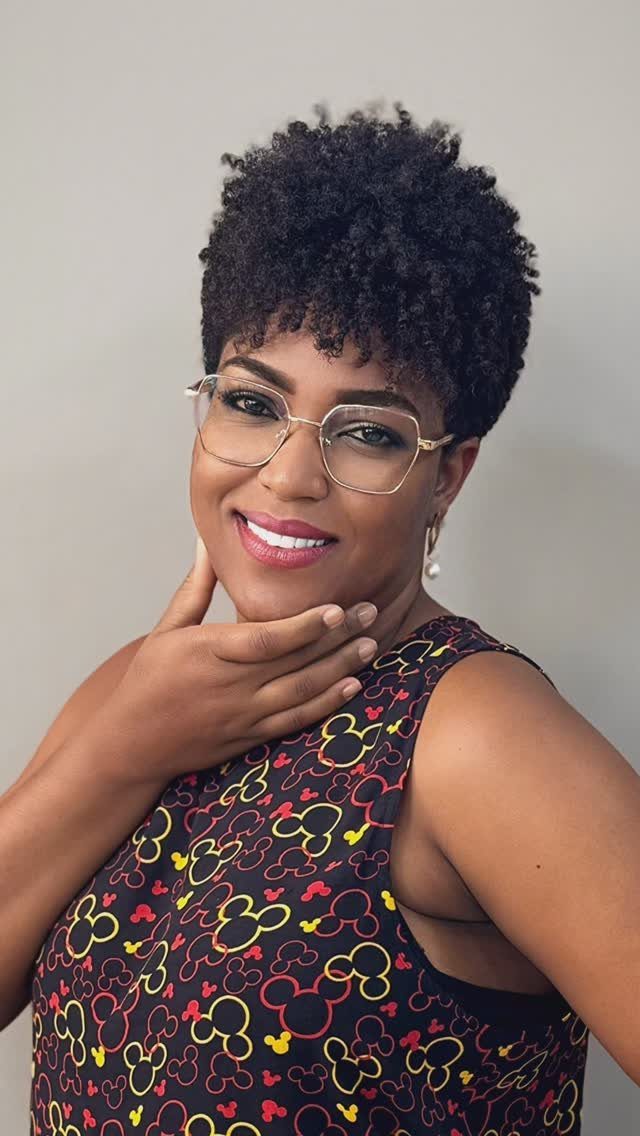
The afro is cut into a rounded silhouette that emphasizes fullness and symmetry. Coils are trimmed to one even length all over, creating a soft, uniform shape that works with tighter curl patterns.
For 4b–4c coils, this cut holds its shape with minimal product.
A light oil or moisturizer on damp hair keeps the coils soft and defined. The rounded shape grows out gradually, so you can stretch trims if the fullness stays balanced.
12. Thick Curly Lob
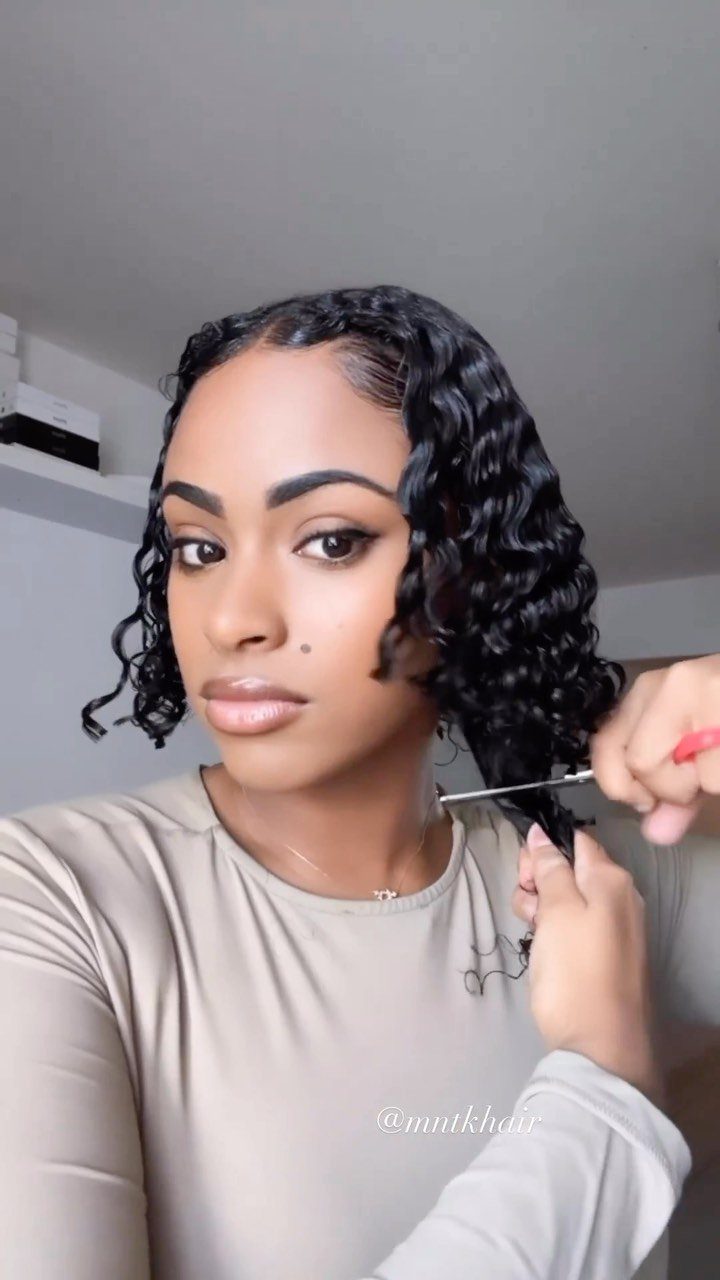
Length lands between collarbone and shoulder, and the density of the curls fills the shape without layers thinning it out. The cut stays blunt at the ends to keep the weight.
For 3a–3c curls, this gives presence without much effort. The weight can pull curls straighter as it grows, so regular trims keep the bounce.
13. Curly Lob
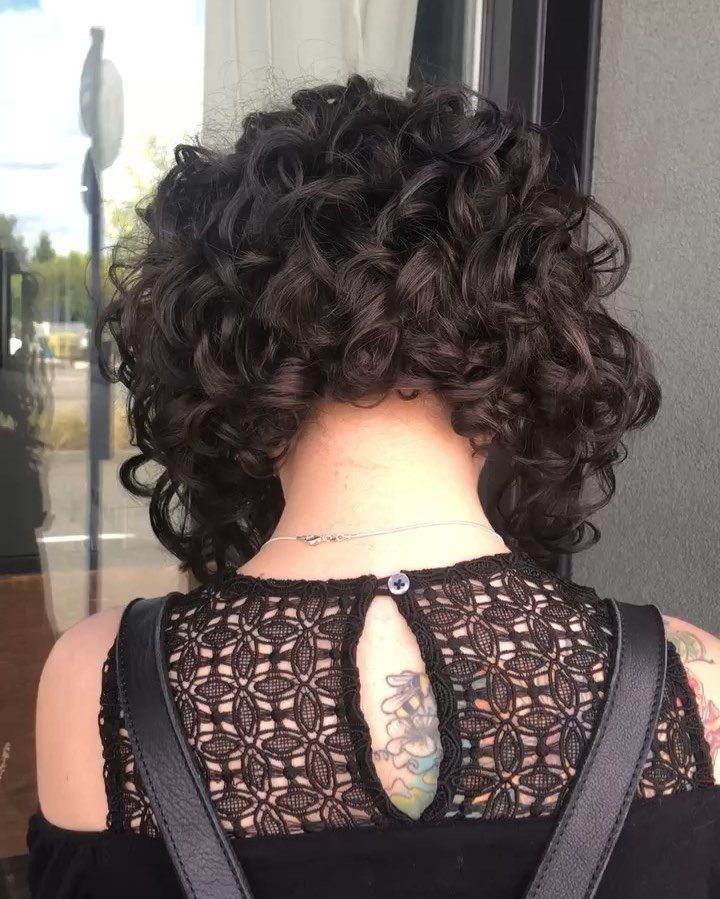
The lob lands just at the nape or slightly past it, longer than a standard bob but short enough to keep the curl from pulling straight under its own weight. Curls at this length bounce without needing much encouragement.
For 2c–3b curls, this sits in the range where you get definition and air-dry time stays manageable.
A curl cream on damp hair and a shake once dry usually does it. The length grows out evenly, and the shape stays flattering longer than a true bob.
14. Curly Undercut
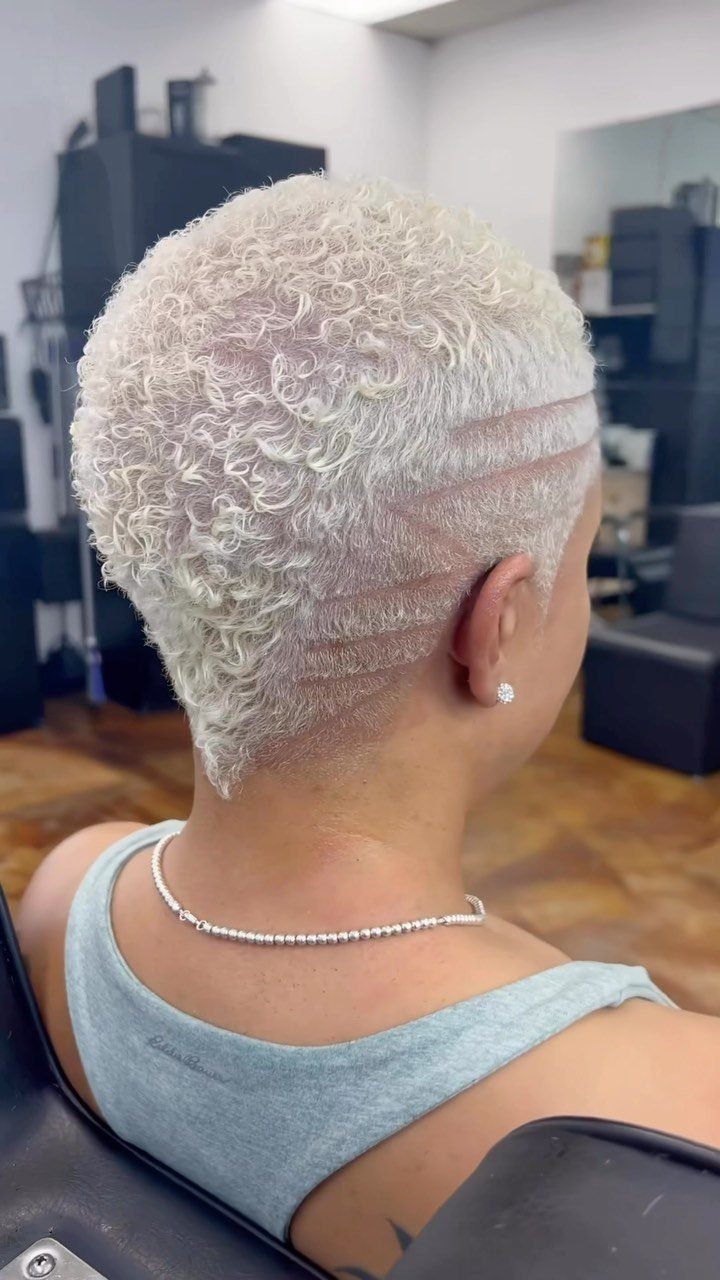
The sides or back are clipped short or shaved, while the top and crown keep their length and curl. The contrast makes the fuller section stand out, and the clipped areas cool things down in warm weather.
For 3a–4c curls, this cuts down on styling time because you only work with the top.
The shaved section grows back quickly, so plan for regular touch-ups if you want to keep the line clean. Some versions add a design to the undercut for extra detail.
15. Curly Bob with Volume
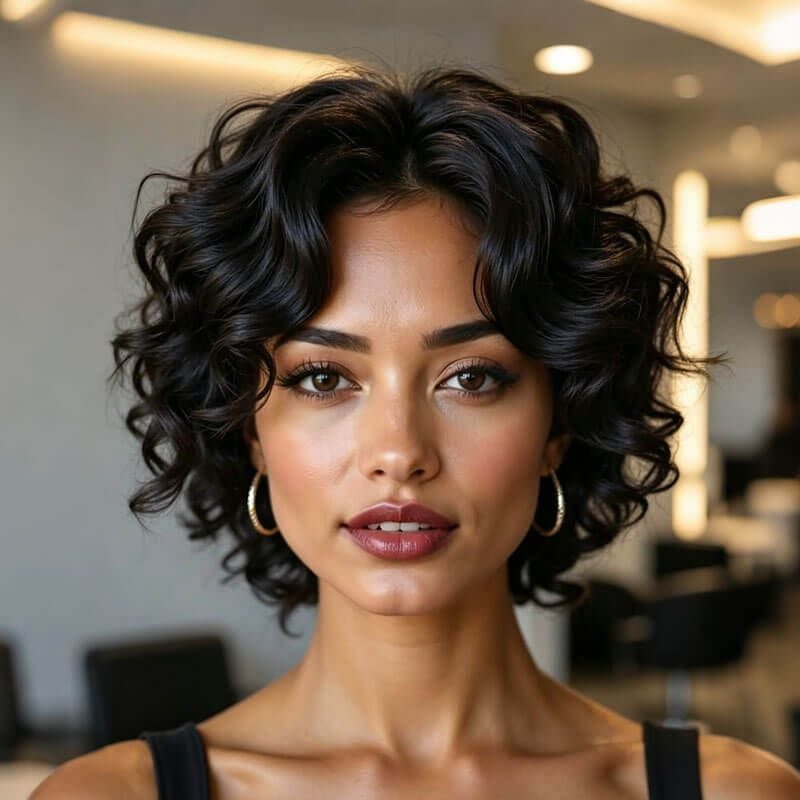
This bob is cut to amplify fullness rather than tame it. Layers throughout lift the curl away from the scalp, and the shape rounds out instead of sitting close to the head.
For 3a–3c curls with natural body, a diffuser on medium heat while scrunching will push the volume higher.
A mousse applied to damp hair gives hold without weighing down the lift. The cut works best when curls are dense enough to fill the shape.
16. Face-framing Curly Crop
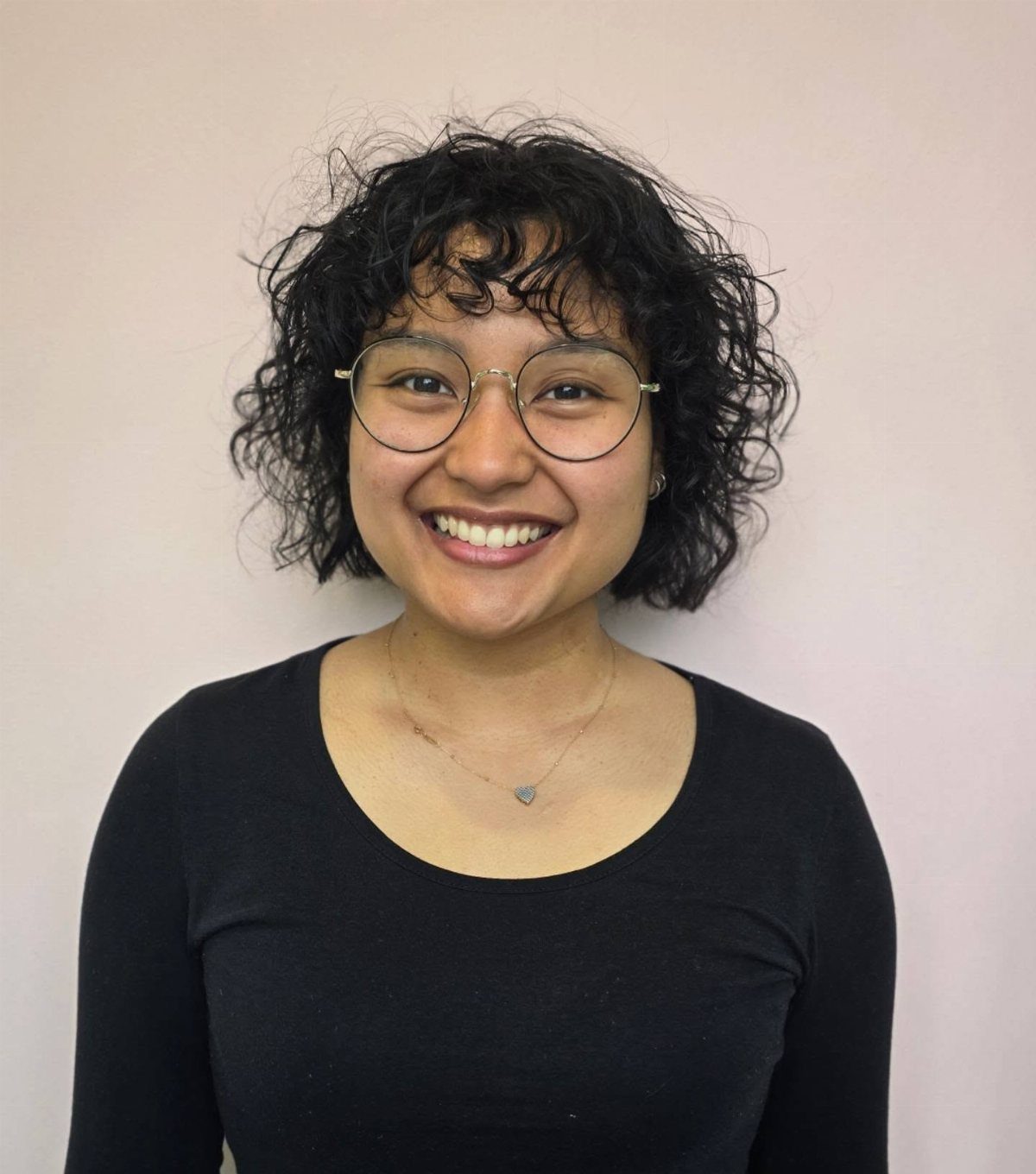
The crop sits short all over, with the curls defining the perimeter rather than being shaped into a uniform silhouette.
Length around the face can be left slightly longer to soften the edges, or kept even if your curl pattern already does that work.
For 3b–4a curls, this cut air-dries in minutes. A light leave-in or curl cream keeps the coils separated, and the short length means no weighing down overnight.
17. Curly Shag

Layers are cut throughout to create separation and movement, with shorter pieces at the crown and longer ones at the perimeter. Bangs can come forward or blend into the layers, depending on how much forehead coverage you want.
For 2c–3b curls, the layers keep the shape from looking bottom-heavy and let each section of curl do its own thing.
The other benefit of curly hair is the versatility. “It can create all kinds of shapes from architectural, rigid looks to soft layered looks, chic pixies to long, shaggy cuts,” shares Jake Schaverien, hairstylist at HARI’s South Kensington.
18. Curly Mohawk
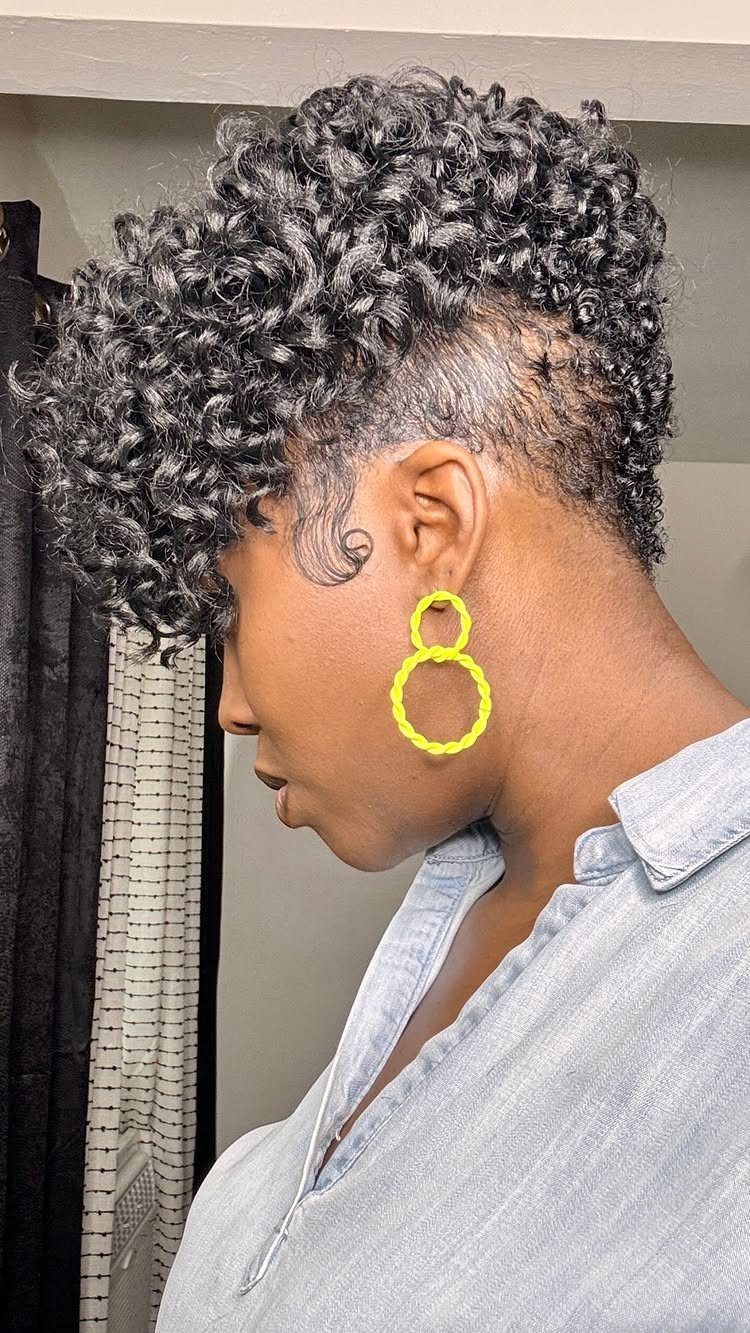
The center strip runs from forehead to nape with full curl and height, while the sides are buzzed or faded down to the skin. The width of the center section varies, but the contrast stays sharp.
19. Bixie with Waves
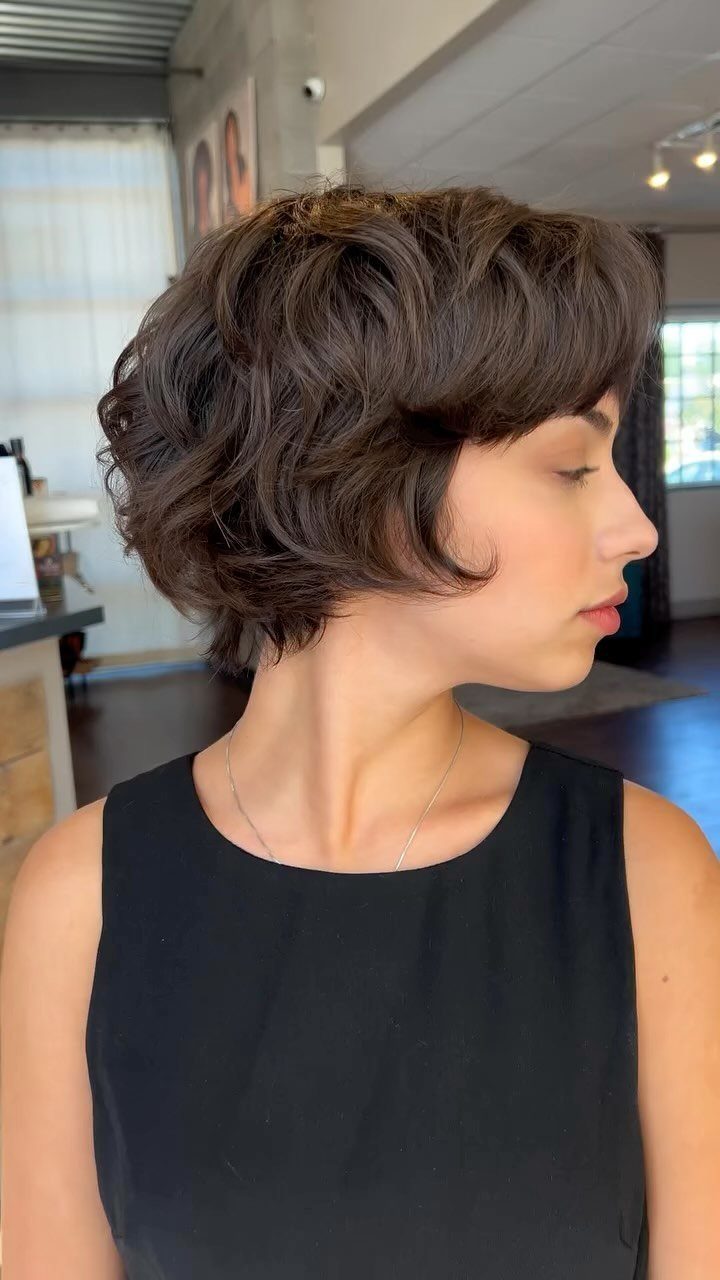
A bixie sits between a bob and a pixie, and the extra length is what lets waves form instead of lying flat. Cropped pixie hair often has too little weight to bend.
Ask your stylist to leave enough length through the crown and sides for the wave to show. Regular trims keep it from tipping into a bob.
20. Layered Wavy Bob
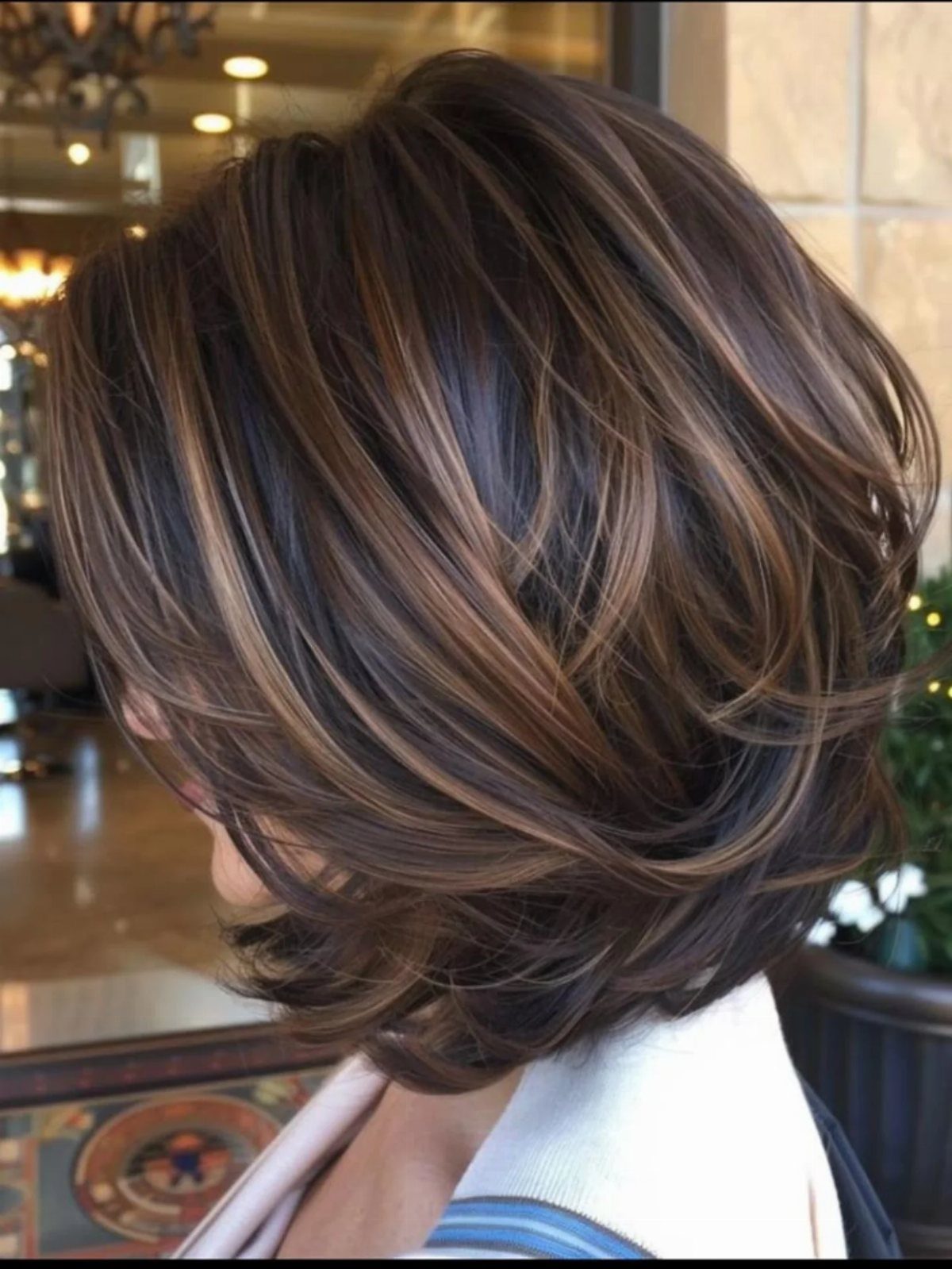
Internal layers take out bulk while the perimeter stays intact, so a wavy bob keeps its outline and loses the heavy, triangular feel.
Ask for layers cut inside the shape rather than on the surface. Highlights add dimension to the layering, though they mean color upkeep.
21. Curly Mullet
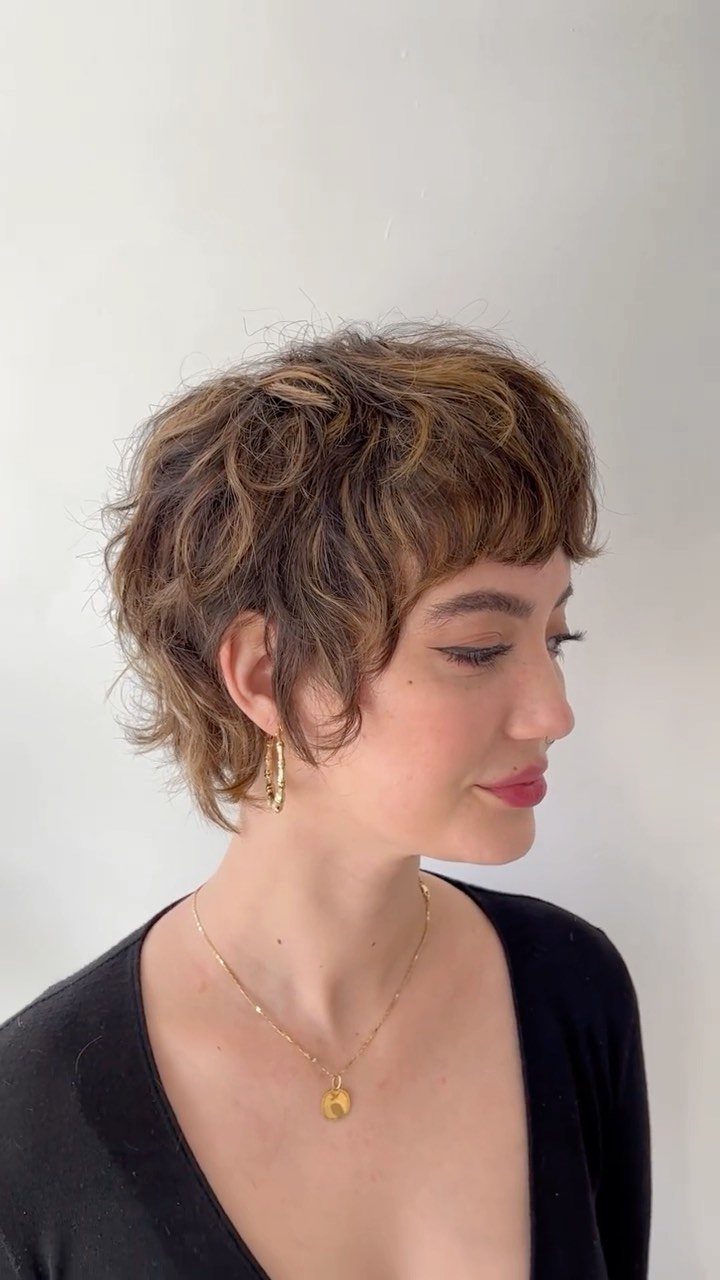
Short front and sides with longer hair in back gives curls room to hang, and the contrast is the whole look. Curl pulls the shorter sections up, so expect them to sit higher than you cut them.
I prefer it on curls because the texture hides the hard line a straight mullet shows. Growth turns it shaggy fast, so trim the sides first.
22. Jaw-Length Curls with Bangs
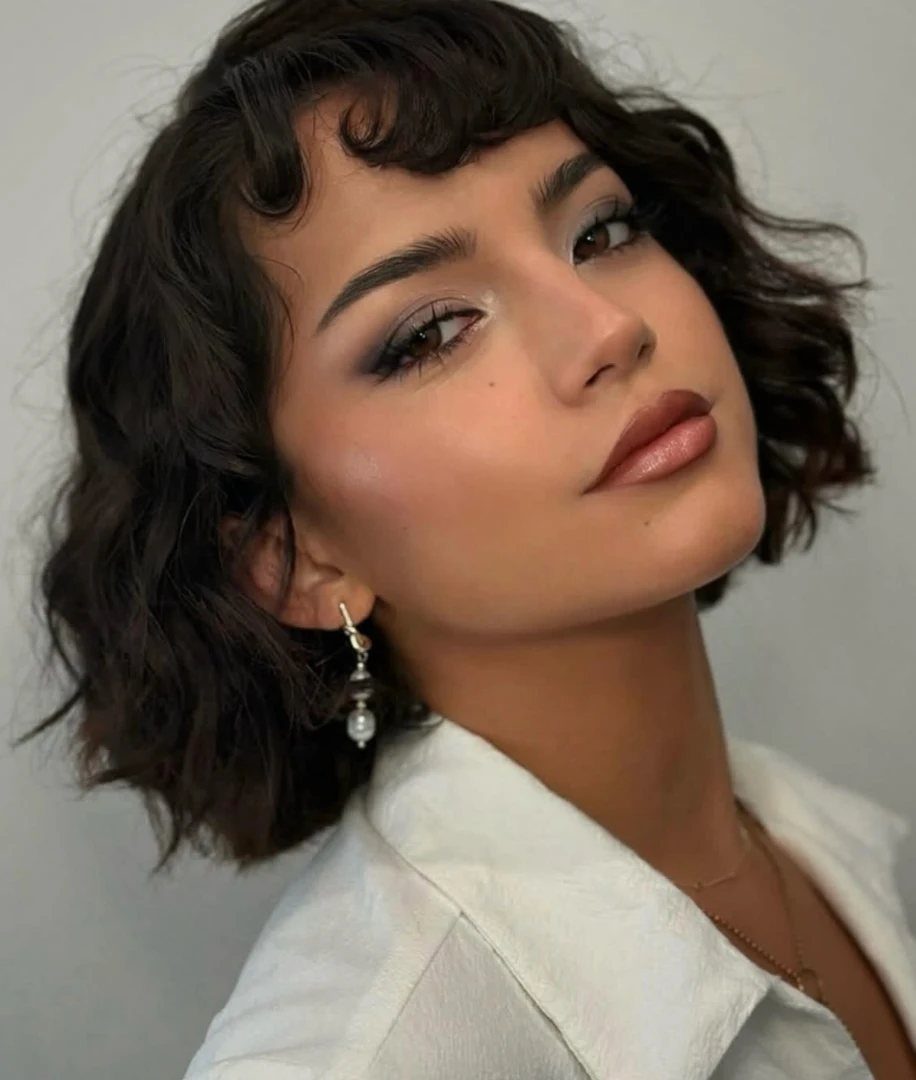
Curls cut to the jaw, with short curled bangs, give you a balance of short and long without committing to either.
Cut the bangs while dry, since curl shrinks them.
Leave them a little long, then trim closer once you know where they land. The bangs will need more frequent trims than the length, so book those separately.
23. Wispy Textured Pixie
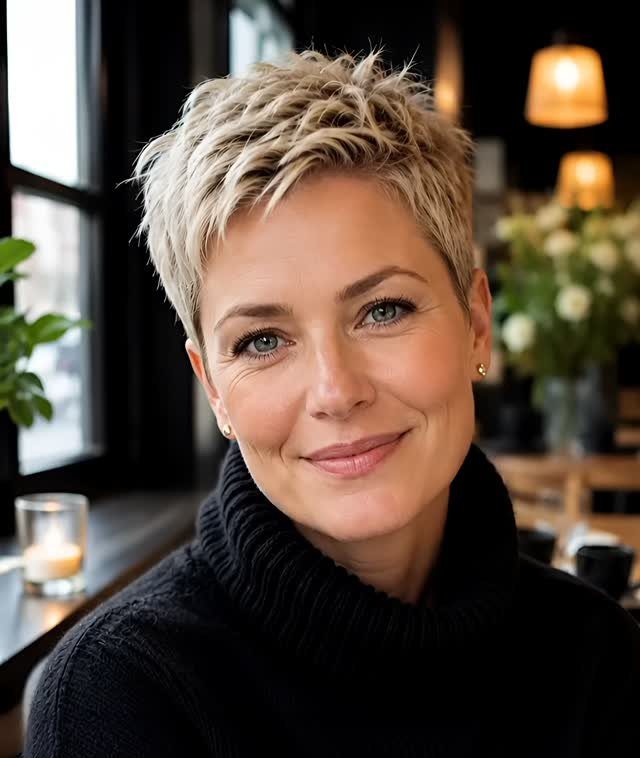
Point-cut ends make the pixie wispy: the tips come out uneven and soft rather than blunt. Longer waves sit on top over tighter sides, so the wave has room to move.
Ask for point cutting by name.
A texturizing paste or light cream, worked through dry hair with your fingers, gives the tousled finish. Sides need trims often to stay tight, while the top forgives a longer gap.
24. Wavy Shag with Fringe
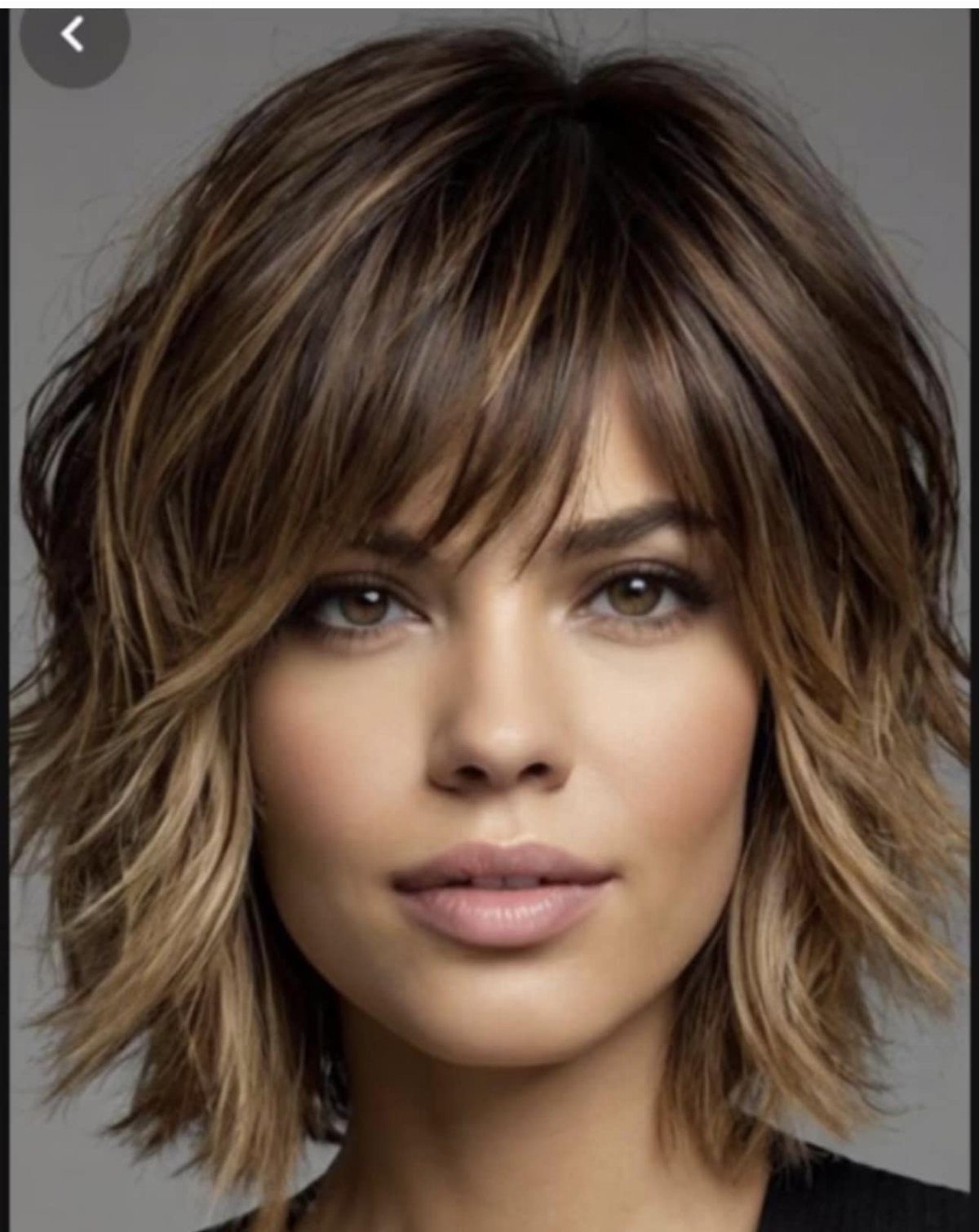
Heavy layers and a forehead fringe give a wavy shag its movement. The layers build volume at the crown, and the fringe breaks up the face.
Ask for the fringe to be cut dry, since waves pull up as they dry. Scrunch a light mousse or sea salt spray into damp hair and diffuse for lift.
The shape looks best slightly undone, so skip the smoothing. The fringe is the high-maintenance part: plan on trims between cuts.
25. Beachy Bob
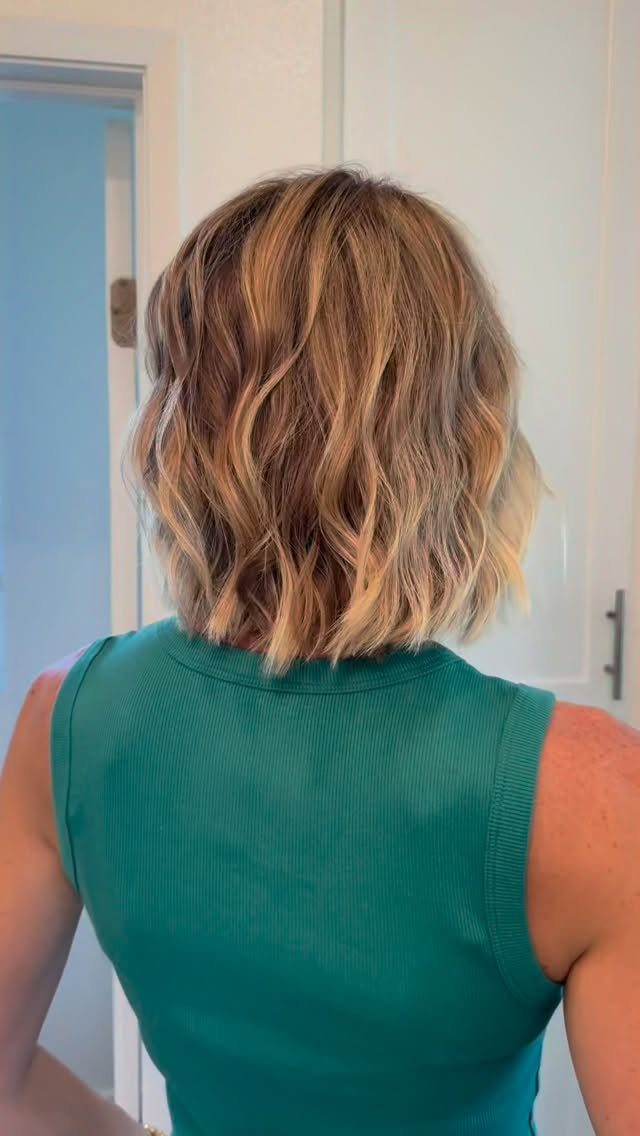
Loose, uneven bends do most of the work here, so the ends look undone instead of styled. Loose, soft bends beat tight curl formation on this bob.
Work a texturizing mist or sea salt spray through damp hair, then let it dry with a light scrunch.
Skip the brush. Darker roots keep the blonde from needing frequent touch-ups, which I count as a real perk.
26. Wavy Blunt Bob
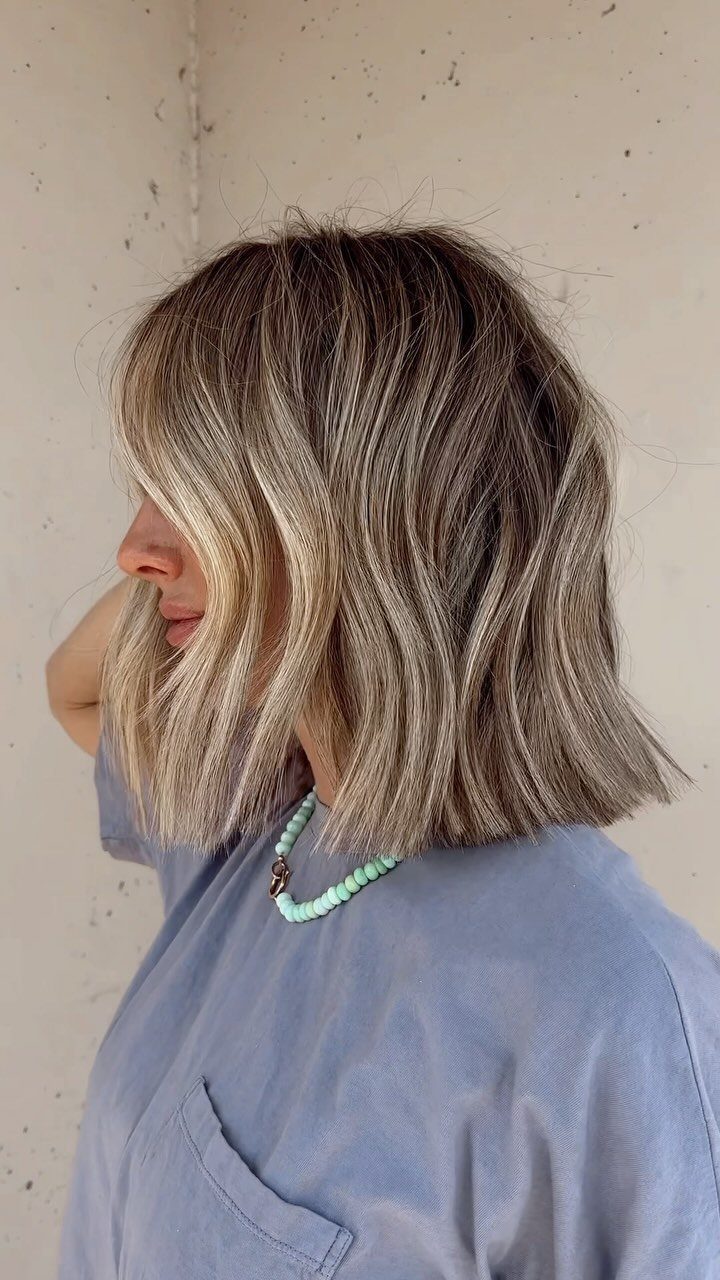
Blunt ends and waves seem like opposites, but the crisp perimeter gives the wave a frame, so the texture reads as intentional rather than messy.
A dry cut matters for a blunt wavy bob, because waves spring upward as they dry and a line cut on wet hair can end up half an inch shorter than planned.
Blonde highlights show off the bends. Trims matter more here than on a layered cut, because once the edge softens, the shape does too.
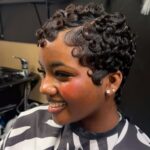
27. Short Natural Coils
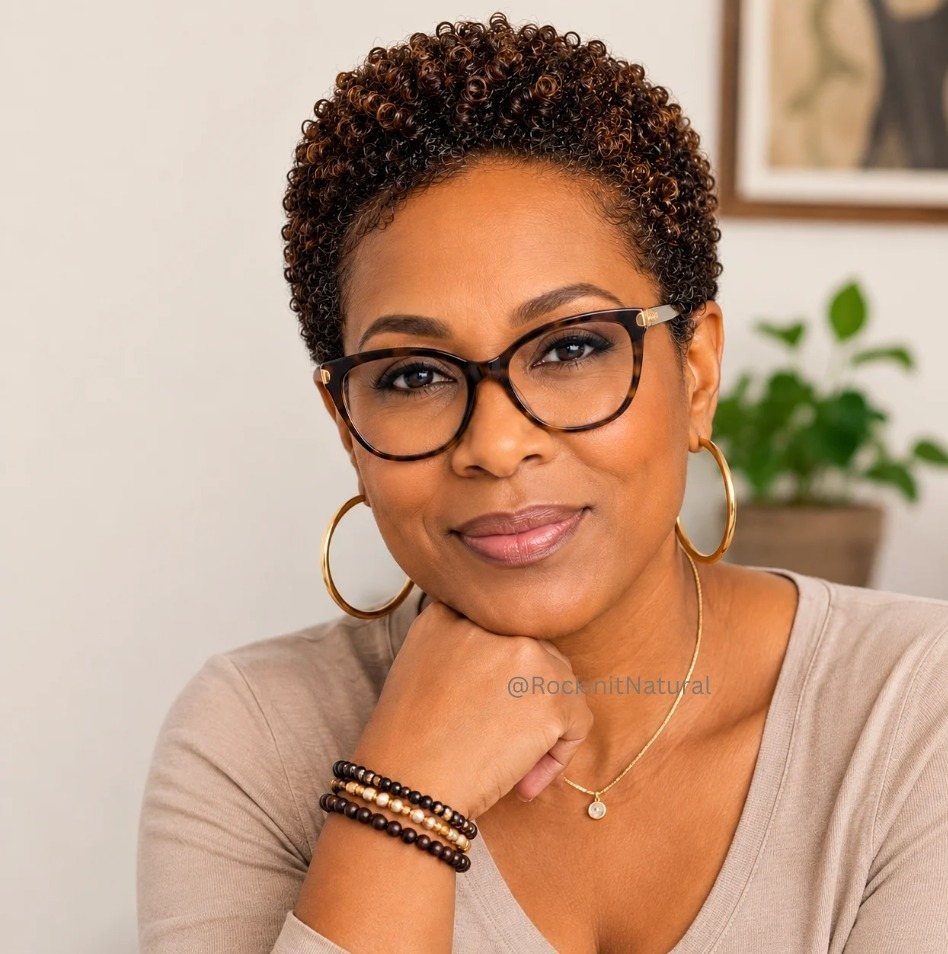
Tightly coiled hair cut short shows off the pattern itself, and the definition around the forehead and face is what makes it look finished. For 4a–4c coils, I’d keep the cut even and let the coils do the talking.
Regular trims keep the outline clean, and you can stretch them if the shape still suits you.
28. Voluminous Curly Crop
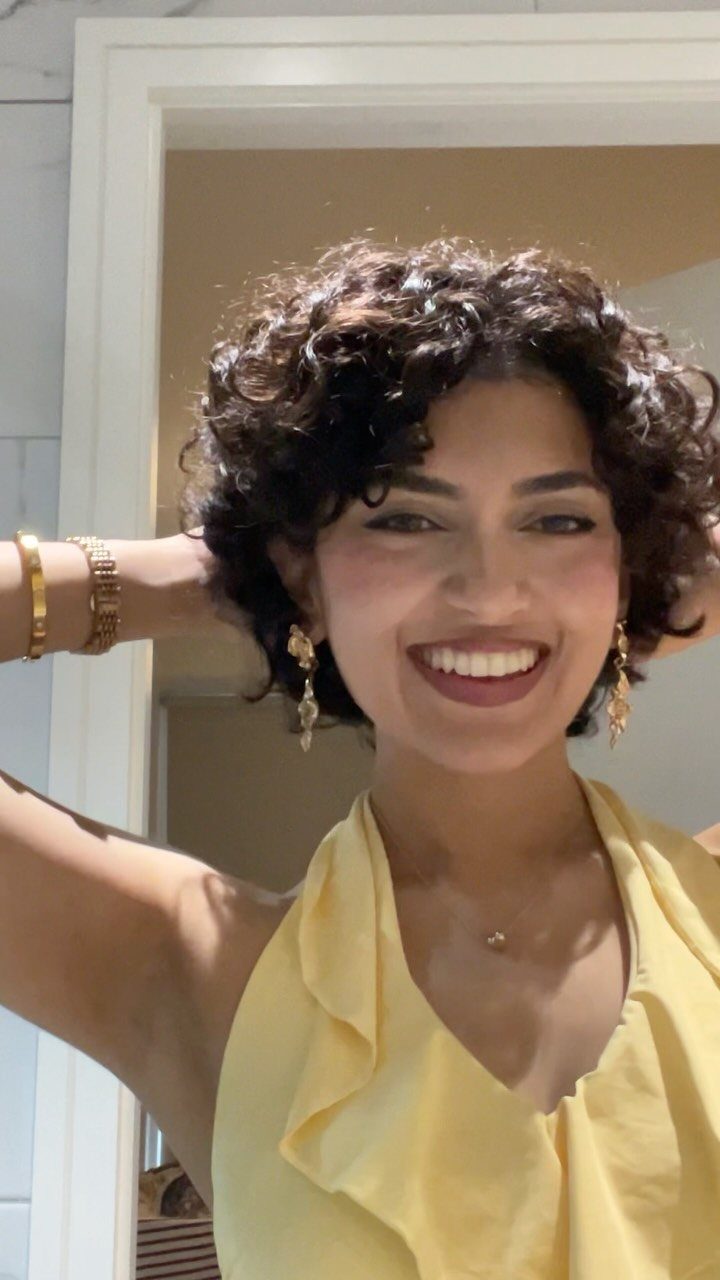
Curls are left full on top and around the head, so the cut reads big without any length.
For 3a–4a curls, a mousse or light cream on damp hair, then a diffuser while you scrunch, builds lift.
Pick the hair with your fingers at the roots once dry. Dense curls fill this shape best; finer hair may look flatter.
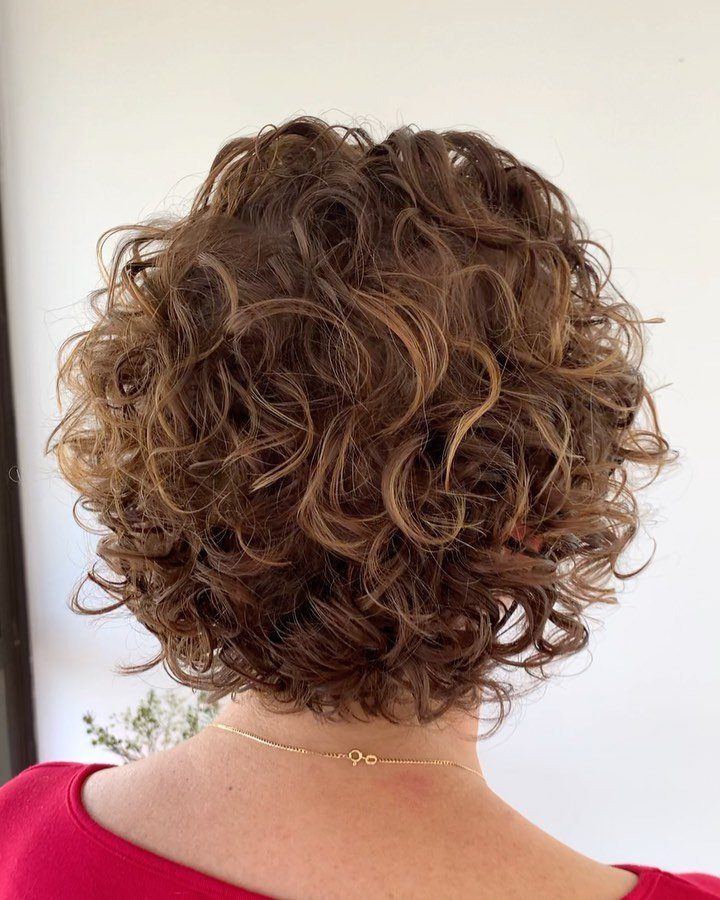
29. Highlighted Short Curls
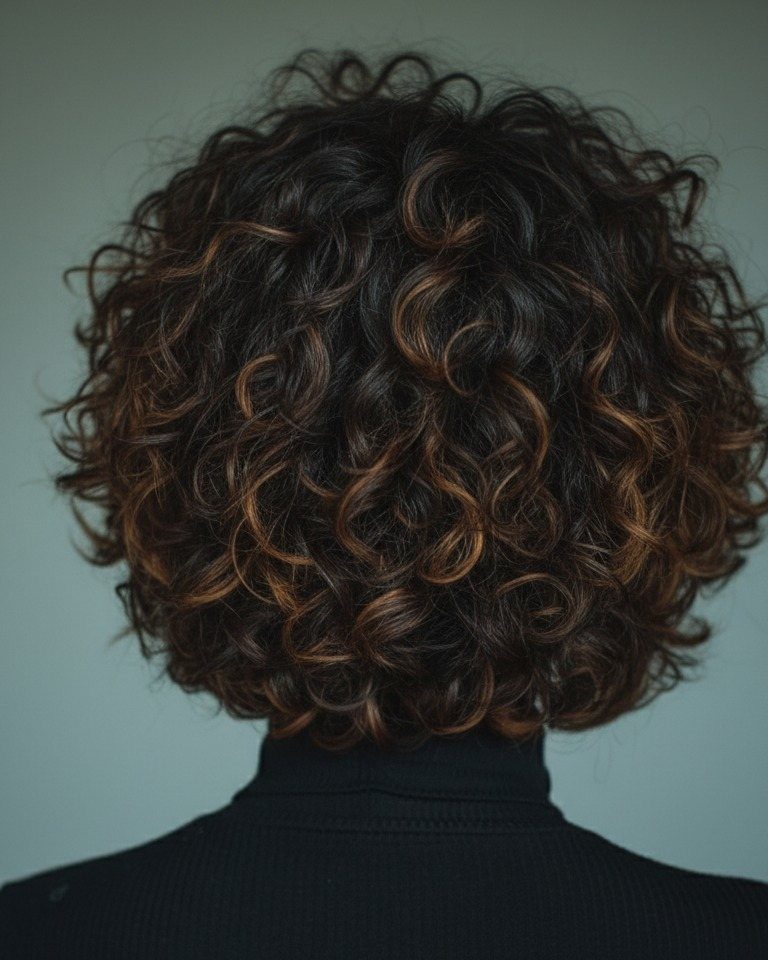
Caramel highlights against dark brown give each ringlet a light side and a shadow side, so the curl pattern shows from a distance. Keep the cut short and full.
Ask your colorist to place the highlights by section, so they follow the curl instead of cutting across it.
Ringlets with highlights lose definition fastest where the color has lifted the cuticle, so I rake a little cream through those lighter pieces first. Color means salon visits, so budget for the upkeep.
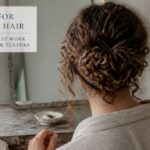
30. Short Curly Updo
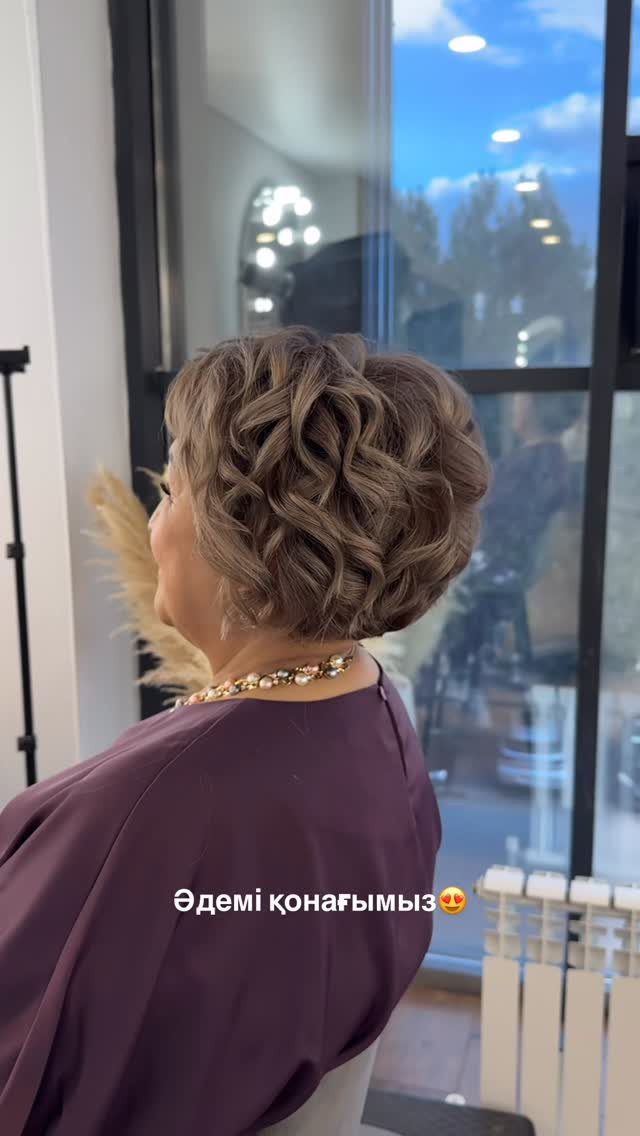
Short curled hair can still go up. The updo gathers the curls into a compact shape, which suits events when you want the hair off the neck.
Hair needs enough length to pin or tuck, so ask your stylist what your cut allows.
Start with defined, dry curls and use pins that match your hair color. I’d have a stylist do it first, then copy the steps at home.
31. Short Curly Waves
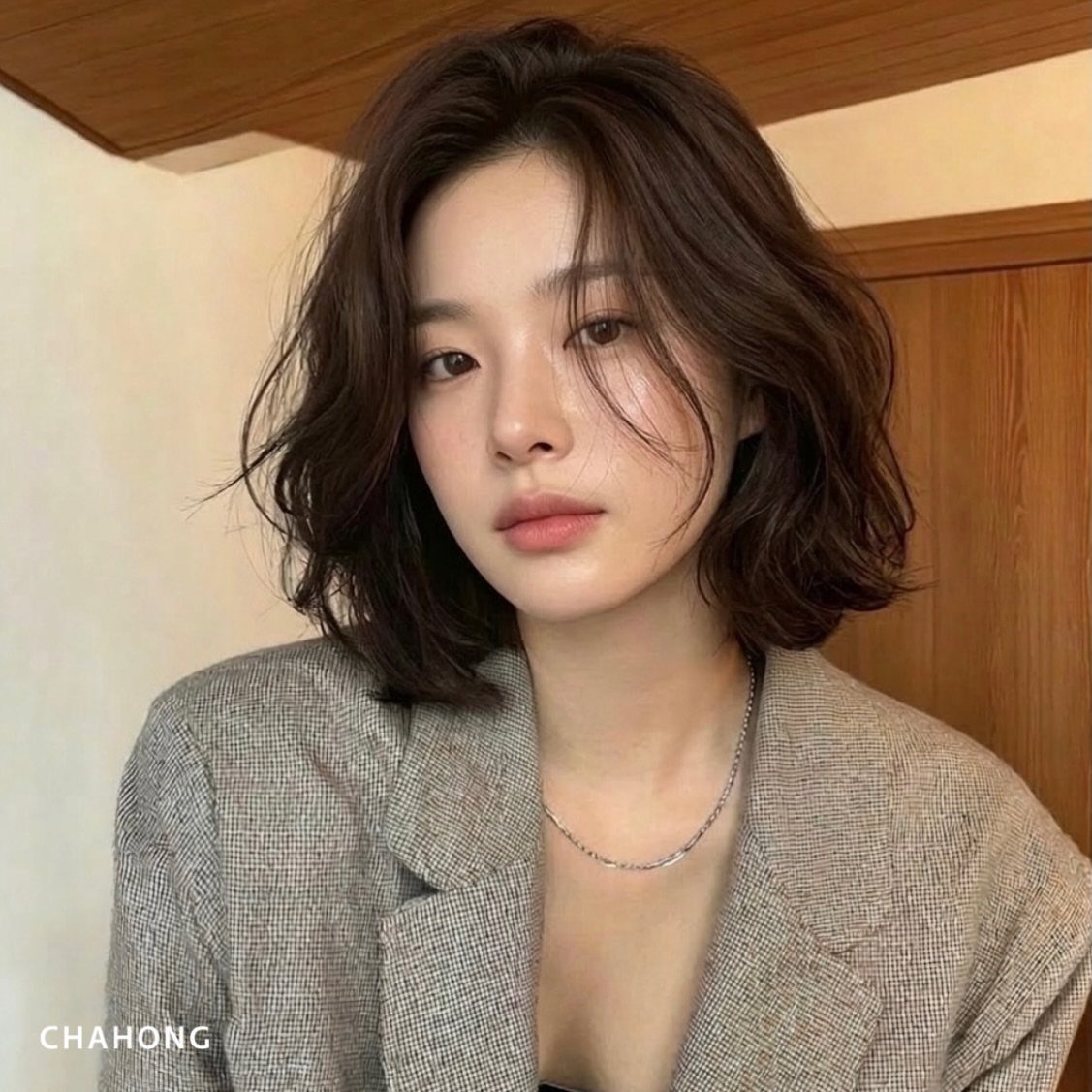
Soft waves cut short sit close to the head without much volume. The wave pattern reads gentle and falls rather than bouncing up, so it keeps a polished feel.
On 2b–2c hair, short waves like these dry into shape on their own and need very little product to stay put.
If your waves tend to frizz, a light smoothing cream on damp hair helps. The short length means trims matter more because growth changes the proportion quickly.
Choosing a Curl-informed Stylist
Ask to see photos of recent curly cuts the stylist has done, not just their general portfolio. Look for clients with your curl type, since someone skilled with 3a spirals may have less experience shaping 4c coils.
The consultation should cover how your curl diameter and density will affect the finished shape, and where shrinkage will land the perimeter.
Bring reference photos that show the cut from multiple angles, not just the front. A mood board helps, but be clear about which parts you want: the length, the layering, the volume, or all three.
Ask what products they recommend for your texture and how much time the cut will take to refresh each morning. If they skip questions about your curl type or suggest the same cut they show everyone, keep looking.
Shrinkage and Dry Length
Tighter curl patterns can shrink 75% from wet to dry, while loose waves may only pull up 10%. That gap means a shoulder-length wet cut can land at the jaw once it dries, or a chin-length trim can finish above the ear.
Ask your stylist to cut while your hair is dry, or to leave 1–2 inches of extra length if cutting wet.
Check the shape once your curls have dried fully before leaving the salon, since adjustments are easier in the chair than a week later at home.
For cuts with bangs or a specific perimeter length, dry cutting removes the guesswork. Shrinkage affects the top and crown more than the sides, so expect the silhouette to round upward as it dries.
Frequently Asked Questions
How do you style short curly hair?
Start with damp hair and a curl cream, a light leave-in, or a mousse, then scrunch. Air-dry it, or use a diffuser while you scrunch for more lift.
What is the best length for curly hair?
For a first move toward short, a lob between the collarbone and shoulder is the safest pick.
Cut to that length, curls keep their spring instead of hanging straight under their own weight, and the shape grows out evenly. Tighter coils tend to look best in cropped or tapered cuts, which hold their shape with little styling.
How do you find the best short cut for your curl type?
Match the cut to your pattern and density.
Waves (2a–2c) suit a lob, a bixie, or a wavy bob. Curls in the 3a–3c range work well in layered bobs, lobs, and shags.
Coils (4a–4c) look good in a rounded crop, a short afro, or a tapered cut. Volume cuts like a rounded shag suit dense curls best; on fine hair they can fall flat.
How much shorter will curly hair look after it dries?
A tight coil can shrink by up to 75% once it dries, while a loose wave may lift only about 10%. That means a cut that hits your shoulders wet can end up at your jaw.
What should you do before getting a short curly cut?
Find a stylist with curly-cut experience, ideally with clients who share your curl type. Bring photos of the cut from several angles and say which part you want: length, layering, volume, or all three.
Before you sit down, ask which products the stylist would use on your hair and how many minutes the cut takes each morning. A stylist who never asks about your curl pattern is a sign to keep looking.
Does face shape matter for short curly hair?
Face shape counts, though I’d put curl volume first, since the curls themselves add width at the fullest part of the cut.
With a round face, I’d go for lift at the crown, as a tapered cut gives, so the outline stays tall instead of spreading sideways.
Face-framing layers or bangs can soften a square jaw, and most cuts work on an oval face.